
Bakelite Mahjong Set Colors: Durability & Design Guide
Last updated: Nov 23, 2026
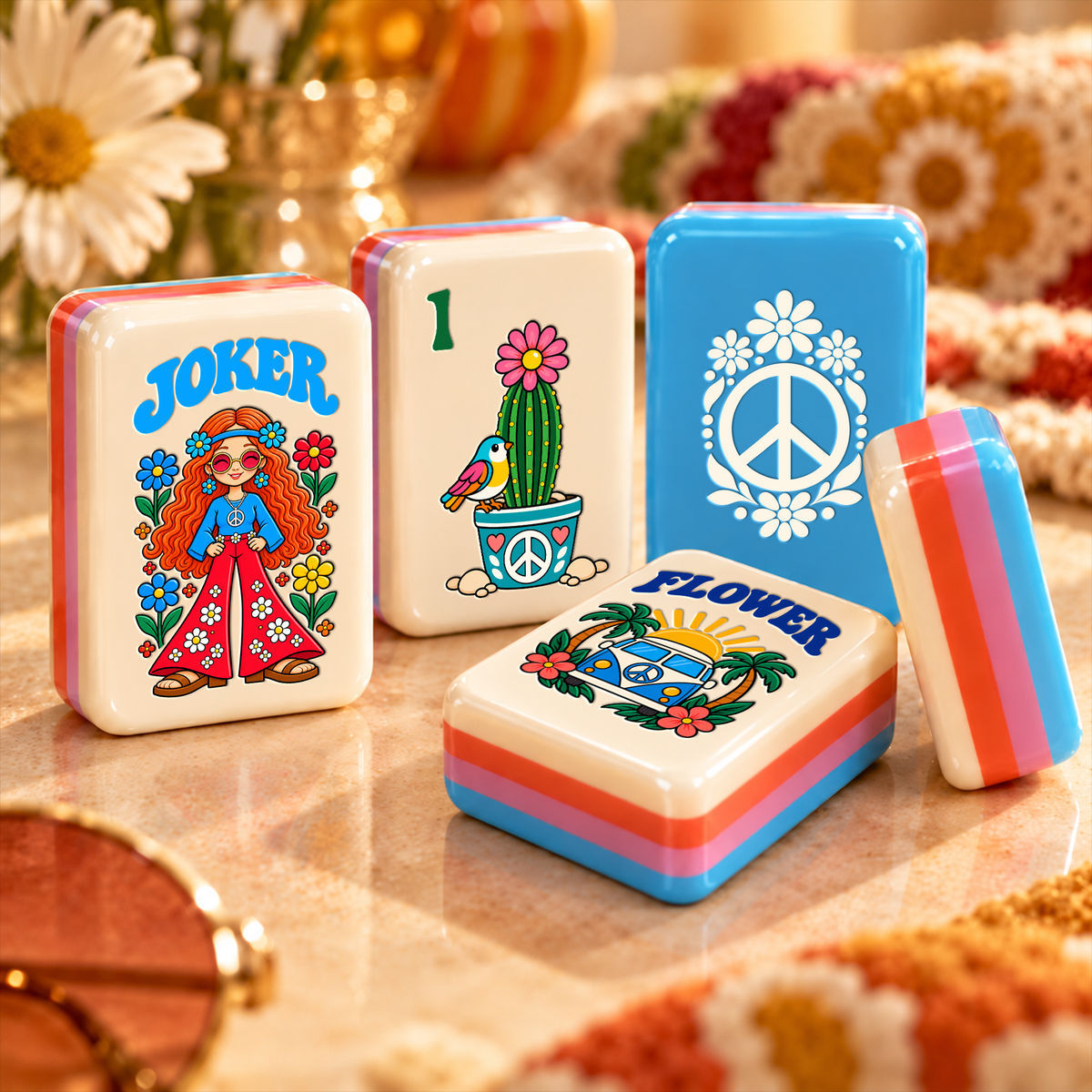
Bakelite mahjong sets feature tiles cast from phenolic resin, a heat-molded plastic that resists chipping and fading better than painted alternatives. The most common colors are cream or ivory (the classic base), paired with red, green, and white/cream dragons; black, red, or gold suit markings; and wind/flower tiles in contrasting hues. Bakelite yellows slightly over decades but remains structurally sound—ideal for regular players. A full 160-tile set from Mahstead includes 152 playing tiles plus spares, with bakelite variants available in our best-selling mahjong sets collection. Bakelite costs more upfront than bamboo-backed sets but typically outlasts them by 10–20 years of weekly play without tile replacement.
Bakelite mahjong sets represent a sweet spot between vintage charm and modern durability. When you're committing to weekly games—or hosting three or four a month—tile integrity matters. Chips on a Number 5 Dot or a Red Dragon don't just look bad; they can block recognition under poor lighting or create disputes at the table. Bakelite holds up. Here's what you need to know before you buy.
What exactly is bakelite in a mahjong set?
Bakelite is a thermoset plastic—phenolic resin—that's heated and pressed into molds to form solid tiles. Unlike vinyl or acrylic, which are flexible and prone to cracking under pressure, bakelite cures hard and stays rigid. The material was popular in vintage mahjong sets from the 1920s–1960s, and modern reproductions follow the same method. Each tile is molded as one piece, so colors are integral to the tile body rather than painted on top. This matters: paint chips; color molded in doesn't. If you play weekly, a bakelite set can survive 20+ years of shuffles, clacks, and stacks without visible wear on the face.

Which colors fade fastest or last longest?
The base color—typically cream, ivory, or pale yellow—is most stable; bakelite naturally yellows with UV exposure and age, but this happens uniformly. Red suit markings and red dragons hold color well because red pigment in phenolic resin is chemically stable. Green markings fade more noticeably than red over 10–15 years of sunlit storage, though still slower than painted tiles. Black engravings remain crisp indefinitely. White or "Soap" dragons, often a blank or off-white tile, can yellow faster than other pieces if the tile sits in a sunny window. Gold accents (if present) may dull but rarely chip or flake. Bottom line: if your game room gets strong afternoon sunlight, expect all bakelite colors to drift slightly warmer over time—but functional integrity stays intact.
How do bakelite colors compare to other tile materials?
Here's a practical comparison based on weekly play durability:
Material | Base Color | Dragon Durability | Suit Marking Longevity | Typical Lifespan |
Bakelite | Cream/ivory | Excellent (no paint) | 15+ years if molded | 20–30 years |
Acrylic (engraved) | Translucent/solid | Excellent (no paint) | 10–15 years | 15–20 years |
Bamboo-backed | Bone face/bamboo | Good | 8–12 years before chips | 10–15 years |
Painted vinyl | Variable | Fair (paint can flake) | 5–10 years | 8–12 years |
Bakelite edges out acrylic mainly in scratch resistance and warmth of feel; acrylic tiles are lighter and easier to shuffle. Bamboo-backed sets offer vintage aesthetics but are more fragile. We recommend engraved American mahjong sets in acrylic if you want modern durability and clarity, or bakelite if you prize heft, tactile feedback, and a classic look.
What color palettes are actually available?
Bakelite sets come in a narrower range than acrylic alternatives, which is part of their charm:
Classic Cream with Black/Red: Off-white or pale yellow base, black suit numbers, red dragons. This is the most common vintage look.
Cream with Gold Accents: Ivory base with gold-stamped suit marks and wind labels; warmer and slightly more formal.
Pale Yellow with Contrasting Dragons: Soft yellow tone, bright red and green dragons, black markings. Popular in mid-century sets.
Cream with Colored Dragons Only: All dragons (Red, Green, White) distinct; winds and flowers match the base tone.
Most bakelite sets stick to two or three accent colors because the molding process limits complexity. If you want dozens of color options or translucent tiles, our best-selling mahjong sets include acrylic variants. Bakelite shines when you want a single cohesive, warm palette that feels like you're playing with heirloom pieces.
How do you care for bakelite to preserve color and durability?
Bakelite needs almost no maintenance, but a few habits extend its life:
Store out of direct sunlight. Keep your set in a bag or box away from windows. UV exposure yellows bakelite faster, though the change is slow and cosmetic.
Wipe with a soft, dry cloth. Bakelite doesn't need soap or oil. A microfiber cloth removes dust and fingerprints without scratching.
Avoid extreme heat. Bakelite is stable at room temperature but can warp slightly in cars left in hot sun or near radiators. Don't store near heat sources.
Don't soak or wash. Unlike some materials, bakelite won't absorb water, but moisture can collect in engravings. Keep it dry.
Stack tiles loosely. Tight stacking doesn't harm bakelite, but loose stacking reduces pressure and keeps all tiles visible for periodic inspection.
A mahjong bag or case designed with padded dividers protects bakelite sets during transport and storage better than wrapping in cloth alone. If you host games weekly or travel with your set, the cushioning prevents edge impacts that could chip corners over time.

When should you choose bakelite over acrylic or bamboo?
Here's a decision checklist:
Choose bakelite if:
You play weekly or more and want tiles to outlast a decade.
You value tactile weight and the "click" of traditional play.
You appreciate vintage or classical aesthetics.
You're storing the set at room temperature without extreme sunlight.
You don't mind a narrower color palette.
Choose acrylic instead if:
You want maximum color variety (pastels, jewel tones, translucent effects).
You prefer lighter tiles for faster shuffling (especially relevant for three-player or beginner groups).
You play casually (a few times per year).
You need clarity (translucent tiles are easier to see markings on in dim light).
Choose bamboo-backed if:
You're a collector prioritizing authentic vintage feel.
You play occasionally and accept replacement costs.
Budget is your primary constraint.
🀄 Shop best-selling mahjong sets →
What to check before you buy a bakelite set
Before ordering, confirm these details:
Tile count: Confirm the set includes 160 tiles (152 playing tiles + spare pieces). All Mahstead sets come with 160 tiles, free US shipping included.
Joker count and spare pieces: Check the product page for exact spare inventory; bakelite sets typically include a few extra jokers or blanks, though this varies.
Engraving method: Ask whether suit markings are molded in (more durable) or hand-painted (less durable). Molded-in markings are the standard for quality bakelite.
Color photo in natural light: Don't rely on studio photos alone. Bakelite tones vary by manufacturer; if possible, request a photo in daylight or see a set in person before committing.
Packaging: Bakelite is heavier than acrylic, so robust packaging (cardboard box, foam dividers, tissue wrap) prevents chipping in transit.
🎁 See our most-loved mahjong sets & accessories →
Why bakelite color choice matters for your game
Color isn't just aesthetic. At the table, readable suit markings and dragon colors speed up game flow and reduce disputes—especially when you're playing in mixed lighting (overhead lamp + window light, for instance). Bakelite's solid, molded colors don't fade into the base tile the way some painted sets do after years of play. This is why serious hosts prefer it: your visitors recognize a Red Dragon or a 3 Crak instantly, even in dim light or under glare. If you host weekly games or pride yourself on game quality, investing in bakelite pays off in fewer rule questions and faster rounds. The tiles feel substantial in your hand, which also signals to your guests that you've invested in the experience.
Bringing bakelite into your game room
Pairing bakelite tiles with the right table and storage transforms your mahjong space. A mahjong mat in neutral tones—cream, soft gray, or green—complements bakelite's warm palette without competing visually. If you use racks with pushers, bakelite tiles sit higher and more visibly than lighter acrylic, giving your setup a professional, established look. We recommend storing bakelite sets in padded bags or cases rather than loose in a drawer—not because bakelite is fragile, but because organization protects against dust and minor impacts that compound over years.
✨ Find your Mahstead set — free US shipping →

FAQ
Does bakelite yellow over time, and is that a problem?
Yes, bakelite yellows gradually under UV exposure, typically a subtle shift toward warm gold over 15–20 years. This is cosmetic and doesn't affect playability. If extreme color uniformity matters to you, store your set away from direct sunlight and inspect it annually.
Can bakelite tiles crack or chip if dropped?
Bakelite is more impact-resistant than acrylic but less forgiving than bamboo-backed tiles. A drop onto a hard floor from table height may chip a corner, but bakelite won't shatter. Proper storage in padded cases prevents almost all accidental damage during transport.
Are bakelite sets more expensive than acrylic?
Generally yes. Bakelite requires custom molds and heat-curing, so per-unit costs are higher than injection-molded acrylic. See current pricing on the product page for exact comparison within the Mahstead catalog.
How do I tell if a bakelite set's markings are molded in or painted?
Run your fingernail gently over a suit marking or dragon. If the marking is indented (you feel a groove), it's molded in and durable. If it sits flat and slightly raised like enamel paint, it's painted and more prone to wear.
Can I use bakelite tiles on a standard mahjong mat?
Absolutely. Bakelite tiles work with any mat. The tiles are slightly heavier than acrylic, so they sit firmly without sliding; this is actually an advantage on slick surfaces.
What's the best storage temperature for bakelite?
Room temperature (68–72°F) is ideal. Prolonged exposure to heat above 80°F or humidity swings can cause minor warping. A closet, cabinet, or bag stored indoors is perfect.


View More
View More
View More
