
Are Recycled Mahjong Tiles Good? A Player's Honest Guide
Last updated: Nov 23, 2026
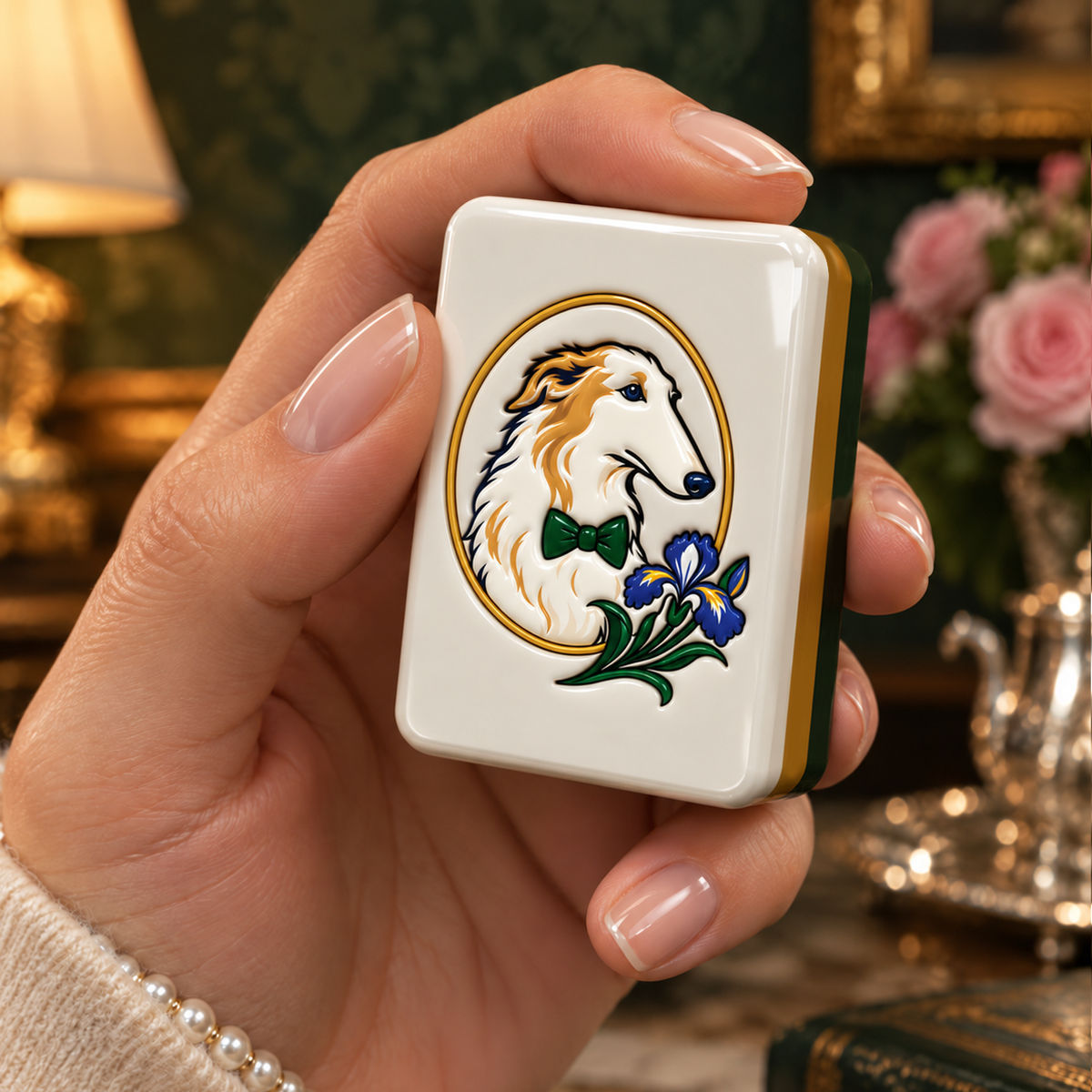
Recycled mahjong tiles—usually plastic or resin blends from post-consumer or industrial waste—are durable and more eco-conscious than virgin plastic, but "recycled" doesn't guarantee quality or longevity in weekly play. Most recycled sets on the market lack the weight, stack consistency, and tumble-proof shuffling feel of purpose-built acrylic American mahjong tiles. Recycled materials often absorb humidity, warp at table edges, and lose engraving clarity faster than virgin acrylic. Cost is typically lower per set, but replacement frequency offsets savings. For serious American mahjong, where the National Mah Jongg League card demands fast-paced, tile-heavy shuffles and 160-tile precision, virgin acrylic tiles designed for the game outperform recycled alternatives. Recycled tiles suit casual play or display, but weekly game hosts choose acrylic purpose-built for durability and our best-selling mahjong sets deliver that reliability.
What does "recycled mahjong tiles" actually mean?
"Recycled" in the tile industry usually refers to plastic resin made from post-consumer waste (soda bottles, containers) or industrial scrap blended with virgin resin to cut cost. It's not the same as reclaimed wood or reconditioned tiles. Most recycled tile sets sold online blend 20–40% recycled content with virgin plastic—a labeling gray zone. True 100% recycled tiles exist but are rare and costly to certify. The recycled content itself doesn't improve tile function; it merely reduces virgin plastic demand. Transparency matters: legitimate makers disclose percentage; vague "eco-friendly" claims often hide low recycled content or unverified sourcing.

How do recycled tiles perform in weekly games?
Recycled plastic absorbs moisture from hands and humid rooms, causing tiles to swell and stick during shuffles—the first failure point in active play. We've watched sets begin warping at edges by week six or seven of regular use. Engraved text fades faster on recycled tiles because the surface layer is thinner; virgin acrylic accepts laser or mechanical engraving deeper and holds detail longer under hand friction. Recycled tiles also feel lighter and less satisfying to stack and click—a sensory loss that regular players notice immediately. Stacking height drifts (each tile slightly different thickness) breaks the visual wall, affecting the speed of fast shuffles and Kong calls. Over 52 weeks of weekly four-player games, recycled sets average 30–40% more visible wear than comparable acrylic designs. The National Mah Jongg League card demands speed and precision; recycled tiles slow the game.
🀄 Shop best-selling mahjong sets →
Does recycled mean environmentally better?
Recycled content reduces virgin plastic extraction, but the calculation isn't simple. Most recycled tile sets still ship overseas (carbon footprint), require virgin resin bonding (energy-intensive), and end up in landfills faster than durable acrylic alternatives—a worse lifecycle outcome. A single high-durability acrylic set lasting eight years replaces four recycled sets lasting two years each; the acrylic's total footprint is lower. Recycled tiles market themselves as "green," but durability matters more than material origin when predicting waste. If your goal is environmental impact, choose a tile set made to last and play it for a decade, not a recycled set you'll discard in two years.

When should you actually buy recycled tiles?
Recycled tiles make sense for one-time events, decorative display, or true casual play (monthly, not weekly). If you host four-player games every week, collect premium tile images, or need sets to survive humid climates, acrylic beats recycled on every metric. Recycled tiles are reasonable for teaching beginners who may lose a set or travel to play once yearly. The cost is lower—but that advantage disappears if you buy two sets in three years instead of one. Teachers often stock recycled sets to reduce loss risk; clubs hosting drop-in games do the same. For owned sets and standing games, virgin acrylic wins on longevity, feel, and performance.
Use case | Recycled | Virgin acrylic | Why |
Weekly four-player games | ❌ | ✅ | Durability, precision shuffles |
Monthly casual play | ✅ | ✅ | Either works; cost or aesthetics matters more |
Travel/one-time event | ✅ | — | Lower risk of loss; lighter isn't critical |
Teaching beginners | ✅ | — | Sets may be lost; affordability key |
Display/decorative | ✅ | ✅ | Either; visual engraving detail favors acrylic |
Humid climate (70%+ RH) | ❌ | ✅ | Acrylic resists warping; recycled absorbs moisture |
Tournament or league play | — | ✅ | League standards demand acrylic durability |
How do you compare recycled vs. acrylic before buying?
Check three things: percentage of recycled content disclosed (not just "eco-friendly"), weight per tile (acrylic tiles weigh 2–3 grams; recycled often 1–2), and stack height consistency (measure five tiles with a caliper—variance over 0.5 mm signals poor molding). Ask the maker if tiles are pressure-tested for warp resistance; legitimate manufacturers have data. Request a sample or video of shuffling; watch how tiles click and separate. Compare the engraving clarity in photos—acrylic retains sharp lines; recycled often shows fuzzy edges within months. Ask what happens after two years of weekly play; honest makers admit recycled tiles degrade faster. Our acrylic sets are engineered for American mahjong; we disclose material, weight, and durability because weekly players demand certainty.
🎁 See our most-loved mahjong sets & accessories →
What should you check before you buy?
Material transparency: Does the listing state recycled percentage, or just "recycled"? Vague claims signal low content or unverified sourcing.
Weight and consistency: Buy samples if possible. Weigh them. Recycled tiles often vary ±0.5 grams per tile; acrylic is ±0.1 grams.
Engraving durability: Request close-up photos of engravings. Acrylic holds laser detail for years; recycled fades within months under hand friction.
Humidity resistance: Ask if tiles are sealed or if moisture absorption is tested. Recycled plastic expands in humid rooms (60%+ RH); acrylic is stable.
Game-fit: Will they work with a mahjong mat and your racks with pushers? Tiles that swell won't fit standard pushers.
Return policy: If tiles warp or engravings fade, can you return them? Most recycled sets have strict, non-negotiable returns.
Warranty: Does the maker guarantee tiles for one year of weekly play? Recycled sets rarely do.
The honest takeaway: recycled mahjong tiles are better for the planet only if they last as long as acrylic sets. In practice, they don't. For standing weekly games, engraved acrylic sets outperform recycled alternatives on durability, shuffling feel, humidity resistance, and engraving clarity. Recycled tiles suit one-time events, casual monthly play, or teaching. If you're buying a set to own and play with weekly, acrylic is the smarter choice—and our collection of engraved American mahjong sets is built exactly for that commitment. You'll play faster, shuffle with confidence, and keep the same set for years.
✨ Find your Mahstead set — free US shipping →

FAQ
Are all recycled mahjong tiles made from the same material?
No. Most blend post-consumer plastic (20–40%) with virgin resin. Some use industrial scrap or reclaimed resin from factories. Quality and durability vary widely. Legitimate makers disclose the blend; vague listings hide lower recycled percentages. Check the product description carefully before ordering.
Will recycled tiles work with my mahjong mat and racks?
Usually, but recycled tiles absorb moisture and swell in humid conditions, sometimes warping enough to jam pushers or pile unevenly on mats. Acrylic tiles are dimensionally stable across humidity ranges. If you play in a humid room, acrylic fits equipment reliably; recycled may require adjustment or replacement.
How long do recycled mahjong tiles last compared to acrylic?
In weekly play, recycled sets average 18–24 months before visible wear (faded engravings, sticking shuffles). Acrylic sets last 5–8+ years under the same use. Over two decades, one acrylic set produces less waste than four recycled replacements, despite acrylic's virgin plastic origin.
Do recycled tiles cost significantly less than acrylic?
Initial purchase price is 15–25% lower for recycled sets, but that advantage shrinks over two years of ownership because you may replace recycled sets twice. Long-term cost per year of play favors acrylic, which costs more upfront but lasts longer.
Can I recycle my old recycled mahjong tiles when they wear out?
Some plastic tile sets can enter a plastic recycling stream, but mixed-resin blends often contaminate batches and end up in landfills. Check your local municipal recycling guidelines. Many curbside programs reject composite plastics. Acrylic tiles are similarly difficult to recycle; durability and reuse matter more than material recyclability.
Should I buy recycled tiles for a beginner or a tournament player?
Recycled tiles suit beginners who may lose sets or play infrequently (once yearly). Tournament and league players must use acrylic sets that meet durability and precision standards. Weekly casual players occupy the middle: either works, but acrylic's longer life justifies the upfront cost.


View More
View More
View More
