
American Mahjong vs Sichuan Mahjong: Rules, Tiles & How to Choose
Last updated: Nov 23, 2026
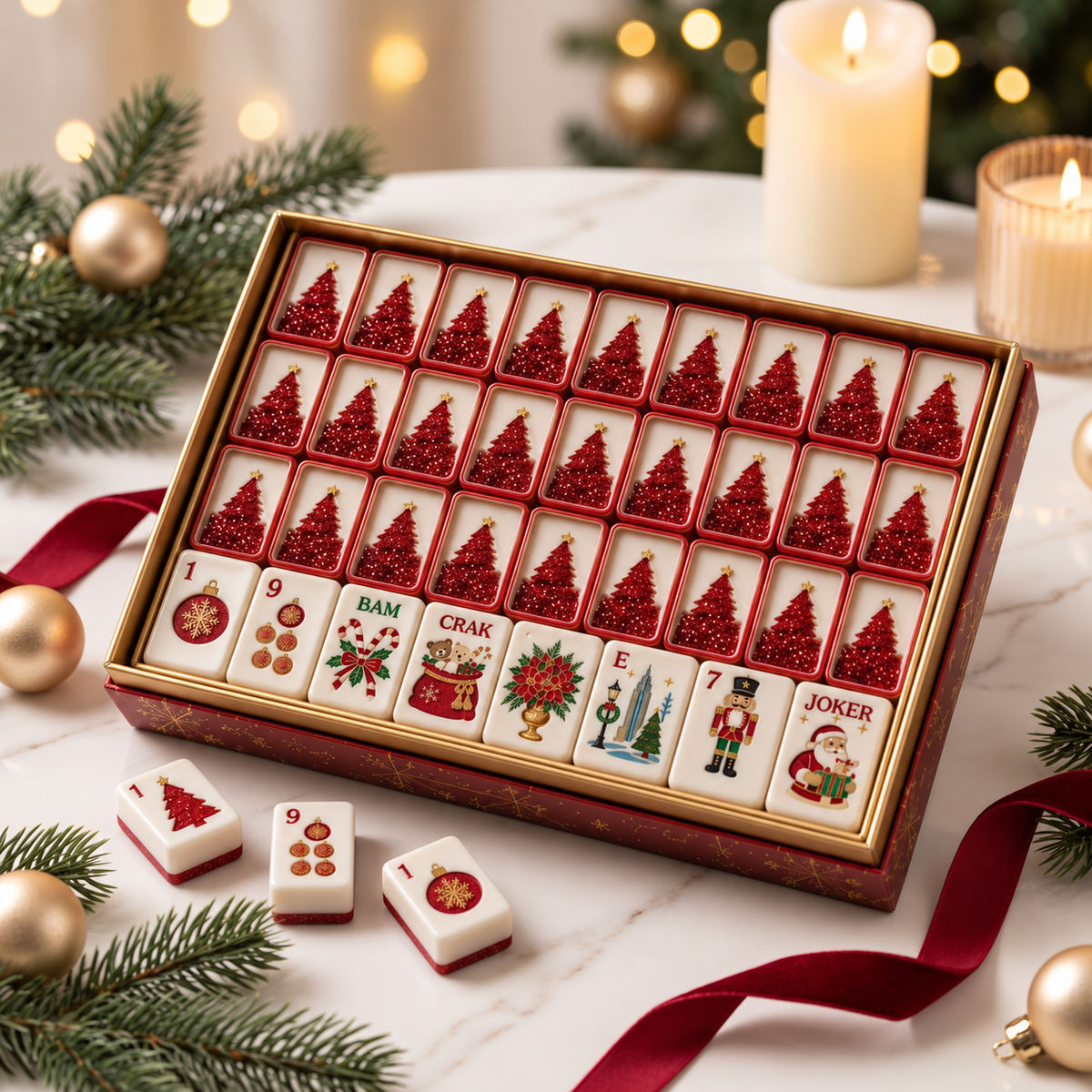
American mahjong uses 152 playing tiles (three suits × 1–9 plus winds, dragons, flowers, and 8 jokers) with hands drawn from the current year's National Mah Jongg League card; it forbids sequences and allows only exposed pungs, kongs, quints, and sextets. Sichuan mahjong uses 108 tiles (no flowers, jokers, or honor tiles beyond winds), permits sequences (chows) and pairs, and offers dozens of regional hand patterns rather than a single published card. American games take 45–90 minutes per round; Sichuan games are often quicker. Neither is "easier"—American demands card memorization; Sichuan rewards speed and memory of regional patterns. Our best-selling acrylic American mahjong sets are built for American play only. If your group wants Sichuan, you'll need a specialized Sichuan tile set from a supplier focused on that variant. --- 🀄 Shop best-selling mahjong sets →
What tiles do American and Sichuan mahjong use?
American mahjong contains 152 playing tiles: 36 Bams, 36 Craks, 36 Dots (three suits, numbers 1–9, four copies each), 16 winds, 12 dragons, 8 flowers, and 8 jokers. Sichuan mahjong uses only 108 tiles: three suits of 1–9 (four copies each), four winds, no flowers, and no jokers. Sichuan tile sets are smaller, lighter, and often made of bamboo or plastic with simplified face markings, while American sets come in acrylic or bone with detailed engravings.

Can you play sequences in both variants?
American mahjong does not permit sequences (called chows in Chinese variants). You may only expose three-tile pungs, four-tile kongs, five-tile quints, or six-tile sextets of identical tiles; jokers can never fill a single tile or pair. Sichuan mahjong allows both sequences and pungs, giving players far more hand-formation flexibility. This is the single biggest gameplay difference: American feels like a memory and pattern-matching puzzle; Sichuan feels like a speed-based combination game.
How do winning hands differ?
American winners must match exactly one hand from the current year's National Mah Jongg League card—over 1,000 possible patterns. You draw the card before each season and memorize layouts, patterns, and joker positions. Sichuan has dozens of named hands (such as "all pungs," "all sequences," or "eyes and sets"), but regional rule books vary; there is no single official card. New players find American easier to verify ("Is this hand legal?"), but Sichuan hands feel more organic once you learn your region's list.
What is the pace and tournament culture?
American games typically last 45–90 minutes per round, with players sitting for a full match. The Charleston (pre-game tile exchange) adds ritual and a social cool-down. Sichuan games often move faster—rounds finish in 20–40 minutes—and are played in series with quick resets. American mahjong has a formal seasonal league card and widespread club play in the US; Sichuan thrives in casual family and restaurant settings across East and Southeast Asia, with less standardized tournament infrastructure outside China.
Aspect | American | Sichuan | Better for… |
Tile count | 152 (with jokers) | 108 (no jokers) | American if you want extra spares; Sichuan if portability matters |
Sequences allowed | No | Yes | Sichuan if you prefer mix-and-match; American if you like rigid puzzle solving |
Hand source | Single yearly card | Regional books (vary) | American if you want consistency; Sichuan if variety appeals to you |
Game length | 45–90 min | 20–40 min | American for deep evening sessions; Sichuan for quick rounds |
Learning curve | Steep (memorize card) | Moderate (learn hand names) | Sichuan if you're a casual player; American if you commit to weekly play |
How does joker use change the game?
American mahjong includes 8 jokers that can substitute for any single tile within an exposed set (pung, kong, quint, sextet) but never form a tile by themselves or sit in a pair. This forces you to think about which tiles are real and which are borrowed—a unique planning layer. Sichuan uses no jokers, so all sets must contain actual matching tiles. American players often find that joker scarcity makes late-game calls tense; Sichuan players experience fewer surprises but sometimes longer waits for that one needed tile.
🎁 See our most-loved mahjong sets & accessories →

Which variant should your group choose?
Choose American if:
You live in North America and want to join existing clubs or leagues.
Your group has 1–2 weekly game slots and enjoys deep memorization.
You prefer a fixed rule set and the social structure of a published card.
You're willing to invest in quality acrylic sets; engraved American mahjong sets often become family heirlooms.
Choose Sichuan if:
Your group includes players from China, Taiwan, or Southeast Asia.
You want faster rounds and more flexible hand combinations.
Portability and casual play matter more than formal league membership.
You're open to learning regional hand variations and don't mind rule tweaks between game nights.
A practical hybrid approach: Some players host both. Keep a best-selling American set for your Tuesday group and borrow or buy a Sichuan set for family visits. The skills transfer partially—both require tile recognition, counting, and strategic discards—but the mindsets are different enough that switching mid-evening feels jarring.
What equipment do you actually need?
For American mahjong, you need 152 playing tiles plus 8 jokers. A mahjong mat (not essential but helpful) defines the discard zone and protects tiles. Racks with pushers hold your tiles vertically and let you sort quickly; experienced American players swear by them. A travel bag protects acrylic tiles during transport—they're lighter than bone but less forgiving if dropped.
For Sichuan, you need only the 108-tile set; a mat is optional since games finish fast and players often arrange tiles in hand. Sichuan sets rarely come in travel-friendly packaging, so if portability matters, ask your supplier.
Our pick: If you're starting American play, a best-selling acrylic set bundled with a mat covers 90% of beginner needs. Add a rack if anyone has hand mobility issues or plays seriously enough to want a speed edge.
What to check before you buy
Tile clarity: Acrylic tiles show suit color instantly; bamboo or bone tiles require closer inspection, especially in dim restaurant light.
Joker count: American play requires 8 jokers. Standard sets include them; verify before purchase.
Face markings: American sets show suit symbols and numerals clearly. Sichuan sets often use smaller, sparser markings; buy from a supplier you trust.
Storage: Acrylic sets fit into smaller cases than bamboo or bone; if your group plays weekly, storage matters.
Regional rules: If playing Sichuan with a mixed group, agree on a hand list before game one. Mismatched house rules derail evenings.
✨ Find your Mahstead set — free US shipping →
How to transition between variants
If your current group plays American and wants to try Sichuan (or vice versa), run a practice round with house money or no stakes. One rule difference—especially sequences—can flip a whole game. Assign one player as rules keeper and have the chosen hand book visible on the table.
American players often find Sichuan refreshing because sequences reduce the cognitive load of memorization; Sichuan veterans often find American thrilling because the card-based hand pool feels like a puzzle hunt. Neither is objectively "better"—they reward different strengths.
If your group is building a game from scratch and unsure which to choose, host a survey: ask members if they prefer memory games or speed games, and whether they have ties to Chinese regional play culture. The answer usually emerges naturally.

FAQ
Can I use an American mahjong set to play Sichuan?
No. American sets have 152 tiles including flowers and jokers; Sichuan uses 108 tiles without flowers or jokers. The tile compositions are incompatible. You need a set built for each variant.
Which game is easier for absolute beginners?
Sichuan is faster to learn (simpler hand types, sequences allowed), but American offers a clearer learning structure (one published card). It depends on whether your group values speed or consistency. Most beginners prefer Sichuan's flexibility.
Do American mahjong clubs exist outside the US?
Yes—American mahjong has players in Canada and some communities in Australia and the UK. However, organized leagues are primarily North American. Sichuan is far more widespread globally, especially in Asia and Chinese diaspora communities.
What's the age range for each variant?
Both are played across all ages. American draws many players aged 50+; Sichuan includes teenagers through retirees. The National Mah Jongg League publishes a youth outreach guide, but most American club members are older.
If I buy an American set, can I switch to Sichuan later?
Your acrylic American set becomes a collectible or display piece; you'll need to purchase a Sichuan set separately. Don't discard it—the tiles are durable and may appeal to players who want to learn both variants later.
Are Mahstead sets compatible with tournament play?
Mahstead American mahjong sets meet standard tile dimensions and acrylic durability used in casual and serious club play. However, tournaments typically use specific supplier-approved sets; verify with your league organizer before purchase.


View More
View More
View More
