
Coastal Mahjong Bag: Choose the Right Carry Case for Travel
Last updated: Nov 23, 2026
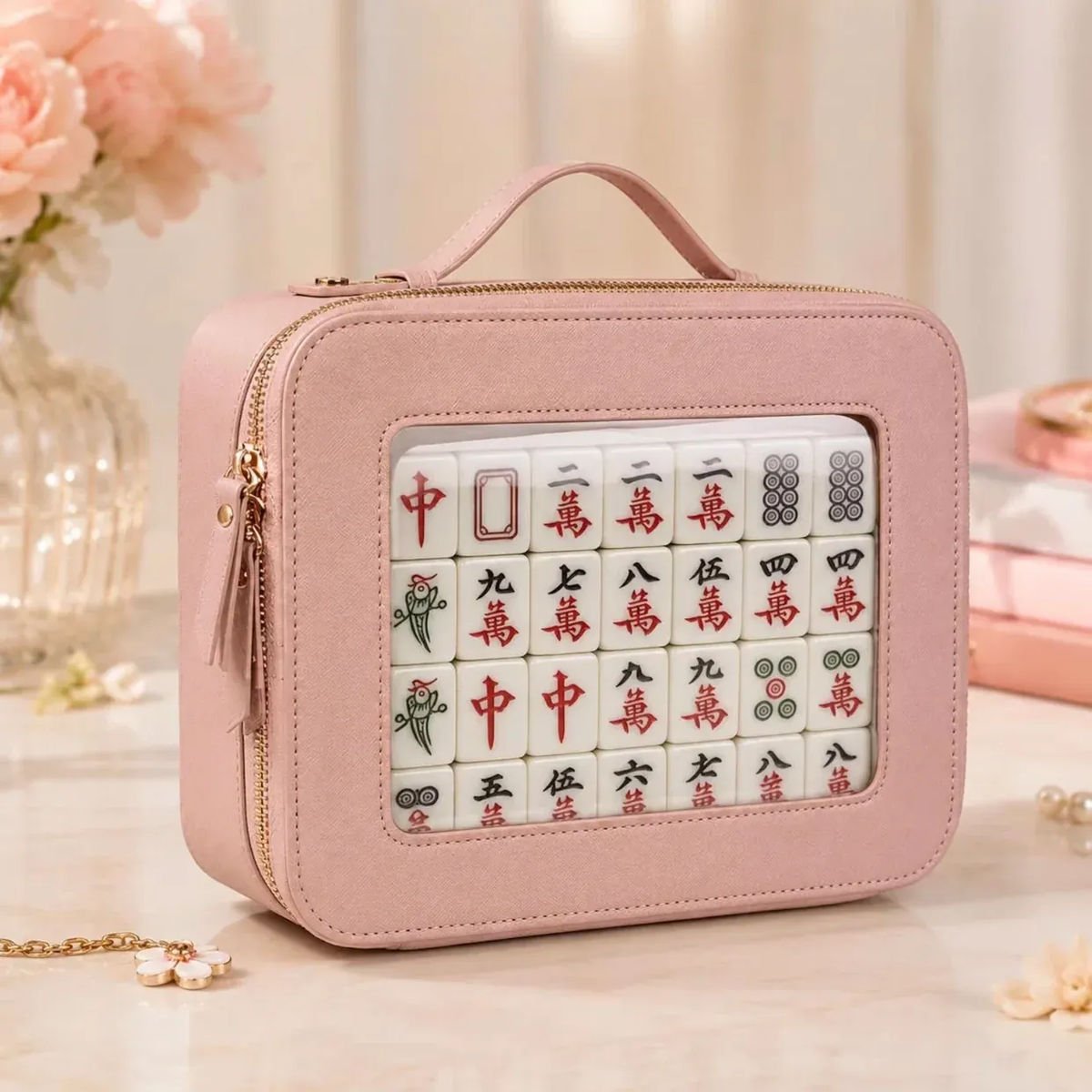
A coastal mahjong bag is a padded carry case designed to protect your 160-tile set, mat, racks, and dice during travel. Unlike a simple cloth pouch, a quality travel bag has rigid or semi-rigid walls, interior compartments, and secure closures to prevent tiles from shifting in a car or suitcase. Most accommodate a full set with room for a mat and accessories. When choosing one from our mahjong bags and cases collection, consider interior dimensions (measure your set's footprint first), padding thickness, handle style (shoulder strap vs. carry handles), and whether you need waterproofing for humid or beach environments. Prices vary by material and capacity; see current price on the product page. Avoid overstuffing—tiles shift and tiles break—and always pack your jokers and scoring chips in a separate interior pocket. A well-chosen bag pays for itself after three road trips.
A mahjong bag isn't just about convenience—it's insurance. We've hosted enough games in different rooms and rental properties to know that loose tiles in a car trunk or hotel closet lead to lost Craks, bent racks, and the kind of frustration that kills a game day. A dedicated travel bag keeps your set intact, organized, and ready to play anywhere.
What makes a bag "coastal" or travel-ready?
A coastal mahjong bag differs from a decorative pouch by prioritizing protection over aesthetics. It features rigid or semi-rigid sides to prevent crushing, interior padding (usually foam or felt) to absorb impact, multiple compartments for tiles, accessories, and mats, and a secure closure—typically a zipper or latch—that won't pop open mid-journey. "Coastal" implies durability in humid, salty, or wet-adjacent environments; look for water-resistant materials, reinforced seams, and ventilation to prevent mildew. A proper travel bag should fit a 160-tile set snugly without forcing the lid, accommodate racks with pushers, and have at least one dedicated slot for scoring chips and jokers to prevent loss.
Should you buy a bag designed specifically for mahjong?
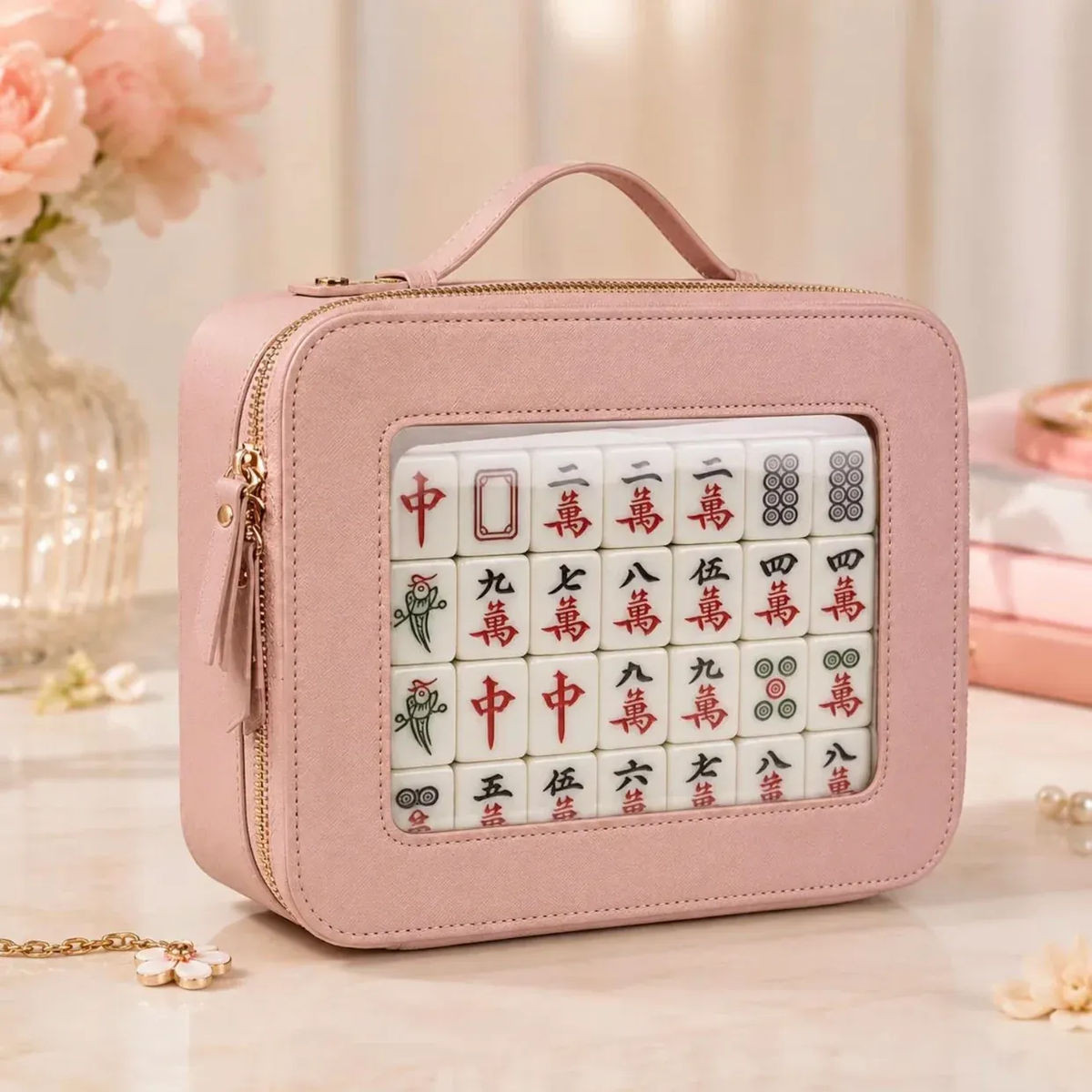
Yes, if you travel regularly or host games across multiple locations. A mahjong-specific bag has interior dimensions optimized for a 160-tile set and compartments sized for racks, dice, and the scoring pad—no wasted space, no risk of tiles rattling loose. Generic travel cases designed for board games or electronics often have misaligned dividers or too much empty space, allowing tiles to shift and crack. A mahjong-specific design from our travel bag collection costs slightly more upfront but eliminates the guesswork. If you play every week in the same location, a simple cloth bag suffices; if you travel monthly or more, invest in a structured case.
🀄 Shop best-selling mahjong sets →
How do you pack a mahjong bag without damaging tiles?
Follow this step-by-step packing order to maximize space and minimize tile stress:
Empty your set completely. Remove all jokers and set them aside in a labeled pouch.
Organize tiles by suit and number. Before packing, stack tiles neatly in the box they came in or in small stacks of 10–15 tiles per stack, face-down.
Pack tiles in the main compartment, laying them flat in rows rather than stacking vertically. Vertical stacking concentrates pressure on the bottom tiles.
Place racks with pushers in a dedicated side pocket, never on top of tiles.
Wrap the mat separately in a thin cloth or flat pocket to prevent creasing.
Secure jokers and scoring chips in the front or lid pocket where you can grab them without opening the main compartment.
Pad empty spaces with bubble wrap or foam to prevent shifting during transport.
Close the bag firmly but not violently—forcing a lid can crack tiles stored near the edge.
Never cram extra jokers or blanks into the main playing area; store spares in a separate small pouch inside the bag.
What bag features matter most for coastal and humid play?
Feature | Why It Matters | What to Prioritize |
Water-resistant material | Salt spray, humidity, and beach sand corrode uncoated fabric and metal zippers | Nylon, laminated canvas, or synthetic leather with sealed seams |
Ventilation slots or mesh | Prevents mildew and moisture buildup in humid climates | Side vents or breathable compartment dividers |
Reinforced handle | Wet bags are heavier; cheap handles tear | Double-stitched nylon webbing or leather straps |
Padding thickness | Absorbs impact from car trunks and luggage racks | Minimum ½-inch foam or felt; look for corner guards |
Compartment separation | Keeps tiles, mat, and racks from pressing against each other | At least 3 distinct zones; rigid dividers preferred |
Zipper quality | Coastal conditions corrode standard zippers | Look for #10 coil or metal YKK-grade zippers |
For beach trips specifically, choose a bag with reinforced corners and consider a moisture-absorbing pack inside to manage salt-air humidity. Store your bag in a cool, dry location between games—never in a hot garage or damp basement.
🎁 See our most-loved mahjong sets & accessories →

How do you choose between hard-shell and soft-sided bags?
Hard-shell cases (rigid plastic or molded composite) offer maximum protection and stack neatly in vehicles. They're ideal if you travel via car weekly or fly with your set. Downside: they take up fixed space even when empty and are heavier to carry. Choose a hard-shell if your tiles are engraved or if you value zero-compromise durability.
Soft-sided bags (padded nylon, canvas, or synthetic materials) are lighter, compress when not full, and fit easily on a shelf. They suit players who travel monthly or drive short distances. Downside: less crush resistance if your car is packed tight. A soft-sided bag works well for casual coastal trips—picnics, beach houses, short getaways.
Hybrid bags combine a rigid base with soft sides, offering a middle ground. They weigh more than full soft bags but less than hard cases and provide better tile protection than fabric alone.
Consider your actual travel frequency and vehicle space: if you play in four different locations per month, a compact soft-sided bag beats a bulky hard case. If your set is engraved or one-of-a-kind, the hard-shell investment protects a personal treasure.
What should you check before ordering a travel bag?
Use this checklist to avoid buyer's remorse:
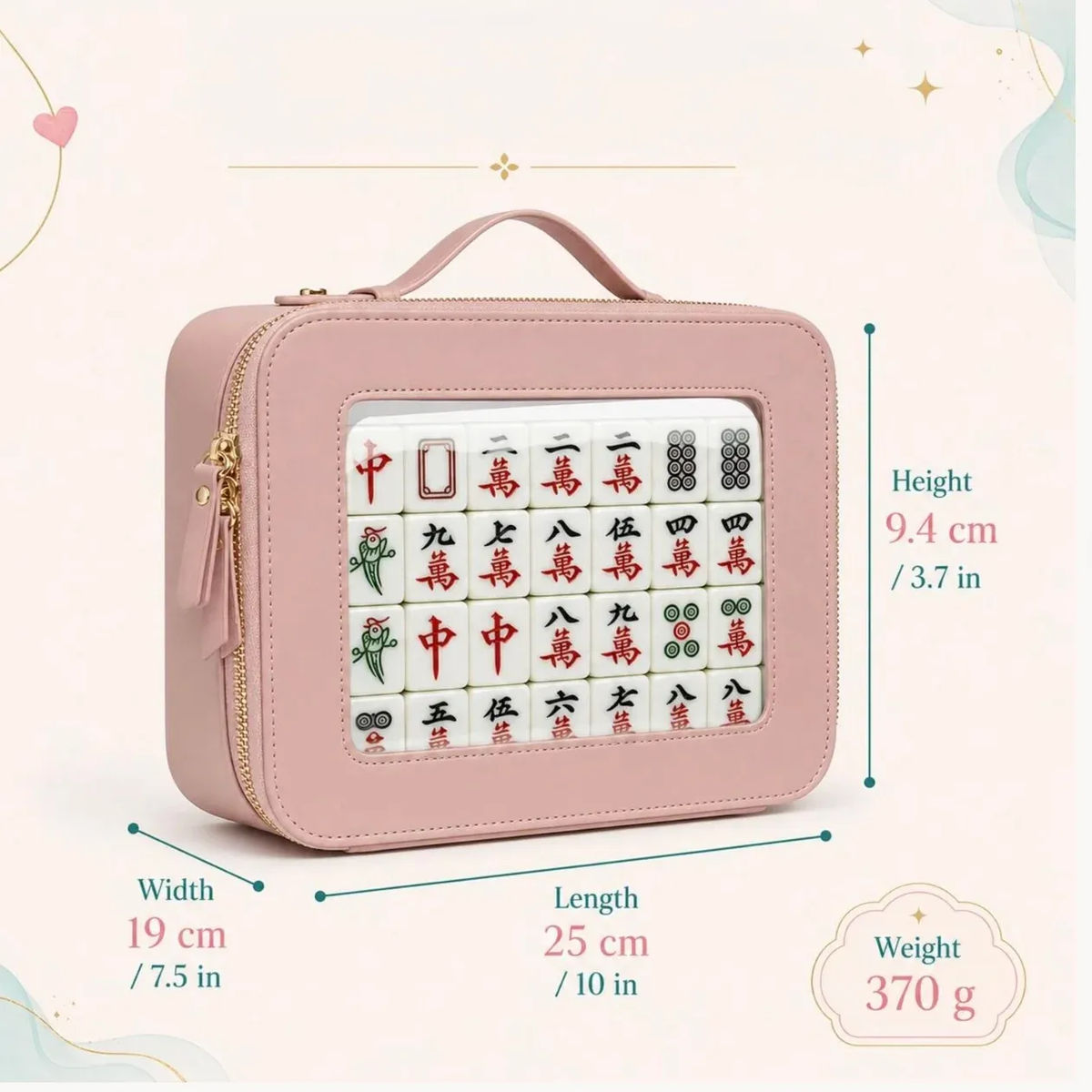
Measure your set's dimensions first. Place your 160-tile set in its original packaging and measure length, width, and height. Compare these to the bag's interior dimensions—not the exterior, which shrinks by the padding thickness.
Test the weight empty. Lift the bag before adding tiles. If it's already heavy, you'll notice during transport.
Inspect zipper samples online or in-store. Cheap zippers jam or split; look for reviews mentioning zipper durability or request photos of the zipper type.
Check for interior pockets. You need at least one small slot for jokers and scoring chips, plus a mat pocket. Bags with only one large compartment won't organize well.
Read the material description carefully. "Water-resistant" is not the same as "waterproof." For coastal play, water-resistant is sufficient.
Verify the handle attachment method. Riveted handles last longer than glued ones; reinforced stitching shows quality.
Ask if the bag comes with dividers or foam. Some require you to buy or construct interior organizers.
Confirm return or exchange policy. If the bag doesn't fit your set after unpacking, you need an out.
Our travel bag collection lists detailed dimensions and materials for each option—check the product page before adding to your cart.
✨ Find your Mahstead set — free US shipping →
Why pair a travel bag with an engraved or new set?
If you're investing in an engraved mahjong set—whether it's a personalized gift set or a fresh new arrival—a quality travel bag becomes part of the package. Engraved tiles are irreplaceable; a damaged tile can't be reprinted. A structured travel bag protects that investment, especially during your first year of ownership when you're eager to show the set off at multiple venues. Pair your set with a bag that matches its value: premium bags for premium sets, functional bags for starter or beater sets you use for casual play.
What to check before you buy:
Before ordering, measure your mahjong set (including any mat or racks you plan to pack), confirm the bag's interior dimensions on the product page, and verify zipper durability and compartment layout match your travel style. If you play in multiple locations weekly, a structured bag pays for itself in peace of mind; if you play once a month in the same room, a simple cloth bag suffices. Always pack with flat tile stacks, never vertically, and store your bag in a cool, dry location between trips.
FAQ
Can I fit both a mahjong set and a mat in a coastal travel bag?
Yes, if the bag is designed for full-set storage. Mats compress or roll thin—pack the mat flat along one side and tiles flat in the center. Check the product page's interior dimensions to confirm both fit without forcing the closure.
What's the difference between a travel bag and a decorative carrying case?
Travel bags prioritize protection with rigid sides, padding, and secure closures; decorative cases prioritize aesthetics and often lack proper support, risking crushed tiles. For regular transport, choose a travel bag.
How do I prevent my tiles from shifting during a long car drive?
Pack tiles in flat rows rather than stacks, fill empty spaces with bubble wrap or foam, and use the bag's compartment dividers to lock everything in place. A semi-rigid or hard-shell bag reduces movement automatically.
Are soft-sided bags durable enough for weekly travel?
Yes, if the bag has reinforced seams, quality padding, and a sturdy zipper. Soft-sided bags work well for weekly use; inspect the zipper and stitching before ordering, and choose one with at least ½-inch padding.
Should I buy a waterproof or water-resistant travel bag for coastal play?
Water-resistant (coated nylon, sealed seams) is sufficient for beach trips and humid climates; full waterproofing (rubber-lined) is overkill and adds weight. Look for material that dries quickly and resists salt spray and sand.
Can I pack a mahjong mat and racks in the same bag as the tiles?
Yes, if there's a dedicated compartment for each. Racks should never rest directly on tiles. Use interior dividers or wrap the mat separately to keep items from pressing against each other.
What's the best way to store a travel bag between games?
Keep it in a cool, dry location—not a hot garage, damp basement, or outdoor shed. Moisture and heat warp padding and corrode zippers. Leave the bag unzipped when stored empty to allow air circulation.


View More
View More
View More
