
Mahjong Accessories for Beginners: What You Actually Need
Last updated: Nov 23, 2026
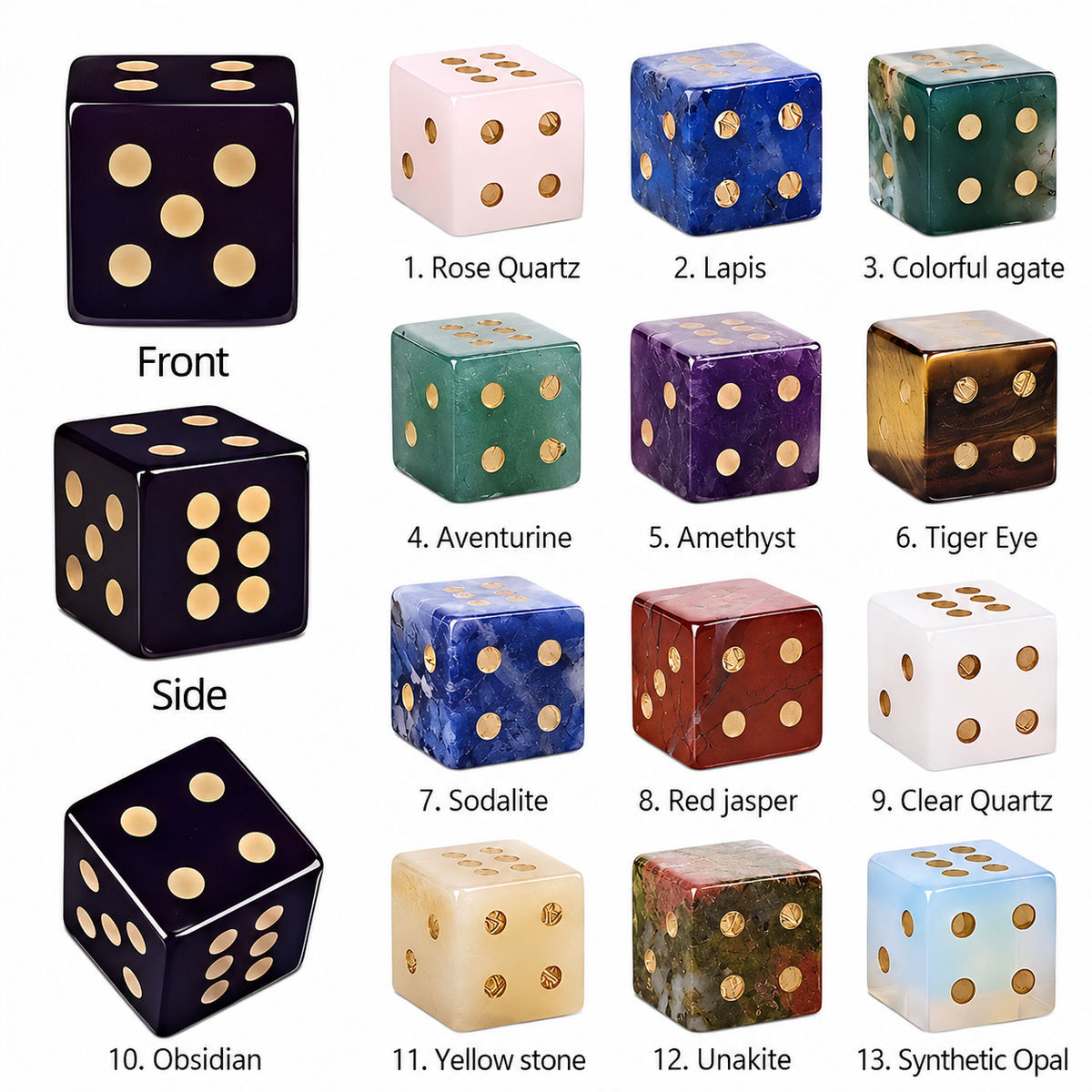
American mahjong beginners need a 160-tile acrylic set, a mat to play on, racks to hold your tiles, and a current-year National Mah Jongg League card. A mat protects your table and keeps tiles from sliding; racks organize your hand so opponents can't see what you hold; the card shows you every legal hand for that year. You don't need dice, pushers, or a bag until you're playing weekly or traveling. A complete beginner set costs less than you'd think—see our best-selling mahjong sets for bundled options. Most new players overspend on extras they'll never touch. Focus on tiles, mat, and racks first; add dice, pushers, and a travel bag only when you know you're committed.
When you're learning American mahjong, the gear feels overwhelming. Online searches show endless options. Here's what actually matters: you need tiles, a playing surface, something to hold them, and a card to read hands. Everything else is nice-to-have. We've hosted thousands of new players—these are the accessories they genuinely use in their first season, what to avoid, and how to make your first purchase decisions.
What do I actually need to play your first game?
You need four things and nothing else: a 160-tile acrylic set, a mat, racks, and the current year's National Mah Jongg League card. The card is the rulebook—it lists every legal hand combination for 2026. Without it, you're guessing. Acrylic tiles last decades and feel solid; bamboo sets are beautiful but delicate and harder to read from across the table. A mat keeps tiles from sliding and sounds better than bare wood. Racks let you organize your 13 tiles privately; without them, everyone sees your hand forming. You don't need a dedicated table, dice, or pushers yet. Start here, then add gear as you commit.
🀄 Shop best-selling mahjong sets →

Should you buy a mat, or will a tablecloth work?
A mat and a tablecloth are not the same thing. A mat has a padded surface, raised walls on two sides for your tiles, and a grid printed on it so you can organize your hand. A tablecloth is flat fabric that slides. Beginners think a tablecloth saves money—it doesn't. You'll spend your first six months chasing tiles across the table. A mat costs less than one bad dinner and pays for itself in sanity. Our mahjong mat collection ranges from simple solid colors to engraved designs; all work the same way. Pick the one you like looking at, because you'll use it weekly. Mats are non-negotiable.
Do you need racks with pushers as a beginner?
Yes. Here's why: in American mahjong, you hold 13 tiles hidden from other players until you expose a pung, kong, or quint. Racks let you organize them by suit and number without showing anyone. Pushers help you draw and discard quickly so the game moves at a normal pace. New players without pushers hold tiles in their hands—slow, awkward, and your hand gets tired. Racks with pushers are part of the rhythm of play. You'll want at least one set of four. Some come as singles; buy the set of four that matches your tile color.
🎁 See our most-loved mahjong sets & accessories →
What's the actual difference between beginner and advanced accessory kits?
Accessory | Beginner | When to upgrade | Why |
Set | 160-tile acrylic | After 2+ years | Bamboo or bone feels premium; resists wear |
Mat | Solid color or basic design | Year 2–3 if playing weekly | Engraved mats add personality; no functional difference |
Racks | Standard acrylic | After 50+ games | Premium wood racks reduce table noise; acrylic works fine |
Pushers | Included with racks | Year 2 if worn | Replacements; beginners rarely wear them out |
Dice | Not needed yet | When playing for score tracking | Some groups use dice for game flow; not required |
Bag | Not needed yet | When hosting or traveling | Protects tiles; needed only if you move your set weekly |
Beginners think they need everything at once. Most upgrades happen after your first season, once you know if you'll keep playing. Start with a solid acrylic set, a mat, and racks. Honestly assess whether you'll play weekly before buying a travel bag or a second set of racks.
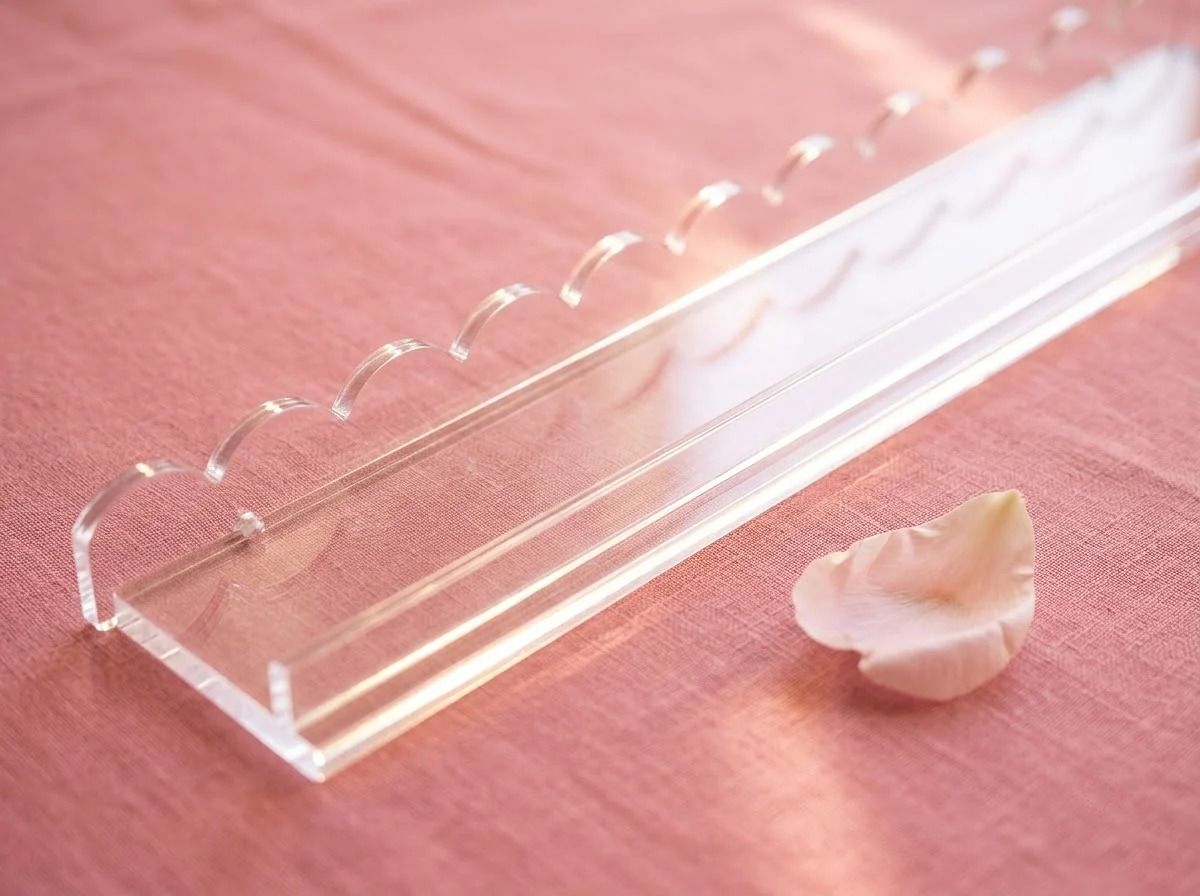
How do you choose between a tile set design—does it matter?
American mahjong tiles come in three main styles: traditional (Chinese-style symbols), Western numerals with suit symbols, and novelty designs (engraved custom text, animal themes, holiday themes). New players worry this matters. It doesn't—all are legal for the National Mah Jongg League. Pick the design you like looking at. You'll handle your tiles 100+ times per game; pick something that makes you happy. Our best-selling collection includes traditional and Western numeral designs at every price point. We also carry Christmas-themed sets and engraved sets with titles or sayings. Tile readability matters more than design: buy acrylic with clear, large numerals or symbols. Test the set in person if you can (visit a mahjong store in your area). If ordering online, check product photos carefully—tiles should be easy to read from three feet away.
What beginner accessories are you actually wasting money on?
Four things beginners buy and rarely use: a second mat, a second set of racks, dice (unless your group keeps score), and a fancy tile bag. You need one mat and one set of racks. If you're playing at someone else's house, they have a mat. If you're bringing your own, one mat and four racks fit in a modest bag. Dice are used only if your group tracks points formally—most casual groups don't. A tile bag makes sense only if you're hosting monthly or traveling with your set every week. If you play once a week at the same table, these extras just sit in a closet. Buy your core four items (set, mat, racks, card) and commit to a season. Then, if you're playing twice a week or hosting, add a travel bag or case and a second mat.
What to check before you buy
Tile size and weight: American mahjong tiles are larger and heavier than Chinese mahjong tiles. Make sure product photos show a tile next to a quarter or coin so you can judge size. Acrylic tiles should feel solid, not hollow or cheap.
Mat dimensions: Check the mat length and width against your table. Most mats are 24"–28" wide; if your table is narrower, the mat overhangs and becomes annoying. Measure before ordering.
Rack color match: Racks should match your tile set color (white acrylic racks go with white tiles, black with black, etc.). Photos on the product page show this clearly—verify before checkout.
Card year: Buy the 2026 National Mah Jongg League card. Older cards are worthless. The card comes free with many sets; if you're buying racks or a mat separately, order the current year's card at the same time.
Shipping and returns: All Mahstead products ship free across the US. Check the product page for estimated delivery before you buy, and confirm the return policy if an item arrives damaged.
✨ Find your Mahstead set — free US shipping →
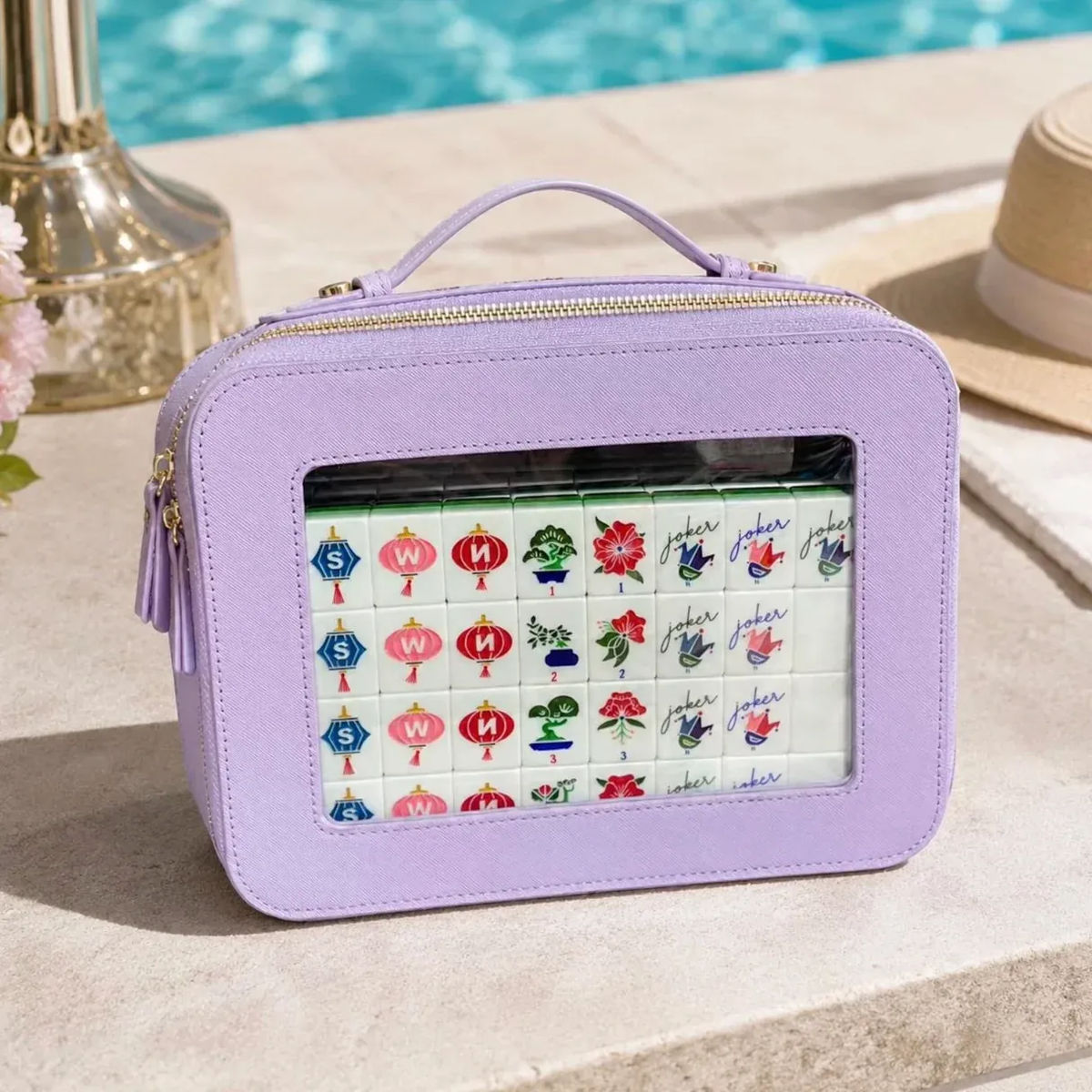
FAQ
Can I play mahjong without a mat?
Technically yes, but not well. Tiles slide on bare tables, games move slowly, and you'll frustrate other players. A mat costs less than one game's dinner cost and is worth it from your first session.
Do I need to buy fancy wooden racks, or will plastic work?
Acrylic or plastic racks work perfectly for beginners and intermediate players. Wooden racks are quieter and feel nicer but cost more and serve the same function. Buy acrylic now; upgrade to wood after your first year if you're still playing weekly.
What if my group doesn't use pushers?
Some casual groups don't use pushers—they just hold tiles in their hand. This is slower and harder on your wrist. We recommend pushers, but ask your group before you buy. All our racks come with pushers, so you'll have them if your group adopts the habit.
Do I need a tile bag if I'm not traveling?
No. If you play at one table and never move your set, a bag is clutter. Buy a bag only if you're hosting at different locations, visiting friends' houses regularly, or taking your set on trips.
Should I buy a 160-tile set or a 144-tile set as a beginner?
American mahjong is always played with exactly 152 tiles. Our 160-tile sets include 152 playing tiles plus spares. Never buy a set smaller than 160 tiles—it won't have enough tiles to play a full game.
Is it better to buy a bundle or buy pieces separately?
Bundles (set + mat + racks + card) are usually better value and matched for color and size. If you already own a mat or racks, buying just a set makes sense. Check the bundle against the individual prices on the product pages to compare.


View More
View More
View More
