
American Mahjong Set: What to Buy & How to Choose
Last updated: Nov 23, 2026
An American mahjong set contains 152 playing tiles (108 suit tiles in Bams, Craks, and Dots; 16 winds; 12 dragons; 8 flowers; 8 jokers) plus extra spare tiles. Sets are sold as 160-tile packages to include spares. Acrylic sets are durable and easy to shuffle; bone-and-bamboo sets offer tradition and weight. Players choose based on aesthetics, budget, and whether they want an all-in-one collection or just tiles. We recommend starting with a best-selling acrylic set if you're new to the game; add a mat and rack as your group grows. Most sets ship in padded boxes and are ready to play out of the box. 🀄 Shop best-selling mahjong sets →
What tiles are actually in an American mahjong set?
American mahjong uses a fixed 152-tile composition: three suits (Bams, Craks, Dots) numbered 1–9, four copies each (108 tiles); 16 winds (four each: North, East, West, South); 12 dragons (four Red, four Green, four White); 8 flowers; and 8 jokers. Every tile serves a role in hands pulled from the current year's National Mah Jongg League card. Jokers act as wildcards—they can replace any missing tile in a hand but cannot be used as a single tile or a pair. You need all 152 tiles and 8 jokers to play a complete game; the spare tiles that come in a 160-tile set are backups for loss or damage.

Why does tile material matter for your game?
Acrylic tiles are lightweight, durable, and shuffle cleanly—they won't chip easily in weekly play and are simple to wipe clean if coffee spills happen. Bone-and-bamboo sets feel heavier and more traditional, with a satisfying click when tiles stack; they're preferred by experienced players but require more care and can develop micro-cracks over years of heavy use. Plastic resin sits between the two: cheaper than acrylic, less authentic-feeling, and prone to wear. Most new players start with acrylic; groups that play daily or semi-professionally often upgrade to bone-and-bamboo. Your choice depends on storage (acrylic fits in smaller bags), budget, and whether your group values authenticity or practicality.
How do engraved designs affect your choice?
Engraved American mahjong sets let you personalize tiles with titles, names, or logos—useful for gifts, club sets, or commemorative games. Engraving is done on acrylic and appears as etched text or imagery on the tile face, visible in daylight and under game lighting. Standard sets have printed or embossed numerals and suit symbols. If you're buying for a specific group (a friend's 50th birthday game, a club's annual tournament), engraving adds meaning without changing gameplay. Non-engraved sets are faster to ship and slightly cheaper; engraved sets require a lead time but arrive as one-of-a-kind pieces. Both work equally well in play.
🎁 See our most-loved mahjong sets & accessories →
What's the difference between a 160-tile set and the standard 152?
A 160-tile set contains the standard 152 playing tiles plus 8 spare tiles (extra jokers and/or blanks). The 8 extra tiles are never shuffled into the game—they sit aside as replacements if a joker is lost, damaged, or if blank tiles are needed for non-standard variants. You always play with exactly 152 tiles and 8 jokers, no more. The 160-tile format is standard in the US market and is what Mahstead sells. This means you get backups from day one, which is practical if your group plays weekly and someone inevitably loses a tile to the couch.
Should you buy a set with a mat and rack together?
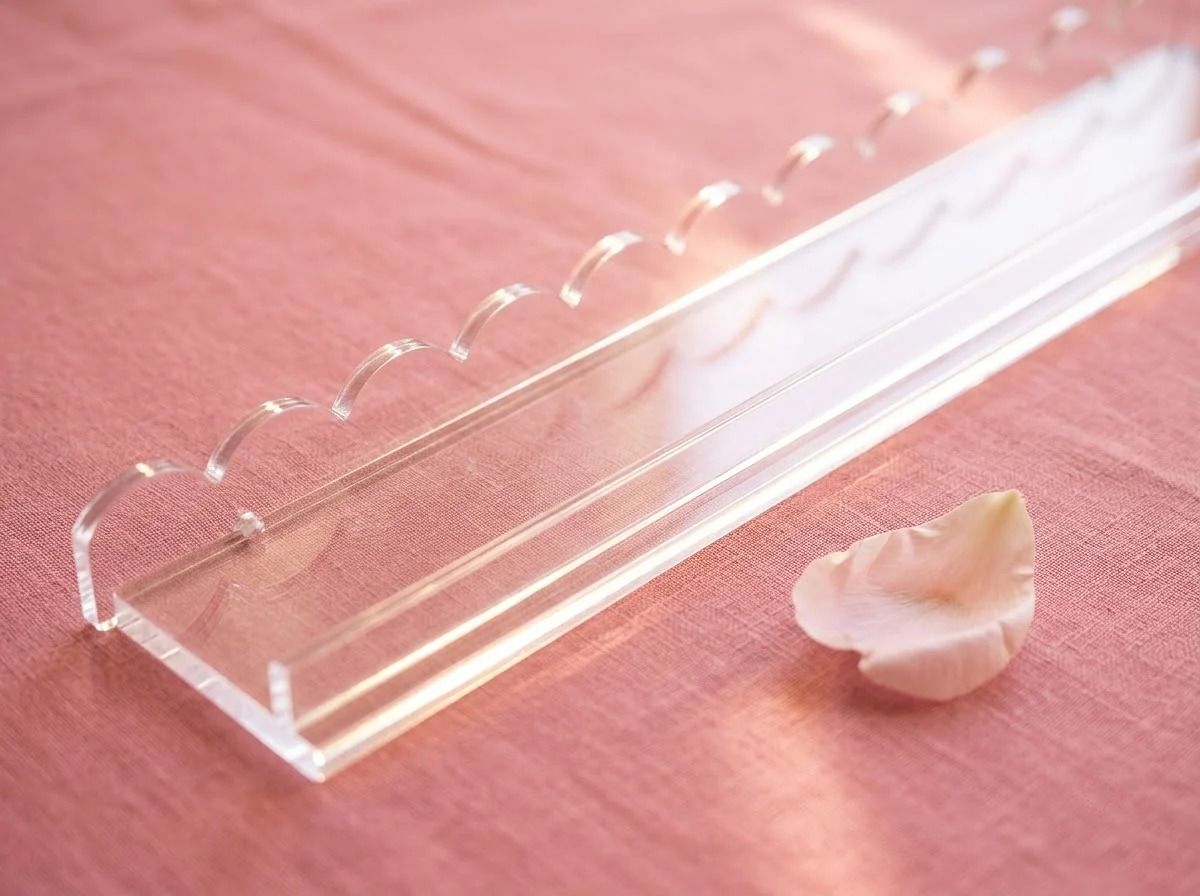
Many players buy a set alone and add accessories later; others prefer a complete package from the start. A mahjong mat protects tiles during play, prevents them from sliding on glass tables, and marks the four player positions and melding zones—essential if you have slippery furniture or play in high-traffic kitchens. Racks with pushers hold your 13 tiles upright so you can see them and manipulate them one-handed, which speeds up play and reduces table clutter. Beginners often skip the rack at first, then add one after a few games when hand management becomes frustrating. A mat is more universally useful—nearly every group benefits from one. Buy the set first, test a few games, then add a mat if your table is slippery or if you're hosting multiple groups.
Accessory | Who benefits most | Timing to buy | Why it matters |
Mahjong mat | Groups playing on glass, tile slipping | Week 1–2 of play | Prevents tiles sliding, marks dealer/player zones |
Racks with pushers | Players with small hands or reading tiles in 13s | After 3–4 games | Speeds melding, reduces hand fatigue |
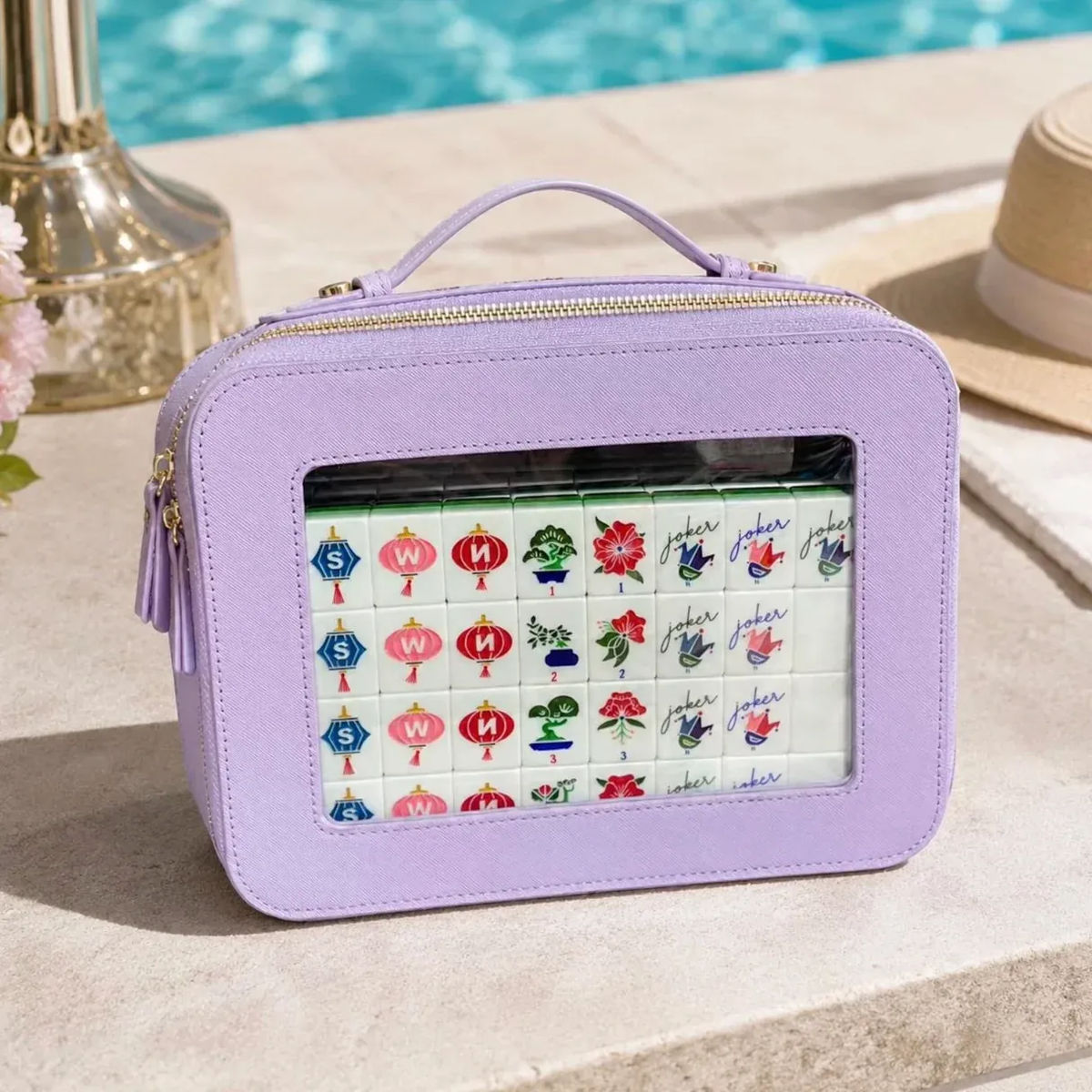
Bag or case | Groups playing at different homes | When you start traveling | Protects tiles and mat from damage in transit |
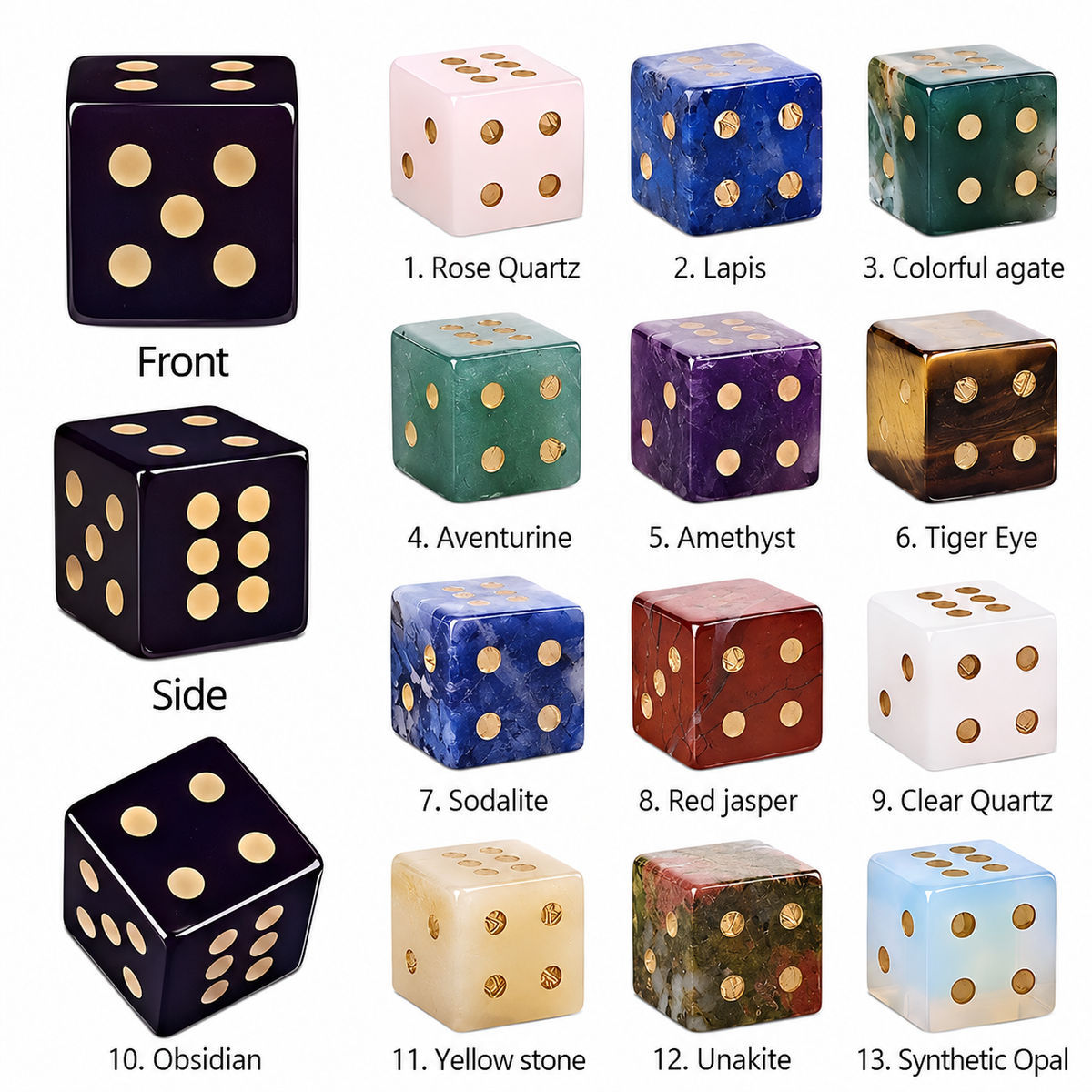
Dice | All games | Already included in most sets | Used to determine dealer and tile draws |
What should you check before ordering a set?
Before buying, confirm: (1) Tile material—acrylic for durability and ease, bone-and-bamboo for tradition and weight. (2) Design preference—engraved for gifts, standard printed for everyday play. (3) Spare tiles—all 160-tile sets include spares; confirm the product page lists that. (4) Weight and case—acrylic sets are lighter and ship in padded boxes; bone-and-bamboo sets are heavier and more fragile in transit. (5) Your game type—if you play American mahjong exclusively, any set works; if you're learning how to play American mahjong, start with a simpler, less expensive acrylic set first. (6) Shipping address—Mahstead ships free across the US; confirm your address is within the continental US or Alaska/Hawaii before checkout. (7) Lead time—custom engraved sets may take longer than stock sets; check the product page for estimated ship dates.
How do you compare sets across price and design?
The best-selling collection shows popular acrylic sets chosen by repeat players, which is a reliable filter for quality and value. Entry-level acrylic sets are the most affordable and ideal for new groups; mid-range sets add color variety or design details; premium engraved sets cost more but work as gifts or club keepsakes. A useful question: "Will we play this set weekly for 2+ years?" If yes, invest in acrylic durability or bone-and-bamboo tradition. If you're testing whether your group will stick with mahjong, start with an entry-level acrylic set from the best-selling list—you can always upgrade later. Engraved sets make sense only if you have a specific purpose (a gift, a club logo, a retirement game). Standard printed sets are faster to receive and let you start playing immediately.
✨ Find your Mahstead set — free US shipping →
What about seasonal or gift-specific sets?
Christmas and holiday-themed mahjong sets are popular gifts for groups that play during winter gatherings. These sets feature festive colors, designs, or custom engravings (e.g., "Jane's 2026 Mahjong Club"). They play identically to standard sets but make the game feel special and are memorable as group gifts. If you're buying for a milestone (a birthday game, an anniversary tournament, a new player's introduction), a holiday or custom-engraved set creates a keepsake. Non-holiday sets are available year-round and ship faster. Consider your timeline: if you need a set in a week, choose a standard set in stock; if you have three weeks and want something personalized, a custom-engraved or holiday set is worth the wait.
What comes in the box and how is it shipped?
Most acrylic sets arrive in a padded cardboard box with the tiles sorted by suit and honor in the original packaging or a compartmented tray. Bone-and-bamboo sets often come in a wooden or plastic case for protection. All sets include dice (used to determine the dealer and the starting wall). A mahjong mat or bag or case, if purchased separately, ship in their own box. Mahstead packages sets to survive US shipping; tiles and cases are wrapped to prevent shifting. When your order arrives, inspect the tiles for obvious damage (though this is rare) and confirm you have all 160 tiles. If a tile is missing or broken, contact Mahstead before your first game. Keep the box and packaging for storage—it's the best long-term protection if you're not using a dedicated mahjong bag or case.
What to check before you buy
Tile count: Confirm it's a 160-tile set (152 playing + 8 spares). Material: Decide between acrylic (durable, light) or bone-and-bamboo (traditional, heavier). Design: Choose standard printed or custom engraved. Accessories: Note whether a mat, rack, or case is bundled or sold separately. Shipping: Verify the product page confirms free US shipping. Lead time: Check estimated ship date, especially for engraved sets. Storage: Plan where the box or a case will live between games.
FAQ
What's the difference between American, Chinese, and Hong Kong mahjong sets?
American mahjong uses 152 specific tiles (Bams, Craks, Dots, winds, dragons, flowers, jokers) and hands from a yearly card; jokers are wildcards. Chinese and Hong Kong mahjong use 144 tiles, no jokers, and different hand rules and scoring. You cannot use a Chinese set to play American mahjong—the tile sets are incompatible. Always buy a set labeled "American mahjong."
Do I need a mat and rack to play?
No, but we recommend adding them after a few games. A mat prevents tiles sliding on smooth tables and marks dealer/player zones. A rack holds your 13 tiles upright, speeding melding and reducing hand fatigue. Both improve play comfort and organization.
Can I mix tiles from two different sets?
Yes, if both are American 152-tile sets with the same suit and honor symbols. Mixing sets with different fonts, colors, or tile sizes makes reading tiles harder at the table, so avoid it if possible.
How do I know if a set is durable enough for weekly play?
Acrylic tiles resist chipping and wear well over 2+ years of weekly play. Bone-and-bamboo tiles develop character with play but can crack if shuffled roughly or dropped. Start with acrylic if durability is your priority; upgrade to bone-and-bamboo after you're confident your group will play long-term.
What's included in a 160-tile set, and why not 152?
A 160-tile set includes 152 playing tiles plus 8 spares (extra jokers and/or blanks). You always play with 152 tiles and 8 jokers; the spares replace lost or damaged tiles during storage or travel. This protects your set's playability over time.
Is an engraved set worth the cost for a gift?
Yes, if the recipient plays mahjong regularly or the set marks a specific occasion (birthday, club anniversary, retirement). Engraved sets become keepsakes. If you're gifting to a beginner, a standard set is a safer bet—you can always upgrade later.
How long does a set last if we play weekly?
Acrylic sets last 5+ years with weekly play if stored in a box or case and tiles are handled gently. Bone-and-bamboo sets last 3–4 years before tiles show visible wear. Jokers wear fastest because they're shuffled constantly; that's why spare jokers in a 160-tile set are valuable.


View More
View More
View More
