
Sichuan Mahjong vs. Siamese Mahjong: Rules & Tile Differences
Last updated: Nov 23, 2026
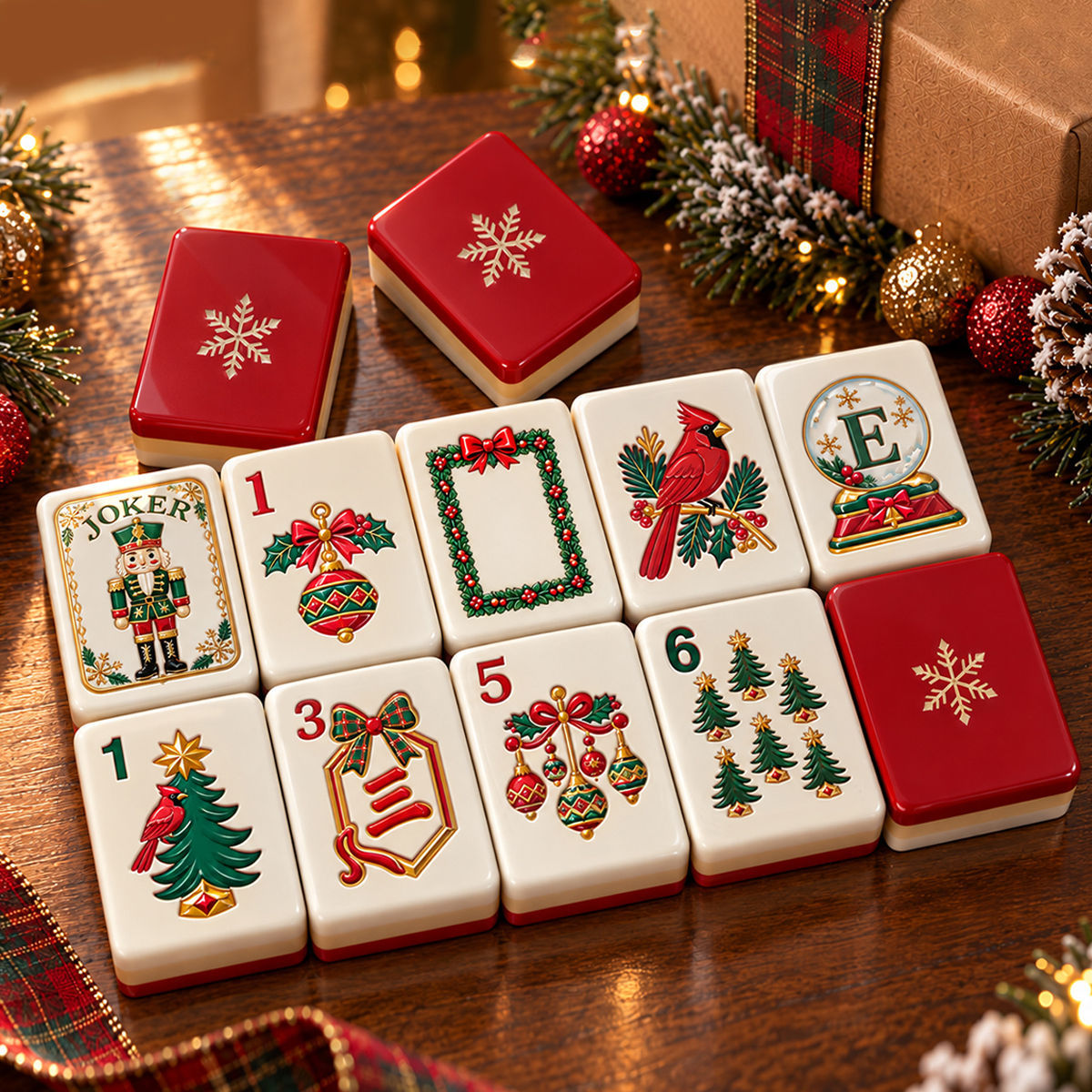
Sichuan mahjong (also called Sichuan "blood combat" or similar local names) and Siamese mahjong are regional Chinese and Southeast Asian variants, each with unique tile sets and hand-forming rules. Sichuan typically uses 108 tiles (Bams, Craks, Dots 1–9 in four copies, plus winds and dragons), while Siamese mahjong also operates on similar traditional 108-tile systems but with distinct suit rankings and payout mechanics. Neither uses the 152-tile American format or the National Mah Jongg League hand card; both rely on memorized traditional hand patterns. Sichuan emphasizes rapid play and specific scoring combinations (often tied to regional betting), whereas Siamese play favors particular tile melds and Kong-heavy strategies. Both are social, regional games played in their home communities and increasingly online, but they require learning separate rule sets entirely—they're not interchangeable with American mahjong, which uses 8 jokers, strict hand charts, and a tile-passing Charleston.
Sichuan mahjong and Siamese mahjong represent two distinct branches of the ancient Chinese game, each adapted for its region's culture and competitive style. If you've played American mahjong and wonder how these cousins differ, the answer is fundamental: tile inventory, hand patterns, and winning mechanics are all different. We host weekly American games here in Dallas and have learned from players who've lived in Asia or played these variants—here's what actually sets them apart, and why choosing the right variant (or set) matters before you sit down.
What tiles does Sichuan mahjong use?
Sichuan mahjong traditionally runs on 108 tiles: Bams, Craks, and Dots numbered 1–9, each appearing four times (108 total), plus Winds (North, East, West, South) and Dragons (usually Red, Green, White). Some Sichuan variants add flowers or honor tiles; others use simplified decks. No jokers or blanks exist in the traditional Sichuan game—every tile is a "real" tile with a defined role. The 108-tile structure is much smaller than American mahjong's 152 tiles plus 8 jokers, which means hand variety is tighter and memorization of winning combinations is central to play.

What tiles does Siamese mahjong use?
Siamese (Thai) mahjong also typically operates on 108 tiles, following the classical Chinese layout of Bams, Craks, Dots, and Winds/Dragons. However, Siamese rules often differ in how those tiles combine and which melds score highest. Some Siamese players use a 144-tile variant (adding extra jokers or blanks), but the core game remains tile-efficient compared to American standards. The visual appearance of Siamese tiles may include Thai script or symbols instead of Chinese numerals, and tournament play often emphasizes speed and specific Kong sequences that differ from Sichuan strategy.
How do hand patterns differ between the two variants?
Sichuan mahjong wins are built around traditional "winning hands" (combinations of Pungs, Kongs, and pairs) that are memorized rather than pulled from a seasonal card. Common Sichuan wins include "all Pungs," "mixed sequences," or specific dragon/wind combinations—each with a fixed point value. Siamese mahjong similarly relies on memorized hands but prioritizes Kong sequences and often features different scoring thresholds; a Kong (four identical tiles) in Siamese play may trigger bonus rounds or multiplied scores that American mahjong doesn't recognize. Neither variant allows the joker substitutions that are central to American mahjong, so tile exactness is stricter. If you've only played American mahjong, the shift to either Sichuan or Siamese requires relearning which patterns pay and how to read scoring tables specific to each region.
Aspect | Sichuan Mahjong | Siamese Mahjong | American Mahjong |
Tile count | 108 (traditional) | 108–144 (regional variants) | 152 + 8 jokers |
Jokers | None | Few or none | 8 (essential to play) |
Hand source | Memorized regional patterns | Memorized regional patterns | Current year's NMJL card |
Winning mechanic | Draw/Discard + memorized Pung/Kong combos | Draw/Discard + Kong bonuses | Draw/Discard + card-listed hands only |
Scoring | Fixed per region (betting-based) | Fixed per region | Point-based per hand type |
Speed | Fast, high turnover | Fast, competitive | Moderate (more calculation) |
Script/design | Chinese numerals (often) | Thai script (often) | English/numerals (American sets) |
🀄 Shop best-selling mahjong sets →
Why do players choose one variant over the other?
Sichuan mahjong appeals to players who grew up in southwestern China or have family ties to the region; it's associated with rapid social play, gambling culture, and regional pride. Players value the speed and simplicity of having only 108 tiles and no jokers—setup is faster, and the learning curve for hand patterns is fixed once you memorize them. Siamese mahjong attracts Thai players, Southeast Asian communities, and those seeking a middle ground between Chinese regional play and organized league formats; it's often seen in Thailand, Cambodia, and Vietnamese diaspora communities. American mahjong, by contrast, appeals to Western players, organized clubs, and those who value the structure of an annual hand card and the social ritual of the Charleston. Choosing between them depends on your community, family background, and whether you want memorized traditional hands or an annually refreshed card system.

Can you play Sichuan or Siamese mahjong with an American set?
Technically, yes—if your American set has 152 tiles (typically Bams, Craks, Dots, Winds, Dragons, Flowers, and 8 Jokers), you have all the core tiles Sichuan or Siamese play requires. However, American sets are designed around jokers and the annual NMJL card; they often include English numerals, Western-facing designs, or engraved house rules. To play Sichuan authentically, you'd set aside the jokers and flowers, then memorize Sichuan hand patterns instead of consulting the NMJL card—essentially ignoring most of what the American set offers. Many players find it easier to buy or borrow a dedicated 108-tile Sichuan or Siamese set because the tile face design, numeral style, and scoring chart are optimized for that variant. If you're hosting both American and Sichuan games, owning best-selling American mahjong sets from our curated collection plus a separate traditional set keeps everyone happy and the learning curve honest.
Where can you find or learn Sichuan and Siamese mahjong?
If you're in a region with significant Chinese or Southeast Asian populations—major US cities, diaspora neighborhoods, or online—you'll find Sichuan and Siamese communities through local cultural centers, temples, community centers, or gaming meetup boards. Many players learn from family or older members of their community rather than formal lessons; YouTube tutorials and regional Facebook groups also teach rules and hand patterns. Online platforms (app-based, web-based) often feature Sichuan and Siamese options alongside other Asian variants. To start, search your city for "mahjong club" or "Chinese cultural center" and ask directly whether they host Sichuan or Siamese games; many also welcome curious American mahjong players if you're willing to learn. Local libraries and community colleges sometimes offer introductory sessions or recommend nearby groups.
🎁 See our most-loved mahjong sets & accessories →
What to check before you buy a Sichuan or Siamese set
If you decide to invest in a dedicated Sichuan or Siamese set, verify these details:
Tile count: Confirm the set has exactly 108 tiles (or 144 if you want a variant) before ordering.
Numeral style: Check whether numerals are in Chinese, Thai, Arabic, or a mix—match your community's preference.
Scoring chart: Many Sichuan/Siamese sets include a laminated hand-pattern chart or scoresheet; make sure it matches the rule variant played in your region (Sichuan can vary by city; Siamese has multiple local rules).
Tile material: Bamboo and bone, acrylic, or plastic—confirm durability matches your play frequency.
Jokers or blanks: Traditional sets avoid jokers; newer variants sometimes add them. Clarify whether you need them for your group.
Language on case or instructions: Ensure any printed guide is readable in a language your group uses.
If you're an American mahjong player curious about Sichuan or Siamese play, our best-selling collection focuses on American sets—but the principles of choosing durable, well-designed tiles apply to any variant. A quality set, whether American or regional, pays for itself in years of play.
✨ Find your Mahstead set — free US shipping →

FAQ
Is Sichuan mahjong the same as Chinese mahjong?
No. Chinese mahjong is a broad term covering many regional variants. Sichuan mahjong is one regional style from southwestern China, known for fast play and specific hand patterns. Other Chinese regions (Guangdong, Shanghai, Beijing) each have distinct rules and scoring.
Can I learn Siamese mahjong if I only know American mahjong?
Yes, but it requires relearning hand patterns, scoring, and Kong mechanics. The tile basics (Bams, Craks, Dots, Winds, Dragons) overlap, but winning hands and strategy are entirely different. Most players benefit from learning alongside someone fluent in Siamese rules.
Do Sichuan and Siamese mahjong use the same hand patterns?
No. While both rely on traditional Pungs and Kongs, the specific combinations that win and their point values differ. Sichuan emphasizes regional betting rounds; Siamese often highlights Kong sequences and multiplier bonuses. Always confirm which variant your group plays before memorizing hands.
What's the main advantage of playing Sichuan or Siamese instead of American mahjong?
Fewer tiles (108 vs. 152), no jokers to track, and faster rounds. If you grew up with or have family ties to either variant, it's culturally natural and often played in your community. American mahjong suits organized clubs and the annual card system.
Where can I buy a Sichuan or Siamese mahjong set in the US?
Online retailers specializing in Asian games, Amazon, eBay, or local Chinese/Thai import shops stock them. For American mahjong sets engineered specifically for North American play, explore Mahstead's best-selling collection—we offer free US shipping.
If I play Sichuan mahjong, do I still need a Charleston before each round?
No. Sichuan play typically begins with a wall break and draw; there's no formal tile-passing ritual like American mahjong's Charleston. Some casual Sichuan games may add house rules, but the Charleston is distinctly an American convention.


View More
View More
View More
