
How to Play Sanma Mahjong: Rules & Setup Guide
Last updated: Nov 23, 2026
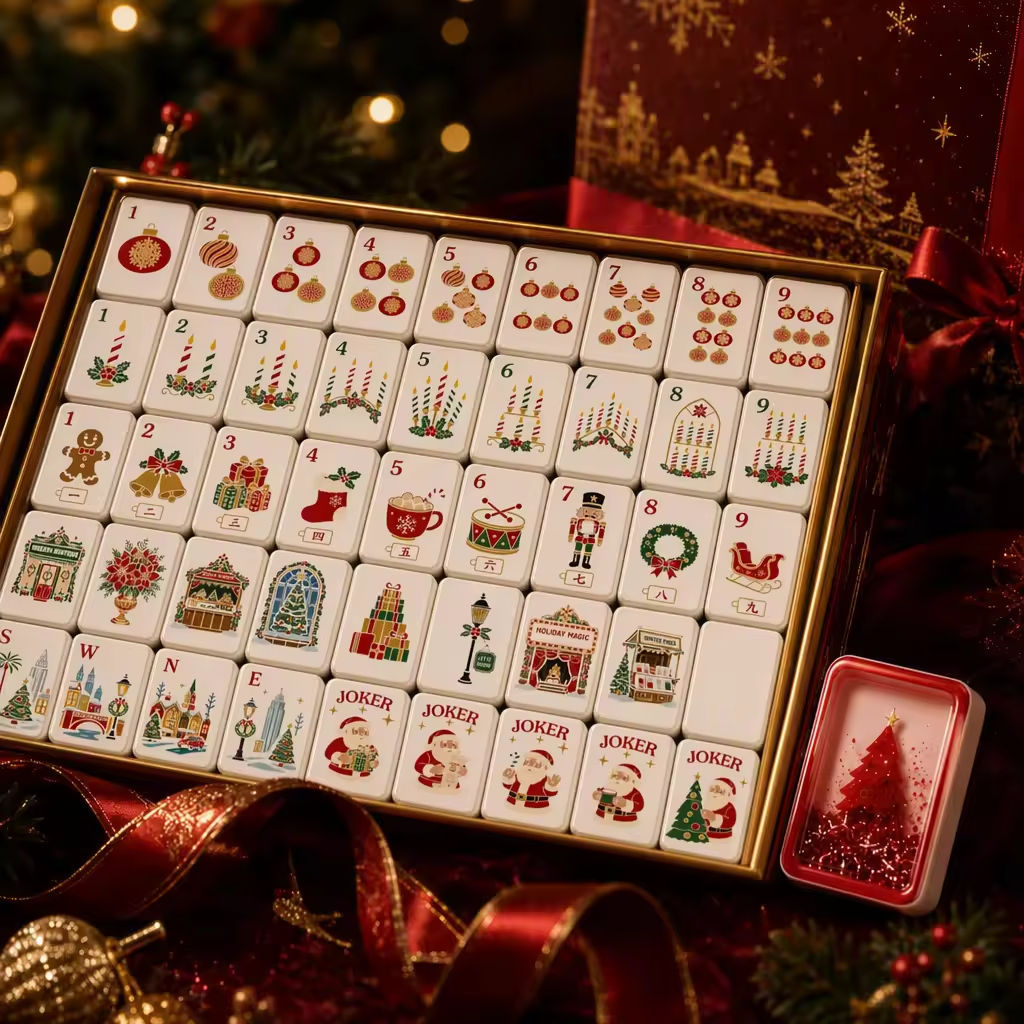
Sanma is a three-player mahjong game originating in Japan that removes all 5 Dots and 5 Craks from a standard 152-tile set, leaving 136 tiles plus jokers. Players draw from a 108-tile wall and aim to complete a winning hand (usually pung/kong combinations and a pair) within a faster, tighter game than four-player variants. A round typically lasts 20–30 minutes. Scoring differs from American mahjong; sanma uses a points-per-hand system where the winner collects from all two opponents rather than each paying separately. The faster pace and three-way competition make sanma popular in Japan's arcade halls and home clubs. If you play American mahjong regularly, sanma will feel both familiar and refreshingly different—the hand shapes are simpler, the tile draw is quicker, and the psychological pressure of facing only two rivals changes table dynamics significantly.
Why remove 5 Dots and 5 Craks?
Removing these two tiles creates a 136-tile playing field that distributes evenly among three players (each draws 13 tiles per round; wall holds 108). In four-player mahjong, every player holds 13 tiles and the wall holds 108 tiles (with 8 jokers sitting aside). Removing the 5s reduces the total and forces tighter hand-building logic—fewer tile combinations mean fewer "dead" draws and faster decisions. The 5 Dots (which shows as a small bird on many tile sets) and 5 Craks are traditionally excised because they appear in fewer classical winning patterns anyway. This mechanic keeps sanma games brisk and emphasizes reading your opponents' discard patterns over lengthy tile hunts.

How does the wall and draw work in sanma?
In sanma, the 108-tile wall is divided among the three players. Dealer (East) sits opposite the wall, draws first, and leads play; players take turns drawing the single live tile from the wall's end, just as in four-player games. When the wall runs low, the game ends—there is no dead wall and no kong-draw cycle as in American mahjong. Each player holds 13 tiles at the start. Draw order matters strategically: if you sit at the position where you draw last in each cycle, you have more information about discarded tiles and can adjust your strategy. West player (dealer) draws 14 tiles on the first turn, then each player draws 1 until the wall empties or someone wins. The game stops if the wall exhausts before anyone melds a winning hand—that round is a draw.
What hands win in sanma?
Sanma winning hands are usually called tenpai—a hand one tile away from completion. A standard win consists of four melds (pung, kong, or sequence) plus a pair, totaling 14 tiles; however, regional rules vary. In Japanese sanma, a chitoitsu (seven pairs) and a kokushi (honors only) also count as wins. Unlike American mahjong, which relies on the official yearly card, sanma hands are more fluid and region-specific. A pung is always three identical tiles (e.g., three 3 Bams); a kong is four identical. Sequences (1–2–3, 4–5–6, 7–8–9 of one suit) are called chow and are allowed in sanma—this is a major difference from American mahjong, where chows cannot be exposed or called. Jokers in sanma can substitute for any tile in a meld but cannot be used as a single tile or as a pair, similar to American rules.
🀄 Shop best-selling mahjong sets →
How does sanma scoring differ from four-player mahjong?
Sanma uses a settlement system where the winner's hand score is paid by both losing players, not split among four people. This means payouts per hand are larger and pressure is higher when you're behind. American mahjong scoring (if you play that variant) is based on the yearly card and tiles exposed; sanma scoring is usually based on point values assigned to each tile or hand pattern, with regional systems (Riichi, Hong Kong, Taiwanese) using different multipliers and fan counts. A basic sanma round pays the winner points equal to: (base value) × (number of losers) × (multiplier for hand complexity). Because only three players share risk, even small hands pay more than they would in four-player games—this can surprise newcomers used to American mahjong's fixed-value hands. Most home sanma games use a simple 1–4 point scale per tile plus bonus points for honors and dragons; keeping a scorecard during the round prevents disputes.

How to adapt your four-player mahjong set for sanma
If you own a standard 152-tile American mahjong set, you can play sanma by removing one copy each of the 5 Dots and 5 Craks before shuffling and building the wall. Bag up those two tiles and set them aside so they don't get mixed back in. Some players prefer to remove all eight tiles (both 5 Dots and both 5 Craks), leaving exactly 144 tiles for play plus jokers, to ensure no accidental reintroduction mid-game. A few online sources recommend removing additional copies if you're mixing high-joker sets or older tiles. The simplest approach: remove 2 tiles, play a test round, and adjust if the wall length feels wrong. If you play sanma regularly with the same group, consider a dedicated sanma set with the 5s pre-removed—they're less common than four-player sets but exist as specialty imports. Alternatively, keep your full set intact and use a mahjong mat with markers for the wall so setup is faster and you can focus on the three-player strategy instead.
🎁 See our most-loved mahjong sets & accessories →
Regional rule variations in sanma
Japanese sanma (the most common form) uses riichi (declaring a ready hand) and can include bonus payments for self-draws and "winning off someone's discard." Hong Kong and Taiwanese sanma add a limit hand system where the highest-scoring hand (such as all honors) pays a flat fixed amount rather than accumulating points. Some regions allow the winner to choose whether to collect from one player or split payment among both losers—this creates table-talk moments unique to three-player games. Before sitting down with a new group, confirm the scoring system and whether riichi is in play. Many home sanma games drop the riichi rule to simplify play for Western newcomers, focusing instead on basic meld-building and hand timing. Always agree on your house rules in writing (or screenshot a rule summary) so no one disputes a payout after the hand ends. If your group enjoys deep regional rules, explore online communities or sanma rulebooks; if you prefer simplicity, stick to basic melds plus points.
What You'll Need
Item | Why for Sanma | Best Choice |
Mahjong set (152 tiles) | Start with full set; remove 5 Dots and Craks | Best-selling collection includes standard four-player sets |
Mahjong mat | Defines wall layout, scores, and card holder | Browse mats for three-player markings |
Racks with pushers | Organizes your 13 tiles and speeds play | Racks & pushers fit any tile size |
Travel bag (optional) | Keeps set + mat safe if you host rotations | Durable cases for frequent movers |
Scorepad | Tracks payouts quickly (no disputes) | Standard paper works; some mats include score boxes |
Before your first sanma night: a checklist
Confirm tile removal: Remove one 5 Dots and one 5 Craks (or two of each if your group prefers 144-tile play).
Set scoring rules in writing: Agree on base points per tile, fan/limit multipliers, and who collects from whom.
Decide on riichi: Will ready-hand bonuses apply? Confirm before shuffling.
Check your dealer order: Three players = one sits out each hand (often called the "break player"). Rotate dealer clockwise or decide in advance.
Run one practice hand: Play a dummy round without betting so everyone understands flow.
Prep your scorecard: Create columns for each player and rows for each hand; settle accounts at the end of the session, not mid-play.
Have a tiebreaker rule: If two players finish with the same hand simultaneously, decide who wins (usually the player whose turn it was first).
✨ Find your Mahstead set — free US shipping →

FAQ
Can I play sanma with a standard American mahjong set?
Yes. Remove one copy each of the 5 Dots and 5 Craks before play, bag the removed tiles, and set up normally. Your wall will have 108 tiles instead of 112, which distributes evenly across three players.
What if my group wants to play sanma often—should I buy a dedicated set?
Not necessary if you remove tiles carefully each time. If you host weekly, a dedicated sanma set saves setup time, but most players simply use their four-player set and pre-remove the tiles in under two minutes.
Is sanma played with sequences (chows) like Chinese mahjong?
Yes, sequences (1–2–3 of one suit, for example) are valid melds in sanma and can be called or exposed. American mahjong does not allow chows to be exposed, so this is a key difference if you're switching variants.
How long does a sanma round take compared to four-player?
Sanma rounds typically last 20–30 minutes because the wall depletes faster with three players and discards accumulate quicker. Four-player American mahjong rounds usually run 30–45 minutes.
What if the wall runs out and no one has won?
That round is a draw (called a mangan in some regions). No one pays; players add up current melds and discard. Rotate the dealer position and begin the next hand. Some groups award a small consolation point to the player closest to winning.
Which mahjong variants are easiest to switch to from American mahjong?
Sanma is a good bridge because tile count and pung/kong logic are familiar; you're mainly learning new hand patterns and scoring. Hong Kong and Taiwanese variants add layers of complexity; Riichi (Japanese) adds the riichi-ready-hand system but keeps hand shapes similar to sanma.


View More
View More
View More
