
Malaysian Mahjong vs. Siamese Mahjong: Key Differences Explained
Last updated: Nov 23, 2026
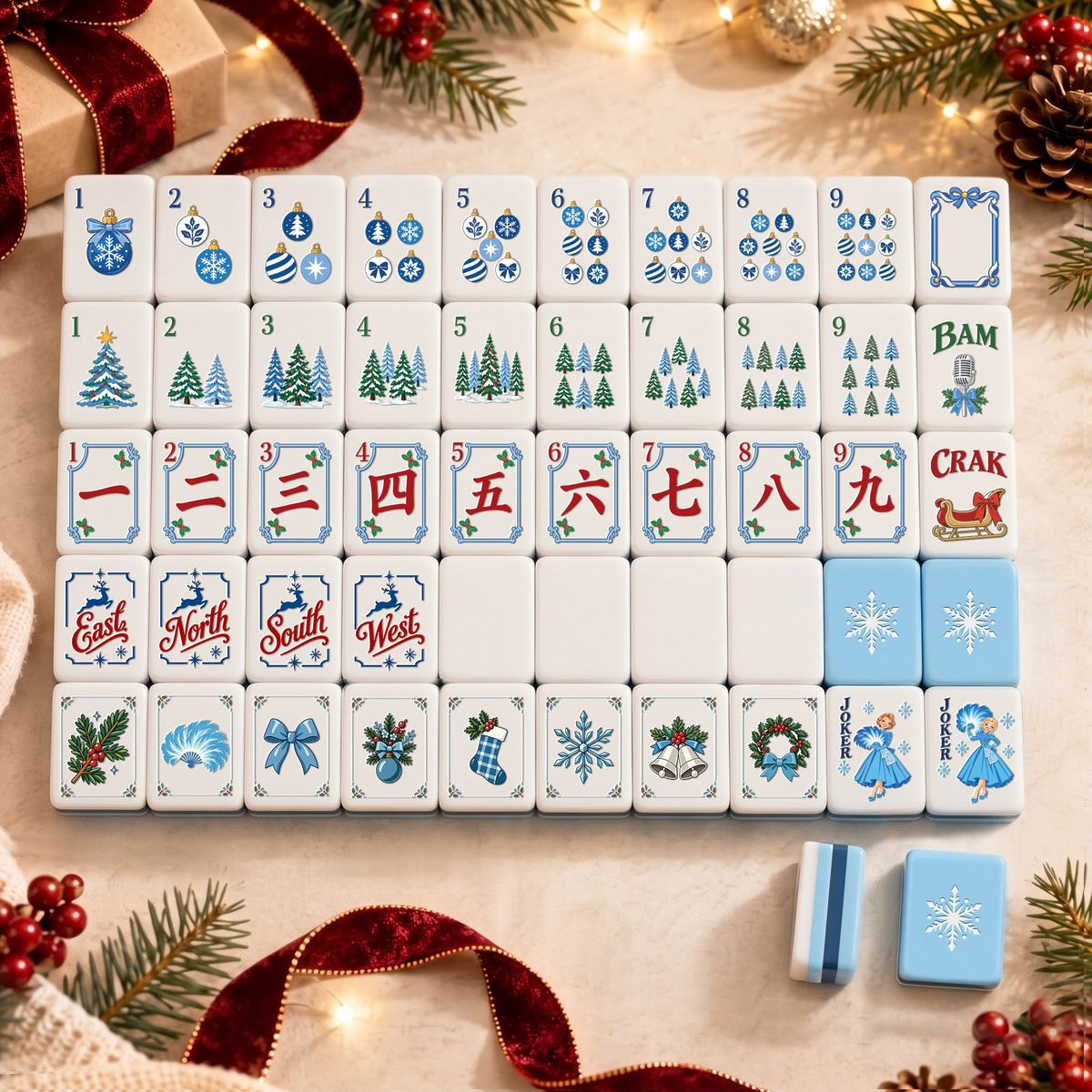
Malaysian mahjong uses 144 tiles (1–9 in three suits, honors, and flowers); Siamese mahjong uses 108 tiles with a simplified structure and no flowers. Both are draw-and-discard games played with four players, but Malaysian hands follow printed pattern cards like American mahjong, while Siamese hands form from fixed combinations (like Chinese). Malaysian games typically last longer and require strategy and card-reading; Siamese games move faster with fewer pattern options. Neither variant is played with American mahjong's 152-tile sets or jokers. If you already play American mahjong, switching to either requires learning new tile inventories and hand logic—neither is a direct fit for U.S. sets.
What is Malaysian mahjong?
Malaysian mahjong is a 144-tile draw-and-discard variant played in Malaysia and parts of Southeast Asia. Players form hands from printed pattern cards (similar to American mahjong's yearly card), which include sequences, sets, and honor combinations. Each hand specifies which tiles and formations score—pure sequences, mixed sequences, pairs, or triplets. Games support four players sitting around a table. Rounds progress through the Charleston (tile exchange), wall draw, and discard phases, with players attempting to complete their declared hand first. The 144-tile inventory includes suits 1–9, winds, dragons, and flower tiles. Scoring is calculated per hand value on the card, with winner-takes-all or chip-based settlement common in casual play.

How does Siamese mahjong differ from Malaysian mahjong?
Siamese mahjong uses only 108 tiles—one suit (1–9) appears in four copies each, plus honors (winds and dragons) in four copies, but no flowers. This smaller set means fewer hand options and faster gameplay. Unlike Malaysian mahjong's reliance on printed pattern cards, Siamese hands are fixed by rule (e.g., "three pungs and one pair," "two sequences and two pungs"), resembling Chinese or Hong Kong mahjong structure. Malaysian games can run 30–60 minutes per round; Siamese rounds often finish in 15–25 minutes. Malaysian play emphasizes card strategy and hand memorization; Siamese play rewards speed and observation. Siamese is considered more accessible for beginners because fewer pattern combinations exist, but Malaysian attracts players who enjoy the complexity of reading multiple card sections.
Which variant plays more like American mahjong?
Malaysian mahjong is closest to American mahjong in spirit—both rely on a printed card system that defines legal hands, require players to read card sections, and reward memorization and planning. Both use flowers and similar honor tiles. However, American mahjong's 152-tile set (including jokers) is larger and plays with eight jokers; Malaysian mahjong uses 144 tiles with no jokers. American hands are exposed (pungs, kongs, quints, sextets visible at table); Malaysian hands are built in rack until complete. Siamese mahjong shares none of American mahjong's card dependency—it follows fixed rule-based patterns instead. If you're comfortable with American mahjong card strategy but want a regional challenge, Malaysian is the natural bridge. Siamese requires mental retraining because there's no card to lean on.
Tile set and inventory comparison
Aspect | Malaysian | Siamese | American |
Total tiles | 144 | 108 | 152 (plus 8 jokers) |
Suits | Three (1–9 each) | One (1–9 only) | Three (1–9 each) |
Winds | Four (N, E, W, S) | Four (N, E, W, S) | Four (N, E, W, S) |
Dragons | Three types | Three types | Three types |
Flowers | Yes (8 tiles) | No | Yes (8 tiles) |
Jokers | None | None | Eight (always in play) |
Hand dependency | Printed card | Fixed rules | Printed card (current year) |
Malaysian's 144-tile count sits between Siamese's 108 and American's 152, reflecting more complexity than Siamese but less joker chaos than American play.

Can you play Malaysian or Siamese with a standard American mahjong set?
No. American mahjong sets (160 tiles total, 152 in play) include jokers and are calibrated for American patterns and exposure rules. Malaysian and Siamese games have no jokers and require exact tile counts and inventories that don't match U.S. sets. Attempting to use American tiles for Malaysian or Siamese mahjong will create imbalances—you'll have tiles left over or missing ones needed for valid draws. If you want to play Malaysian or Siamese mahjong regularly, you'll need to source sets designed for those variants, typically from specialists in Malaysia, Thailand, or online retailers focused on Asian games. American mahjong players visiting or hosting international nights should plan ahead: either learn American mahjong using American-standard tile sets or coordinate with visitors to agree on one variant before game night.
🀄 Shop best-selling mahjong sets →
Which variant should you play?
Choose Malaysian mahjong if you already play American mahjong and want a strategic challenge that uses printed cards and floral tiles. You'll recognize the card-reading system and enjoy comparing hand patterns across regions. Choose Siamese mahjong if you prefer faster games with less pattern memorization—rounds move briskly and rules are simpler, making it ideal for casual groups or players new to mahjong. If you're starting from scratch and live in North America, American mahjong is the practical entry point: sets are widely available, online tutorials abound, and weekly groups meet regularly in many cities. Malaysian and Siamese variants reward travel or diaspora community connections—seek out local clubs in Malaysian or Thai neighborhoods, or online communities focused on those games. Your choice depends on available partners, time commitment, and whether you want complexity (Malaysian) or speed (Siamese).
What to check before you buy
If you're committed to Malaysian or Siamese mahjong, verify:
Tile count and inventory: Confirm the set matches 144 (Malaysian) or 108 (Siamese) tiles exactly.
Character encoding: Ensure tiles display correct Chinese/Malaysian/Thai script if you need language-specific symbols.
Card source: For Malaysian play, confirm pattern cards are current and regionally accurate (Malaysia-standard, not Hong Kong).
Shipping and returns: International shipping can delay arrival; check the seller's policy before ordering.
Player availability: Confirm you have a consistent four-person group before investing in a full set.
For American mahjong, Mahstead's best-selling collection stocks 160-tile acrylic sets with quality engraving and free U.S. shipping—a proven foundation for weekly games.
🎁 See our most-loved mahjong sets & accessories →
Playing both variants at the same table
Some international game groups host mixed nights, rotating between American, Malaysian, and Siamese mahjong to keep players engaged. This requires:
Separate tile sets: Never mix inventories—keep sets in labeled bags and cases to avoid errors.
Clear rule cards: Print or display the current card (American or Malaysian) and rule summary (Siamese) so all players know which variant is active.
A caller: Designate someone familiar with each variant's scoring and hand validity to verify wins and settle disputes.
Scheduling: Announce the night's variant in advance so players can review rules and bring the right set.
Mahstead's mahjong mats and racks with pushers work across all variants because they're tile-agnostic tools designed for four-player games.
✨ Find your Mahstead set — free US shipping →

FAQ
Is Malaysian mahjong harder than Siamese mahjong?
Yes, Malaysian mahjong is more complex because players must memorize and read dozens of hand patterns from a printed card each game. Siamese mahjong uses fixed rules with fewer combinations, so it's faster to learn but less strategically deep. American mahjong players typically find Malaysian mahjong familiar and accessible.
Can I play Malaysian mahjong with three players?
Malaysian mahjong is designed for four players. Some players adapt it for three by modifying wall size and hand draws, but this changes hand probability and strategy. Check local club rules if you're considering three-player Malaysian; Siamese and American variants have formal three-player rules published by their respective organizations.
Do Malaysian or Siamese mahjong sets include jokers?
No. Both variants use only natural tiles (no jokers). American mahjong is the only common variant that includes eight jokers as standard playing tiles. If a Malaysian or Siamese set includes jokers, they're extras for damaged tile replacement, not for play.
Where can I find Malaysian or Siamese mahjong sets?
Seek sets from retailers specializing in Southeast Asian games, major online marketplaces with sellers in Malaysia or Thailand, or diaspora communities in larger North American cities. Verify tile count and inventory before purchase. For American mahjong, Mahstead offers 160-tile acrylic sets with free U.S. shipping.
How do Malaysian mahjong pattern cards differ from American mahjong cards?
Both use printed cards to define legal hands, but Malaysian cards are designed for 144-tile play and reflect regional preferences (e.g., emphasis on flower bonuses, different sequence weights). American cards change yearly and include joker integration rules. The layout, patterns, and scoring structure differ significantly—never use an American card for Malaysian play.


View More
View More
View More
