
American Mahjong Rules: Complete Guide for Four-Player Games
Last updated: Nov 23, 2026
American mahjong is a four-player tile game using 152 tiles drawn from three suits (Bams, Craks, Dots numbered 1–9), 16 winds, 12 dragons, 8 flowers, and 8 jokers. The game unfolds in rounds: players pass tiles through the Charleston, then draw and discard in turn order until someone completes a legal hand from the current year's National Mah Jongg League card. Hands consist of melds (exposed sets of identical tiles or joker combinations) plus a concealed pair, and may include kongs, pungs, quints, or sextets—never sequences. You can play with a standard 160-tile acrylic set from best-selling mahjong sets; a game typically lasts 20–40 minutes per hand. Scoring depends on your hand type and who paid you, calculated after verification against the card. Mistakes most often happen when players confuse suit symbols, forget joker restrictions, or misread the card pattern—all avoidable with practice and clear tile labeling.
What exactly are the four player positions?
In American mahjong, the four seats are East, South, West, and North—also called the dealer, and three opponents. East position rotates clockwise after each hand; the player in East position acts first to discard, then play moves South, West, North. Your position determines the order of the Charleston tile pass and who pays whom if you win. The dealer (East) collects payments from all three players if she wins; if an opponent wins, East pays double.
How does the Charleston tile-passing ritual work?
The Charleston explained is a mandatory pre-game exchange where all four players pass tiles right, then left, then back right. Each player gives three tiles facedown to the player on their right without looking; you then receive three tiles from your left neighbor. The Charleston serves to disrupt the tile shuffle and give players agency in their opening hand. After the Charleston, East draws 14 tiles, and the other three draw 13 each; play then begins with East discarding one tile.
🀄 Shop best-selling mahjong sets →
What makes a legal American mahjong hand?
A legal American mahjong hand must appear on the current year's National Mah Jongg League card and contain exactly 14 tiles. The hand is built from melds: pungs (three identical tiles), kongs (four identical tiles), quints (five identical tiles), or sextets (six identical tiles)—plus one concealed pair (two identical tiles). Jokers can substitute for any single tile within a pung, kong, quint, or sextet, but never in a pair or as a single exposed tile. All four exposures (the meld "positions" on the card) must match the tiles you hold; you verify against the card before announcing your hand. A common mistake is trying to use a sequence like 1–2–3 Dots, which is forbidden in American mahjong; chows only exist in Chinese variants.
How do I know which hand to chase from the card?
Before play starts, you study the card and choose one hand that matches your opening tiles and joker count. As the game progresses and you draw new tiles, you may switch to a different hand or stay with your first choice. The card lists hands by section (like "Like Numbers," "Consecutive Run," "Pair Hands") and shows each hand as four melds plus a pair, with numbers and symbols. When deciding which hand to chase, ask yourself: Do I already have two of the pair? How many tiles in my first two melds do I hold? Can I get the third meld easily by discarding strategically? New players often chase too many hands at once; pick the one closest to completion and revise only if the discards change dramatically. The card is your contract—once you declare a win, your tiles must match the card hand exactly.
Scenario | Best Strategy | Why It Works |
You hold a pair + one meld completed, third meld half done | Chase that hand; discard tiles from other melds | Highest probability of completion in fewest draws |
You hold two pungs with no pair yet | Switch hands if a better pair appears in the discard | Pairs are hardest to draw; adapt quickly |
You see three tiles of your needed pair in the discard | Abandon that hand immediately | Odds of drawing the fourth tile are near zero |
You're holding an unrelated mix of high dragons | Wait through the first two rounds before committing | Early rounds reveal safer hand paths |
What are the rules for calling and winning?
When you complete a 14-tile legal hand from the card, you announce "Mah jongg" immediately and show your tiles. You cannot play concealed—your melds must be called as you expose them during play (except the final pair, which stays hidden until you win). When any player discards a tile that completes your exposed meld, you call "Pung," "Kong," "Quint," or "Sextet" and take that tile; the discarder stops, and your turn is next. If you draw the tile you need from the wall, you simply say "Mah jongg" and reveal your hand. Jokers are placed on top of the tile they substitute within a meld so the discarder knows what was replaced. A hand with eight jokers is riskier because visible jokers telegraph your strategy—opponents may avoid discarding tiles that would help you.
How do payout and scoring work?
American mahjong scoring varies by hand type and who paid. The card assigns each hand a point value (typically 2 to 9). If the East player (dealer) wins, each of the three other players pays him the point value. If a non-East player wins from a discard by East, East pays double the point value; if a non-East player wins from a discard by another non-East player, both non-East and East pay the winner the point value. If you draw your winning tile from the wall (a "self-draw" or "dead wall draw"), all players pay you. Scoring disputes are rare if you always verify your hand against the current card before announcing the win. A hand that doesn't appear on the card or uses a joker in a pair is void—you must retract it, and the game continues.
What tiles are in a standard American mahjong set, and do I need a special mat or rack?
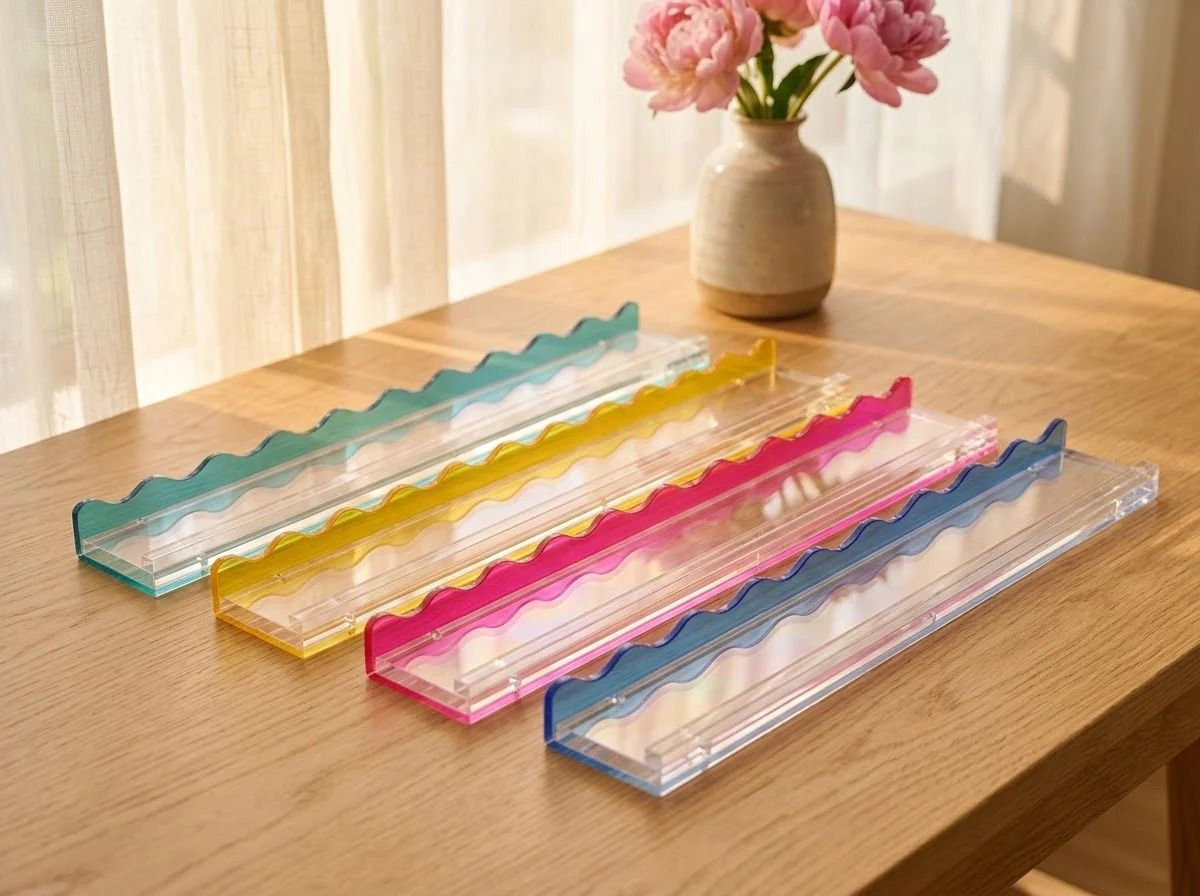
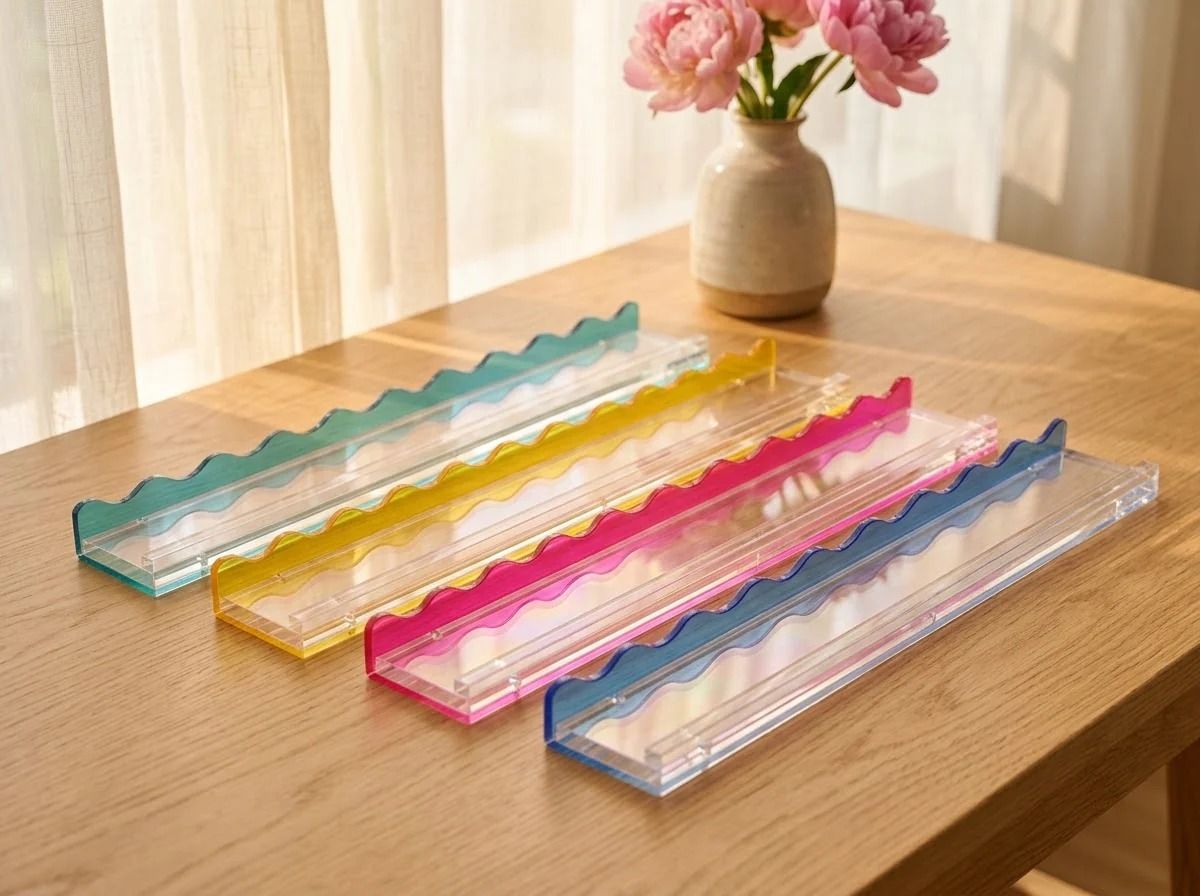
A standard American mahjong set contains 152 playing tiles: 36 Bams, 36 Craks, 36 Dots, 16 winds, 12 dragons, 8 flowers, and 8 jokers. You'll also want mahjong racks with pushers to hold your tiles neatly and hide them from opponents; pushers let you slide tiles into and out of the rack without lifting them, keeping your hand organized and plays fair. A mahjong mat marks the four player zones and discards area, preventing tiles from sliding and making cleanup quick. Neither a mat nor racks are legally required, but they're nearly universal in weekly home games because they reduce argument and speed up play. If you travel to a friend's game, bring your own racks and mat—not everyone shares the same setup comfort level.
🎁 See our most-loved mahjong sets & accessories →
What happens if I misread the card or play an illegal hand?
If you announce "Mah jongg" and your tiles don't match a valid hand on the card, you've made a "busted hand" and must retract it. Some groups allow a retraction with no penalty; others fine you a point. The most common mistakes are: confusing suit symbols (especially Bams and Craks), forgetting that jokers can't sit in a pair, or misreading whether a hand allows duplicate melds. Before you announce, re-verify by running your finger down the card section and checking each meld against your tiles. If a discarder questions your exposure, stop and recount aloud so everyone agrees. Most disputes are resolved by a quick second opinion from a third player—not egos, just accuracy.
What's the difference between American mahjong and Chinese or Hong Kong mahjong?
American mahjong uses only the current year's National Mah Jongg League card, so hands never change mid-game and are identical for every game worldwide. Chinese and Hong Kong variants allow hand patterns based on memorized rules (no card needed) and include chows (sequences like 1-2-3), which American mahjong does not. American mahjong pungs are always three identical tiles; Chinese mahjong requires visible melds but also allows concealed melds and different hand calculations. Riichi and Taiwanese mahjong add scoring layers and honor tiles with unique roles. If you're learning American mahjong, stick with the card system and avoid comparing hand patterns to other variants—they're separate games with different logic. The card is your single source of truth.
Before you buy a set, ask yourself:
Do I play once a week or once a month? Weekly players often invest in engraved sets; casual players do well with a best-selling mahjong set to start.
Will I travel with this set? If yes, choose a mahjong bag or case to protect tiles and accessories.
Do I want racks? They're not required but are strongly recommended for fair play and speed.
Is this a gift?Engraved mahjong sets with personalized tiles or clever sayings are thoughtful and functional.
Am I hosting a holiday game?Christmas mahjong sets add festive flair.
✨ Find your Mahstead set — free US shipping →

FAQ
Can I use tiles from any mahjong set, or does it have to match the card?
Any standard American set with clear, readable tiles works. The card doesn't require specific tile artwork—it lists numbers and suit names (Bam, Crak, Dot, wind, dragon) you must match to the physical tiles you draw. Clarity matters most; if tiles are worn or faded, errors increase.
What happens if four of the same tile are already discarded before I need one?
You can't draw a tile that's already been played, so your hand becomes impossible to complete. Discard toward other hands on the card and wait for the next round.
Is it ever okay to have more than one pair in my hand?
No. An American mahjong hand is always one pair plus four melds (pung/kong/quint/sextet). If you hold two pairs, you're holding 15 or more tiles and are in violation.
If I call a pung on someone's discard, do I have to expose all my other melds too?
No. You expose only the pung (the meld that included the discard). Your other melds and pair stay hidden until you win or call another meld later.
Can a joker replace the pair, or can my pair contain one joker and one regular tile?
No and no. Jokers cannot sit in a pair under any rule variant of American mahjong. Your pair must be two identical tiles with no jokers.
If I'm East (dealer) and another player discards the tile I need, do I still pay if I win from that discard?
No. If another player discards your winning tile, that player pays you (or all pay if you drew from the wall). East pays double only if East discards to an opponent who wins.
How do I know if my tile is a Bam or a Crak if the artwork is tiny?
Bams traditionally show a circular bamboo pattern or a bird; Craks show a spiral or character; Dots show circles. A quality set from a maker like Mahstead uses clear, large artwork so you never confuse them mid-game.


View More
View More
View More
