
Cute Mahjong Pushers: Design Guide & What to Buy
Last updated: Nov 23, 2026
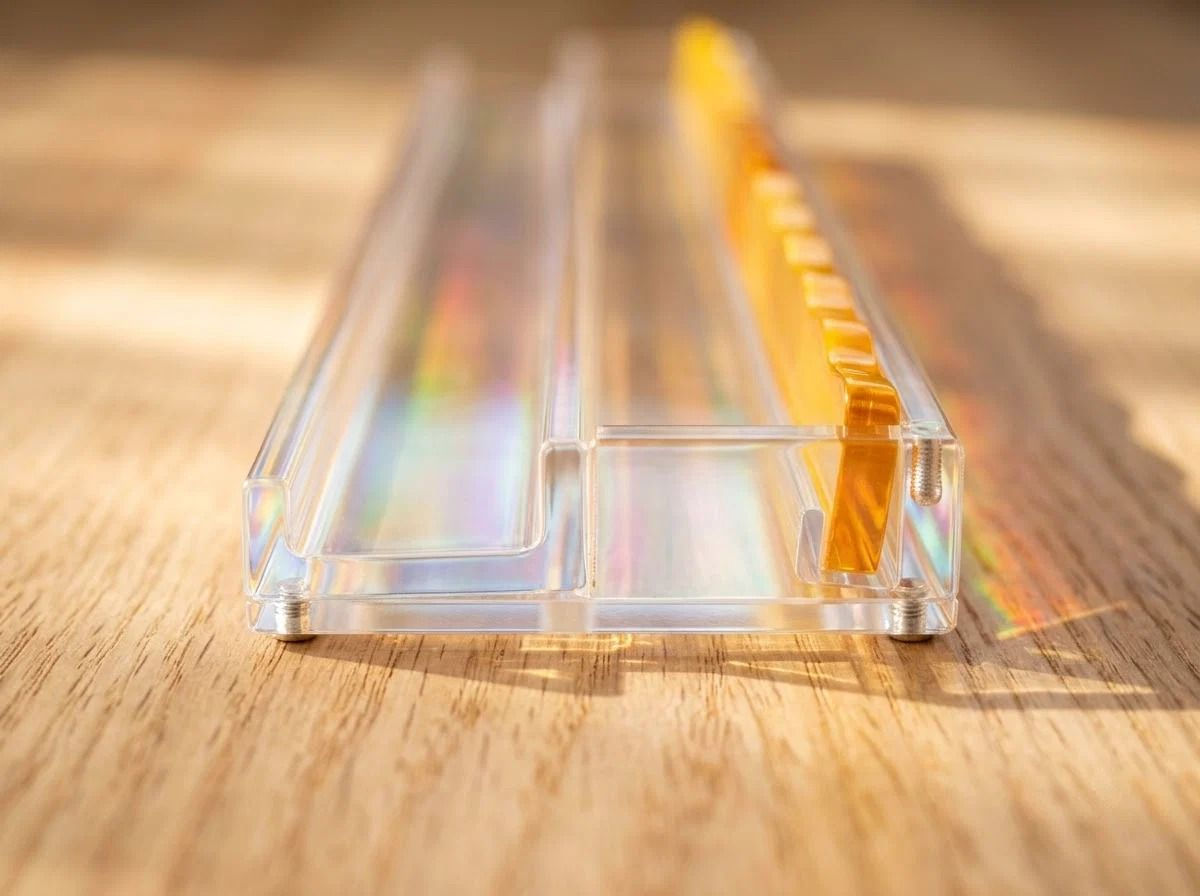
A cute mahjong pusher is a handheld tile-pushing tool—usually 4–5 inches long—that helps you slide tiles smoothly from your rack onto the table. Pushers come in solid colors, carved designs, novelty shapes (animals, symbols, puns), and engraved patterns. They're typically made from acrylic, bone, bamboo, or wood. A pusher's "cuteness" is subjective: some players love minimalist pastels or metallics; others want humor (chess pieces, food shapes) or cultural motifs (dragons, birds, flowers). Most pushers cost modestly and pair with a full rack-and-pusher set, which lets all four players push tiles uniformly. Quality pushers have smooth, beveled edges so they don't catch tiles or scratch your acrylic set. Buy from sellers who photograph the actual product and list materials clearly; avoid overly thick or brittle pushers that break easily during long games. 🀄 Shop mahjong racks with pushers →
What makes a mahjong pusher "cute"?
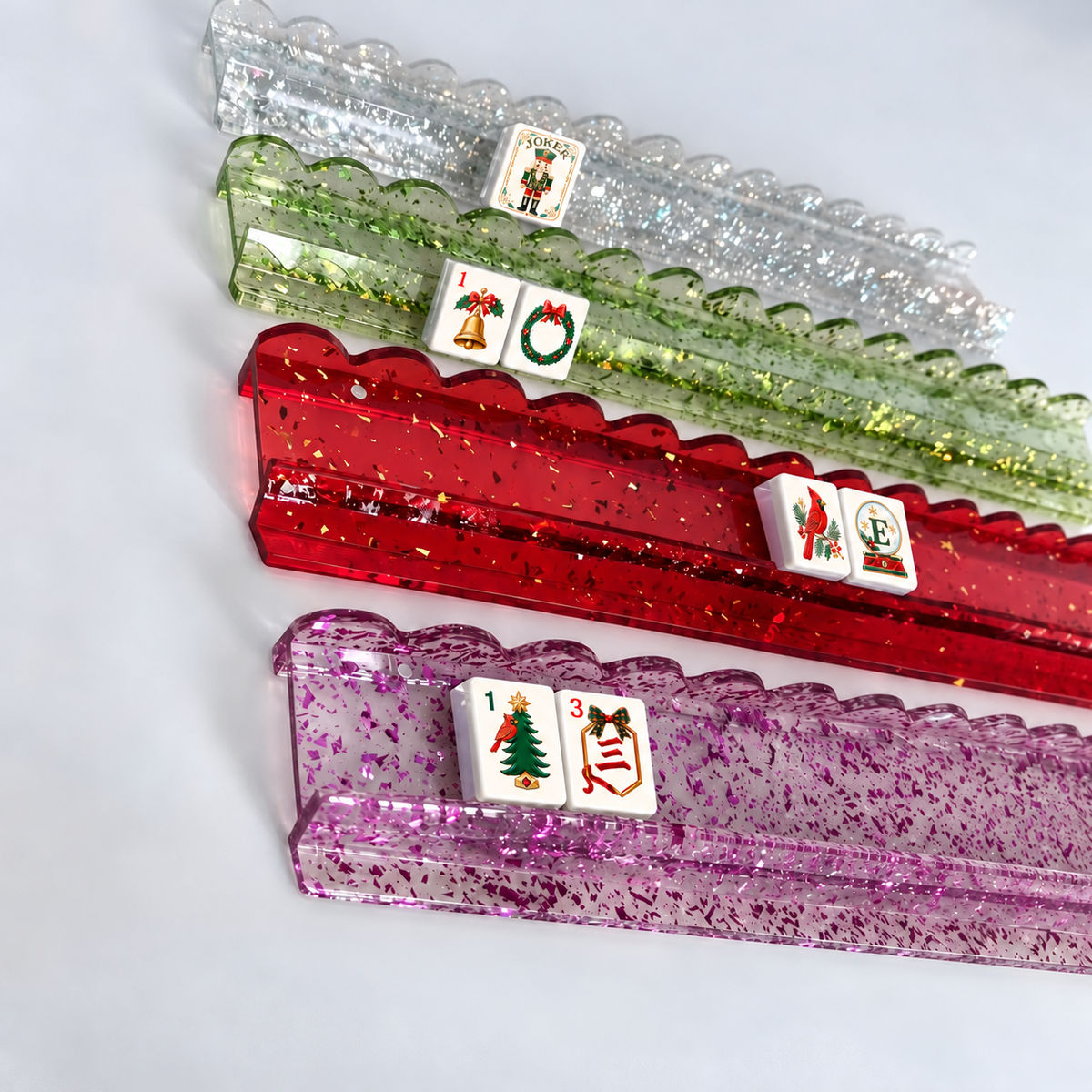
Cuteness in a pusher depends on personal taste and table culture. Some of us love understated elegance—soft pastels, matte finishes, or brushed metallics—while others seek playful humor or thematic flair. Engraved designs (florals, bamboo, initials, club names) add sophistication; novelty shapes (animal heads, chess pieces, fruit) bring levity. Cultured pushers often reflect the player's heritage or in-group jokes. The best cute pusher is one you'll actually want to hold for four hours straight, so ergonomics matter as much as looks.

Which pusher styles work best at the table?
Solid-color and minimalist pushers are most practical: they slide tiles cleanly without snagging, last through hundreds of games, and complement any tile set. Novelty pushers with carved protrusions or rough edges can catch on acrylic tiles or snag felt mats, slowing play. Engraved designs sit flush and feel premium but require careful storage to avoid chipping. Character-themed pushers (especially those with protruding features) work well for casual home games but may frustrate tournament players who value speed. Paired sets—where all four players hold matching or color-coordinated pushers—create visual harmony and make the table feel intentional, not mismatched.
Material comparison table:
Material | Durability | Ease of Slide | Cuteness Potential | Best For |
Acrylic | High | Excellent | Modern, colorful | All-purpose |
Bone | Very high | Smooth | Traditional, elegant | Serious players |
Bamboo | Moderate | Good | Natural, organic | Casual home games |
Wood (carved) | High | Good | Artisanal, detailed | Collectors & aesthetes |
Resin (novelty) | Varies | Variable | High, character-driven | Fun, low-stakes groups |
Should you buy individual pushers or a set?
If you already own a mahjong rack with pushers, a single cute replacement pusher costs less and lets you customize your hand. If you're hosting or starting a game from scratch, a matched four-piece pusher set ensures consistency, speeds tile-pushing, and photographs beautifully. Sets also come bundled with racks, so you get everything at once. Single pushers are perfect for gifting or experimenting with a style; sets suit serious players who host weekly and want uniformity. Check whether the set includes racks; many don't.
How do you choose a pusher that pairs with your tile set?
Complement, not match. If your tiles are bold acrylic with bright colors (blues, pinks, metallics), pair with a solid or engraved pusher in a tonal accent—silver with jewel tones, rose gold with pastels. If your tiles are classic engraved sets with traditional imagery, choose a pusher with similar motifs or a neutral wood finish. Clear or frosted pushers work with any tile set. Avoid pushing tiles with a pusher that's busier or brighter than your tiles; it becomes a distraction. Check photos side-by-side on product pages before ordering. The goal is harmony, not competition.

What to check before you buy a cute pusher.
Material: Is it acrylic, bone, bamboo, or resin? Look for durability ratings or customer notes about chipping or warping.
Dimensions: Pushers typically measure 4–5 inches. Measure your hand span; too short and you'll overshoot, too long and it'll slide off the rack.
Edge finish: Beveled, smooth edges glide; rough or raised edges catch tiles. Zoom in on photos or read the product description.
Set vs. single: Single pushers cost less but look mismatched if other players use plain racks. Sets ensure uniformity.
Shipping & packaging: Cute pushers sometimes arrive loose or chipped. Quality sellers pack them in padded sleeves or boxes. Free US shipping is standard.
Returns policy: If a pusher is too small, doesn't slide smoothly, or chips in transit, can you return it? Check before ordering.
How does pusher style affect gameplay?
Smooth, unadorned pushers let you push tiles at game speed without hesitation. Novelty pushers with detail may slow you down slightly if a teammate is learning or if the table prefers a relaxed pace. Engraved pushers are just as fast as plain ones—the design is surface-level, not structural. Color-coordinated sets create a psychological effect: everyone feels on the same team, and misdeals or hesitations stand out clearly. A cute pusher that makes you smile before each game may reduce tension and deepen enjoyment, especially during a long night or competitive week.
Where to see pusher options before committing.
Most reputable mahjong sellers photograph pusher sets in use—on racks, in hands, pushed into tiles. Look for close-ups showing edge detail and material texture. Read product titles and descriptions for material and dimensions. Browse the best-selling mahjong sets to see which pusher bundles other players favor; popular picks status often signals reliability. If you're in a local mahjong club or online community, ask members for recommendations and photos from their own tables—unfiltered, real-world feedback is invaluable.
🎁 See our most-loved mahjong sets & accessories →
Budget tiers: what to expect.
Entry-level plain pushers (solid acrylic, minimal detail) are the most affordable and the most universally practical. Mid-range novelty or lightly engraved pushers cost a bit more and add personality without sacrificing function. Premium hand-carved or high-detail design pushers, or those made from bone or rare wood, reflect artisan labor and natural material costs. Sets—because they include four pushers plus racks—cost more than individual pushers but give you a complete ecosystem for a full table. As a hosting player, a matched set is an investment that lasts years and justifies itself through weekly games.
✨ Find your Mahstead set — free US shipping →
FAQ
Can I use a cute novelty pusher in a tournament?
Most tournaments allow novelty pushers as long as they're not breakable, don't damage tiles, and don't slow play. Check the venue rules beforehand; some favor plain pushers for consistency.
Do engraved pushers wear out faster than plain ones?
No. Engraving is surface-level and doesn't weaken the material. A well-made engraved pusher lasts as long as any other if cared for.
How many pushers do I need?
Four—one per player. If you're the host and play every week, having a matched set keeps things cohesive. Guests can bring their own or use yours.
What's the best material for a pusher I'll use constantly?
Acrylic or bone. Both slide smoothly, resist wear, and forgive heavy use. Novelty resin pushers can chip; wood may splinter with age.
Can I engrave a plain pusher myself?
Yes, if you have access to an engraver. Many pushers are acrylic and take engraving well. Work with a professional to avoid cracking the material.
Should the pusher match my tile set or my mat?
Ideally, both—or at least complement one. A matched aesthetic signals intention and makes the table photo-worthy. But prioritize match with tiles; the mat is secondary.


View More
View More
View More
