
Bakelite vs Wooden Mahjong Tiles: Which to Buy
Last updated: Nov 23, 2026
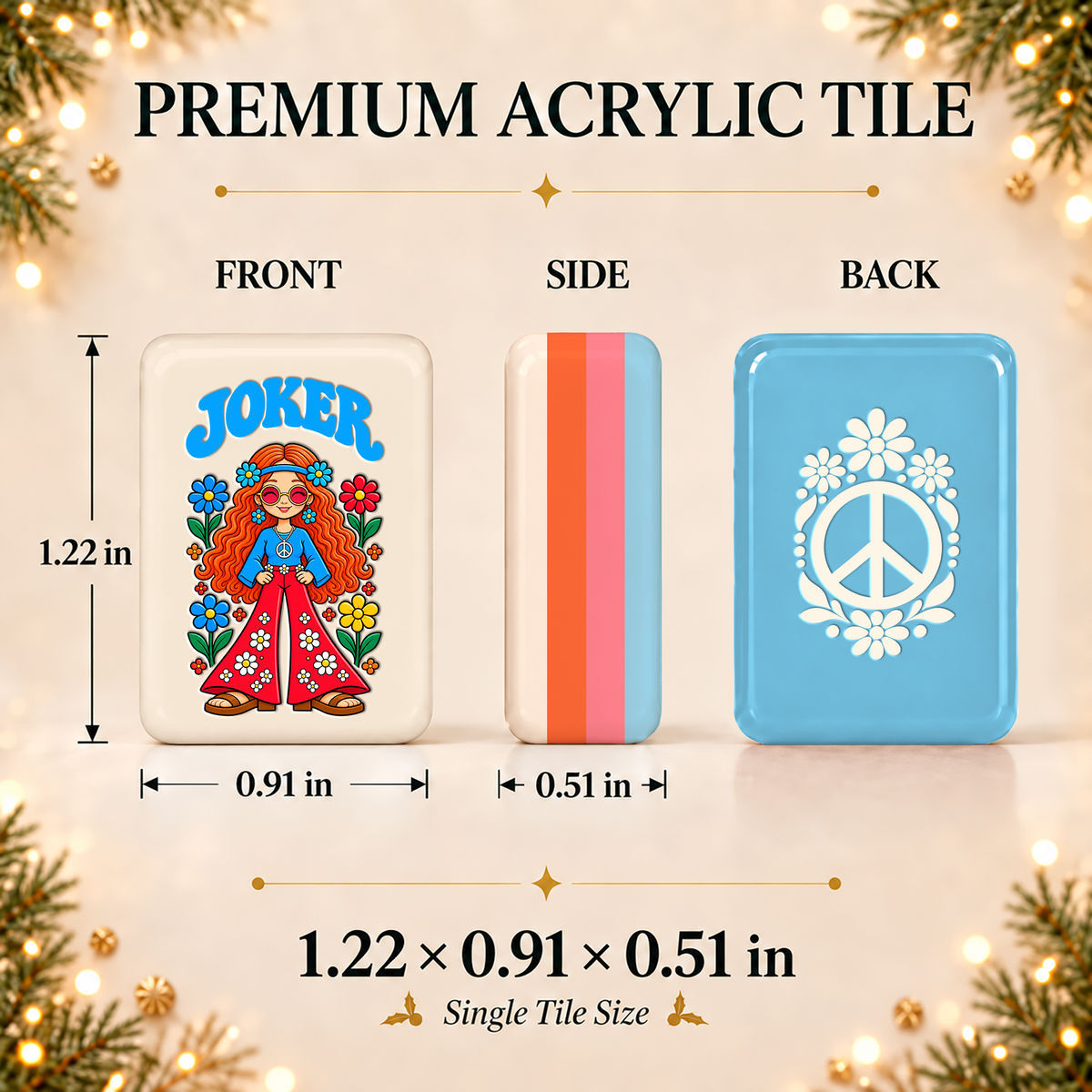
Bakelite tiles are injection-molded plastic composites that feel smooth, resist moisture, and stay flat for decades; wooden tiles are carved from bamboo or hardwoods, offering warmth and traditional aesthetics but requiring care to prevent warping. Bakelite dominates American mahjong clubs because it handles humidity, casual spills, and heavy shuffling without degradation, while wooden sets appeal to collectors and players who value tactile heritage. Bakelite tiles typically outlast wooden ones in active play, especially in humid climates or high-traffic settings. Cost and maintenance differ sharply: bakelite demands minimal upkeep; wood needs climate control and occasional oiling. Mahstead offers engraved American mahjong sets in both materials, with customization options that preserve the practical strengths of each.
What exactly is bakelite and why does it dominate tournaments?
Bakelite is a thermoset plastic invented in the early 1900s—durable, heat-resistant, and impervious to moisture. In mahjong, bakelite tiles are cast or injection-molded in one piece, then screen-printed or engraved with suit symbols. Tournament players and weekly game hosts prefer bakelite because it resists humidity-induced warping, tolerates shuffling and knocking without chipping easily, and remains consistent across thousands of hands. Bakelite tiles feel heavier and more deliberate than plastic alternatives, creating the satisfying clack sound serious players expect. They also resist staining and odor absorption—critical in rooms where food and drink circulate. The downside: bakelite can feel cold compared to wood, and once cracks appear, repair isn't practical. Bakelite tiles suit high-traffic households, humid climates, and players who prioritize longevity over tactile tradition.

Why do some players insist on wooden tiles?
Wooden tiles—traditionally carved from bamboo or hardwood like jujube—carry centuries of mahjong heritage. The grain, warm tone, and satisfying weight create a tactile experience that many collectors describe as irreplaceable. Each wooden tile feels unique; no two grains are identical. Wood produces a softer, warmer sound than bakelite, which some players prefer for relaxed social games. Wooden sets are often chosen as heirloom gifts or by players reconstructing classic Chinese or Hong Kong sets. However, wood demands respect: humidity causes tiles to swell or warp; temperature swings create gaps; and oils from hands and spills can stain or damage the finish. Wooden sets require storage in climate-controlled spaces, occasional gentle cleaning with a barely damp cloth, and sometimes oiling to maintain finish. Wood suits collectors, heritage-focused players, and those in stable, low-humidity climates.
🀄 Shop best-selling mahjong sets →
How do bakelite and wood differ in real-world gameplay?
The table reveals the critical trade-offs:
Aspect | Bakelite | Wooden |
Durability in play | Survives heavy shuffling, stacking, and knocking without visible wear for 10+ years | Susceptible to chipping on edges; grain can splinter with aggressive shuffling |
Moisture resistance | Fully resistant; safe near spills and humid rooms | Swells, warps, and stains if exposed to moisture; requires immediate drying |
Weight & feel | Heavier, solid; consistent hand-to-hand | Lighter, warmer; each tile feels subtly different |
Sound | Sharp, satisfying clack | Softer, muted tock; more mellow |
Tactile feedback | Smooth, cool, polished | Textured grain; natural irregularities |
Maintenance | Wipe with dry or barely damp cloth; store in any room | Store in climate-controlled space; wipe with barely damp cloth only; oil finish yearly |
Long-term cost | One purchase lasts 20+ years with zero upkeep | May require restoration or replacement within 10 years if played actively |
Aesthetic appeal | Modern, uniform, engraving-friendly | Traditional, artistic, heirloom-quality |
We host weekly games year-round, and humidity shifts are inevitable. Bakelite tiles remain perfectly flat; wooden tiles in the same room sometimes develop a slight warp by spring. Neither is "better"—they serve different priorities.

What should you check before choosing your material?
Start with these five questions:
Where will you play? If indoors with climate control and low turnover, wood is feasible. If your game room sees seasonal humidity swings, food, or casual use, bakelite wins.
How often will you shuffle? Weekly active play favors bakelite; occasional social games tolerate wood better.
Do you value tradition or durability? Tradition → wood; durability → bakelite.
Who are your players? Serious hosts with consistent groups often choose wood; clubs and casual hosts choose bakelite for simplicity.
What's your climate? Humid regions (Southeast US, coastal areas, summer-heavy play) strongly favor bakelite. Dry climates support wood if you're disciplined about storage.
Once you've answered, check the best-selling mahjong sets to compare specific options in each material. Mahstead's engraved sets allow you to customize either material with initials, team names, or personal designs—preserving the functional strengths of bakelite or the heirloom appeal of wood.
🎁 See our most-loved mahjong sets & accessories →
Can you mix bakelite and wooden tiles in the same set?
No—mixing materials creates game-breaking inconsistencies. Wooden tiles weigh slightly less and feel different, disrupting the shuffling rhythm and creating subtle bias in draws. Serious players notice immediately. If you're replacing damaged tiles in a wooden set, you must source matching wood tiles from the same era and carver; likewise, replacement bakelite tiles must match the original resin formula and print quality. Many long-time players who own wooden sets from decades past eventually switch to bakelite for active play and reserve the wooden set for display or occasional nostalgia games. This dual-set approach—one for use, one for heritage—is more common than trying to extend a wooden set indefinitely through mismatched repairs.
What's the real cost difference and how does it affect long-term value?
Bakelite and wooden sets often carry similar upfront prices, but lifetime cost diverges sharply. A bakelite set purchased today will likely still be play-ready in 2040 with zero maintenance and zero replacement costs. A wooden set requires climate-controlled storage, occasional oiling, and potential tile replacement or restoration within 10–15 years of active play. In practice, a household hosting weekly games will spend less total over time with bakelite. Collectors who treat wooden sets as investments may spend more upfront for aged or rare wood sets and less on maintenance, viewing them as appreciating assets rather than consumables. When browsing engraved American mahjong sets, compare the material type carefully; Mahstead's acrylic offerings combine the durability of bakelite with modern engraving precision, making them a reliable middle ground for hosts who want customization without compromise.
✨ Find your Mahstead set — free US shipping →
What to check before you buy
Material certification: Confirm whether your set is solid bakelite, acrylic, composite, or wood. Product pages should state this clearly.
Humidity in your region and game room: Bakelite if you're in the Southeast or any humid climate; wood only if you have a dedicated dry storage space.
Usage pattern: If you play 2+ times per week, bakelite is safer. Occasional play (monthly) can tolerate wood if stored properly.
Replacement-tile availability: Bakelite sets from manufacturers like Mahstead are easier to source replacements for; rare wooden sets may become irreplaceable.
Engraving or personalization: Bakelite and acrylic accept engraving more cleanly; wood can be engraved but may splinter at fine detail boundaries.

FAQ
Will bakelite tiles yellow or become brittle over time?
Early phenolic bakelite could yellow, but modern formulations resist discoloration. Brittleness isn't common in acrylic or high-quality bakelite if stored away from direct UV and extreme heat. Wood, conversely, may darken naturally or crack with age.
Can I restore old wooden mahjong tiles?
Minor surface stains can be cleaned with a barely damp cloth and air-dried flat. Deep cracks or warping are irreversible; some collectors send wooden sets to craftspeople for refinishing, but this is expensive and reduces originality. Bakelite tiles cannot be reliably restored once cracked.
Do bakelite tiles absorb odors like wooden ones?
No. Bakelite is non-porous and resists odor absorption. Wooden tiles absorb tobacco, food, and perfume smells permanently; this is one reason serious hosts prefer bakelite in public or social settings.
How can I tell if a set is true bakelite or cheap plastic?
True bakelite tiles feel substantial and sound crisp when stacked; they're heavier than generic acrylic. Cheap plastic sets sound hollow and feel thin. Check the product page or ask the seller directly about resin type and wall thickness.
What's the weight difference between bakelite and wooden tiles?
A standard bakelite tile weighs roughly 8–10 grams; wooden tiles weigh 6–8 grams. This difference is noticeable when shuffling but won't affect casual play. Tournament players notice weight variation within a wooden set itself because grain density varies.
Can I use protective covers or storage cases to preserve wooden tiles?
Yes. Cloth-lined cases or bags reduce moisture and dust exposure. Store in a cool, dry closet or shelf, never near radiators, windows, or basements. Even with protection, active wooden sets deteriorate faster than bakelite. Consider mahjong bags and cases designed for protection.


View More
View More
View More
