
American Mah Jongg Practice Exercises: Drills to Speed Up Play
Last updated: Nov 23, 2026
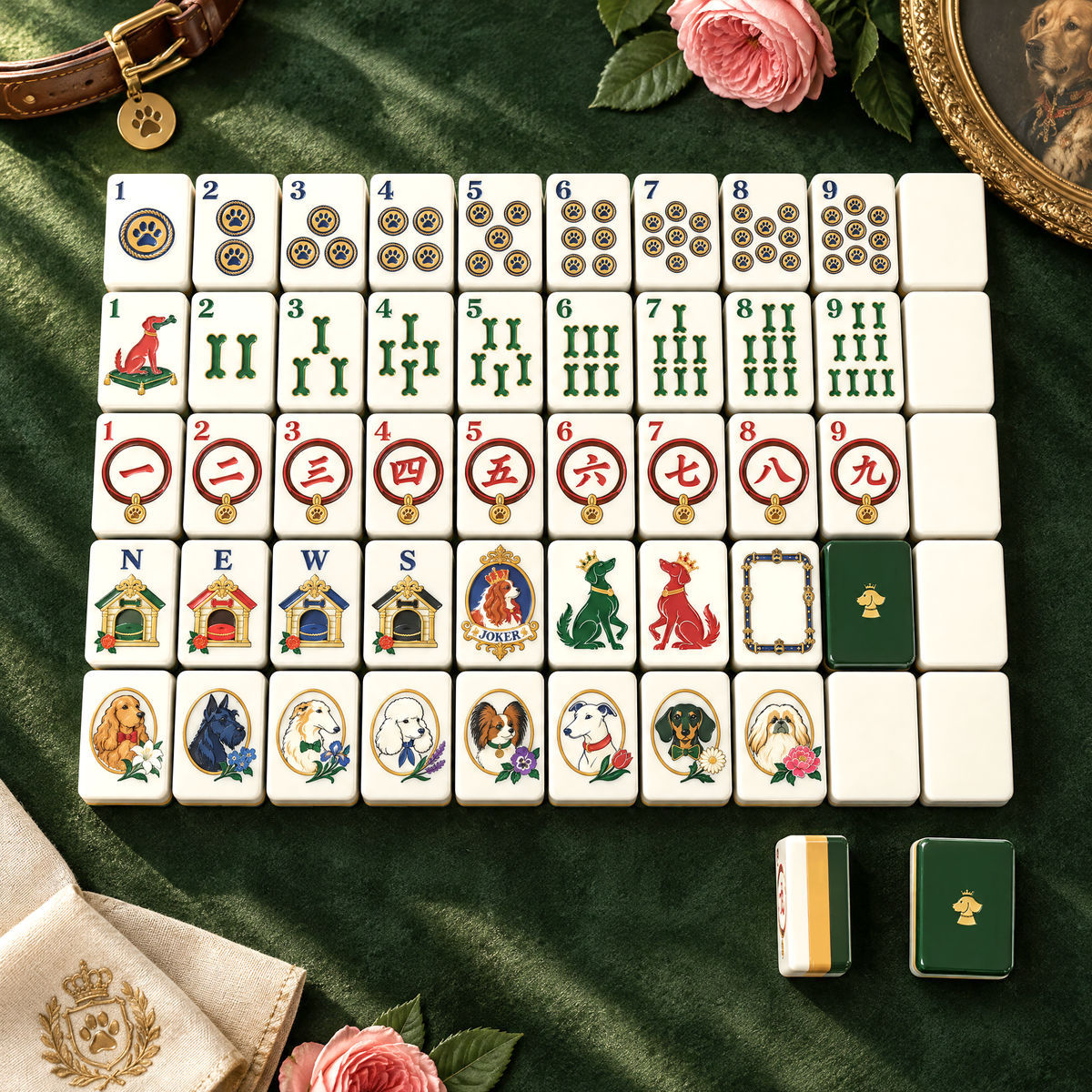
American mahjong practice means drilling four core skills: tile recognition (which Bam, Crak, Dot is which at a glance), hand-spotting (finding winning combos on the National Mah Jongg League card in under 10 seconds), discard tracking (remembering what's been thrown), and Charleston fluency (passing tiles smoothly during the ritual before play). Most players improve fastest by running 10–15 minute focused drills 2–3 times weekly, not full games. A best-selling mahjong set and a quiet table let you drill solo or with one partner; no scoring required. The most common mistake is practicing only in game conditions—isolating one skill at a time builds confidence faster and sticks longer.
How do you drill tile recognition without slowing down a table game?
Pull one suit—say, all Bams—and lay them in order 1–9 face up, three times over (27 tiles). Shuffle one more copy of 1–9 face down. Flip and call aloud: "5 Bam," "2 Bam." Speed matters less than accuracy; accuracy builds automaticity. After 2 minutes, you'll spot the bird on the 1 Bam instantly and remember which number feels "heavy" or "light" in your hand. Do this with one suit per session; rotate through Craks and Dots weekly. By week two, your hand-sorting habit shifts—you'll organize tiles mid-draw instead of at discard.
Pro tip: If you own engraved American mahjong sets, different engraving styles (tile-face numbers vs. thicker fonts) will vary your eye—practice with a set you don't play with regularly to sharpen your sight.

What is the fastest way to spot hands on the card?
Use the card's layout strategically. Open it to a section you haven't studied—say, "like numbers" or "mixed sequences"—and call out the hand name before checking your tiles. Most players waste 30 seconds re-reading the card mid-game. Instead, memorize that "all 1s" sits in a specific corner, or "2-4-6" lives in a mid-right block. Run this drill: shuffle 14 tiles (a single hand), lay it face up, and give yourself 15 seconds to name the hand on the card. Repeat 10 times. Your speed will halve in three sessions. The card becomes a map you navigate, not a wall of text. This also trains your muscle memory for which suits pair with which dragons—a hidden win.
How can you practice discard tracking without a full game?
Three players, three piles of 34 tiles (just over half a set). Each player draws and discards one tile per turn for 15 turns. No winning—only tracking. After each discard, the group calls what was thrown and who threw it: "East played 5 Dot, Wall plays 3 Crak, North plays East Wind." This trains your short-term memory for the exact sequence most games see. Add a twist: halfway through, one player says, "Stop—what are the last four discards in order?" Accuracy beats speed here. Even one 10-minute session per week will train your brain to filter live discards from noise. When you play real games, you'll hold four more tiles in active memory without straining.
Why does Charleston practice matter more than you'd think?
The Charleston is where new players stumble hardest: passing direction changes mid-round, hands collide mid-exchange, tiles scatter. One partner, one full Charleston, once per practice session. Your goal is fluency—no hesitation, no redoing passes. Start slow: East passes to West, West passes to North, North passes to South in a dead-calm rhythm. Then run the blind pass (each player bundles three tiles unseen). Then the 14-tile pass before the final pass begins. Practice until you move with rhythm instead of counting. Most tables lose 30 seconds per game to Charleston confusion; mastering this alone saves you frustration and lets you focus on the tiles, not the ritual. Once you and your partner can do a clean Charleston in under 90 seconds, you're ready for a full table.
What's the simplest solo drill that sticks?
Grab one hand from this year's card—any hand that appeals to you—and build it from scratch, then take it apart, then build it again. Repeat five times. Do this once a day for a week. Your fingers learn the shape; your eyes learn the pattern. By day five, you'll spot that hand within 3 seconds in a live game. The weekly rotation: Monday–Tuesday, hand A; Wednesday–Thursday, hand B; Friday–Saturday, hand C; Sunday, repeat your favorite. This takes three minutes total and costs nothing but a set and a flat surface. Many players skip this because it feels tedious, but it's the difference between "I think I have something" and "I'm calling Mah Jongg."
Drill Type | Time | Best For | How Often |
Tile recognition (single suit) | 2–3 min | Speed and accuracy | 2× weekly |
Hand-spotting on card | 5 min | Card fluency | 3× weekly |
Discard tracking (three player) | 10–12 min | Memory and focus | 1–2× weekly |
Charleston rhythm | 10 min | Smooth passing and rhythm | 1× weekly |
Single-hand build and rebuild | 3 min | Pattern recognition | Daily, 5–7 days |
🀄 Shop best-selling mahjong sets →
What equipment makes practice sessions more effective?
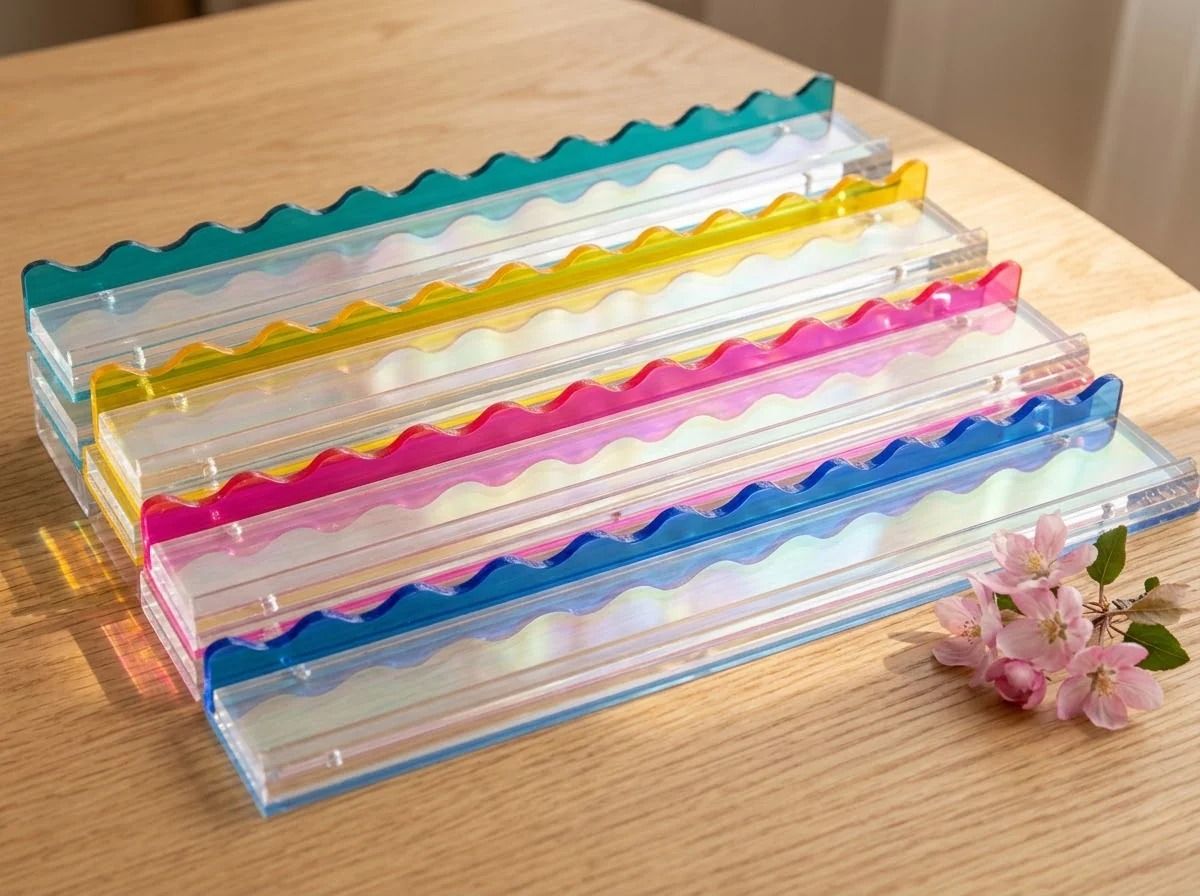
A quiet, well-lit table (18–24 inches wide minimum) and a single set you're comfortable with. If you practice with a set that feels cramped or tiles you can't read, your drills teach bad habits. A mahjong mat with dedicated zones (draw pile, your hand, discard area) speeds up tile location so you focus on the skill, not the search. Racks with pushers help you organize your hand quickly, which frees mental bandwidth for card reading or discard logic. Many players skip these for solo drills, but a mat's marked zones save 15–20 seconds per session and let muscle memory form around the same physical routine you use in real games.
How do you know when you're ready to stop drilling and play a full game?
When you can do three consecutive drills without error: tile recognition (all suits, no hesitation), hand-spotting (call five random hands in under 15 seconds each), and discard tracking (recall the last six tiles thrown). Once you hit this level, your confidence in a real game rises sharply. You're no longer panicking over "Is this a Crak or a Bam?" or "Did East already play this tile?" These drills usually take 4–6 weeks of consistent practice, depending on your starting point. Some players practice for life—it's not boring, it's how you stay sharp.
🎁 See our most-loved mahjong sets & accessories →
Common mistakes that slow down your progress
Practicing only in full game conditions. You won't isolate skill growth; you'll get tired and distracted. Drills are short, focused, and build one thing at a time.
Using a worn or unfamiliar set for drills. If tiles are hard to read or your hand feels awkward, you're training poor muscle memory. Practice with a set you enjoy handling.
Skipping the Charleston drill. Many intermediate players assume they're solid here; most aren't. A clean Charleston removes a major source of table slowness.
Drilling for more than 15 minutes in one session. Mental fatigue sets in fast; your brain stops learning and starts habit-forming errors. Short, sharp, frequent beats long and soft.
Not rotating the skills you practice. Running only hand-spotting for three weeks teaches tunnel vision. Rotate tile recognition, card fluency, and discard memory so you sharpen all four at once.
What to check before you buy a practice set
Tiles legible at arm's length. You'll be looking at them quickly; cheap sets blur numbers under fluorescent light.
Pushers smooth enough to move without friction. A stuck pusher is a dead drill.
Racks deep enough to hold your tiles comfortably. If tiles slip or fall during a practice shuffle, you'll lose focus.
A set you'll actually use. If it feels clunky in your hands, you'll avoid picking it up. Aesthetics matter—you'll practice more with a set you like looking at.
✨ Find your Mahstead set — free US shipping →
Quick reference: the weekly practice schedule
Monday–Tuesday: Tile recognition (one suit). 3 minutes. Wednesday: Hand-spotting on card. 5 minutes. Thursday: Discard tracking (three players, no scoring). 10 minutes. Friday: Charleston fluency drill. 10 minutes. Saturday–Sunday: Single-hand build/rebuild, five reps. 3 minutes each day.
Total: under 40 minutes per week. After four weeks, table hesitation drops by 60%. After eight weeks, you'll play measurably faster without rushing.

FAQ
How long until I see a real improvement in my game speed?
Most players notice faster discard decisions and quicker card-spotting within two weeks of consistent 10-minute drills. Tile recognition fluency—that automatic "5 Bam" reflex—takes four weeks of daily practice. Full confidence in a live game usually appears by week six.
Can I practice American mahjong alone, or do I need other people?
Solo drills (tile recognition, hand-spotting, hand-building) work fine alone and are where you should start. Discard tracking and Charleston practice are easier with one or two partners but can be modified solo—just rotate roles mentally. Full games require four, but drills don't.
Do I need the current year's card to practice hand-spotting?
Yes. American mahjong hands change every spring; the 2026 card is your only reference. Practicing old hands wastes time and builds bad card-reading habits. Always drill with the current card.
Should I use jokers and blanks in practice drills?
For tile recognition and build-rebuild, leave them out—they complicate tile counting and slow learning. For discard tracking and Charleston, include them; jokers appear frequently in real games, and you need to track them the same way.
What's the biggest mistake beginners make in practice?
Practicing only with the tiles they find hard instead of drilling all four skills evenly. Tile recognition and card fluency are just as important as anything else. A balanced weekly schedule beats deep dives into one area.
How often do you recommend practicing if you play weekly?
2–3 short sessions per week (10–15 minutes each) between games will sharpen your play noticeably. Many players who play weekly and don't drill plateau after three months; those who add two weekly 10-minute drills keep improving for years.


View More
View More
View More
