
Acrylic vs Jade Mahjong Tiles: Which Should You Buy?
Last updated: Nov 23, 2026
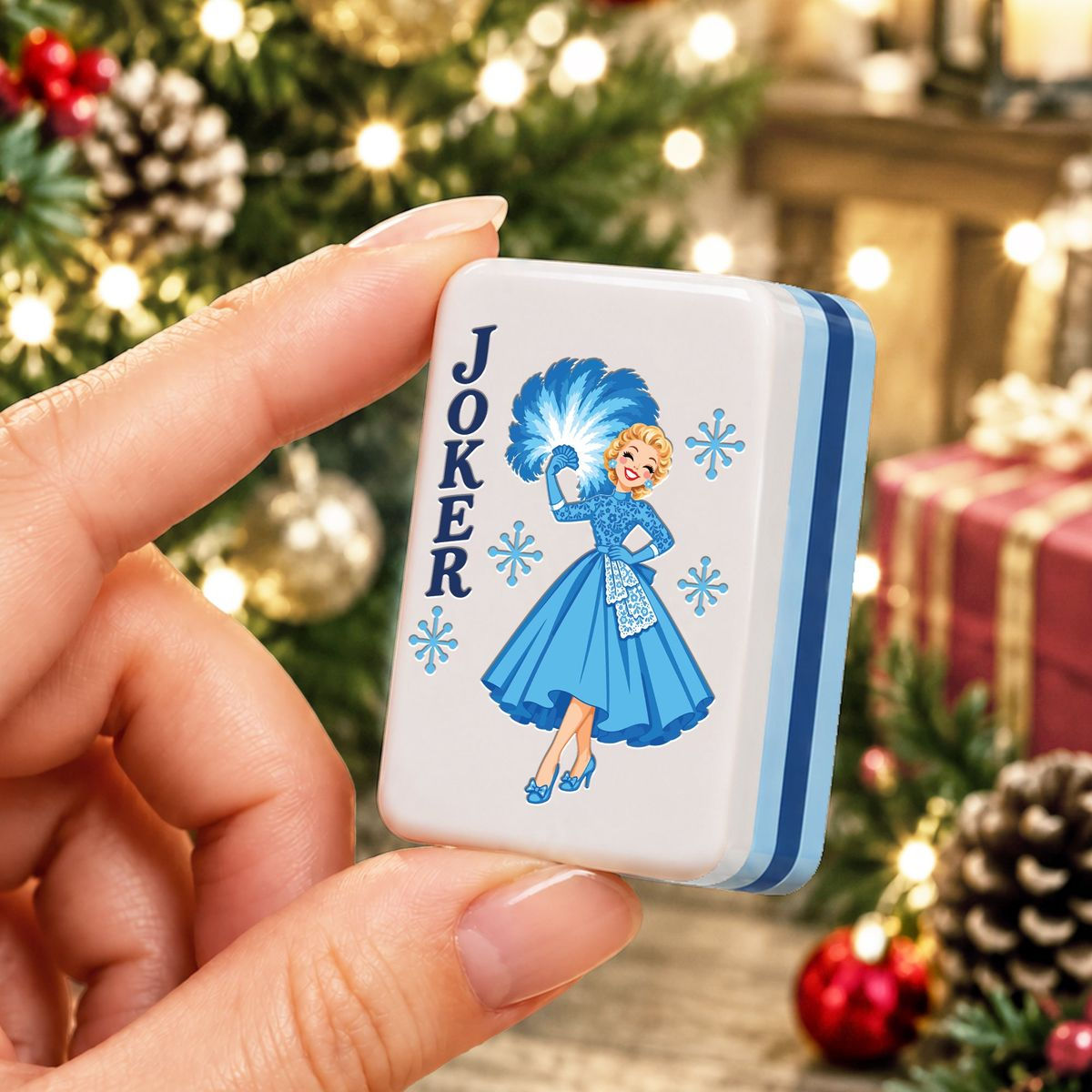
Acrylic and jade tiles serve the same game but feel and age entirely differently. Acrylic tiles—used in our best-selling mahjong sets—are lightweight, durable, consistent in weight, and resistant to chips and stains; they're ideal for weekly play and travel. Jade tiles (traditional in Chinese and Hong Kong variants) are heavier, warmer to touch, and develop a patina with age; they appeal to players who value craftsmanship and don't mind the cost or fragility. American mahjong uses the same 152 tiles regardless of material, so your hand options don't change. Acrylic dominates for casual and tournament American play; jade suits collectors and players in regions where it's culturally standard. Both are legitimate—the choice depends on your budget, how often you play, whether you travel with your set, and whether you want a heirloom or a workhorse.
Acrylic and jade tiles play the same game—all 152 pieces, all eight jokers, same National Mah Jongg League card hands. Yet they diverge so sharply in weight, sound, maintenance, and longevity that choosing between them is one of the first real decisions a mahjong player makes. We've hosted weekly games with both materials for years. Here's what we know from the table.
What's the weight difference between acrylic and jade tiles?
Acrylic tiles weigh roughly 2.5–3.5 grams each. Jade tiles typically weigh 4–5 grams or more, depending on the stone variety. That 1–2 gram gap per tile multiplies across 160 pieces—your entire acrylic set is noticeably lighter to lift and shuffle, while jade tiles give a denser, slower-moving feel. Many players describe jade as "substantial"; beginners often find it tiring during their first few hours because shuffling 152 heavier pieces demands more wrist strength.
Jade's weight is why it dominates in Chinese and Hong Kong mahjong culture: the heft was tied to craftsmanship and value. For American mahjong, which has no regional weight standard, acrylic's lightness is pure practical advantage—easier to handle, easier to pack for a game night, easier on your hands after three rounds.

Do acrylic tiles really last as long as jade?
Acrylic resists chips, scratches, and water stains far better than jade. Drop an acrylic tile face-down on a hardwood floor; it bounces and lands intact nine times out of ten. Jade, being stone, can chip or crack if dropped from table height. Acrylic doesn't stain from coffee spills, pencil marks, or food residue; jade absorbs moisture and oils, which can darken or cloud the surface over years.
That said, acrylic can yellow or become cloudy after decades of storage in direct sunlight, or lose its gloss if exposed to harsh chemicals. Jade typically lasts longer if stored carefully but requires more vigilant care during play—coasters under glasses, careful shuffling, protective bags for travel. For active weekly play, acrylic wins on durability; for display or occasional use, jade can outlast acrylic if you're cautious.
How do they sound and feel when you play?
Acrylic tiles produce a bright, almost hollow click or clink when they strike each other or the rack. That sound is crisp and quick—part of the appeal for players who enjoy the rhythm of the game. The tiles slide smoothly on a mat, and shuffling feels lighter and faster.
Jade emits a deeper, rounder clack or tick—a muted resonance that many longtime players associate with serious, traditional mahjong. Jade tiles glide more slowly on a mat due to their weight; shuffling takes longer. Tactilely, jade feels warmer and more substantial in your hand, while acrylic feels plastic-smooth and neutral. Neither sound or feel is objectively "better"—it's entirely personal preference and what you grew up with.
🀄 Shop best-selling mahjong sets →

What's the real cost difference?
A complete acrylic American mahjong set from our collection of engraved American mahjong sets is built to last, with weight-consistent tiles, printed or engraved faces, and a full 160-tile count (152 for play, 8 spare jokers). See current pricing on the product page.
Jade sets vary wildly by grade, origin, and workmanship. Import-market jade sets can cost less than acrylic if mass-produced; artisan hand-carved jade sets can cost five to ten times more. A quality jade set also demands a storage box, protective cloth, and usually costs extra to ship due to weight. Many casual players simply can't justify the expense when an acrylic set does the job.
For budget-conscious weekly players and families learning the game together, acrylic is cost-effective and guilt-free if a tile gets lost. For collectors or players in traditions where jade is standard, the cost is an investment in heritage, not a purchase price.
Decision Table: Acrylic vs. Jade
Factor | Acrylic | Jade | Winner for You? |
Weight per tile | 2.5–3.5g (light) | 4–5g+ (heavy) | Acrylic if you shuffle often; jade if you value heft |
Durability under play | Excellent (chips rarely) | Good (chips if dropped) | Acrylic for daily games |
Water/stain resistance | Very high | Lower (absorbs oils) | Acrylic for casual tables |
Sound | Bright, quick click | Deep, warm clack | Jade if you love tradition; acrylic if you want speed |
Storage & travel | Easy (light, compact) | Requires padding & care | Acrylic for portable sets |
Long-term cloudiness | Possible in 20+ years | Rare if stored well | Jade if kept away from sunlight |
Entry cost | Lower | Variable (high for quality) | Acrylic for beginners |
Perceived quality | Functional, modern | Crafted, heirloom | Depends on your values |
What to Check Before You Buy
If you choose acrylic:
Verify the tiles are weight-sorted. Uneven tiles cause shuffling problems and frustration.
Check that engravings or printing are clear—blurry wind or dragon symbols will slow down recognition during fast play.
Confirm the set includes eight jokers (spares beyond the 152 playing tiles are fine; they're never added to the table).
Look for a protective bag or case if you host games away from home.
If you choose jade:
Ask the seller which jade type (nephrite, jadeite, hybrid). Nephrite is softer and more chip-prone; jadeite is harder.
Request a weight sample or specification—uneven jade tiles are a dealbreaker.
Plan for a sturdy storage box and microfiber cloth.
Accept that shipping will be slower and heavier than acrylic.
Budget for replacement tiles if loss or damage occurs (much harder to find exact matches later).
For either choice:
Buy from a seller who guarantees a full 152-tile count plus spares.
Pair your tiles with a quality mahjong mat to reduce wear and protect your playing surface.
Store upright or flat, never stacked at angles, to avoid warping or stress on edges.
Most American mahjong players land on acrylic for the practical edge: consistency, cost, reliability, and peace of mind. Jade belongs in the hands of players who are already deep in the game and value the tradition and aesthetics. Either way, you're committing to the same 152-tile structure, the same hands each year, and the same joyful hours at the table.
🎁 See our most-loved mahjong sets & accessories →

FAQ
Can I mix acrylic and jade tiles in one set?
Never. The weight difference will cause uneven shuffles and tile distribution, making the game unfair. Each set must be uniform in material, thickness, and weight.
Do jade tiles need special care during play?
Yes. Use a padded mat (not bare wood), avoid stacking tiles heavily, keep drinks far away, and shuffle gently. Acrylic tolerates carelessness; jade does not.
Which material is used in tournament American mahjong?
The National Mah Jongg League doesn't mandate a material; acrylic dominates at tournaments and casual clubs because it's reliable and standardized. Jade is rarely seen in competitive American play.
Will jade tiles turn yellow or discolor over time?
Jade can darken slightly from oil and dust, especially around hand-worn edges, but it doesn't yellow like aging acrylic. A gentle cloth wipe keeps jade fresh; acrylic can yellow if stored in sunlight.
What happens if I lose or damage one tile?
Acrylic: easy to replace or order as a spare. Jade: much harder—you may not find an exact match after a few years, and you cannot continue play with an uneven set. Always buy a set with spares.
Are engraved acrylic tiles as durable as plain acrylic?
Yes. Engraving at Mahstead is done on the tile face without weakening the structure. Engravings can fade slightly after 10+ years of heavy use, but the tile itself remains intact.
Can I use acrylic tiles for Chinese or Hong Kong mahjong?
Technically, yes—the tiles are the same. But Chinese and Hong Kong variants traditionally use jade or bamboo. You can play with acrylic; you just won't have the authentic feel longtime players expect.


View More
View More
View More
