
What Is Mush in American Mahjong? Rules & Examples
Last updated: Nov 23, 2026
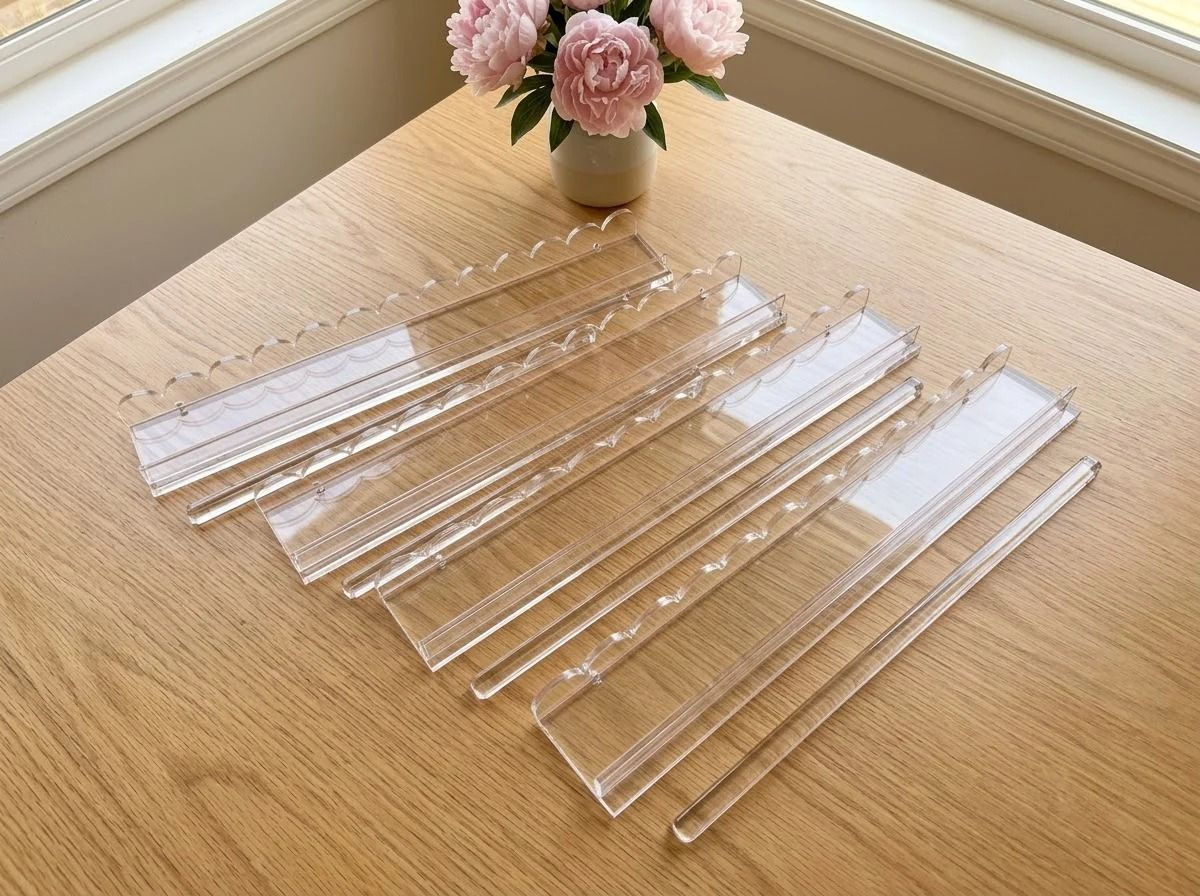
"Mush" in American mahjong is the act of passing tiles to other players during the Charleston, the mandatory tile-exchange that happens before every hand. During the first pass, you select 14 tiles from your 13 you don't want and pass them left; during the second pass, you pass right; during the third, you pass across. The player receiving your mush must take all 14 tiles—no cherry-picking. Your choice of what to mush is strategic: you're signaling nothing, but you're also committing to the tiles you keep. Misunderstanding mush rules—trying to change your mind mid-pass, passing fewer than 14 tiles, or trading with the wrong direction—causes confusion and slows the game. Learning to mush deliberately, based on your potential hands from the current year's National Mah Jongg League card, is what separates new players from those who host confident weekly games. 🀄 Shop best-selling mahjong sets →
Why is it called "mush"?
The term comes from the Yiddish word "musch," meaning "to mix" or "to push." It's been part of American mahjong slang since the game arrived in the U.S. in the 1920s. The word captures the scrambling, forceful nature of pushing unwanted tiles across the table to another player.
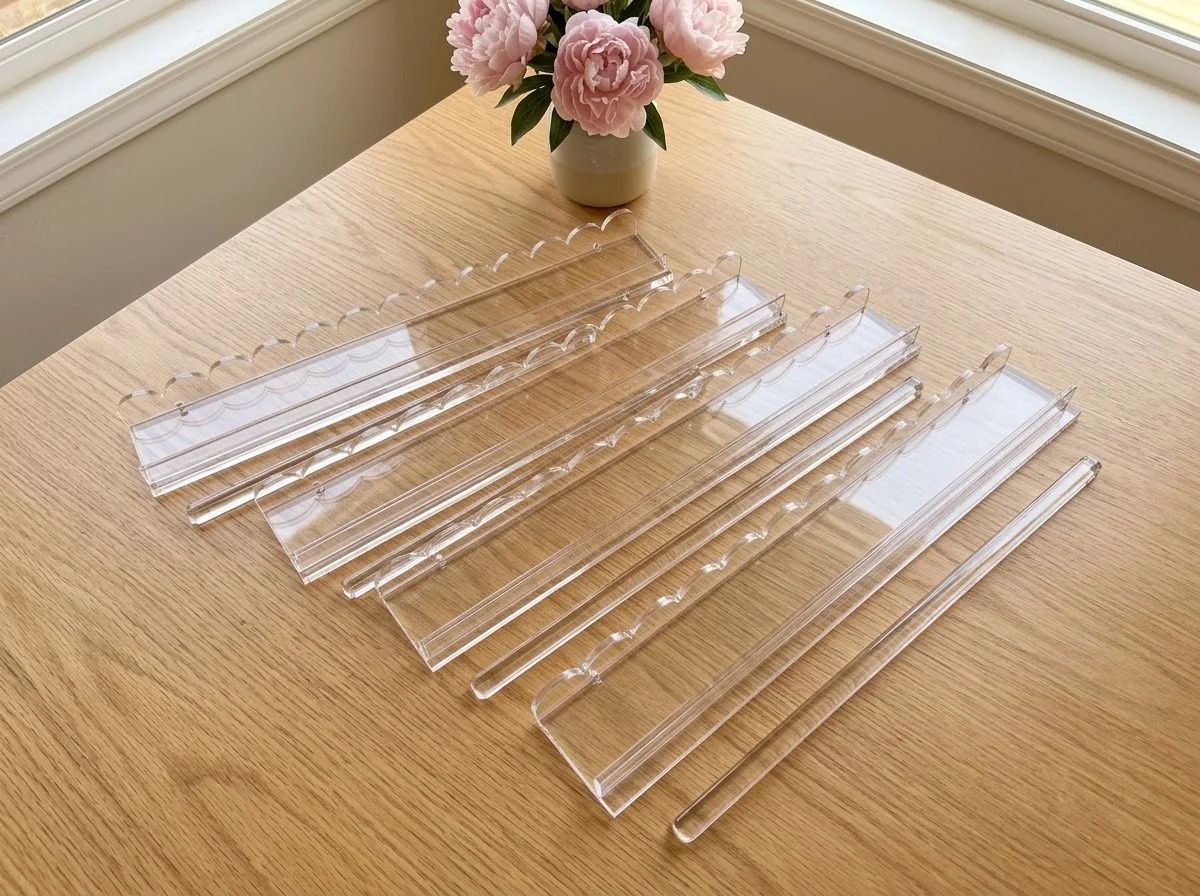
What tiles do you mush during the Charleston?
You mush exactly 14 tiles in each of the three passes. You started with 13 tiles drawn from the wall; you now have 27 after picking two more. You keep 13 and pass 14 left, then receive 14 from the player on your right. After the second pass (14 to the right, receive 14 from the left), you'll pass 14 across the table to the player opposite you, and receive 14 from them. The goal is to exchange tiles you can't use for fresh ones that fit hands on the current League card.
How do you decide what to mush?
Look at your 13 tiles and scan the League card for potential hands you could build. Identify gaps—suits or number ranges missing from your hand—and mush tiles that fill those gaps least. For example, if you hold three Craks in the 1–3 range and no Craks above 5, mush middle Craks (4–5 range) unless the card shows many hands needing them. Mush tiles that appear in the fewest hands on the card, or tiles that duplicate what you already have in abundance. Never mush all your honor tiles (winds, dragons) at once; keep a mix. Experienced players mush defensively too: if you see a player fishing for a specific suit, you might mush tiles that suit contains, starving their options—though this only works if your own hand doesn't rely on it.
What happens if you mush the wrong number of tiles?
If you pass fewer than 14 tiles, the receiving player may reject the mush and call a non-player to observe or replay the hand. If you try to pass more than 14, you must remove tiles until you have exactly 14. If you grab back tiles after passing or hand over the wrong direction mid-Charleston, the East (dealer) may call a restart or house rules may apply. Most casual home games grant one do-over; league play is stricter. The safest habit: count your mush aloud as you push them across—"one, two, three…fourteen"—so all players confirm the count before picking them up.
🎁 See our most-loved mahjong sets & accessories →
Can you refuse a mush?
No—once the player on your left (or right, depending on pass direction) pushes 14 tiles to you during the Charleston, you must accept them. You cannot cherry-pick from the mush or ask for a trade. This rule keeps the game fair and prevents information leakage: if you could refuse certain tiles, other players would infer your strategy. However, if the mush count is wrong (fewer or more than 14 tiles), you may stop the pass and ask for a recount before accepting.
What mistakes do beginners make with mush?
Mushing all your high-scoring tiles too early. New players see a wall of point-rich dragons or honors and panic-mush them. Beginners don't yet realize the League card weights certain hands heavily; a few of those tiles might have anchored a winning hand. Mushing identical tiles. If you're holding duplicate pairs (e.g., two Red Dragons), mush only one unless you're certain no hand on the card uses two separate reds. Not looking at the card before deciding. The weakest mistake: mushing randomly instead of referencing the current League card. Winners study the card the moment they sit down. Changing direction mid-pass. After the first pass (to the left), the second pass goes right—and the third across. Confusion here derails the entire Charleston. Hesitating visibly. When you obviously agonize over a mush, alert players infer your hand's direction. Mush decisively, even if you're unsure.
The Charleston in Three Passes: A Quick Checklist
Pass | Direction | What You Pass | What You Get |
1 | Left | 14 tiles | 14 from your right |
2 | Right | 14 tiles | 14 from your left |
3 | Across | 14 tiles | 14 from opposite |
Total | — | 42 tiles exchanged | You end with 13 tiles + 1 picked from wall |
✨ Find your Mahstead set — free US shipping →
How does mush interact with the rest of the Charleston?
After the third pass, one optional (but common) step follows: the replacement pass. The player holding the dead wall (set aside before any picking begins) may offer it to any other player in exchange for tiles from that player's hand. This is purely optional—you can refuse the dead wall. Once all three passes and any dead-wall swap are complete, East picks the first tile from the live wall, then play begins clockwise. Mush happens only before the game starts; once live play begins, no more tile exchanges are legal except through the normal draw-and-discard mechanism.
Why is mush strategy so important?
Every hand on the League card is achievable with careful Charleston exchanges. A mediocre 13-tile draw becomes a winning hand once you mush away mismatches and acquire tiles toward a high-point pattern. Players who study the card, mush deliberately, and adapt to the passing patterns of their opponents win more hands than players who react passively. Mush isn't just mechanics—it's the first decision of the hand, and it sets the tone for your entire game.
What to Check Before You Host or Join a Game
House rules on Charleston re-dos: Does your group allow one mush restart if the count is wrong, or is it strict?
Dead wall option: Do you always use the replacement pass, or is it optional in your circle?
Card version: Everyone must use the same year's National Mah Jongg League card—never mix versions.
Tile condition: If tiles stick or jam, the mush becomes frustrating. Clean tiles slide smoothly. Mahstead's 160-tile acrylic sets are engraved with clear symbols and slide cleanly during passes.
Table surface: A mat or smooth tabletop prevents tiles from scattering during mush. A cloth or uneven surface slows everyone down.
Player experience: New players benefit from a slower, patient Charleston; experienced groups mush in seconds.
How does mush differ in other mahjong variants?
American mahjong's Charleston with mush is unique to the American tradition. Chinese mahjong, Hong Kong mahjong, and Riichi mahjong use very different tile-selection rules and no formal "pass" phase. Some variants have players draw all tiles into walls and pick from personal walls; others disallow any pre-game exchange. Taiwanese mahjong involves tile-passing but with different directionality and pung/kong exposure rules. If you're mixing variants at a table—say, teaching a friend from Hong Kong to play American—clarify the Charleston rules before the first hand. The mush rule exists only in American mahjong, so it can't be imported or adapted without reshaping the entire game flow.
Need tiles that survive years of mushing?Our engraved American mahjong sets are built for weekly players who pass, exchange, and play thousands of hands. Learn how to choose the right equipment for hosting.

FAQ
Can you mush the same tile twice in one Charleston?
No. Each tile is mushed exactly once per pass. After you pass 14 tiles left in pass one, those tiles are in another player's hand—you can't pass them again in pass two. You can, however, receive a tile in pass one, then mush it in pass two if you still don't want it. This is strategic but risky—you're signaling it's undesirable.
What if two players mush at different speeds?
One player should count aloud or push slowly so all players keep pace. If one player has mushed 14 but the other hasn't decided, call a pause and wait. Don't grab the mush until all players are ready. This prevents miscounts and table chaos, especially among newer players.
Is it cheating to watch what someone else mushes?
No—it's smart play. Observing which tiles a player mushs away hints at their strategy, helping you predict which hands they're avoiding and which suits they're hoarding. This is why decisive, quick mushes are safer than hesitant ones; hesitation leaks information.
Can a player refuse to participate in the Charleston?
In league play, the Charleston is mandatory and uses official rules; if you don't participate, you forfeit the hand or the game. In casual home games, house rules vary. Some groups allow a player to opt out and draw 13 fresh tiles from the wall instead—though this puts them at a disadvantage since everyone else has exchanged tiles. Most groups require full Charleston participation.
What happens if someone miscounts their mush and hands you 12 or 16 tiles?
Count the tiles aloud before accepting them. If the count is wrong, stop and ask for a recount. If the mushing player is short, they must add tiles; if they've given too many, they must remove tiles until exactly 14 remain. If this happens repeatedly, call it out to the group and restart the Charleston to avoid frustration and delays.
Does mush affect the final score if I win?
No. Mush is part of setup, not scoring. Once play begins and a hand is won, the score depends on the winning pattern and hand type from the League card—not on which tiles you mushed or received during the Charleston. However, mush determines whether you can form that winning pattern at all, so it's foundational to winning.


View More
View More
View More
