
Acrylic vs Bone and Bamboo Mahjong Tiles: Which to Buy
Last updated: Nov 23, 2026
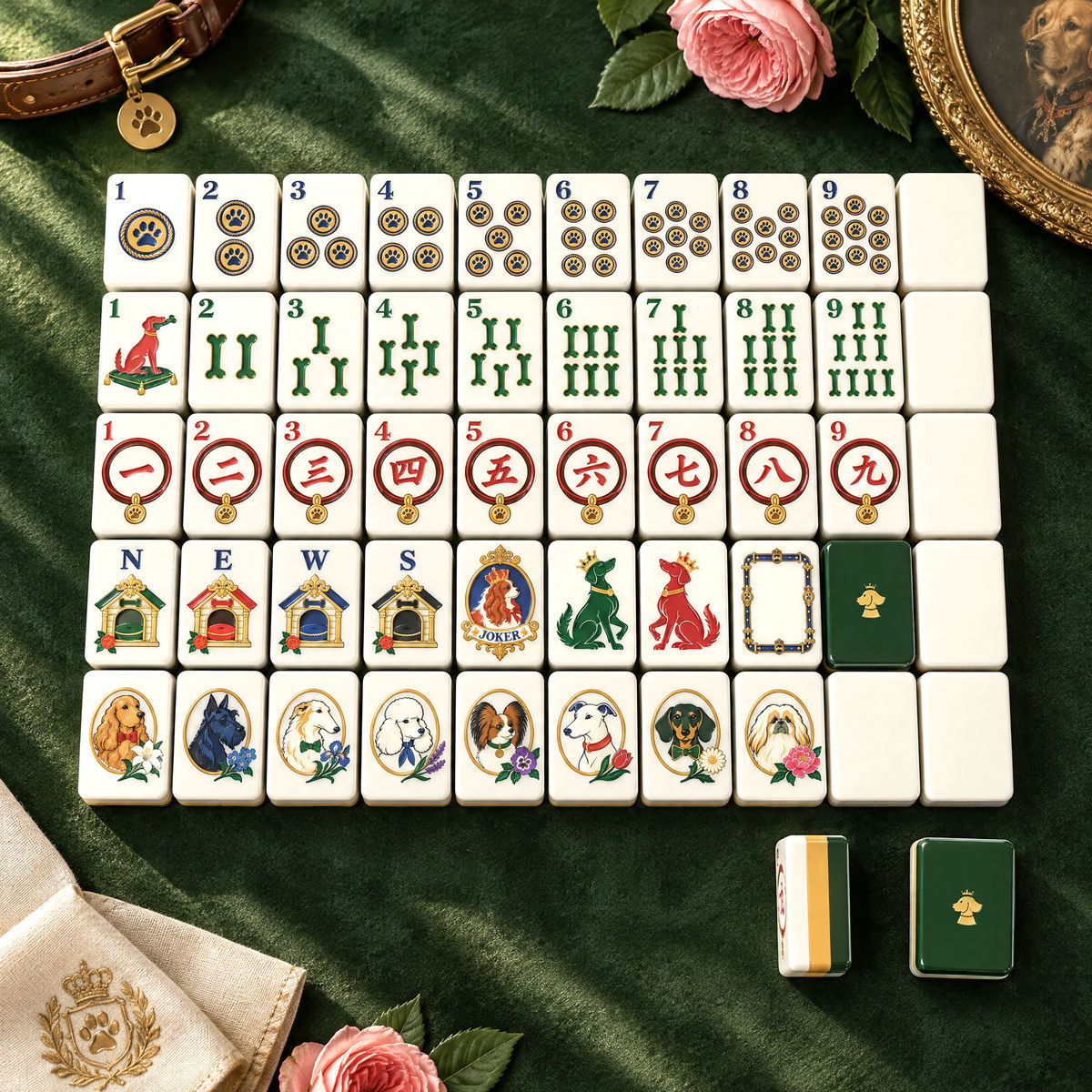
Acrylic tiles are lightweight, affordable, colorful, and durable for weekly home games; they resist staining and don't crack. Bone and bamboo tiles feel heavier and more traditional, develop character over years, but require care to avoid warping and staining. American mahjong players often choose acrylic for reliability and resale value; players drawn to the hand-feel and patina of vintage sets prefer bone or bamboo. Mahstead's engraved American mahjong sets use precision-molded acrylic tiles, making them consistent, colorfast, and practical for groups hosting weekly games. Bone and bamboo remain premium choices for players who prioritize tradition over maintenance, or who play infrequently in controlled conditions.
Choosing between acrylic, bone and bamboo mahjong tiles depends on your budget, how often you play, and whether you value authenticity or practicality. Here's what matters.
Acrylic tiles are lightweight, affordable, colorful, and durable for weekly home games; they resist staining and don't crack. Bone and bamboo tiles feel heavier and more traditional, develop character over years, but require care to avoid warping and staining. American mahjong players often choose acrylic for reliability and resale value; players drawn to the hand-feel and patina of vintage sets prefer bone or bamboo. Mahstead's engraved American mahjong sets use precision-molded acrylic tiles, making them consistent, colorfast, and practical for groups hosting weekly games. Bone and bamboo remain premium choices for players who prioritize tradition over maintenance, or who play infrequently in controlled conditions.
🀄 Shop best-selling mahjong sets →
Why does tile material matter in mahjong?
Tile material affects how the game feels in your hand, how long tiles last, and what maintenance they need. Acrylic tiles are uniform, bright, and snap into place predictably—ideal for speed play and for reading numbers from across the table. Bone and bamboo tiles have warmth, irregular patina, and a softer feel that many traditional players cherish. Material also determines how tiles respond to humidity, sunlight, and handling over months and years. If you host weekly games, material choice shapes your experience far more than most players realize.

What are the real differences in weight and feel?
Acrylic tiles weigh roughly one-third less than bone or bamboo tiles, making your rack lighter and easier to manipulate with pushers. Many players find acrylic tiles slippery at first but adapt within a session; bone and bamboo tiles grip the fingers more naturally. Bone and bamboo tiles make a deeper, more resonant sound when drawn or discarded, which some players find satisfying—acrylic produces a sharper click. For players with arthritis or hand fatigue, lightweight acrylic is often more comfortable during four-hour sessions. The trade-off: acrylic can feel less "authoritative" if you're accustomed to the heft of vintage sets.
How do acrylic, bone and bamboo handle staining and wear?
Acrylic tiles resist most stains because pigment is molded into the plastic during manufacturing; coffee, tea, and food oils rarely penetrate. Bone and bamboo are porous and stain easily—a wine spill can leave permanent marks unless wiped immediately. Acrylic tiles maintain uniform color for years; bone and bamboo develop patina, yellowing or darkening in sunlight, which some players treasure and others see as damage. If your group eats and drinks at the table, acrylic is safer. If you store your set in a dry cabinet and play casually, bone and bamboo age beautifully.
Which costs less and offers better long-term value?
Acrylic sets are typically less expensive upfront and hold resale value because they remain consistent and in-demand for casual groups. Bone and bamboo sets cost more initially but can appreciate if sourced from recognized makers, though this applies mainly to antique or collectible sets. Most modern bone and bamboo sets depreciate or hold value only if kept in museum condition. For a player building their first set or a group buying for shared use, acrylic offers better value and lower risk. Our best-selling mahjong sets in acrylic are priced competitively and ship ready to play.

How do storage and humidity affect each material?
Acrylic tiles are nearly immune to humidity and temperature swings; they won't warp, crack, or absorb moisture. Bone and bamboo tiles expand and contract with humidity, risking warping if stored in damp basements or uncontrolled garages. Bone can crack if exposed to direct heat or sudden temperature changes. Bamboo tile faces may peel if moisture penetrates the glue. For year-round play in homes without climate control, acrylic eliminates this worry entirely. If you travel with your set or store it seasonally, acrylic is the safer choice.
Comparison | Acrylic | Bone | Bamboo |
Weight | Light (easy rack handling) | Heavy (authentic feel) | Heavy (warm touch) |
Durability | Excellent (resistant to stains, cracks) | Good (cracks in cold, stains easily) | Good (warps in humidity, peels if wet) |
Sound | Sharp click | Deep resonance | Warm tone |
Maintenance | None (wipe with dry cloth) | Frequent (protect from spills, sunlight) | Frequent (dry storage, avoid humidity) |
Patina | Stays bright | Darkens over years | Yellows and varies |
Best for | Weekly games, casual groups, travel | Collectors, infrequent play, tradition | Collectors, dry climates, aesthetics |
Resale | Holds value consistently | Fluctuates (condition-dependent) | Fluctuates (condition-dependent) |
🎁 See our most-loved mahjong sets & accessories →
When should you choose acrylic?
Choose acrylic if you play weekly or more, live in humid or variable climates, eat or drink near the table, travel with your set, or are a beginner unsure of your long-term commitment. Acrylic is also ideal if you want a uniform appearance that doesn't shift over time, or if you're buying a set as a gift for a group. Acrylic tiles remain vibrant and readable across any lighting, which matters if your game room has poor overhead lights. Mahstead's precision-molded acrylic tiles include custom engravings that stay sharp and legible for decades.
When should you choose bone or bamboo?
Choose bone or bamboo if you play rarely (1–2 times monthly), store your set carefully in a climate-controlled space, value the traditional hand-feel and sound above practicality, or are a collector seeking vintage or artisanal sets. Bone and bamboo work well if your group never eats at the table and is disciplined about spill prevention. You should also consider bone or bamboo if you're returning to mahjong after years away and want to recreate a cherished childhood memory of your grandmother's set. However, be honest: if you're guessing you'll keep it in perfect condition, acrylic is a safer bet.
What to check before you buy:
Your play frequency: Weekly play? Acrylic. Monthly or less? Bone or bamboo is acceptable if stored right.
Your climate: High humidity, temperature swings, or air conditioning cycles? Acrylic avoids warping.
Your table habits: Do you snack, drink, or have kids nearby? Acrylic resists damage.
Your lighting: Dim room? Acrylic's bright, uniform colors are easier to read.
Your storage: Damp basement, uncontrolled garage, or travel bag? Acrylic is forgiving.
Your aesthetic priority: Authenticity and patina, or consistency and longevity? Honest answer predicts your satisfaction.
Tile engravings or custom designs: Check that the maker's engraving method (laser, paint, mold-inlay) matches your set type—acrylic engravings are crisp; bone and bamboo engravings can fade with age.
✨ Find your Mahstead set — free US shipping →

FAQ
Can I mix acrylic, bone and bamboo tiles in one set?
Technically yes, but no—tiles of different materials weigh differently, shuffle unevenly, and create inconsistent gameplay. Each tile sees different wear, making reading numbers harder. Always use uniform material for all 152 playing tiles.
Do acrylic tiles fade in sunlight?
High-quality molded acrylic resists fading far better than bone or bamboo, which yellow and darken noticeably in direct sun. Store any set away from windows, but acrylic forgives occasional exposure.
How often should I clean bone or bamboo tiles?
Wipe gently with a dry microfiber cloth after every session. Never use water or cleaners—moisture is the enemy. Inspect for stains monthly; if spilled on, blot immediately and air-dry flat. Acrylic tiles need only a dry cloth.
Are modern bone and bamboo tiles as good as vintage ones?
Modern commercial sets (20 years or newer) are made more uniformly but often glued less durably than well-crafted vintage sets. Antique sets from recognized makers may hold character, but most modern bone and bamboo sets don't improve with age—they just wear.
Which material is safest for a group with children?
Acrylic. Tiles are lighter (less injury risk if dropped), won't splinter like bamboo, and resist staining from sticky hands and spills. Bone is brittle and can crack if thrown or sat on accidentally.
Do acrylic sets feel "cheap" compared to bone?
Not if made well. Our best-selling acrylic sets have substantial weight from precision molding, smooth edges, and bright pigmentation that many players find more professional than inferior modern bone sets. Hand-feel is learned—most players adapt in one session.


View More
View More
View More
