
Common Mistakes in Sichuan Bloody Mahjong & How to Avoid Them
Last updated: Nov 23, 2026
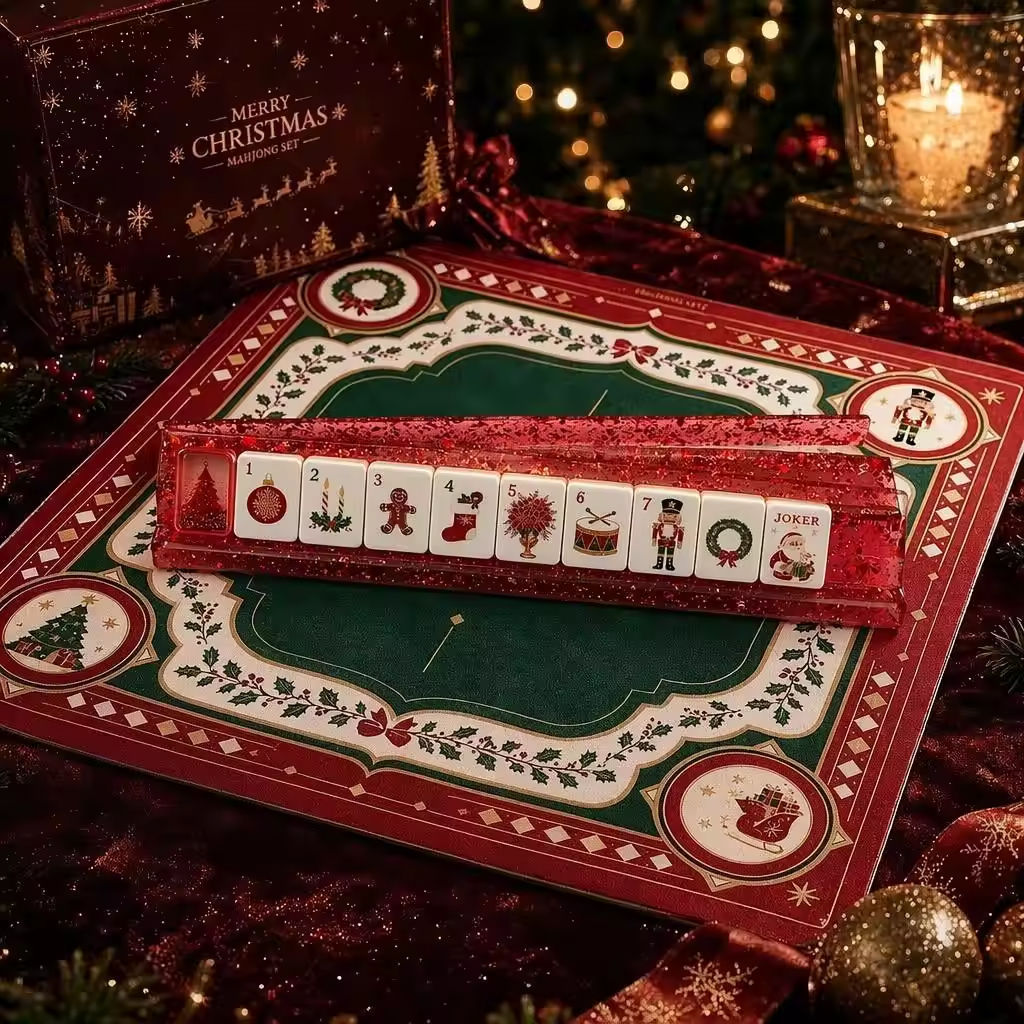
Sichuan bloody mahjong differs sharply from American mahjong: it uses 108 tiles (one suit—Bams, Craks, or Dots—at numbers 1–9, four of each), no honors or flowers, and entirely different winning hands built on sequences (chows: 1-2-3, 2-3-4, etc.), pungs (three identical), and kongs (four identical). The most common mistakes are misidentifying chow sequences (thinking 1-3-5 is valid when only consecutive numbers count), miscalculating the bloody scoring multipliers (which compound per hand type and circumstances), miscounting when declaring ready, and playing with the wrong tiles or counts. Most errors stem from mixing up hand-building rules with American mahjong's pung-only exposure system or forgetting that the "bloody" bonus (typically a multiplier on base score, context-dependent per regional house rules) applies when you win on specific tiles or under certain conditions. Beginners often rush declarations or fail to track discards properly, costing points or a win. Success requires memorizing legitimate hand patterns for your region, tracking the bloody bonus conditions precisely, and practicing draw-discard discipline before high-stakes play.
Sichuan bloody mahjong is a regional Chinese variant beloved for its speed and dramatic scoring swings. Unlike American mahjong's rigid hand card and fixed tile counts, Sichuan play emphasizes fast decision-making, sequence-building skill, and close attention to the bloody bonus—a scoring multiplier that can double or triple your win. The stakes and pace also mean errors compound quickly. We host regular games in Dallas, and we've seen the same mistakes repeat: players new to the variant either transpose American mahjong rules or skip the house-rule nuances that define each table's version of bloody mahjong.
🀄 Shop best-selling mahjong sets →
Are You Confusing Sequences With Pungs?
In Sichuan bloody mahjong, winning hands almost always require sequences (chows)—three consecutive numbers in the same suit. A chow is 1-2-3, 2-3-4, 3-4-5, all the way to 7-8-9. Many players misunderstand "consecutive": they assume 1-3-5 is valid, or that any three numbers in the same suit work. Only numerically adjacent tiles form a legal sequence. For example, if your hand holds three 4 Bams, one 5 Bam, and one 6 Bam, the 4-5-6 is a chow; the lone 4 Bam is not. Mixing this rule with American mahjong's pung system (any three identical tiles exposed together) is the single most common beginner error we see.
Always verify each chow contains exactly three consecutive numbers of the same suit before you claim ready or declare a win.

Do You Know When the Bloody Bonus Applies?
The "bloody" multiplier is where Sichuan mahjong's scoring diverges most sharply from both American and standard Chinese variants. The bonus typically triggers when you win in specific circumstances: catching a specific tile (often the tile you declared ready on, sometimes any tile from a particular player), going out on your own draw, or completing a hand under certain combinations of pung/sequence types. However, the exact bloody bonus conditions vary by house and region—some tables multiply base score by 2 if you catch the declared tile, others multiply by 3, and some apply bonuses only if you go out without others seeing your ready state.
Many players lose or miscalculate winnings because they don't agree on or clarify the bloody conditions before the first hand is dealt. Check with your table's banker or most experienced player, and write down the rule if it's your first time at that group. If no one remembers the exact multiplier, negotiate it clearly before dealing.
Are You Tracking Tile Counts and Discards Correctly?
Sichuan bloody mahjong uses only 108 tiles: one suit (1–9) × three numbers of tiles per number × four of each tile = 36 tiles per suit, but the game typically pulls all three suits into a single pool, depending on the variant. Wait—let us clarify: many Sichuan regional rules actually play with only one suit (all 36 tiles from, say, Bams alone), while other versions use 108 from a mixed pool. The critical error beginners make is failing to mentally account for the limited tile pool and discarding tiles their opponents need without strategic purpose.
If you discard a 5 Bam early and your opponent declared ready on 4-5-6, you've handed them the win. Track what your opponents are fishing for (notice what they pick up and what suit they're building), and keep a mental count of how many tiles of each number remain in the wall. This discipline alone eliminates roughly half of all costly errors.
Are You Misinterpreting Ready and Win Calls?
In Sichuan bloody mahjong, declaring ready (often called "ting" or "waiting") is the point at which you announce you are one tile away from a winning hand. Once you declare ready, many house rules forbid you from changing your hand composition; you can only draw and discard. Additionally, once someone calls ready, other players must exercise extra caution—a discard that completes a ready player's hand is often penalized or triggers the bloody bonus payout.
Novices sometimes declare ready incorrectly (claiming one-tile-away when they're actually two tiles away) or think they can continue building toward a different hand once they've declared. Both mistakes forfeit the hand or incur penalties. Count your tiles and your needed tiles twice before declaring, and review the table's ready rules with the banker before the session starts.
What Happens If You Play Out of Turn or Miscall a Win?
Playing out of turn—drawing when it's not your turn or discarding before the player to your right has drawn—breaks game flow and can invalidate your hand or trigger a penalty (usually a payment to the table). Miscalling a win (announcing "win" when your hand is actually incomplete or contains an illegal combination) is equally costly: you often pay a penalty to each opponent, you lose your turn, and the hand resets.
The root cause is usually haste or inattention. Sichuan bloody mahjong moves fast, but take a breath before drawing, verify your hand structure before declaring win, and ensure it's your turn. A three-second pause saves money and reputation.

How Does Your Hand Composition Really Add Up?
A winning Sichuan bloody mahjong hand typically consists of four melds (each a sequence of three or a pung of three, or a kong of four) plus one pair (two identical tiles)—exactly the same 14-tile structure as standard Chinese mahjong, but the types of melds allowed differ by region. Some variants require at least two sequences; others allow all pungs. Some restrict which suits or numbers can appear.
Build a quick mental checklist:
14 total tiles in your winning hand.
Melds + pair structure (e.g., 4 sequences + 1 pair = winning hand; or 1 sequence + 3 pungs + 1 pair).
No isolated tiles (every tile belongs to a meld or the pair).
Bloody bonus condition met (if applicable to your table's rules).
Before you declare a win, count your melds and your pair on your fingers or tile rack. This one habit eliminates miscalls entirely.
Mistake | Why It Happens | Cost | How to Prevent |
Confusing chow / pung rules | Mixing American & Sichuan rules | Miscalled hand, lost turn | Memorize only Sichuan sequences before play |
Not clarifying bloody bonus upfront | Ambiguous house rules | Score disputes, anger | Agree on multiplier & conditions before dealing |
Poor tile tracking | Haste, weak mental math | Bad discards, missed wins | Count wall tiles mentally; track discards on paper |
Premature ready declaration | Excitement, miscounting | Penalty payout or hand reset | Verify one-tile-away status twice |
Winning on illegal hand | Careless tile combination | Penalty to all opponents | Check melds + pair + bloody bonus before calling |
🎁 See our most-loved mahjong sets & accessories →
What Should You Check Before You Buy or Sit Down for Sichuan Bloody Mahjong?
Before your first session, clarify these points with the table's organizer or most experienced player:
Tile count and suit: Are you playing with 36 tiles (one suit only) or 108 tiles (all suits)?
Bloody bonus multiplier and conditions: When does it apply, and what is the exact payout multiplier?
Sequence vs. pung balance: Are certain hand types restricted?
Ready rules: Can you change your waiting tile after declaring ready?
Out-of-turn and miscall penalties: What do you owe if you break game flow or miscall a win?
Tie-breaking: If two players achieve winning conditions in the same round, who takes the hand?
Discard pile protocol: Do discards stay face-up in rows, and for how many rounds?
Writing these down or taking a photo of the banker's notes prevents disputes and lets you focus on strategy rather than rules arguments.
If you're hosting your own Sichuan bloody mahjong night, keep a set of high-quality tiles and a comfortable mat on hand. Acrylic tiles resist wear through fast games, and a mat with clearly marked tile positions reduces fumbling and keeps the game moving. A mahjong rack with pushers also helps players organize their melds neatly, making it far easier to spot illegal hands before anyone calls a win.
✨ Find your Mahstead set — free US shipping →
Why Does the Charleston Rule Matter (Or Not) in Sichuan Bloody Mahjong?
The Charleston—the American mahjong tile-passing ritual—is not used in Sichuan bloody mahjong. Players do not pass tiles before each hand; instead, the dealer shuffles all tiles face-down, and each player draws 13 tiles plus the dealer draws one more. The dealer discards first, and play proceeds clockwise. Understanding this distinction keeps newcomers from trying to apply American mahjong setup rules and slowing down a game that thrives on speed.
Common Scorecard Errors: Are You Tallying the Bloody Bonus Correctly?
One final mistake we see often: players don't multiply the base score properly when the bloody bonus applies. Suppose base score is 8 points and the bloody bonus is 3×. Your payout is 24 points, not 11 (8 + 3). When multiple players are betting or the stakes are high, this arithmetic error can cost significant money over a session. Always multiply first, then settle payments.

FAQ
Can I use jokers or honor tiles in Sichuan bloody mahjong?
No. Sichuan bloody mahjong uses only one suit (Bams, Craks, or Dots) at numbers 1–9, four of each tile. There are no jokers, flowers, winds, or dragons. If your table uses any of these, it's a hybrid variant—confirm the rules upfront.
What is the difference between a chow and a pung in Sichuan bloody mahjong?
A chow is three consecutive numbers (e.g., 4-5-6 Bams); a pung is three identical tiles (e.g., three 4 Bams). Both can be melded in your hand, but sequences (chows) are far more common in winning hands.
If I declare ready but don't win on the next draw, what happens?
This depends on house rules. Some tables allow you to discard and keep waiting; others penalize you or reset the hand. Always ask your table before declaring ready.
How do I know if the bloody bonus applies to my win?
The bloody bonus triggers when you catch a specific tile (often the one you declared ready on), or under conditions set by your table (e.g., winning on your own draw, or all pungs). The exact trigger must be clarified before the first hand. Ask the dealer or banker to state it explicitly.
Can I play Sichuan bloody mahjong with an American mahjong set?
No. American mahjong sets contain 152 tiles across three suits, plus winds, dragons, flowers, and jokers. Sichuan bloody mahjong needs only 36 or 108 tiles (one suit or three mixed), with no honors. You need a dedicated Chinese mahjong set designed for Sichuan or regional play.
What should I do if I miscall a win?
Immediately announce the miscall to the table. Most house rules impose a penalty: you pay a small amount (often 1–2 points) to each opponent, you lose your current turn or hand, and play moves to the next player. Honesty prevents bigger disputes.
Is there a standard way to arrange tiles on a rack during Sichuan bloody mahjong?
Yes—group your melds together and keep your pair separate or clearly distinct. This makes it easy for you to verify your hand and prevents accidental miscalls. A mahjong rack with pushers simplifies this and keeps tiles stable during fast play.


View More
View More
View More
