
Acrylic vs Bakelite Mahjong Tiles: Which Should You Buy?
Last updated: Nov 23, 2026
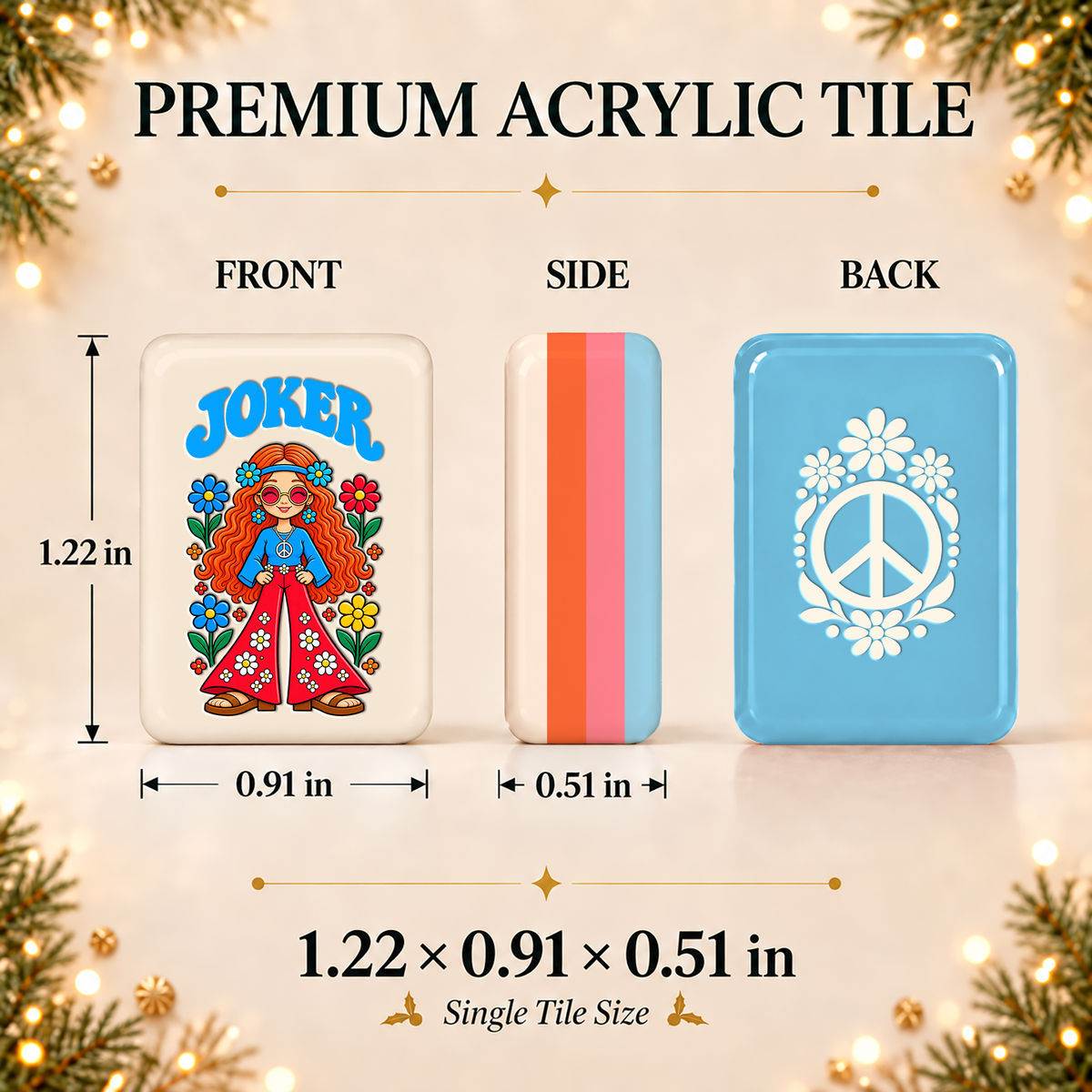
Acrylic tiles are lightweight, vibrant, easy to engrave with custom designs, and resistant to cracking—ideal for weekly home games and gifts. Bakelite tiles feel heavier and more traditional, develop a smooth patina over years, resist staining, but cost more upfront and engrave less crisply. American mahjong sets use 152 playing tiles plus 8 jokers; both materials meet that standard. Acrylic suits players who want personalization, bright colors, and low maintenance; bakelite appeals to serious collectors who value heft, longevity, and a vintage aesthetic. For most home players hosting weekly games, acrylic from our best-selling mahjong sets offers the best balance of durability, design options, and value. Neither will crack from normal play—the choice comes down to feel in hand, budget, and whether you want your set engraved.
What is the actual difference between acrylic and bakelite tiles?
Acrylic is a lightweight plastic polymer (PMMA) that's injection-molded in vibrant colors and accepts engraving cleanly. Bakelite is a hard thermoset plastic developed in the early 1900s, denser and more brittle but historically authentic. Acrylic tiles weigh roughly half what bakelite does per tile; a full set of acrylic plays faster on the table and feels nimble in hand. Bakelite develops a worn gloss over decades of use—some players love that patina. Acrylic stays visually consistent. Both are rigid enough for shuffling and stacking; neither flexes like cheap resin. The core tradeoff: acrylic prioritizes personalization and ease of maintenance, bakelite prioritizes heritage and tactile tradition.
🀄 Shop best-selling mahjong sets →

Can you engrave acrylic differently than bakelite?
Acrylic engraving produces sharp, crisp detail because the material is uniform and takes a clean laser cut or mechanical etch. Bakelite engraving is possible but results in fuzzier edges—the material's grain and brittleness mean the tool catches slightly. If you want a name, date, family crest, or joke etched onto each tile, acrylic delivers precision; bakelite will look softer, almost antiqued. Many collectors prefer that softness for aesthetic reasons. For engraved American mahjong sets with custom text or family names, acrylic is the practical choice because edges remain legible after years of handling. Bakelite works for engraving but expect a more weathered finish.
Which tiles last longer in weekly play?
Both acrylic and bakelite outlast casual use by decades if kept dry. Acrylic resists impact cracking better—if a tile bounces off the table, it typically survives. Bakelite can develop stress fractures from repeated hard shuffles or drops because it's more brittle. Acrylic does not yellow or discolor from sunlight; bakelite slowly browns over 10+ years of direct sun exposure, which some collectors view as charm. Neither absorbs water or stains easily if wiped dry promptly. A home game played weekly will see both materials last 20+ years with normal care. Bakelite feels more "aged" authentically; acrylic feels newer indefinitely. For durability in active play, acrylic has a slight edge.

How much does material choice typically affect the total cost?
Acrylic sets generally start lower in price because material and production are more efficient. Bakelite sets carry a premium—the material costs more, molding takes longer, and demand is smaller (many serious players specifically seek bakelite). Without naming exact figures, acrylic options span a wider price range and include budget-conscious designs, while bakelite rarely drops below mid-range. If you're buying your first set or gifting to a newer player, acrylic's lower entry point makes it accessible. If you're a 10-year player investing in a set you'll use forever, bakelite's higher initial cost distributes across decades. Consider: acrylic sets often qualify for decorative options (engravings, character designs) at no upcharge; bakelite engraving typically costs extra because the process is slower. Compare the final customized price, not just base material.
What should you actually check before ordering?
Factor | Acrylic | Bakelite | What to verify |
Engraving clarity | Sharp, precise edges | Softer, antiqued look | Do sample images match your vision? |
Weight in hand | Light, fast shuffles | Heavy, deliberate play | Visit a showroom or ask for return policy details. |
Durability vs impact | High; rarely cracks | Moderate; stress fractures possible | Read reviews from players with your usage frequency. |
Aging/patina | Stays consistent 20+ years | Develops visible patina | Decide: do you want a set that changes or stays new-looking? |
Color vibrancy | Stays bright indefinitely | Subtle browning over decades | Check product photos in natural light, not studio lighting. |
Fit with mahjong mats | All mats accommodate both | All mats accommodate both | Confirm tile thickness matches your mat's recesses. |
Cleaning & storage | Wipe dry; no special care | Wipe dry; avoid prolonged heat | Both need a travel case if moved often. |
Before ordering, confirm: (1) Does the seller show unretouched photos of the actual material? (2) Are jokers and flower tiles included and matching the main set? (3) Do you need a matching mat or racks with pushers? (4) Will you engrave—if so, request a proof. (5) Is free US shipping included? Most home players hosting weekly games find acrylic meets their needs; serious collectors often choose bakelite for its heft and history.
🎁 See our most-loved mahjong sets & accessories →
Which material fits your actual play style?
Choose acrylic if: you host weekly games, want a personalized or custom-designed set, prefer bright colors, plan to transport it, or are buying a gift. Acrylic shuffles smoothly, withstands casual bumps, and plays for decades without fussing. New players and casual groups overwhelmingly choose acrylic because it's forgiving, versatile, and engraves beautifully.
Choose bakelite if: you're a 5+ year player who craves authenticity, you keep your set in one home, you want tactile tradition (the weight, the patina), or you collect mahjong sets as functional art. Bakelite is a commitment—higher cost, longer lifespan, and the material tells its own story through age.
Most hosts of regular games buy acrylic once and never think about it again. Serious players who've tried both sometimes keep both—acrylic for casual guests, bakelite for intimate tournament-style nights. The material isn't a deal-breaker; it's a personal preference. What matters is that you're buying 152 tiles plus 8 jokers, a complete set that lets you play the National Mah Jongg League card, and accessories (mat, racks, case) that match your table and lifestyle.
✨ Find your Mahstead set — free US shipping →

FAQ
Will acrylic tiles cloud or become dull over time?
No. Acrylic resists yellowing and UV damage; tiles stay bright for 20+ years if kept away from direct heat and stored dry. Bakelite naturally browns slowly, which some view as patina.
Can bakelite tiles crack if I shuffle aggressively?
Bakelite is more brittle than acrylic; repeated hard shuffles or a drop onto tile can stress-fracture it. Acrylic is more forgiving. For weekly casual play, both survive; aggressive tournament shuffling favors acrylic.
Is bakelite heavier to the point it changes how the game plays?
Yes. Bakelite tiles (roughly double acrylic weight per tile) shuffle more slowly and feel deliberately deliberate. Acrylic plays faster. Neither affects hand-reading or scoring—it's purely tactile preference.
Can I engrave my name onto bakelite as sharply as acrylic?
No. Acrylic engraving is crisp and precise; bakelite engraving has softer, fuzzier edges because the material is more brittle. If engraving clarity matters, choose acrylic.
Do acrylic and bakelite tiles work with standard mats and racks?
Yes, both fit standard American mahjong mats and racks. Confirm tile thickness with your mat's recesses before ordering, especially if mixing old bakelite with new acrylic mats.
Which material is better for gifting to a beginner?
Acrylic. It's lower cost, more durable against accidental damage, and often comes in fun designs or customizable engravings. Beginners don't need bakelite's heft or heritage; acrylic teaches the game just as well.
Does bakelite require special cleaning or storage compared to acrylic?
Both need the same care: wipe dry after play, store in a cool place, avoid prolonged heat. Bakelite is slightly more sensitive to extreme temperature swings (which can cause cracking). A proper case protects both equally.


View More
View More
View More
