
Modern Mahjong Racks: How to Choose the Right One for Your Game
Last updated: Nov 23, 2026
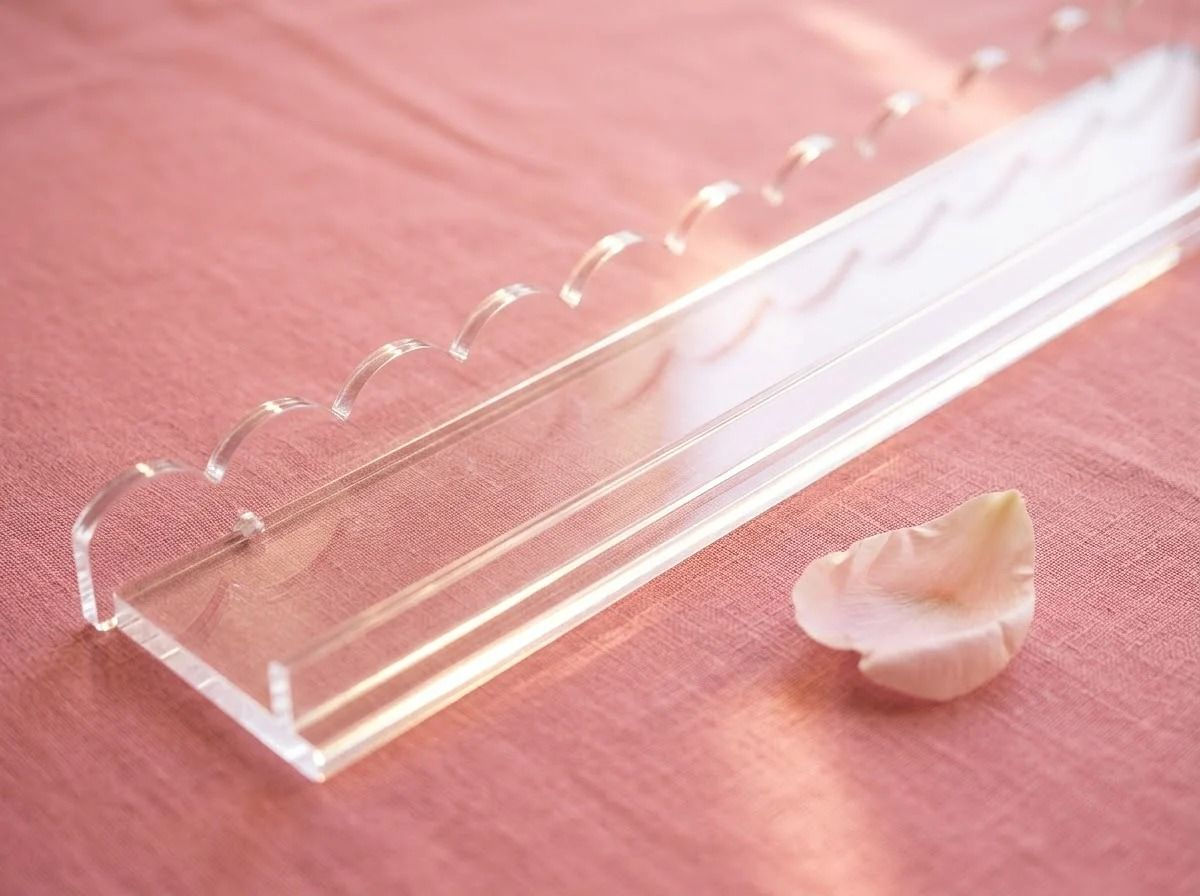
A modern mahjong rack is a wooden or acrylic frame that sits in front of you, holding 13–14 tiles upright so opponents cannot see your hand. Racks come with pushers—small sticks that let you slide tiles smoothly without touching them directly—reducing fumbling and keeping the game fast. Most racks are bamboo, wood, or clear acrylic and measure roughly 20–24 inches wide and 2–3 inches tall. They're sold individually or in sets of four. A quality rack with pushers is essential for serious American mahjong play, especially if you host weekly games or play in tournaments. We recommend checking the height (some players prefer short racks; others want taller walls to block sightlines), material durability, and whether the pushers are replaceable before ordering. Mahstead's racks with pushers come with matching tile sets and are designed to last through years of weekly games. 🀄 Shop best-selling mahjong sets →
What size rack fits your hand and table?
Rack height ranges from compact (under 2 inches) to tall (3+ inches). A shorter rack lets you see your cards while playing; a taller one fully blocks opponents' view. Width varies from 18 to 26 inches depending on whether it holds 13 or 14 tiles comfortably. Measure your table depth and playing space before ordering—racks need 2–3 inches of clearance behind them. Most players prefer racks that hold exactly 13 tiles at rest, leaving one tile space for the draw. Choose based on your table size and how much hand concealment your group expects.
✨ Find your Mahstead set — free US shipping →
Bamboo vs. wood vs. acrylic: which material lasts longest?
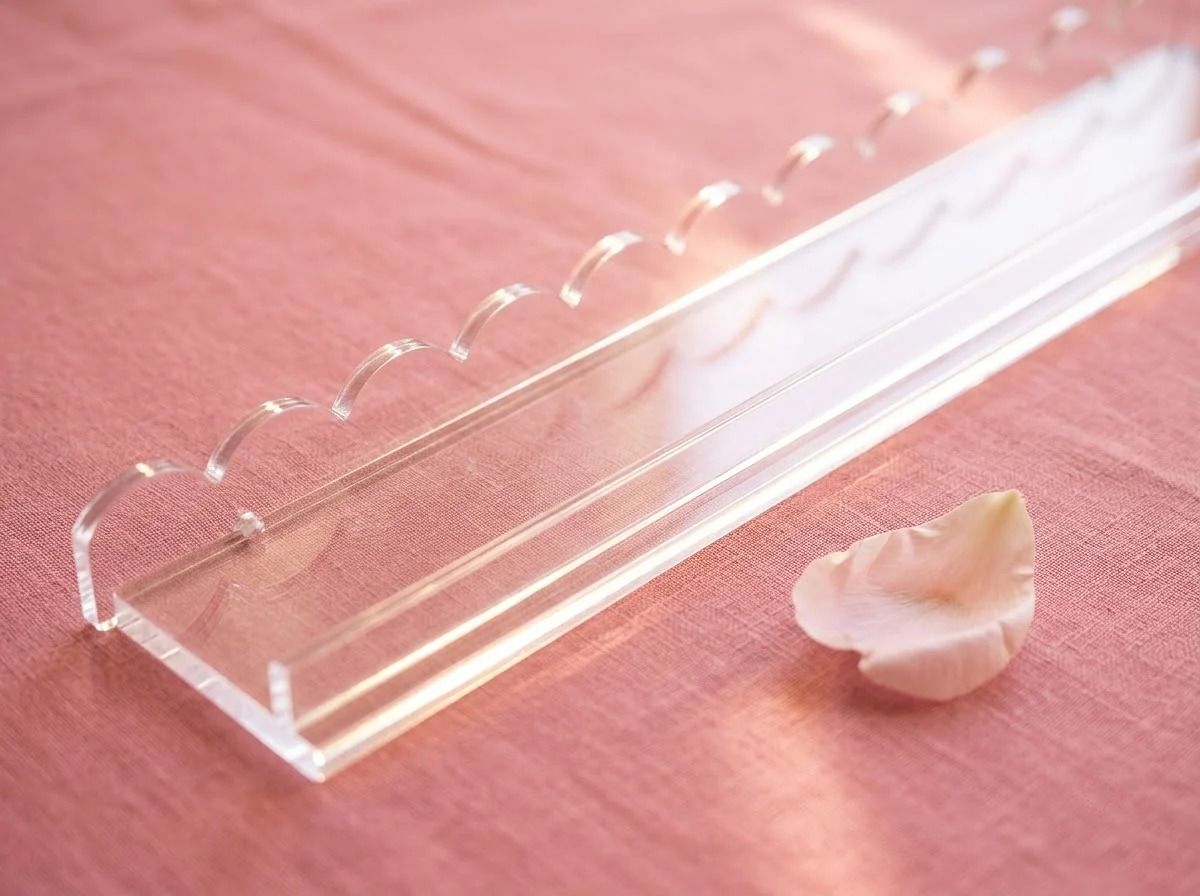
Bamboo is lightweight, naturally smooth, and affordable. Wood (often walnut or oak) feels premium and resists warping over years of weekly play. Acrylic is durable, easy to clean, and available in clear or colored finishes that match engraved tile sets. Acrylic doesn't absorb moisture; wood and bamboo require occasional light oiling to prevent drying and cracking. If you host in a humid climate or play outdoors seasonally, acrylic withstands temperature swings better. For home play in stable conditions, hardwood is the classic choice and feels professional at the table.
Do you need pushers, and can you replace them?
Pushers are thin wooden or acrylic sticks that sit on top of your rack's tile ledges. You use them to shift tiles left or right without your fingers touching the tiles, keeping hands clean and play smooth. Pushers wear down—the contact points eventually splinter or flatten after years of games. Buy racks where pushers are sold separately or included as replaceable spares, so you can refresh them without buying a new rack. Our mahjong racks with pushers include sturdy pushers designed to outlast casual play, and replacement pushers are available if needed.
Should you buy a rack set or individual racks?
Most American mahjong games require four racks (one for each player). Buying a matched set of four guarantees uniform height, width, and material, so the table looks cohesive and all players have equal hand concealment. Individual racks are useful for replacements or if you already own three matching racks. Sets are usually better value than buying four racks separately. If you host weekly games or play in a regular group, a complete set of four racks paired with a dedicated mahjong mat elevates the whole experience and signals serious play.

What's the difference between a rack and a rack-less setup?
In casual play, some groups eschew racks and hold tiles in hand. This feels relaxed but slows the game (players fumble, accidentally expose tiles, drop pieces). Tournaments and serious home games require racks for fairness and pace. A rack-less setup is viable only for low-stakes fun among close friends who don't mind delays. If you're building a permanent game or learning American mahjong, invest in racks with pushers from the start—they're as essential as the tile set itself.
Comparison: Rack Styles for Different Players
Rack Style | Best For | Material | Why It Works |
Compact bamboo | Casual home play, small tables | Bamboo | Affordable, lightweight, easy to store |
Hardwood set | Weekly hosts, semi-serious groups | Oak or walnut | Professional feel, durable, lasts years |
Acrylic (clear/colored) | Modern aesthetic, humid climates | Acrylic | Matches engraved tile sets, moisture-resistant |
Premium wood with custom pushers | Tournament players, collectors | Walnut or maple | Hand-finished, replaceable parts, investment piece |
🎁 See our most-loved mahjong sets & accessories →
What to Check Before You Buy
Height clearance: Measure the distance from your table surface to any wall or chandelier behind the rack. Taller racks need 3+ inches; compact racks fit tight spaces.
Pusher fit: Test a pusher sample if possible—it should glide smoothly on the tile ledge without binding or falling through gaps.
Material in your climate: If you play outdoors or in a basement, acrylic tolerates humidity and temperature swings better than bamboo or wood.
Matching your set: If you own an engraved or custom tile set, verify the rack finish (color, wood tone) complements it visually. Clear acrylic works with any tile design; stained wood may clash with certain aesthetics.
Spare pushers: Confirm whether pushers are replaceable. Wear is inevitable; easy replacement adds years to your investment.
Four-rack sets: Always buy matched sets if starting fresh. Mismatched racks create an uneven, unprofessional table.
We host weekly games, and the right rack setup changed everything. We started with mismatched bamboo racks and fumbled through shuffles. Within one season, we invested in a matched hardwood set with quality pushers—the game tightened up, sightlines became fair, and play flowed. If you're serious about American mahjong, a modern rack with pushers isn't optional; it's the foundation of respect at the table.
✨ Find your Mahstead set — free US shipping →

FAQ
Can you use a mahjong rack with any tile set?
Yes. Any standard American mahjong tile set works with any modern rack. Check that tile size is standard (roughly ¾ inch wide); oversized or miniature tiles may not sit properly on the ledges. Verify the ledge depth before ordering if you're uncertain.
How often do pushers need replacing?
With weekly play, pushers typically show wear after 2–3 years. With casual monthly play, they last 5+ years. Contact points flatten from repeated tile sliding; replacement pushers are inexpensive and keep your racks functional indefinitely.
Should a rack be tilted or flat?
Most racks sit flat on the table. Some premium designs have a slight backward tilt (5–10 degrees) to improve hand concealment and tile visibility. Tilt is a luxury; flat racks work fine for all skill levels. Test both if you're deciding between styles.
What's the ideal number of racks to own?
Buy at least four matching racks (one per player) if you host regularly. If you travel to different games, one portable rack per player is practical. Backup racks are useful if a pusher breaks mid-season or you add a fifth regular player.
Can children use mahjong racks safely?
Yes. Racks have no sharp edges or moving parts beyond pushers. Ensure racks are stable (not tippy) and pushers aren't loose. Supervise young players learning the game to prevent throwing or mishandling racks.
Do acrylic racks scratch easily?
Acrylic scratches if dragged across rough surfaces. Handle gently and store in a padded mahjong bag or case. Light surface scratches don't affect function but can be minimized with careful use and storage.


View More
View More
View More
