
Wright-Patterson Mahjong: Rules, Setup & Game Guide
Last updated: Nov 23, 2026
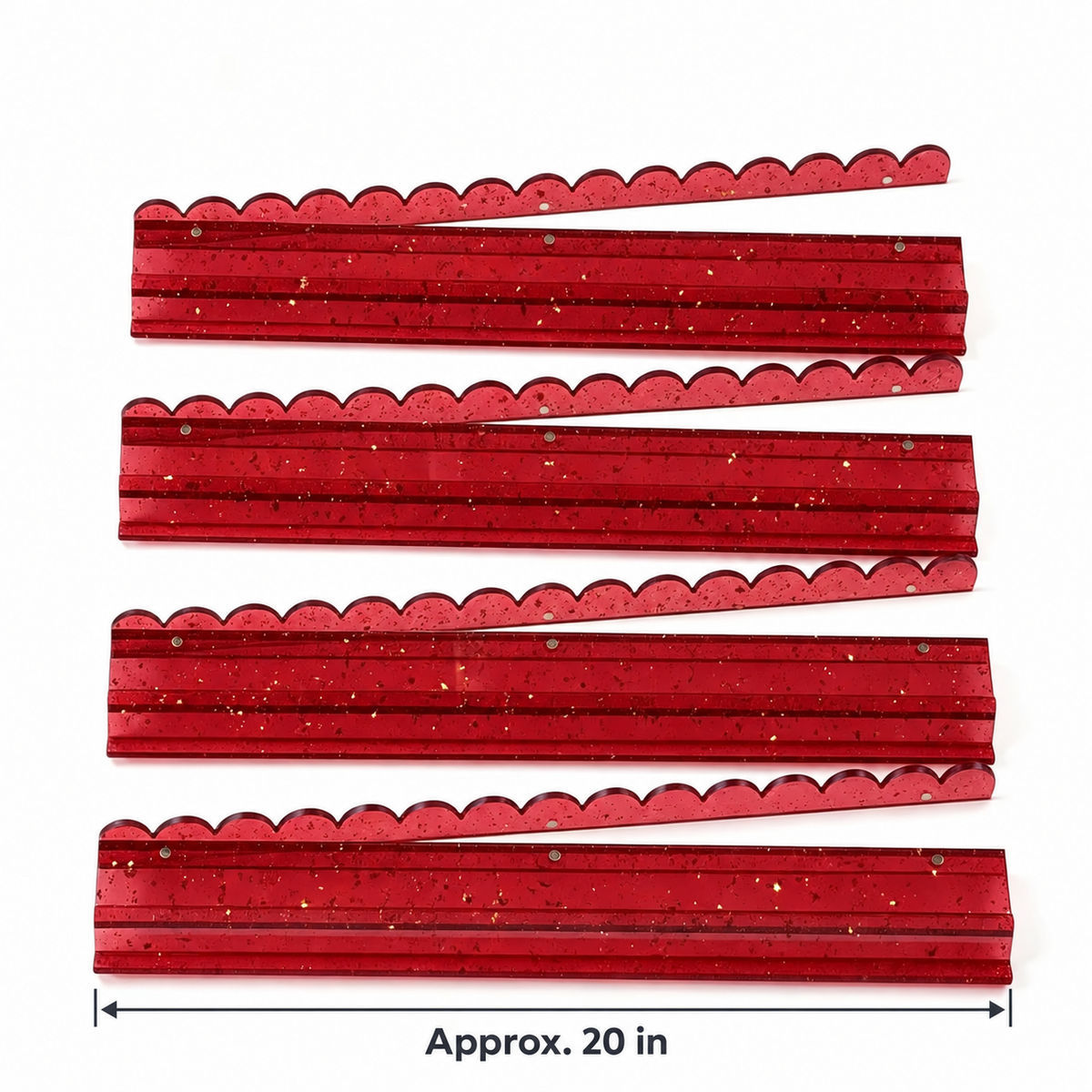
Wright-Patterson refers to mahjong play in and around the Ohio community near the base. American mahjong (the standard in the U.S.) uses 152 tiles—Bams, Craks, and Dots in numbers 1–9, plus Winds, Dragons, Flowers, and 8 jokers. Each game seats four players who draw tiles, perform the Charleston (a tile-passing ritual), then build hands matching the current year's National Mah Jongg League card. A game typically lasts 30–60 minutes per hand, though beginners take longer. You'll need a best-selling mahjong set, a mat to organize tiles, and racks to hold them upright. Most sets sold today include spare jokers and blanks. Avoid cheap plastic tiles that stick or crack; quality acrylic sets last decades in weekly play.
What is "Wright-Patterson mahjong"—a specific variant or local scene?
Wright-Patterson mahjong refers to the American mahjong community playing near or at Wright-Patterson Air Force Base in Greene County, Ohio. It's not a separate game variant; it's American mahjong played by service members, families, and residents in that region. The base and surrounding Dayton-area communities host regular players who follow National Mah Jongg League rules and the annual card. If you're new to the area or the game, "Wright-Patterson mahjong" simply means joining the local four-player table using standard American rules, tiles, and hands from the current league card.

How do I find a mahjong game near Wright-Patterson?
Start with community centers, libraries, and synagogues in the greater Dayton area—they often host weekly or monthly groups and post schedules online. Check Meetup, Facebook community boards, and local parks-and-recreation catalogs for "mahjong" or "mah-jongg" listings. Country clubs sometimes have standing mahjong nights. Ask at senior centers; many run afternoon games. Post on local community boards or church bulletins. If you're on base, check the recreation office or employee activities board. New players are almost always welcome; groups typically teach as you go. Start by observing a game to watch tile flow and hand patterns.
What are the core American mahjong rules I need to know?
American mahjong seats four players who each draw 13 tiles, then take one from the wall each turn. You discard one tile per turn, and other players can claim your discard to build exposed melds (pungs, kongs, or quints—never sequences or chows). Jokers can appear in exposed melds but never as a single tile or in a pair. The Charleston happens before play starts: players pass tiles three times in sequence directions. You win by matching a hand from the current National Mah Jongg League card, declaring "Mah Jongg" when complete. American mahjong has no limit hands—you read the yearly card to find legal combinations. Unlike Chinese or Riichi mahjong, there are no sequences; only identical-tile melds and honor combos matter.
🀄 Shop best-selling mahjong sets →
What's the difference between American, Chinese, and other mahjong variants?
Variant | Tiles | Melds | Hand Source | Play Speed | Hand Limit |
American | 152 + 8 jokers | Pungs, kongs, quints, sextets only | National league card (1 year) | Moderate (30–60 min) | ~250 hands/year |
Chinese (Simplified) | 136–144 | Chows (sequences) + pungs + kongs | Scorer's reference book (fixed set) | Slower (45–90 min) | ~80–120 fixed hands |
Hong Kong | 144 | Chows + pungs + kongs | Complex scoring rules | Slow (60+ min) | ~100+ hands |
Riichi (Japanese) | 136 | Chows + pungs + kongs + pairs | Tileset reference | Fast (20–40 min) | ~30 basic hands |
Taiwanese | 144 | Chows + pungs + kongs | Scorer's book | Moderate–slow | ~100+ hands |
American mahjong is the fastest because the yearly card narrows legal hands, jokers speed melds, and no sequences simplify learning. Chinese and Asian variants require memorizing many more hands and play longer. If you're in Ohio joining a base community, you'll almost certainly play American mahjong unless the group specifically organizes a Chinese or Riichi night.
What equipment do I need to host a Wright-Patterson mahjong game?
The essentials:
A 160-tile mahjong set (152 playing tiles + spares) with clear, easy-to-read marks on each tile
A mahjong mat with dividers to organize tiles and track discard piles
Four tile racks with pushers to hold your hand upright and move tiles without dropping them
Dice to randomize wall selection at game start
A current-year National Mah Jongg League card (updated each spring)
A small bag or case to transport and store everything between games
For a table that plays every week, quality matters: acrylic tiles resist sticking and cracking after thousands of plays; a good mat protects wood tables and speeds cleanup; racks with pushers prevent dropped tiles and carpal strain during long sessions. If your group hosts monthly at a community center or base rec room, invest in a mahjong mat and racks with pushers designed to last—they're used across dozens of games per year and pay for themselves in durability.
🎁 See our most-loved mahjong sets & accessories →

How do I set up a game and perform the Charleston correctly?
Game setup (5 minutes):
Seat four players around a table. Decide wind positions (East, South, West, North).
Place all 152 tiles face-down and shuffle thoroughly for 1–2 minutes.
Build a tile wall across the center, 17 stacks high (two tiles per stack, face-down).
Each player draws 13 tiles from their wall section; East draws one extra (14 total).
The Charleston (3 passes total):
Pass 1 (right): Each player passes three tiles to their right neighbor simultaneously.
Pass 2 (across): Pass three tiles to the player opposite you.
Pass 3 (left): Pass three tiles to your left neighbor.
Optional pass (dead man's hand): Some groups allow a fourth pass: each player puts three tiles in the center; players take one blindly from any pile.
After passes complete, East discards one tile to start play. Turns rotate: each player draws from the wall, then discards. If a player can use your discard for a pung, kong, or quint, they claim it (and the turn passes to them). Otherwise the next player draws from the wall.
What hands can I play—how do I read the mahjong card?
The National Mah Jongg League card (published every spring, valid for one year) shows all legal winning hands as grouped sections: quint/sextet combos, pung/kong combinations, and pair types. Each hand is a diagram showing tile values and suits, organized by pay value (points won if you declare that hand). For example, a section might display:
"Two quints (Bams and Craks) + one pung (Dragons) + pair (Dots)—30 points"
To win, your 14 tiles (or 13 + your final draw, depending on how you went out) must match exactly one hand listed on the current card. You cannot invent hands. If no hand matches, you cannot win that round. How to read the mahjong card is a skill—new players often misread sections or assume hands exist that don't. Study the card before your first game or ask an experienced player to walk you through 2–3 hands.
What are common beginner mistakes at the mahjong table?
Mistake 1: Discarding without thinking ahead. New players throw any tile carelessly. Skilled players track what others need and avoid feeding them dangerous discards. Before discarding, glance at discard piles—if three Bams are showing, the fourth is still in play and risky to throw.
Mistake 2: Calling melds too slowly or missing them. If another player discards a tile you need for a pung or quint, claim it immediately with a clear "Pung!" or "Kong!" If you hesitate or say nothing, the turn passes. Some groups allow a brief grace period; others don't.
Mistake 3: Misunderstanding joker rules. Jokers can only appear in exposed melds (pungs, kongs, quints, sextets). You cannot use a joker as a single tile, in a pair, or anywhere in your hidden (concealed) hand. If you see a joker as a pair, that's an illegal hand—stop and clarify.
Mistake 4: Trying to force a hand instead of pivoting. Many hands exist on the card. If you're holding mostly Bams and no Craks, don't force a Bam-heavy hand when a Dots-heavy option is forming. Watch what tiles are being discarded and shift your strategy.
Mistake 5: Not learning the card layout. The card is organized by pay value, not by difficulty. A 30-point hand might be simpler than a 50-point hand. Before you play, thumb through the card's sections to get a sense of what's common and what's rare.
Mistake 6: Forgetting the Charleston timing. The Charleston happens before any hand is played. Some new players think it's optional or that it happens mid-game. It's mandatory at the start of each new hand. Mark the moment clearly: "Shuffling… done. Charleston starting… now."
What to check before you buy your first set:
Tile size & weight. American mahjong tiles are typically 1.2–1.3 inches wide and weigh 2–3 grams each. Hold one before buying if possible—it should feel substantial and not flimsy.
Marking clarity. Tiles should have high-contrast marks (red Craks, green Bams, white/gray Dots) readable from across a table under indoor light. Avoid sets with faint marks or poor paint.
Rack and pusher fit. If buying a set bundled with racks, ensure the pusher mechanism moves smoothly and holds tiles firmly without jamming.
Spare tiles. A 160-tile set includes spares (extra jokers and/or blanks) for replacement. Check that spares are included before checkout.
Case or bag quality. If travel or storage matters, verify the case has a sturdy latch, padded interior, or reinforced seams—not just a thin cloth bag.
Return policy. Ask the seller if you can return a set if tiles are cracked or mis-marked upon arrival. Quality sellers stand behind their products.
Engraved American mahjong sets are popular for groups that play regularly—customizable marks, team names, or names on the case make sets memorable and help identify tiles if sets are mixed.
✨ Find your Mahstead set — free US shipping →
How long does a game take and how many hands should we play?
A single hand (one player winning or a draw) typically takes 20–40 minutes for experienced players, 45–90 minutes for beginners. The Charleston and setup add 5–10 minutes at the start. A typical session is 4–6 hands (2–5 hours total). Most weekly groups meet for 2–3 hours and play 3–4 hands. Scoring happens quickly (60–90 seconds) once someone wins. If you're organizing a game at Wright-Patterson or in your community, plan for 3 hours if you have newer players, 2 hours if everyone knows the game. Wind positions rotate after each hand (East → South, South → West, etc.), so everyone gets a chance to play in favorable seating.

FAQ
Is mahjong played at Wright-Patterson Air Force Base officially or just casually?
Mahjong is played casually by residents and service members, often through base recreation programs or informal groups. The base itself doesn't host an official league, but base rec centers sometimes organize game nights. Check with the recreation office or employee activities board for current offerings.
Do I need to know Chinese to play American mahjong?
No. American mahjong uses English numbers and symbols on tiles (1–9, suit marks, directional letters N/E/W/S). Knowledge of Chinese is helpful for understanding tile names (Bam, Crak, Dot), but it's not required to play or win.
Can I play mahjong online if I can't find a local group?
Yes. Online platforms and mobile apps offer American mahjong, though they vary in rule accuracy and user experience. In-person play is traditional and faster, but online is a good way to learn and stay sharp between sessions.
What's the cost of a decent mahjong set for home use?
See current prices on the best-selling collection page. Sets range widely based on material, tile quality, and bundled accessories. Budget for a mat and racks separately if not included.
Do I have to use the official National Mah Jongg League card?
For American mahjong, yes—the card is mandatory and updated yearly (valid spring through spring). Using an old card leads to disputes. Most sellers and clubs provide the current card, or you can order directly from the National Mah Jongg League.
What should I do if I find a cracked or mis-marked tile in my new set?
Contact the seller immediately with photos. Quality sellers replace damaged tiles or entire sets within a reasonable window (typically 30 days). Keep your receipt and original packaging.
Is American mahjong harder than other variants?
American mahjong is often easier for beginners because the yearly card limits hands and jokers speed melds. Chinese and Asian variants require memorizing 100+ hands and take longer to learn. If you're starting out, American is a good entry point.


View More
View More
View More
