
Riichi Mahjong Tile Sets: How to Choose for Real Play
Last updated: Nov 23, 2026
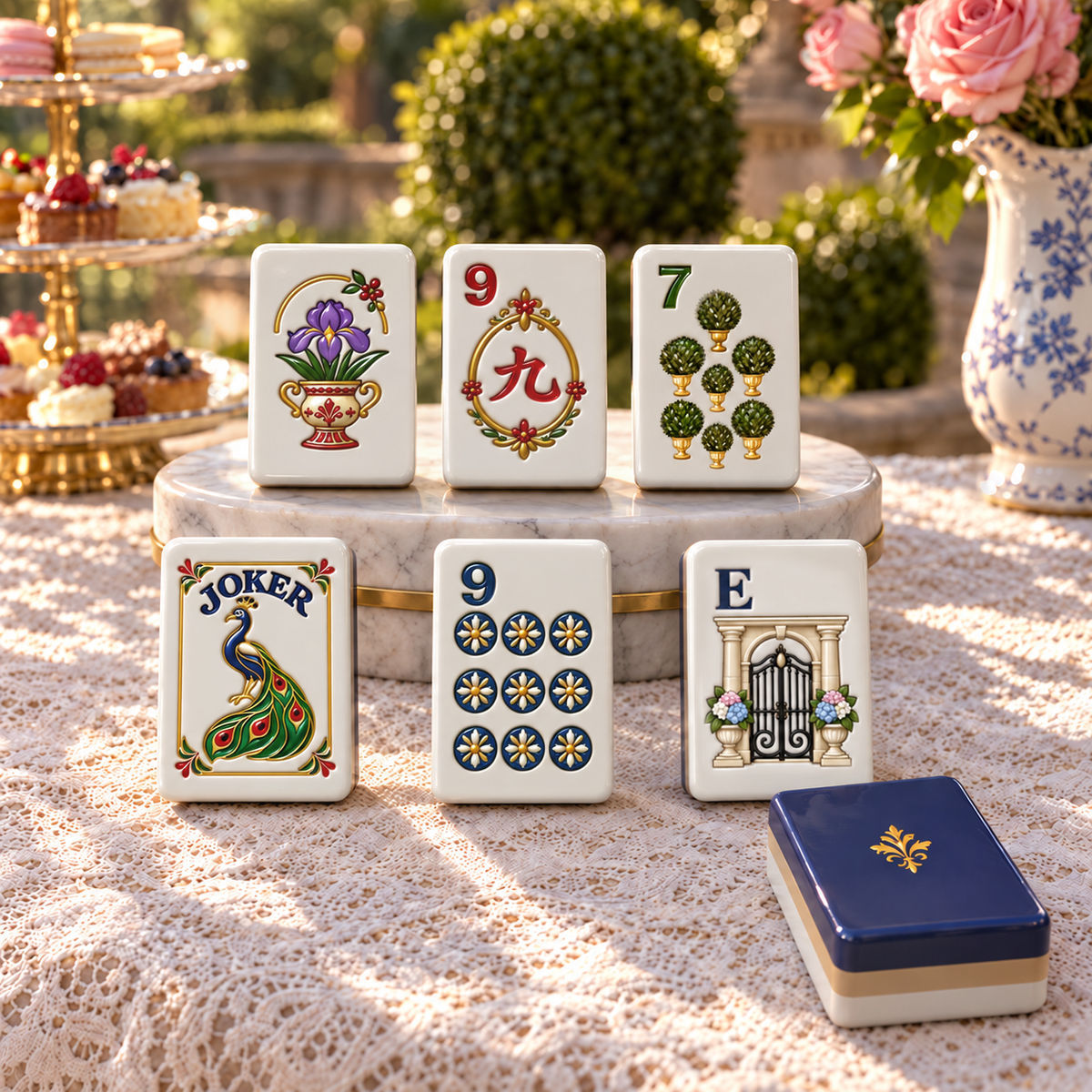
Riichi (Japanese) mahjong uses 136 tiles—four copies each of 34 unique tiles: three number suits (1–9 Bamboo, Character, Dot), honor tiles (four Winds, three Dragons), and eight flower tiles. It plays with 4 players around a table divided into quadrants, with hand-building through melds (pung, kong, chow—yes, sequences count here, unlike American mahjong) and a strict turn structure. A riichi call freezes your hand and bets on a winning draw; scoring uses a complex point system based on hand complexity and winning method. Tile sets are usually acrylic or bone, compact (smaller than American sets), and include wind markers and score sticks. Riichi is faster and more tactical than American mahjong; most learning curves take 4–6 weeks of weekly play. Sets range from student-grade plastic to premium materials; choose based on how often you'll play and whether you want hand-feel that matches tournament-quality tiles. 🀄 Shop best-selling mahjong sets →
Riichi mahjong plays by entirely different rules than the American variant. You won't use a card, you can meld sequences, and sets contain fewer tiles. If you've played American mahjong, riichi will feel like learning chess after checkers—familiar tools, alien strategy.
How is riichi mahjong different from American mahjong?
American mahjong uses 152 tiles, no sequences (chows), a yearly League card that dictates valid hands, and a Charleston tile-pass ritual. Riichi uses 136 tiles, requires chows as core melds, has a single timeless hand-set (patterns repeat forever), and skips the Charleston. American hands are pre-designed; riichi hands emerge during play. Scoring in American is hand-by-hand and zero-sum; riichi accumulates points across rounds with dealer advantages. Both are skill games, but riichi emphasizes real-time decision-making and tile-reading; American rewards pattern memory and negotiation.

What tile count should a riichi set have?
Riichi mahjong always uses exactly 136 tiles: 4 × 34 unique tiles. Unlike American sets (which come as 152, 160, or 166 for spare jokers), riichi sets are uniform—136 playing tiles, no extras. Some retailers sell "deluxe" riichi sets with extra blanks or spare tiles for practice, but gameplay never adds them. Buy a genuine 136-tile set; anything else suggests a misprint or hybrid design. Confirm the tile list before ordering: you need four of each Wind (N, E, S, W), three Dragons (White, Green, Red), all nine numbers in three suits, and eight flowers.
What material should you choose for a riichi set?
Material type | Hand-feel | Durability | Best for | Maintenance ---|---|---|---|--- Plastic (PVC) | Light, smooth | 3–5 years, moderate wear | Beginners, casual weekly play | Wipe with soft cloth Acrylic | Crisp, slightly heavier | 5–10 years, good ding resistance | Serious amateurs, learning tournaments | Light water rinse, air dry Bone/bamboo composite | Warm, textured grip | 10+ years, premium feel | Players who want authentic tournament touch | Avoid moisture, polish occasionally Bakelite (vintage) | Satisfying click, warm | Decades if kept dry | Collectors, full-time players | Handle carefully, no heat
Most of us start with acrylic. It's durable enough for 2–3 games per week, doesn't chip easily, and the tile weight gives you real feedback when you draw. Plastic works for casual play but shows wear after a season. Bone or bamboo is overkill unless you play 5+ times weekly or compete.
🎁 See our most-loved mahjong sets & accessories →
How do you read a riichi mahjong tile?
Riichi tiles use simple iconography. Numbers are printed large on corners (1–9); suits are shown by symbols—Bamboo (look like stalks), Character (looks like a brush stroke or Chinese ideogram), Dot (simple circle pip). Winds and Dragons have abbreviations: N/E/S/W or 北/東/南/西 (kanji); White (blank), Green (stylized symbol), Red (red-colored). Flowers show a single number (1–8, sometimes with seasonal kanji). Orientation is standardized: read the number from any corner, and suit symbol is consistent across all four copies. If tiles are hand-painted, read carefully—poorly executed sets muddy the symbols. Order from a maker who samples photos before shipping; we inspect every acrylic set before it leaves, and our tiles are laser-marked for clarity.
What size tiles work best for your hands?
Standard riichi tiles are approximately 28–30 mm square and 16–18 mm thick—smaller and thinner than American mahjong tiles (which are typically 30–33 mm). Hold a sample if possible before ordering; if you have large hands, you may find standard riichi tiles cramped during draws. Some players buy slightly oversized riichi sets (32–34 mm) for comfort, though these aren't tournament-standard. We recommend standard 28–30 mm for players with average-to-small hands; test with friends' sets first if you're unsure. Tile weight matters too: lighter tiles (plastic) slide easier but feel less satisfying; heavier acrylic demands more precise stacking but rewards good wall-building technique.

What should you check before buying a riichi set?
Before you order, verify these five points:
Tile count label: Confirm "136 tiles" on the product listing, not "160" or "144." A mislabeled set wastes your money.
Tile symbol clarity: Request or view a sample photo. Blurry suit marks or faint numbers make quick reading impossible mid-game.
Completeness list: Check that all four Winds, three Dragons, eight Flowers, and all numbers 1–9 in three suits are explicitly listed. Count the photos if included.
Included accessories: Verify whether you get wind markers (used to track the current wind round), a score stick or pad, and a dice. These aren't always bundled.
Return policy: Ask about returns if tiles arrive mismatched or chipped. We accept returns within 30 days if any tile is defective on arrival.
Riichi sets are specialized; if the seller can't answer these questions clearly, shop elsewhere. We stock tiles in our best-selling collection and can walk you through every detail before you commit.
How much storage and table space does a riichi set need?
A riichi set (136 tiles plus accessories) occupies roughly 12 × 10 × 4 inches when packed. A travel bag or case keeps everything together and protects tiles during transport. Gameplay requires a 2.5 × 2.5 foot playing surface minimum; a standard dining table works fine. If you host weekly games, invest in a dedicated mahjong mat—it defines quadrants, adds a felt base that prevents tiles sliding, and makes shuffling quieter. Mats designed for American mahjong also fit riichi sets; just ignore the American hand-pattern printed sections. Racks with pushers hold your hand vertically and are optional but widely used by serious players—they speed up play and prevent accidental tile reveals.
✨ Find your Mahstead set — free US shipping →
Are there riichi variants that change tile count or play style?
Yes. Dora (standard competitive riichi) uses 136 tiles as described above. Kuitan removes a few hand categories to simplify scoring for beginners; still 136 tiles. 3-player riichi (sanma) removes the East Wind and all 5-Dot tiles, cutting to 108 tiles—a completely different game. Mahjong Soul and online apps use standard riichi rules on digital tiles with no physical set needed. If you're learning riichi for the first time, buy a standard 136-tile set for 4-player dora; you can explore variants after you're confident.
What's the learning curve, and do you need lessons?
Most casual players learn riichi in 3–6 weeks of weekly 2-hour sessions. The rules are simpler than American mahjong (no card, no Charleston), but tile-reading and hand strategy take time. We recommend finding a local club (search community centers, libraries, or cultural organizations in your area) where someone can teach you in person—written rules alone won't stick. Many Japanese cultural centers and Asian community groups host weekly open games; show up with your set and ask for a teaching table. Online tutorials on YouTube and MahjongSoul help, but nothing replaces live play. Budget an evening or two for setup; you'll be competitive within a month.

FAQ
Can I use an American mahjong set to play riichi?
No. American sets have 152 tiles (wrong count), include jokers (riichi doesn't use them), and lack the right flower distribution. Buy a proper 136-tile riichi set; they're affordable and dedicated.
Do I need wind markers and score sticks?
Wind markers track the current wind round; score sticks tally points. They're not essential for casual play (use pen and paper), but they speed up games and prevent disputes. Most riichi sets include them.
What's the difference between dora and sanma riichi?
Dora is 4-player standard riichi with 136 tiles. Sanma is 3-player riichi with 108 tiles (removed East Wind and all 5-Dots). Learn dora first; sanma is a specialty variant.
How often should I clean my riichi tiles?
Wipe with a soft, dry cloth after every game. If tiles feel sticky (dust buildup), rinse gently in cool water, pat dry immediately, and air-dry for 2–3 hours. Never soak or use heat.
Can I play riichi with fewer than 4 players?
Standard riichi requires 4 players. 3-player riichi (sanma) exists but uses a different 108-tile set and modified rules. 2-player variants exist online but are rarely played with physical tiles.
Where can I find local riichi mahjong clubs?
Search your city's community centers, libraries, and cultural organizations online. Many Asian cultural associations and Japanese prefectural societies host weekly open games. Meetup.com sometimes lists mahjong groups by region.
Should I buy a premium set if I'm just learning?
Start with mid-range acrylic. Premium bone sets are lovely but overkill for beginners. Upgrade after 3–6 months of regular play if you enjoy the game and want better hand-feel.


View More
View More
View More
