
Why Visually Impaired Players Love Mahjong
Last updated: Nov 23, 2026
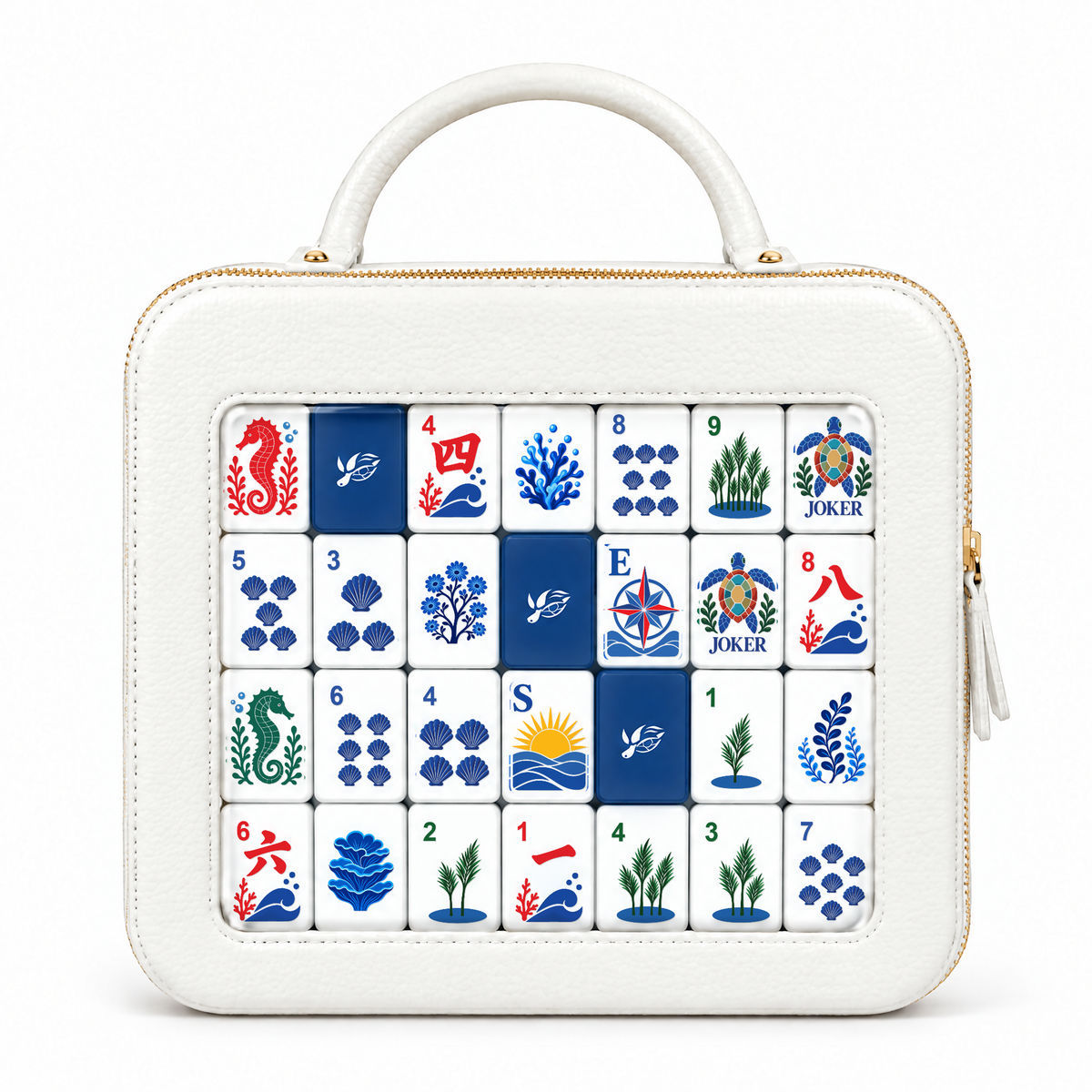
Visually impaired and blind players have long found deep engagement in mahjong because the tiles offer clear tactile feedback, patterns can be learned by feel, and the social rhythm of the table transcends vision. Acrylic American tiles deliver distinct tactile cues—raised bamboo nubs on Bams, etched relief on Craks, smooth dots on Dots, and embossed winds and dragons—making hand recognition possible by fingertip alone. Memorizing the standard 152-tile layout, learning card patterns by sound and verbal callouts, and relying on sighted partners or audio cuing systems transforms mahjong into a fully participatory sport.
How do blind players actually identify tiles by touch alone?
Each suit has its own tactile signature. Bams feature raised bamboo-stalk patterns; Craks carry etched relief lines; Dots are smooth and numbered. Winds (North, East, South, West) and dragons (Red, Green, White) have distinctive embossed characters or symbols. A player learns these differences through repeated handling—the same way sighted players memorize visual patterns—and develops speed and confidence over weeks or months. Most acrylic tiles, especially those with deep embossing and consistent molding, support this tactile learning far better than bone or bamboo tiles, which can have slight surface irregularities.
🀄 Shop best-selling mahjong sets →

What role do sighted guides and audio systems play?
Many accessible tables use a sighted partner or guide who sits beside the visually impaired player and verbally announces drawn tiles, discards from other players, and potential hand combinations. Some groups have experimented with audio cuing—a player speaks aloud each discard as it lands, or a tape records plays describing the tile mix. The National Mah Jongg League card (updated yearly and read aloud or in braille) tells players which hand combinations win in that season. This verbal layer transforms mahjong from a silent, visual coordination into a fully acoustic game—and many sighted players find the audio-narrated table just as engaging because it slows the rhythm and forces strategic thinking.
Why is memory more important than sight in mahjong?
American mahjong is fundamentally a memory game: the current year's League card defines legal hands, so knowing which patterns and tile sequences count is learned. Tracking discards—which player threw which tile, when, and why—matters far more than seeing the tiles in front of you. Blind players often outperform sighted novices because they must develop these cognitive skills from the start. Strategic thinking, probability (remembering which tiles remain), and reading opponents' play—all invisible to sight—drive winning. A sighted player distracted by the visual layout often plays weaker than a visually impaired player who has honed listening and calculation skills over years.
What accessibility gear makes hosting an inclusive game easier?
Setup Element | What It Does | Why It Matters |
Acrylic tile set | Consistent embossing, durability over years, clear tactile relief | Blind players learn faster; standardized feel across all games |
Organizing racks with pushers | Separates tiles, prevents accidents, keeps hand sorted | Guide can quickly locate tiles by position; player avoids knocking over hand |
Mahjong mat | Cushioned surface, defined zones for wall and discard pile | Reduces sound confusion; tile placement is predictable and retrievable |
Audio narration protocol | Designated speaker calls discards and tile draws aloud | Every player (blind or sighted) hears the same information; no assumptions |
A well-designed mat with defined zones (wall area, discard pile, hand area) helps the blind player maintain spatial orientation. Racks with pushers keep the hand sorted and prevent tiles from sliding or being knocked over mid-hand. Consistent acrylic tiles mean a player's learned tactile knowledge carries over from one game to the next. Audible callouts—even in a sighted-only game—often improve everyone's play because nobody relies on incomplete visual memory.
🎁 See our most-loved mahjong sets & accessories →

Where can visually impaired players find inclusive mahjong groups?
Many community centers, senior centers, libraries, and synagogues now host mahjong nights open to all ability levels; some actively recruit blind players or run accessible game sessions. Ask your local recreation department, senior services, or disability advocacy organization if they know of groups nearby. Online communities and regional blind associations sometimes organize virtual or in-person games. Starting your own accessible table is also straightforward: recruit a core group of sighted guides or narrators, buy a durable tile set, and establish a simple audio-callout protocol so everyone stays in sync. The mahjong community—especially long-term players—tends to welcome newcomers and adapt the table to meet people where they are.
Learn the rules of American mahjong to host or join a game with confidence, whether you're guiding a blind friend or learning alongside one.
What tiles and sets work best for tactile play?
Acrylic American mahjong sets with deep embossing, consistent molding, and clearly differentiated suit textures support blind play far better than decorative or novelty sets. The best-selling collections here feature standard-size acrylic tiles with pronounced relief—exactly what you need for reliable tactile identification. Avoid thin plastic sets or those with worn or shallow embossing, where suit differences become hard to feel. Custom-engraved sets can be ordered with themes or names, which doesn't change tactile function but may help sighted guides remember who's playing or add a personal touch to a group's regular game. Spare jokers and tiles are included in a 160-tile set, so if one becomes worn over months of inclusive play, a spare is on hand.
✨ Find your Mahstead set — free US shipping →
What to check before you buy
Tile embossing depth: Run your finger across a sample or read detailed photos. Deep, consistent relief is essential.
Material: Acrylic is durable and retains tactile detail over years; check that molding is uniform (no rough edges or flat spots).
Set completeness: A 160-tile set includes all 152 playing tiles plus spares. Confirm you're not missing wind or dragon sets.
Racks and organizers: If guiding a blind player, invest in racks with pushers to keep the hand sorted and safe.
Mat or table cover: A mahjong mat defines zones and reduces clutter; it's worth the small outlay for accessibility.
Storage and transport:Bags and cases protect tiles and make setup/cleanup faster at community venues.

FAQ
Can a completely blind player win at American mahjong?
Yes. Strategy, memory, and listening matter more than sight. Blind players often excel at card memorization and probability. With a sighted guide or audio callouts, a blind player has the same odds as any sighted novice—skill and practice determine outcomes.
Do I have to modify the rules for visually impaired players?
No. American mahjong rules remain unchanged. The only modification is how tiles are announced and tracked—verbally or by guide—not the game itself. The standard 152-tile deck, hand-winning patterns from the yearly League card, and scoring all stay the same.
What's the best way to announce tiles for an inclusive table?
The discarder or a designated caller says aloud the tile suit and number—for example, "five Dots" or "East wind"—as it hits the table. Each draw from the wall is also announced. This rhythm quickly becomes second nature and actually speeds up many sighted players' decision-making too.
Should I buy a special "blind-friendly" mahjong set?
No special variant exists, but look for standard acrylic American sets with deep, consistent embossing and uniform tile molding. Mahstead's standard sets meet these tactile requirements; avoid novelty or decorative sets with shallow or uneven relief.
How long does it take a blind player to recognize all tiles by touch?
Most players need 3–6 weeks of regular play to reliably identify all 152 tiles by feel. Speed improves over months. Muscle memory and pattern recognition develop the same way sighted players learn to spot cards—through repetition and play.
Can I play mahjong online if I'm visually impaired?
Some online platforms support audio or screen-reader narration, but in-person play with tactile tiles and a guide or audio narrator remains the most accessible and engaging option. Check accessibility features on any platform before joining.


View More
View More
View More
