
Designer Mahjong Pushers: How to Choose the Right Fit
Last updated: Nov 23, 2026
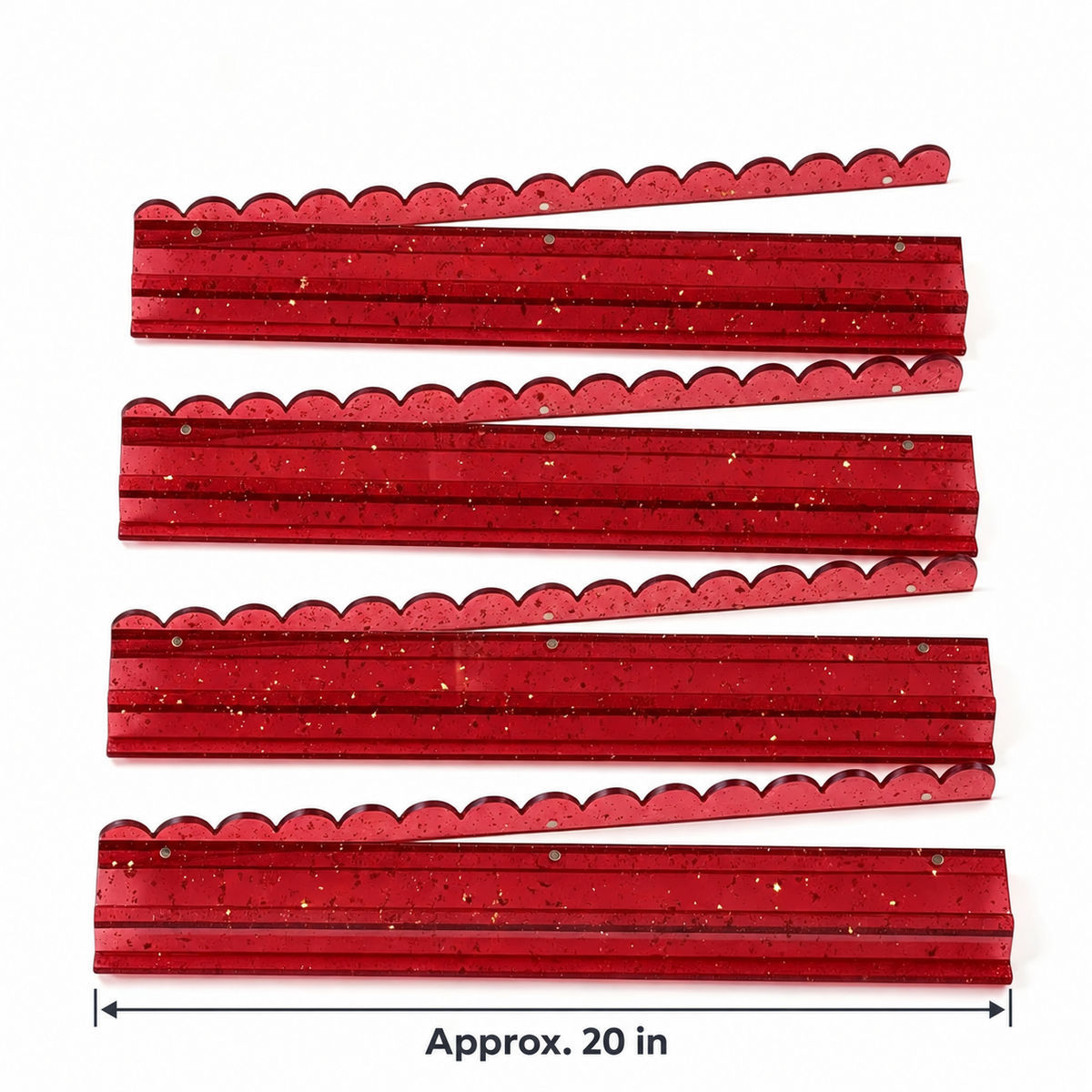
A mahjong pusher is a flat tool that slides tiles forward to form a neat wall or hand, keeping them organized and preventing fumbles during fast play. Pushers come as pairs (one per player) and are sold as part of mahjong racks with pushers or standalone. American mahjong pushers are typically 1.5–2 inches long, made from acrylic, bamboo, or bone, and often engraved with designs, jokes, or personalized text. Cost varies by material and customization; acrylic pushers with simple designs or humorous text cost less than hand-carved bone sets. The best pusher for you depends on your grip preference, whether you want engraving, and how often you transport your set. Avoid buying loose pushers without matching racks—they're nearly impossible to store neatly, and mismatched pairs slow the game down.
Designer pushers transform a casual mahjong evening into something you'll actually look forward to. We've hosted weekly games for years, and the moment someone brings a set with thoughtful, durable pushers—whether engraved with a witty saying or crafted from quality acrylic—everyone notices. The pusher does one essential job: it lets you slide tiles from your hand onto the wall or tableau without knocking them over. But the design of that pusher affects your comfort, grip, speed, and whether you'll still want to use it after a dozen games.
🀄 Shop best-selling mahjong sets →
What exactly does a mahjong pusher do?
A pusher is a flat blade, typically tapered at one end, that sits under a tile and slides it forward. During play, you use it to move tiles from your hand to your tableau or wall without touching them directly—this keeps the tiles clean and prevents accidental exposure or damage. In American mahjong, speed and tidiness matter; a good pusher lets you organize a 14-tile hand in seconds, and it's especially useful when you're melding or drawing tiles quickly. A pusher also serves as a physical barrier, giving your hand a defined boundary that other players can see at a glance. If you've ever tried playing without one and watched tiles scatter or pile unevenly, you'll understand why veteran players won't leave home without them.
Why should your pushers match your mahjong set?
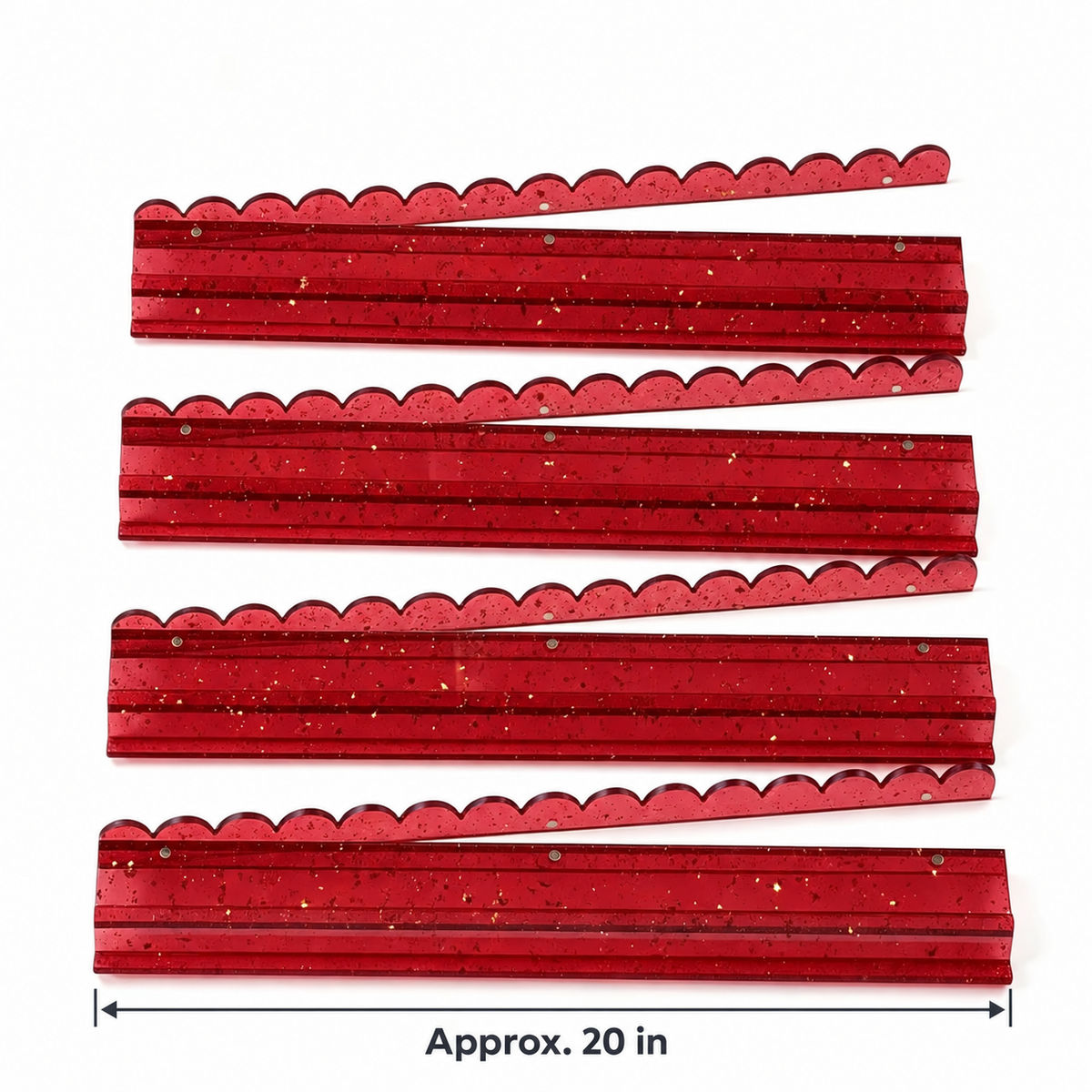
Cohesion matters at the table—not just functionally, but psychologically. When your pushers complement your tile design, color scheme, or personalization, the entire game feels intentional and elevated. A set with engraved American mahjong tiles paired with matching engraved pushers creates a unified aesthetic that signals you take the game seriously. From a practical angle, matching pushers and tiles also help you keep track of your set; if you buy racks and pushers from the same maker, they're almost always designed to fit together snugly, reducing the risk of losing a pusher mid-game. Many of our players have multiple sets for different occasions—one for serious games, one for casual play, one for travel—and matching pushers make it obvious which gear belongs to which set. Mismatched pushers or racks borrowed from different sources often have sizing inconsistencies that lead to frustration.
🎁 See our most-loved mahjong sets & accessories →
Material comparison: acrylic vs. bone vs. bamboo
Material | Weight | Durability | Grip Feel | Best For | Notes |
Acrylic | Light | High (not brittle if quality) | Smooth, can slip | Regular play, travel, engraving | Easy to clean; wide color/design options |
Bone | Medium | Very high | Slightly textured | Serious players, collectors | Traditional feel; expensive; can yellow over time |
Bamboo | Light | Medium (can split if dry) | Natural grip | Eco-conscious players, casual games | Warm aesthetic; requires care to prevent drying |
Acrylic pushers dominate among American mahjong players because they're affordable, durable, and take engraving beautifully. A quality acrylic pusher won't crack after a year of weekly games—we've tested them extensively. They come in dozens of colors and can be personalized with names, dates, or inside jokes without losing their finish. The main complaint we hear is that they can feel slippery if your hands are warm or the table surface is smooth; if that's a concern, look for pushers with a textured or frosted surface.
Bone pushers appeal to collectors and players who want an heirloom-quality feel. They're heavier than acrylic, which some people prefer for the tactile control. The downside: bone is significantly more expensive, can yellow or discolor with age, and isn't ideal for frequent transportation (they can crack if bent or dropped on a hard floor). Bamboo sits in the middle—lighter than bone, warmer to the touch than acrylic, but prone to splitting if the air becomes very dry or if they're stored in an unheated space. Choose bamboo only if you're committed to occasional maintenance.
What design features actually matter on a pusher?
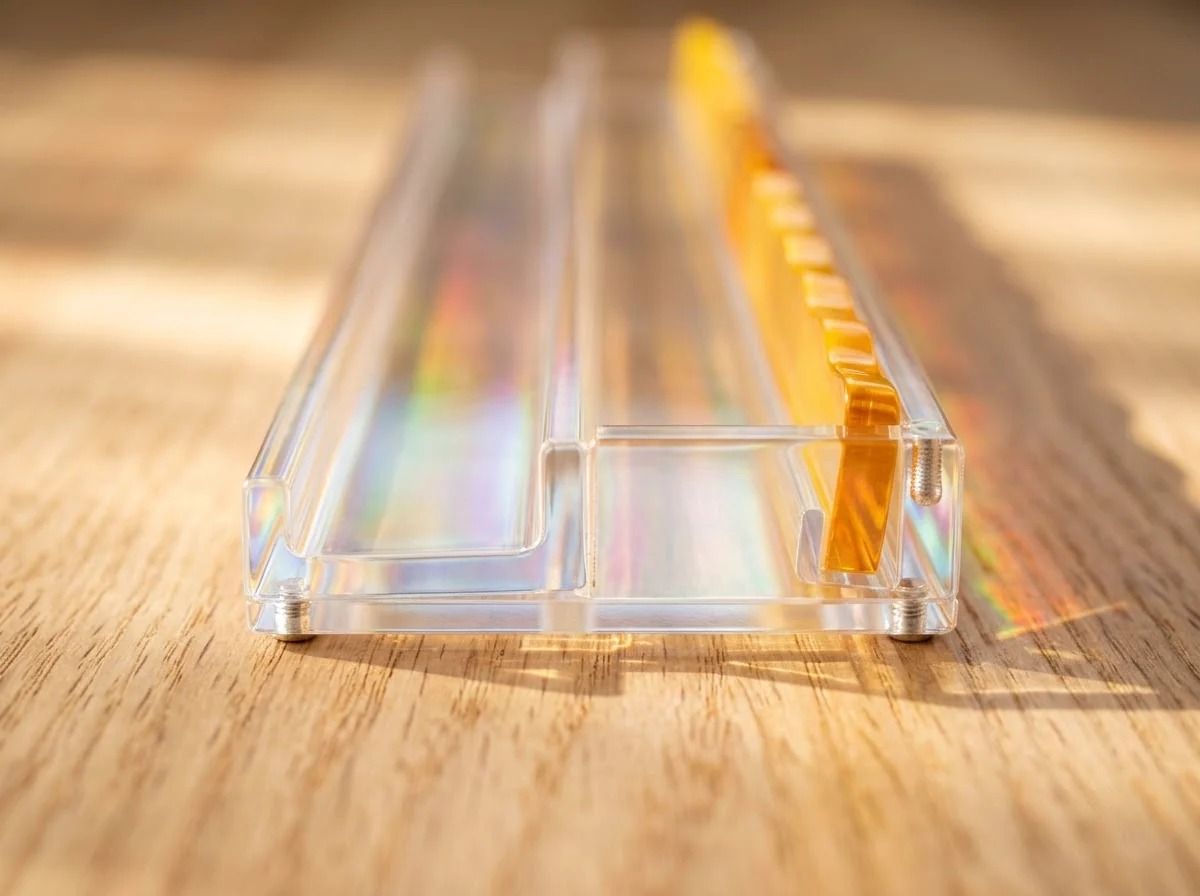
The best pusher design balances form and function. A tapered or beveled edge cuts cleanly under tiles without catching; a flat bottom ensures tiles slide smoothly on most playing surfaces. Length matters more than people think—a pusher that's too short won't let you reach tiles at the back of your hand, and one that's too long gets awkward to grip. Most pushers run 1.5 to 2 inches, which works for 90% of hand sizes and table setups.
Engraving is where personality enters. We've seen pushers engraved with player names, lucky numbers, Hebrew letters for Hanukkah, initials, dates, silly phrases, and even small custom illustrations. Engraving doesn't affect function—it's purely aesthetic—but it transforms a generic tool into a keepsake. A personalized set makes a memorable gift and gives players pride in their equipment. The catch: make sure any engraved text or design is on the top or side of the pusher, not the bottom; if engraving is on the working surface, it can create drag or catch on tiles.
Grip shape is underrated. Some pushers are simple rectangles, others have a slight concave indentation on the top to fit your thumb or index finger, and some have ergonomic tapers. If you have arthritis, hand pain, or simply prefer a controlled grip, an indented or contoured pusher is worth seeking out. A few manufacturers offer pushers with thumb rests, which are excellent for players with limited hand mobility.
✨ Find your Mahstead set — free US shipping →
How to match pushers to the rest of your rack setup
Pushers are sold as part of mahjong racks, and compatibility is critical. A well-designed rack holds pushers in a dedicated slot or groove, keeping them organized and preventing them from falling into your lap or the floor. Before you buy, check:
Slot size: Verify your pusher thickness matches the rack groove. An undersized pusher will rattle and shift; an oversized one won't fit.
Slot count: Most racks hold one or two pushers per player; confirm yours has enough slots for the number of pushers you plan to use.
Material match: An acrylic pusher can sit alongside a bamboo rack, but metal-framed racks may clash aesthetically with bone or delicate carved pushers.
Carry case compatibility: If your racks fold or come with a carrying bag, ensure the pushers fit without bulging the bag. A travel-ready mahjong set with racks and matching case is worth the investment if you move your game between homes or travel frequently.
Many players keep a backup pusher pair in a dedicated dice cup or small pouch, just in case one is forgotten or damaged. This simple habit has saved countless games.
What to check before you buy designer pushers
Size and fit: Measure or confirm that pushers will fit into your existing rack slots; don't assume all pushers are the same thickness.
Engraving placement: If personalization matters, verify that text or design won't interfere with the working surface. Ask the maker if the engraving sits on the top face or side.
Material care: Acrylic needs occasional cleaning with a soft cloth; bone and bamboo may require conditioning or protection from extreme dryness.
Quantity: Pushers typically come in pairs. If you host four-player games, confirm you're buying enough for all players, or that you can order additional sets.
Return or replacement policy: Equipment can be defective or not fit your hand. Before buying, check whether the maker offers a simple swap if pushers don't work as expected.
Shipping time: Because we ship free across the US, allow typical postal timelines; designer pushers aren't emergency items, so plan ahead if you need them for a specific game date.
For a complete setup that works together seamlessly, browse the best-selling collection to see full sets that include tiles, racks, pushers, mats, and cases pre-coordinated. Buying as a bundle often ensures everything fits and looks unified.
FAQ
Can I use pushers from one brand with tiles or racks from another?
Usually yes, but fit isn't guaranteed. Pusher thickness varies; if your rack's slot is too tight or too loose, the pusher won't work smoothly. Test before committing, or buy pushers and racks from the same maker.
Do expensive designer pushers play better than budget options?
Better play comes from correct fit and material quality, not price alone. A $15 acrylic pusher that fits your hand and rack perfectly outperforms a $50 designer pusher that's the wrong size. Premium pushers shine when personalization, heirloom appeal, or specific materials matter to you.
What happens if a pusher cracks or breaks during play?
Acrylic pushers rarely break unless dropped on tile or concrete. Bone can crack if bent sharply or dropped; bamboo can split if very dry. Most makers will replace a defective pusher; contact them with photos. Many players keep a backup pair for emergencies.
Should I engrave both pushers with the same text?
It's common to do so, but you can also split a phrase between them, engrave each with a player's name, or engrave only one. Think about what you'll enjoy seeing every game.
How do I clean engraved pushers without damaging the text?
For acrylic, wipe with a slightly damp soft cloth and dry immediately; don't soak. For bone or bamboo, use minimal moisture and air-dry. Engraving sits on the surface, so gentle care preserves it.
Are there designer pushers made specifically as gifts?
Yes. Many players commission or buy pushers engraved with jokes, lucky symbols, or personalized messages for anniversaries, celebrations, or as host gifts. This is one of the most popular ways our players customize their sets.


View More
View More
View More
