
Tea Party Mahjong Party Decorations: Themed Sets & Styling Ideas
Last updated: Nov 23, 2026
A tea party mahjong setup pairs beautiful tiles with elegant table linens, delicate snacks, and coordinated accessories that encourage conversation and play. The foundation is choosing tiles in soft, sophisticated colors—pastels, jade, or cream sets work well—paired with a matching mat that anchors the table and defines the play space. You'll need acrylic or bone tiles (160-tile sets are standard for American mahjong), a felt or fabric mat, racks with pushers to keep tiles tidy, and a drawstring bag for storage. Display elements like fresh flowers, fine china teacups, and name cards add ambiance without overwhelming the game. Most tea party mahjong nights last 2–4 hours; set up your table 30 minutes early to arrange tiles, mats, and refreshments so players arrive to a polished scene.
What tile colors and finishes work best for a tea party theme?
Soft, jewel-tone, or neutral acrylic tiles suit tea party hosting far better than bright primary reds or greens. Look for pale jade, soft cream, rose-gold, or lavender sets—colors that feel intentional and restful rather than playroom-bright. Bone tiles carry an heirloom quality but require more care; acrylic is easier to clean and durable through repeated play. Engraved tiles with subtle monograms, tea leaves, or floral motifs add personal flair without clutter. Matte finishes read more sophisticated than glossy ones, and mixed finishes (matte faces, polished edges) add visual depth. Test a sample if possible—viewing a tile in your dining room's light is far more reliable than online photos. Engraved American mahjong sets let you customize patterns and colors to match your décor or guest of honor.
How do you coordinate a mahjong mat with your party theme?
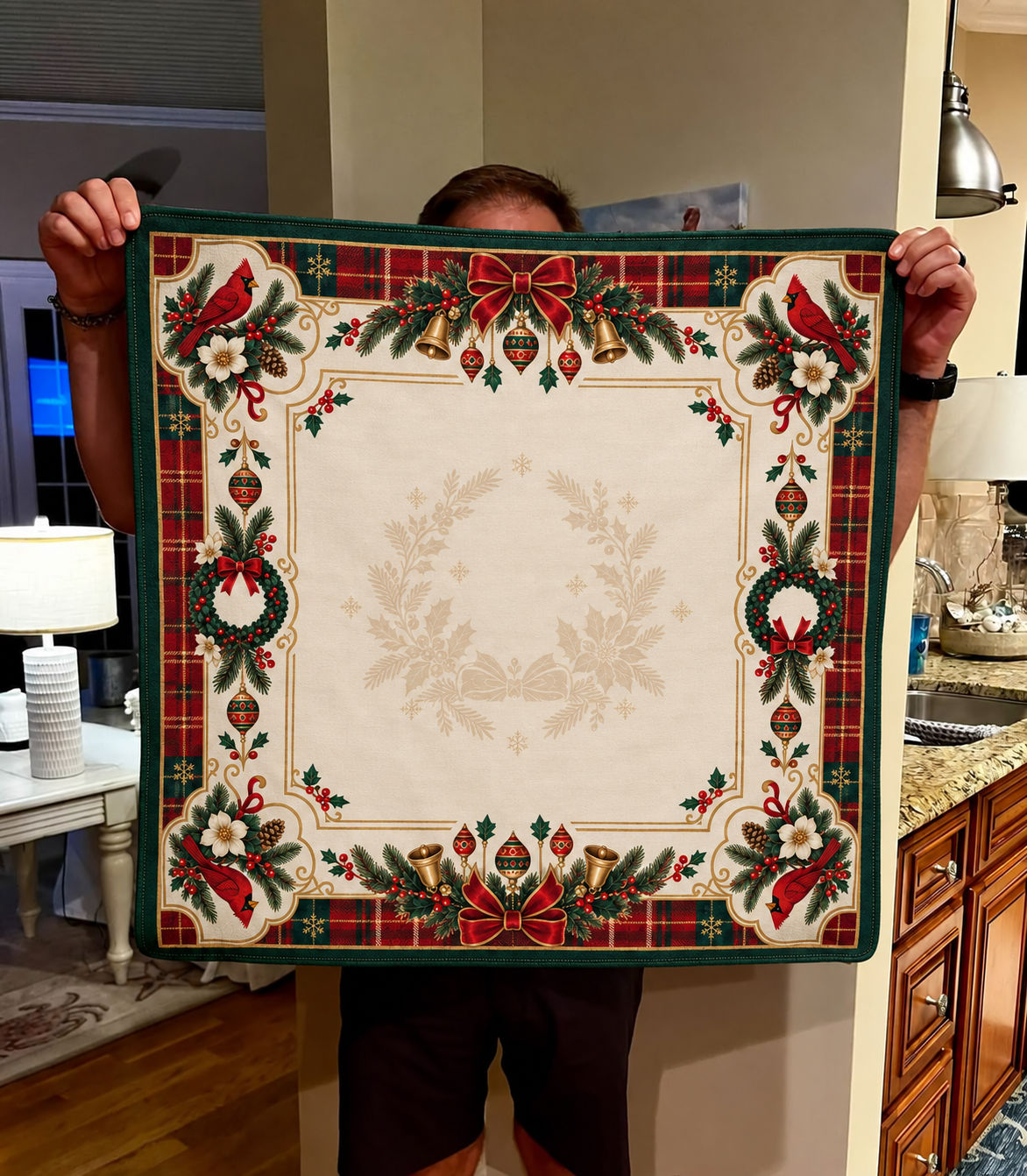
The mat is the visual anchor of your table, so choose one that complements both tiles and linens. Felt mats in cream, blush, sage, or charcoal pair with nearly any tile set; embroidered or patterned mats work if they echo one color from your tiles or tablecloth, never clash with both. Consider the mat's size—a larger mat (36" or wider) gives players room to maneuver tiles and snacks without crowding. If your table is long and narrow, a rectangular mat looks cleaner than a square. Mats with scoring tracks pre-printed save setup time and reduce scorekeeping disputes. Matching a mat to your tiles (same palette, complementary tone) creates visual cohesion and signals to guests that this is a carefully planned event, not an afterthought. Choose a mat that fits your table by measuring first and considering your players' reach.
🀄 Shop best-selling mahjong sets →
What table setting and refreshment pairings enhance the tea party vibe?
Layer your mahjong mat over a coordinating tablecloth in linen, cotton, or silk in cream, gray, blush, or jewel tones. Set small plates with tea sandwiches, pastries, or savory bites at each player's left; place teacups and water glasses to the right, away from the play zone. Use cloth napkins, real china, and small serving trays to signal "this is special." A shared centerpiece—a low arrangement of seasonal flowers, candles, or tea service—sits at the table's center where it won't block sight lines. Keep snacks light and mess-free: avoid sticky or crumbly foods that transfer to tiles or hands. Brew fresh tea or offer sparkling water with lemon; wine or cocktails work for evening gatherings but aren't essential to the tea party feel. The goal is making refreshment seamless—guests shouldn't hunt for snacks or worry about spills on beautiful tiles.

How should you organize racks, pushers, and storage for elegant hosting?
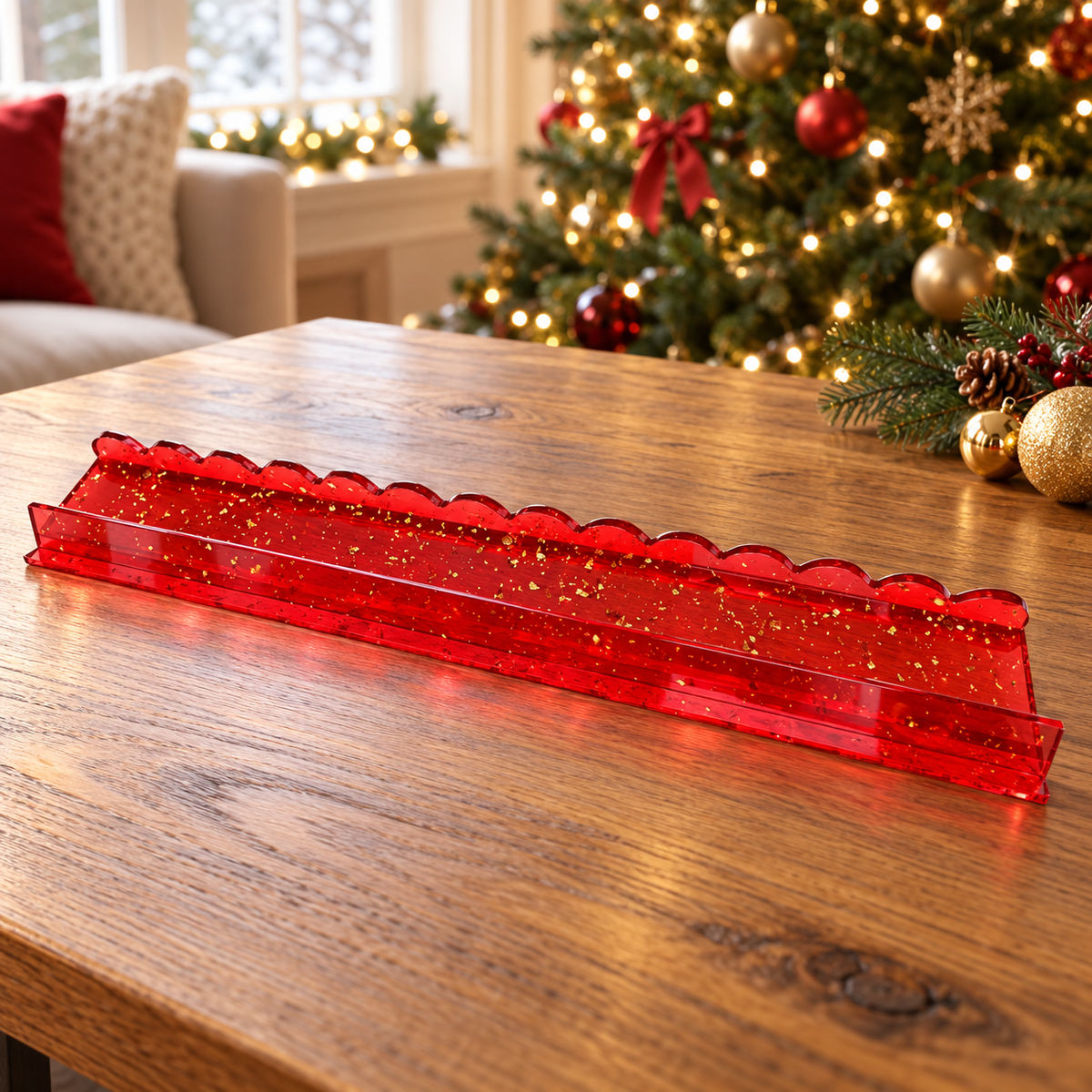
Matched racks with pushers keep tiles upright and organized, which looks far neater than a loose pile. Position racks so each player has clear sightlines to the wall (their tiles) without forcing them to crane over or lean sideways. A low-profile rack (about 4–6 inches tall) suits intimate seating where guests are close together; a taller rack works for larger tables. Before guests arrive, place racks at each seat with pushers lined up inside—no fumbling to assemble mid-game. Keep extra tiles and jokers in a drawstring bag tucked under the mat or beside the scorer, not scattered on the table. When the game ends, return all tiles to the bag and store it in a protective case; this protects tiles from dust, light fading, and warping. Quality racks with pushers are an investment that pays off through years of hosting; they signal care and skill to your guests.
🎁 See our most-loved mahjong sets & accessories →
What personal touches make a mahjong tea party feel memorable?
Printed name cards at each seat add elegance and clarify seating, especially if players haven't played together before. Customized tile sets or engraved mats bearing initials, a date, or a phrase ("Sisters' Spring Mahjong 2026") become keepsakes. A small favor—a packet of premium tea, artisanal chocolate, or a card listing that night's hands played—reminds guests of the occasion. Display a printed reference guide or National Mahjong League card holder at the scorer's station so lookups don't interrupt the flow. Play soft background music (jazz, classical, or instrumental) at low volume to fill silence without distraction. Take a group photo before play starts; send it to guests afterward with a thank-you note. These touches transform a casual game into an experience worth repeating—and worth hosting again next season.
Element | Purpose | Tea Party Fit | Why It Matters |
Pale or jewel-tone tiles | Tile base | Soft jade, rose, lavender | Sets elegant, restful mood |
Felt or embroidered mat | Play surface | Cream, blush, sage | Anchors table; unifies décor |
Coordinating tablecloth | Frame | Linen in neutral or jewel tone | Layers visual depth; protects table |
Matched racks & pushers | Organization | Hidden or low-profile | Signals skill, reduces clutter |
Fresh flowers, china | Ambiance | Seasonal arrangement, real cups | Reinforces "special event" tone |
Name cards, favors | Personalization | Printed, customized | Guests feel valued; creates memory |
✨ Find your Mahstead set — free US shipping →
What to check before you buy
Measure your table length and width to ensure your mat fits without overhang or crowding. Confirm the tile set is a full 160-tile American mahjong set (152 playing tiles plus extras), not a reduced or regional variant. If buying a new set for the first time, read the rules or watch a demo so you're comfortable teaching basics—new players make hosting easier when they trust the host. Test mat and tiles under your dining room's actual lighting; colors shift dramatically between daylight and warm lamps. Choose mats and racks sized for your group (four players = standard; more require a larger table). If gifting a set for a tea party, pair it with a coordinating mat from the same or complementary collection to remove guesswork from the recipient.
FAQ
Can I mix vintage and new tiles for a tea party look?
No—American mahjong requires exactly 152 matching tiles of identical size and weight. Mixing old and new creates uneven play and unequal wear. Stick to one cohesive set; the unified aesthetic actually enhances the tea party vibe.
What's the best mat size for a tea party with four players?
A 2' × 2' (approximately 24" × 24") mat works for standard-height tables with four seated players. A rectangular 3' × 2' mat suits longer tables. Measure your table and players' reach before ordering.
Should I use jokers during tea party mahjong, or skip them?
Jokers are mandatory in American mahjong; you play with eight jokers drawn from a 160-tile set. Jokers make hands achievable and speed up games—ideal for social play where fun matters more than hardcore strategy.
How do I protect new tiles from dust and fading?
Store tiles in a fitted drawstring bag inside a protective case after every game. Keep the case away from direct sunlight and extreme heat. Handle tiles with dry hands and avoid alcohol spills, which can dull acrylic finishes.
Can I engrave a set after buying it, or only custom-order engraving?
Most engraving is done at production; check with the maker first. Mahstead offers engraved sets with titles, monograms, and floral motifs ready to ship. Custom engraving on existing tiles usually requires professional tile restoration, which is costly.
What's the etiquette for teaching mahjong to first-time players at a tea party?
Teach the tile symbols, hand structure, and Charleston (tile pass) before drawing. Play the first hand slowly, explaining each discard and pick. Have the reference card visible. Keep jokes light; first-timers learn faster in a relaxed, welcoming room.


View More
View More
View More
