
Why Teens Love Mahjong: The Modern Game Boom
Last updated: Nov 23, 2026
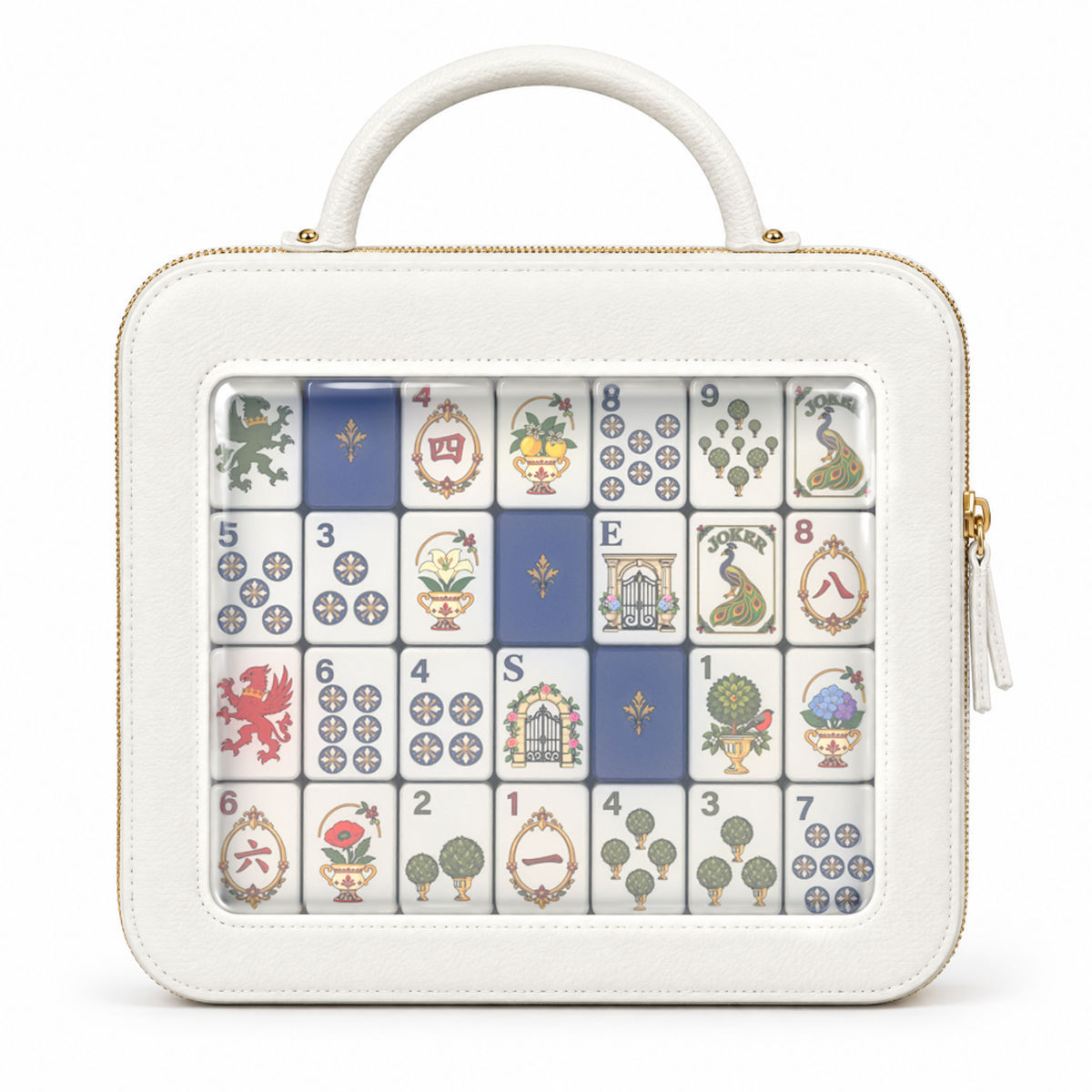
Teens are drawn to mahjong for the same reasons we've played it for decades: it's a game that rewards both skill and memory without requiring expensive equipment or app subscriptions. The social aspect resonates deeply—four players sitting face-to-face, phones down, competing for two hours. The learning curve is steep enough to feel rewarding but shallow enough to pick up in one sitting. Visual appeal matters too: modern sets are vibrant and Instagram-friendly, making the game feel fresh rather than antiquated. Mahjong also fills a gap in Gen Z's social life: it's genuinely difficult (unlike many phone games), genuinely social (unlike solo gaming), and genuinely retro (which appeals to younger players seeking alternatives to mainstream trends). The barrier to entry has dropped thanks to online tutorials and the best-selling mahjong sets now available with clear tile markings and lightweight acrylic construction, making it accessible for dorm rooms and casual meetups. 🀄 Shop best-selling mahjong sets →
What makes mahjong different from the games teens already play?
Mahjong demands presence. Unlike turn-based mobile games where you play alone, mahjong is synchronous: all four players sit together, draw tiles simultaneously, and make decisions under mild time pressure. There's no way to pause, stream, or multitask—you're either all in or you're out. Teens report this feels rare. The game also has genuine asymmetry: every hand is different because players draw random tiles, exposures shift the board state mid-game, and the winning hand changes based on the current season's official card. No two games are identical, which keeps replay value high.

How does social media amplify teen interest in mahjong?
TikTok and Instagram showcase mahjong's aesthetic appeal: close-ups of tile clicking, satisfying organizes of racks, friends laughing over a weekend game. These clips don't explain the rules—they sell the feeling of being part of a group that's doing something intentional and cohesive. Teens see peers their age hosting mahjong nights and treating it as a lifestyle choice rather than a grandmother's hobby, which reframes the game as current. The visual identity of modern sets (especially custom-engraved designs and bright color schemes) makes the game photographable in ways classic sets weren't. This social proof is self-reinforcing: the more visible mahjong becomes, the less niche it feels, and the more new players join.
Why is American mahjong easier for beginners than other variants?
American mahjong has a fixed hand list—the National Mah Jongg League card, updated yearly—which means beginners don't need to memorize hundreds of hand patterns or argue about regional rule variants. You either match the card or you don't. The hand card is your constant reference tool, removing ambiguity and making learning linear. Additionally, American mahjong's exposure rules are forgiving: you can expose pungs (three identical tiles), kongs (four), and even longer sequences, so you're not locked into purely hidden play. This allows newer players to see progress visually—every exposed group is a step toward winning. Chinese and Hong Kong variants require deeper tactical knowledge before you can meaningfully compete, whereas an American beginner can have a competitive hand within their first few sessions.
What draws teens to the aesthetic and community aspect?
The tiles themselves are satisfying objects: acrylic, ceramic, or bamboo, with engraved numbers and suit symbols in multiple colors and fonts. Holding them, organizing them in a rack, and clicking them together as you discard creates tactile feedback that screen-based games can't replicate. The ritual of shuffling, the Charleston (the tile-passing ceremony before play), and the formal scorecard create structure and ceremony that feels intentional—almost meditative. Community forms quickly: mahjong groups become regular friend groups, often meeting weekly, which creates belonging without the drama of competitive team sports. Teens value this kind of low-stakes, high-engagement social structure. Hosting a mahjong night also carries social capital—it signals taste, cultural awareness, and the ability to organize an activity more interesting than a movie or party.

How can new teen players start without overwhelming themselves?
Start with learning one rule set only—American mahjong is the friendliest for beginners. Learn the mahjong basics through a single tutorial (video is faster than reading), then play your first few games with experienced players who can guide you through each hand. The Charleston (the tile swap before each game) will feel confusing the first time; that's normal—it takes two games to internalize. Invest in a set with clear tile markings and lightweight acrylic construction so you're not straining to read tiny characters or manage heavy tiles. Join a group of at least three other players (four is ideal for American mahjong) before attempting to teach yourself solo. Many college communities, local libraries, and community centers host beginner mahjong groups; search online for meetups in your area or ask friends if they know players. The cost of entry is minimal—a good set costs far less than a console or annual gaming subscription, and one set supports multiple players indefinitely.
✨ Find your Mahstead set — free US shipping →
Why does mahjong feel less exclusive than it used to?
Older mahjong culture sometimes carried gatekeeping: certain groups played only in homes, only with family, or only with long-standing players, and teaching was informal or slow. Modern teen culture flips this: mahjong groups advertise online, welcome newcomers, and treat teaching as part of the fun. The game is also no longer tied to a single cultural or generational identity—it's global, cross-generational, and treated as a skill to learn rather than a tradition to inherit. Simultaneously, game design has democratized: sets with engraved tile markings and numeric indices make the game readable without years of experience. Travel-friendly bags and cases and portable mats mean mahjong is no longer confined to a formal home table—you can play in dorms, coffee shops, or outdoor spaces. This mobility and visibility normalize the game among younger players.
What draws teens to mahjong | Why it matters | How to test it |
Skill-based gameplay | Feels earned, not random | Play 3 hands; notice how your decisions improve |
No phone required | Rare social format | Host a mahjong night and observe screen time during play |
Beautiful, tactile objects | Satisfying to hold and move | Handle tiles in person before buying |
Weekly community | Creates belonging | Attend one game; feel the group dynamic |
Low cost per player | Accessible to students | Compare set cost to one month of streaming services |
Visual appeal for media | Photogenic, trendy | Check Instagram for mahjong night posts in your area |
What to check before you buy your first set
Ensure the set has 152 playing tiles plus spare tiles in a 160-tile configuration—this is the standard for American mahjong and matches all official hand cards. Verify that tiles are acrylic or composite (lighter, more durable, and easier to read than heavy clay). Look for clear engraved numbers and suit symbols; avoid sets with paint-on markings that fade with use. Check that the set includes a current year's National Mah Jongg League hand card (or confirm you can download one free online). If traveling frequently, confirm the set comes with a carrying bag designed for tiles, not just a drawstring pouch. For your first game, you'll also need racks with pushers so each player can hold and organize tiles without revealing them—these are non-negotiable for fair play.
🎁 See our most-loved mahjong sets & accessories →

FAQ
Can teens really learn mahjong in one session?
Yes, you can learn the core mechanics (how to draw, discard, and recognize exposed groups) in 30 minutes. Winning your first hand usually takes one to three full games. Strategic depth—knowing which tiles are dangerous to discard or how to read the hand card quickly—develops over weeks, which is what keeps players engaged long-term.
Is American mahjong actually easier than Chinese or Hong Kong variants?
Yes. American mahjong uses a printed hand card you reference during play, eliminating pattern memorization. Chinese and Hong Kong variants require you to recognize hand patterns without a guide, which adds significant learning overhead. For teen beginners, American is the fastest on-ramp.
Do you need to be good at math to play mahjong?
No. American mahjong scoring is simple addition, and most groups use a score sheet to track points, so mental math isn't required. You do need to count—how many tiles you've drawn, how many are in the wall—but this is pattern recognition, not calculation.
Why is the visual design of modern sets important to teens?
Mahjong is now photographed and shared on social media regularly. A beautiful set with clear tile markings, bright colors, or custom engravings makes the game feel contemporary and shareable. This visibility reinforces teen interest because they see peers treating mahjong as intentional and current, not retro-nostalgic.
Where do teens actually find mahjong groups to join?
Check community centers, local libraries, college game clubs, and online meetup boards for your city. Many groups welcome beginners and meet weekly. If no formal group exists, start one with three friends and learn together using online tutorials, then recruit others as you improve.
What's the barrier to entry cost, and is it worth it?
A good 160-tile set with a carrying bag costs less than a new video game and supports unlimited games across four players indefinitely. One set amortizes to pennies per game over a year of weekly play, making it far cheaper than most hobbies aimed at teens.


View More
View More
View More
