
Why Expats Love Mahjong: A Guide to Belonging
Last updated: Nov 23, 2026
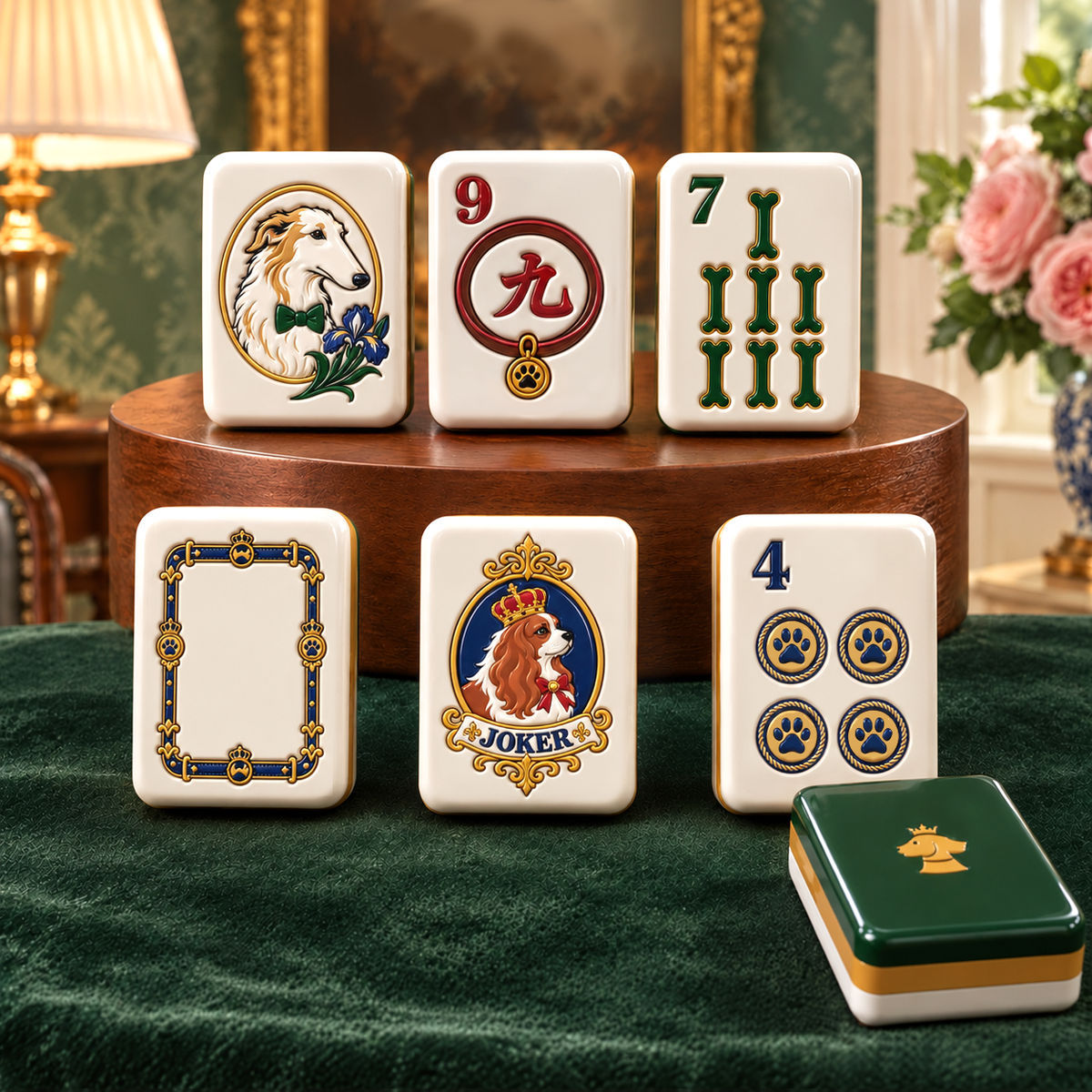
Expats love mahjong because it bridges distance and isolation. The game carries deep cultural roots—especially for players from East Asia—yet welcomes newcomers of any background into ritual and friendship. A typical game lasts 1–2 hours, involves 4 players, 152 tiles, and requires no shared language beyond simple calls ("pung," "kong," "mahjong"). Many expats rediscover heritage through play; others encounter it for the first time abroad and fall into a ready-made social network. Weekly game groups exist in most cities—in community centers, libraries, synagogues, country clubs—and range from casual fun to serious competition. Starting is free if you join an existing group; buying your own set costs from basic plastic to hand-crafted acrylic designs. The National Mah Jongg League card governs American mahjong hands, making learning straightforward within a week.
What draws expats to mahjong?
Expats find in mahjong a portable home. The game doesn't require fluent English or shared regional background; a Shanghainese player, a Tokyo native, a Hong Kong expat, and an American can sit down together and communicate through tile strategy. For Chinese expats, mahjong is memory—the click of tiles echoes family dinners, grandmother's voice, childhood evenings. For others, it's discovery: a ritual that says "you belong here now" in ways adoption paperwork never does.
The social structure matters too. Unlike darts or bowling leagues, a mahjong table feels like an intentional gathering. Players sit for hours in genuine focus, rotating positions, laughing at tiles that fall wrong, and collectively tracking score. Expats describe the weekly game as the most honest friendship they've built overseas—no small talk, no networking exhaustion, just four people counting bamboo and dragons.

How different is American mahjong from what I played at home?
American mahjong is a distinct ruleset with specific differences from Chinese, Hong Kong, Riichi, and Taiwanese variants. If you learned to play in Guangzhou or Shanghai, expect immediate changes: American mahjong forbids chows (sequences like 1-2-3), allows only pungs (three identical tiles), kongs (four), and jokers as wildcards. The hand structures come from the printed National Mah Jongg League card, refreshed every spring—not from memory or improvisation. The Charleston (a structured tile-passing ritual before play) doesn't exist in most Asian variants.
That said, the core logic remains identical: collect a winning hand from draws and discards, read tile suits and numbers, manage luck and strategy together. If you played in Asia, American mahjong will feel familiar within 2–3 games. New players actually have an advantage: they learn one ruleset cleanly rather than unlearning home rules first. Read the beginner's guide to understand the Charleston, pung calls, and how jokers work—the three pillars that separate American mahjong from everything else.
🀄 Shop best-selling mahjong sets →
Where do expats find their first game?
Finding a mahjong group depends on your city and community. Start by:
Community centers & libraries: Many run drop-in games or maintain a bulletin board where groups post meeting times. Call ahead to confirm a mahjong night exists; don't assume.
Meetup boards & apps: Online community groups for expats (organized by nationality, professional field, or interest) often advertise weekly games.
Religious & cultural organizations: Synagogues, churches, temples, and ethnic community associations frequently host mahjong nights—often free or low-cost.
Country clubs & recreational leagues: Some charge membership but welcome visitors to trial games.
Word of mouth: Ask neighbors, colleagues, or other expats directly. One person always knows where the Tuesday game happens.
Your first game will likely be American mahjong (the variant played across North America, and increasingly popular worldwide). Bring nothing but willingness; players lend tiles, teach positions, and forgive rookie mistakes. The second game feels less like chaos. By week four, you'll know the hand card shapes and read discard strategy. Within three months, you'll be the regular teaching newcomers.

What's the cost of getting started as an expat player?
Joining an existing game is free. You show up, watch one round, then sit in. Host groups provide shared sets. No entry fee, no membership, no barrier.
Buying your own set comes down to personal investment:
What you're buying | Who it's for | Why expats choose it |
Basic acrylic set | Casual weekly players | Lightweight, durable for shared games; travels easily |
Engraved or personalized set | Homesick players, gifts to family | Carries name or memory; turns a game into a keepsake |
Travel bag + set | Expats who move or host | Protects tiles during international moves; shows commitment |
Racks with pushers | Serious weekly players | Speeds up play; reduces hand fatigue during 2+ hour sessions |
Mat (fold or roll) | Hosting players | Protects table; defines the game space; signals "this is sacred time" |
Expats often buy a set 6–12 months in. The first game is never about ownership; it's about belonging. Once you've committed to a weekly game, a personal set becomes an anchor—something you own, something that travels with you, something that says "I'm here, I'm staying, I'm one of us."
🎁 See our most-loved mahjong sets & accessories →
How does mahjong create community across language and culture?
Mahjong dissolves language barriers by design. A Vietnamese player and a Greek player don't need to speak; they both read numbers 1–9, suit names (Bam, Crak, Dot), and wind symbols. Calls are four words: "pung," "kong," "quint," "mahjong." Strategy transcends translation.
The ritual does the real work. Every game follows the same structure: shuffle, deal, Charleston pass, draw-and-discard rotation, score settlement. This predictability is comfort for expats—a world that makes sense, that repeats, that doesn't demand reinvention. The friendship builds sideways, not through forced conversation but through shared focus and outcome.
Many expats describe mahjong as the first place abroad where they've felt truly seen. Not as a foreigner, not as a curiosity, but as a strategic mind, a risk-taker, a player. That equality—four people of equal standing around a tile table—shifts something. It's why expats return every week, why they buy sets, why they teach their children the tile names.
The game also preserves something precious: if you're separated from home, mahjong keeps that language alive. Your hands remember the sequences. Your reflexes know the suit order. You're not fluent in English yet, but you're fluent in mahjong—and that counts.
✨ Find your Mahstead set — free US shipping →
What to check before you buy a mahjong set as an expat
Before investing in your own set, ask yourself:
Do I have a regular game yet? Buy after you've played 4–5 times. Know your group's preference (acrylic vs. resin, size, tile weight) before spending.
Will I host? If yes, a mat and racks with pushers make hosting easier and faster.
Am I moving soon? A travel bag or case protects tiles during international shipping. Acrylic is more durable than bone or bamboo in transit.
Is this a gift?Engraved or personalized sets carry meaning for expats—a way to say "you belong here" or "I remember where you're from."
What's my skill level? Beginners don't need premium tiles. Save investment for year two, once you know whether you'll play for life or just season.
All Mahstead sets include 160 tiles (152 for play, spare jokers and blanks for backup). Sets ship free across the US. Learn what's inside a standard set before ordering.
FAQ
Is American mahjong the same game expats played in China or Taiwan?
No. American mahjong forbids sequences (chows), uses printed hand cards, and includes the Charleston tile pass. The core—tiles, suits, strategy—is identical, but rules differ significantly. If you learned in Asia, expect a 2–3 game adjustment period.
Do I need to speak English to join a mahjong group as an expat?
No. Mahjong uses four basic calls (pung, kong, quint, mahjong) that cross all languages. Expats report that mahjong is often their first place abroad where they feel understood without speaking English fluently.
How much does it cost to join an existing mahjong game?
Zero. Joining a weekly game is free. You show up, watch, then play. The group provides shared tiles. Personal sets are optional and often purchased 6–12 months after starting.
What's the best set to buy if I'm going to move countries again?
An acrylic set in a travel bag or case. Acrylic is durable, lightweight, survives airport luggage, and costs less than bone or bamboo sets. Free US shipping applies to all orders.
Will a mahjong group accept me if I'm not Chinese or Asian?
Yes. Mahjong groups in North America and Europe include players from every background. Many expats from outside Asia say they felt most welcomed by their mahjong community—faster and more genuinely than any other group they'd joined.
How do I find a mahjong group in my city as an expat?
Check community centers, libraries, synagogues, and country clubs for posted times. Search online expat groups and meetup boards by city. Ask neighbors. Most cities with 100,000+ residents have at least one weekly game.


View More
View More
View More
