
How to Store Mahjong Pushers: Keep Them Safe & Organized
Last updated: Nov 23, 2026
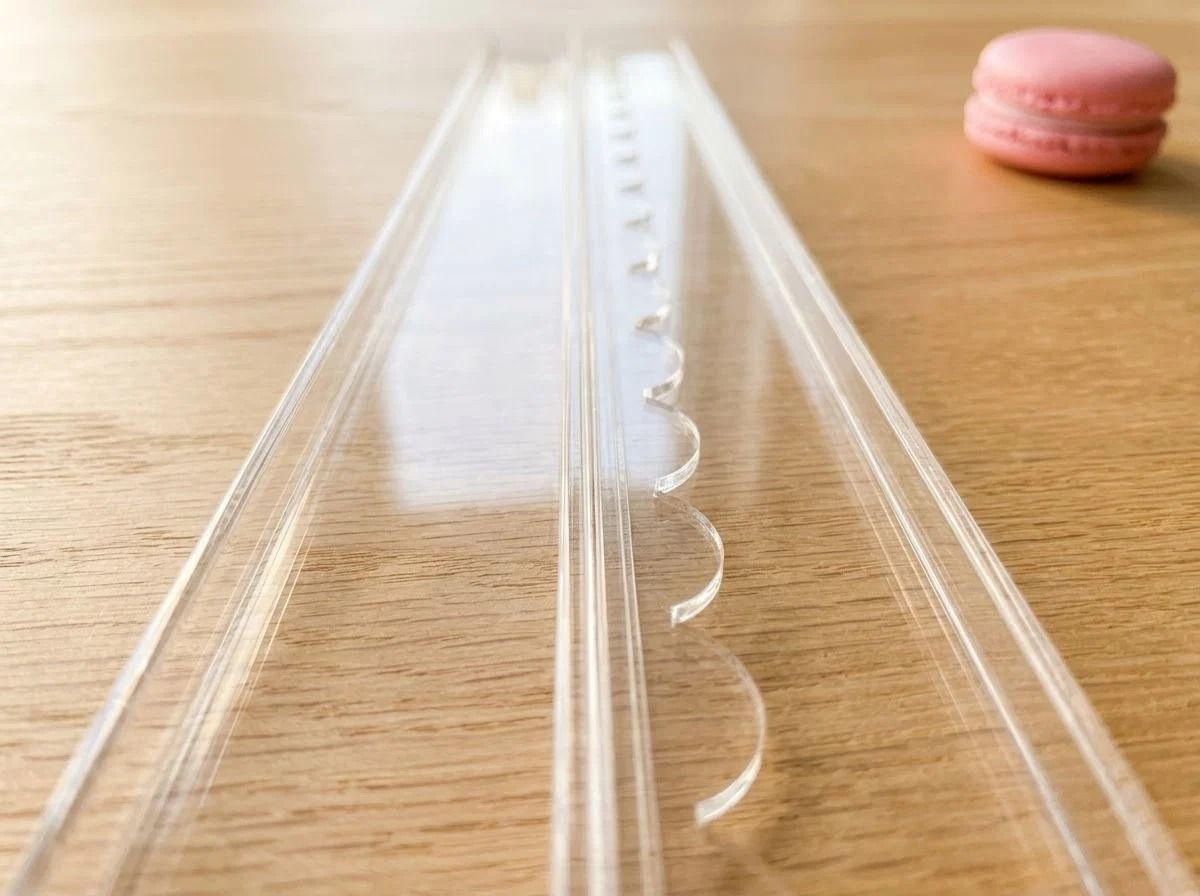
Pushers live longest in a dedicated rack or a padded case—never loose in a tile bag where they bend and crack. If you host weekly games, store your rack upright on a shelf away from humidity and direct sunlight; bamboo and wood fade and warp in those conditions. A mahjong rack with pushers keeps all four pushers (one per player) in individual slots, preventing them from rolling or sliding during transport. If you don't own a rack yet, wrap each pusher in soft cloth, store them in a small zippered pouch, and keep that pouch in a cool, dry place—never in a car trunk or damp basement. Pushers cost more to replace than most players realize, so treat storage as maintenance, not an afterthought.
Pushers are the unsung workhorses of American mahjong. Each game needs four—one per player—to organize and display your tiles on your rack. They look simple: a flat wooden or bamboo stick, often engraved. But that simplicity is fragile. A bent pusher won't slide smoothly; a cracked one can splinter and damage your tile edges. We've seen players lose pushers to basement floods, car heat, and careless packing. The difference between "still playable" and "needs replacement" often comes down to one choice: where you store them when the game ends.
Where should pushers live between games?
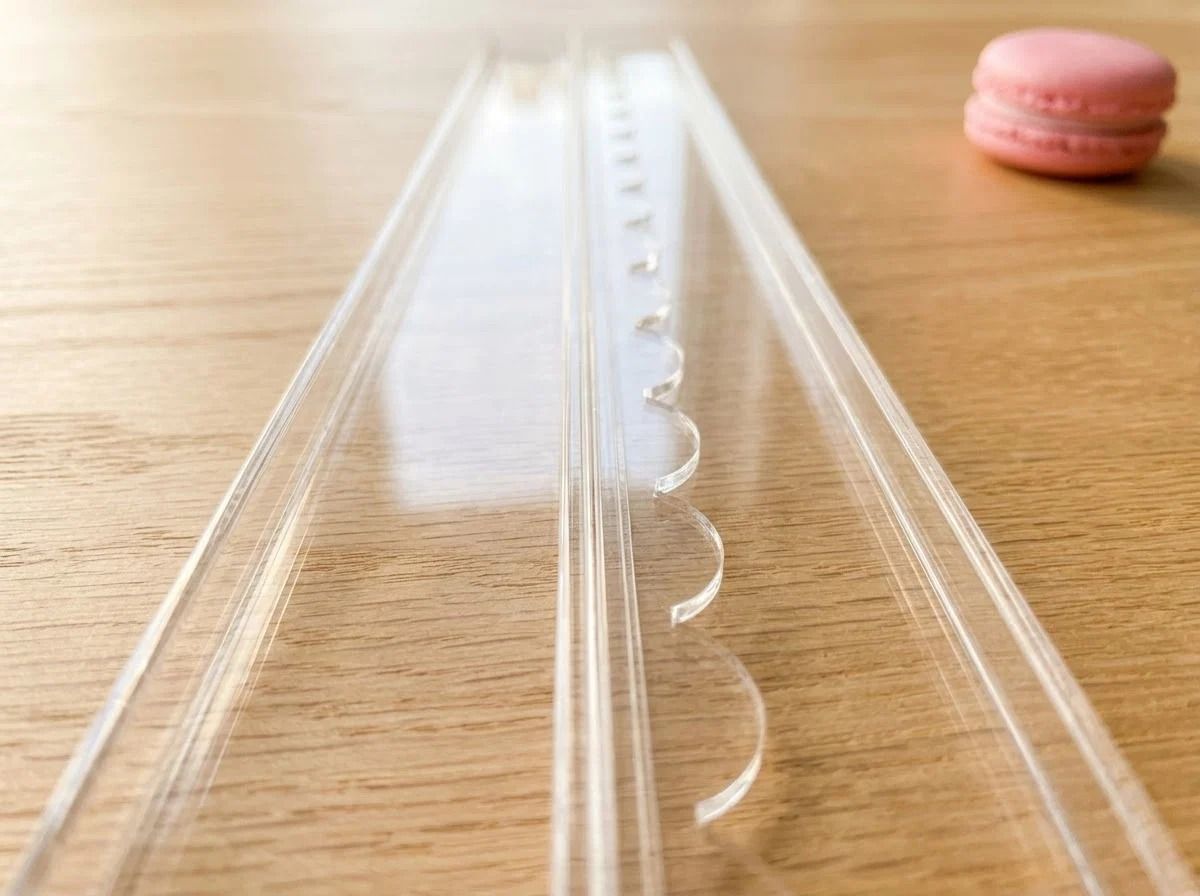
The ideal storage location is a climate-controlled shelf, drawer, or cabinet at room temperature (65–75°F) and low humidity (30–50%). Avoid basements, attics, garages, windowsills, and car trunks—temperature swings warp wood and bamboo. If your home is naturally humid (coastal, subtropical), use a small silica gel packet in your storage container. Never store pushers touching metal hinges, wet tiles, or rubber bands that stain or degrade the finish. A dedicated mahjong rack solves this: it holds all four pushers upright or flat in molded slots, keeps them separated so they don't rub together, and fits neatly on a bookshelf or game cabinet.
Should I store pushers in the tile bag?
No. Tile bags are designed for tiles, not pushers. When pushers sit loose in a bag with 160 tiles, they get bent, scraped, and pressed from all angles during transport and storage. Even in a fabric divider, the weight of tiles and the bag's compression damage soft wood. Plus, pulling a bent pusher out of a crowded bag often means jamming it further or breaking it at the weakest point (where the engraving is deepest). Always remove pushers and store them separately.
What's the best short-term storage for travel?
If you're carrying your set to a friend's house or a game venue, wrap each pusher individually in a soft cloth or microfiber towel, then place all four in a small padded pouch—ideally one with dividers. This takes 90 seconds to pack and protects pushers from impact during the car ride. Store the pouch in a bag separate from your tiles and rack (if you're bringing those). Hard cases with foam inserts are also excellent for pushers, though they're overkill for a single game night; they shine if you travel monthly or attend tournaments.
How do you prevent pushers from warping or cracking?
Prevention checklist:
Keep humidity stable; use a hygrometer if you live in a damp climate
Avoid sunlight exposure (UV fades and dries wood, causing splits)
Never lean pushers against a wall or force them into a tight space
Do not store upright in a humid basement or hanging near a kitchen sink
Do not wash pushers or leave them wet; a damp cloth to clean is fine, then air-dry immediately
Inspect your pushers every 6–12 months for signs of warping (bowing along the length) or stress cracks (fine lines, especially near the handle or engraved area)
If you spot a hairline crack, stop using that pusher for a few months and let it stabilize; it may not spread. If a pusher is visibly bowed and doesn't slide smoothly, it's time to replace it.
Racks vs. cases: which storage method wins?
Storage option | Best for | Protects pushers from | Downsides |
Rack with slots | Weekly players, permanent home setup | Bending, stacking, losing one | Takes shelf space; not portable |
Soft cloth pouch | Travel, occasional games | Dust, minor impact | Offers no crush protection; pushers can shift |
Hard case with foam | Frequent travelers, tournaments | Impact, humidity, UV | Bulky; more expensive; overkill if you play at home |
Zippered makeup bag | Budget-friendly travel | Dust, some impact | Limited cushioning; small |
Loose in drawer | None—not recommended | Nothing | Bends, gets lost, mixes with junk |
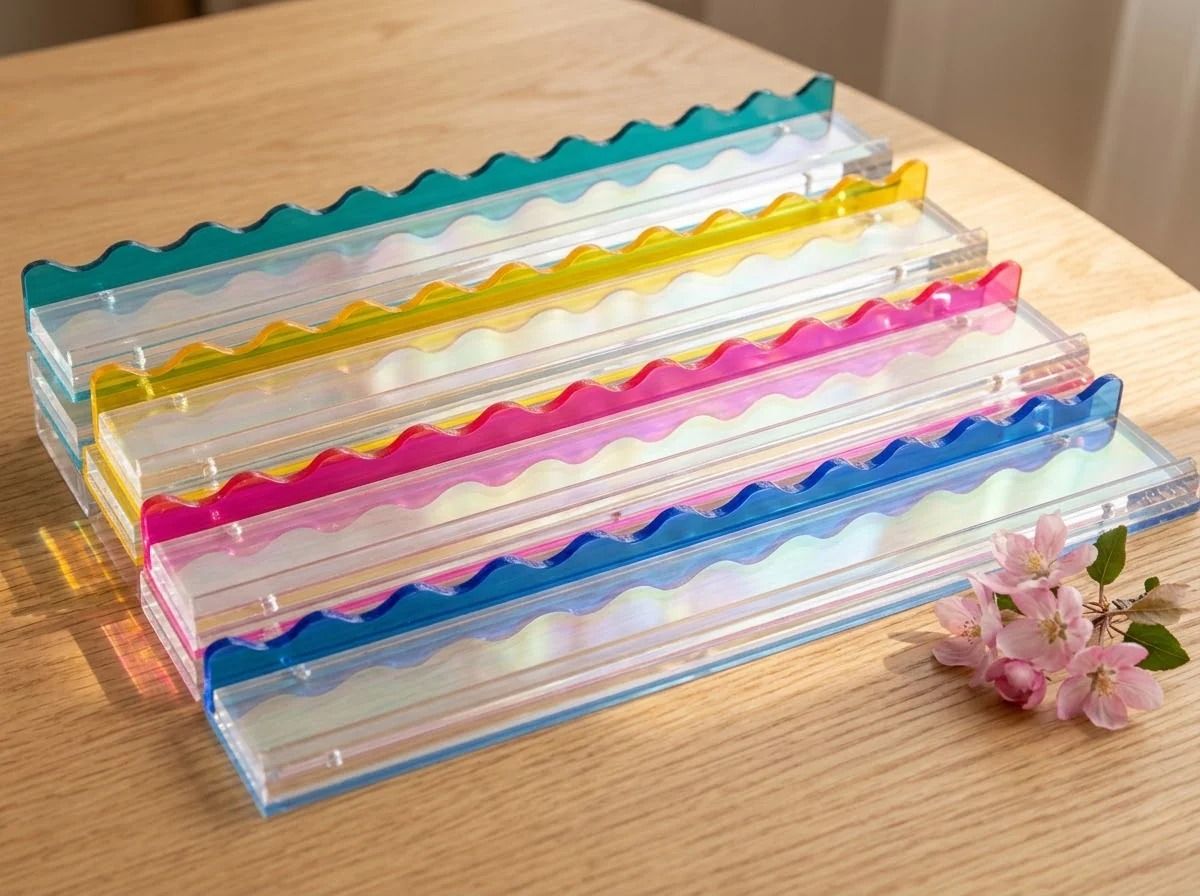
For players who host weekly games and keep their set at home, a dedicated rack with pushers is the standard. It shows respect for your tools and eliminates the "where did I put the pushers?" problem. For occasional players or those short on space, a padded pouch works fine if you're diligent about not overstuffing it.
🀄 Shop best-selling mahjong sets →
What should you check before you buy a new rack?
If your pushers are damaged and you're considering a replacement set or upgrading your storage, look for a rack designed for American mahjong—not a generic tile organizer. Real American mahjong racks have four individual pusher slots that hold the pushers in a fixed position (not rolling freely), molded to fit standard pusher dimensions. Check that the rack itself is made from sturdy material (wood, acrylic, or reinforced plastic) and that the pusher slots aren't so tight they force the pushers in or so loose that they rattle. If you're buying a complete mahjong set, verify that pushers are included and stored in the rack or case—many sets bundle these together.
🎁 See our most-loved mahjong sets & accessories →
The long view: investing in proper storage now saves money later
A set of four replacement pushers costs less than a full tile set but more than most players expect. Over ten years of weekly games, a single bent or cracked pusher can derail a game or force you to borrow from another player's rack. Storing pushers properly—in a rack, in a pouch, or in a case—costs nothing extra; it's just a habit. We recommend investing in a dedicated rack if you own an American mahjong set. A good rack pays for itself the moment it prevents the first accident.
✨ Find your Mahstead set — free US shipping →

FAQ
Can I store pushers in a plastic sandwich bag?
Yes, as short-term protection from dust. Use a zip-lock bag, remove as much air as possible to prevent shifting, and never store this way long-term—plastic doesn't breathe and can trap humidity or mildew if the bag sits in a damp space.
How often should I replace my pushers?
Well-stored pushers last 10+ years. Replace them only if they're visibly cracked, severely bowed (no longer slide smoothly), or splinter at the edges. Occasional cosmetic wear (faded engraving, minor scratches) is normal and doesn't affect function.
Do acrylic pushers need different storage than wood?
Acrylic is harder and more durable, less prone to warping from humidity. Store it the same way (cool, dry, away from UV)—mostly to prevent yellowing and to keep it from rolling off a shelf. Acrylic can crack if dropped hard, so cushioning still matters.
Can I store pushers lying flat in a drawer?
Yes, if the drawer is stable and doesn't slide open easily. Wrap each pusher lightly or separate them with cloth so they don't rub. This works in a pinch but offers less protection than a dedicated rack—they can still warp if something heavy shifts on top.
Should I remove pushers from the rack for long-term storage?
No. If the rack itself is stored upright on a shelf, the pushers stay in place and face no extra stress. Remove pushers only if the rack will be compressed, folded, or packed tightly in a suitcase.


View More
View More
View More
