
Where to Play Mahjong in Milwaukee: Clubs, Groups & Getting Started
Last updated: Nov 23, 2026
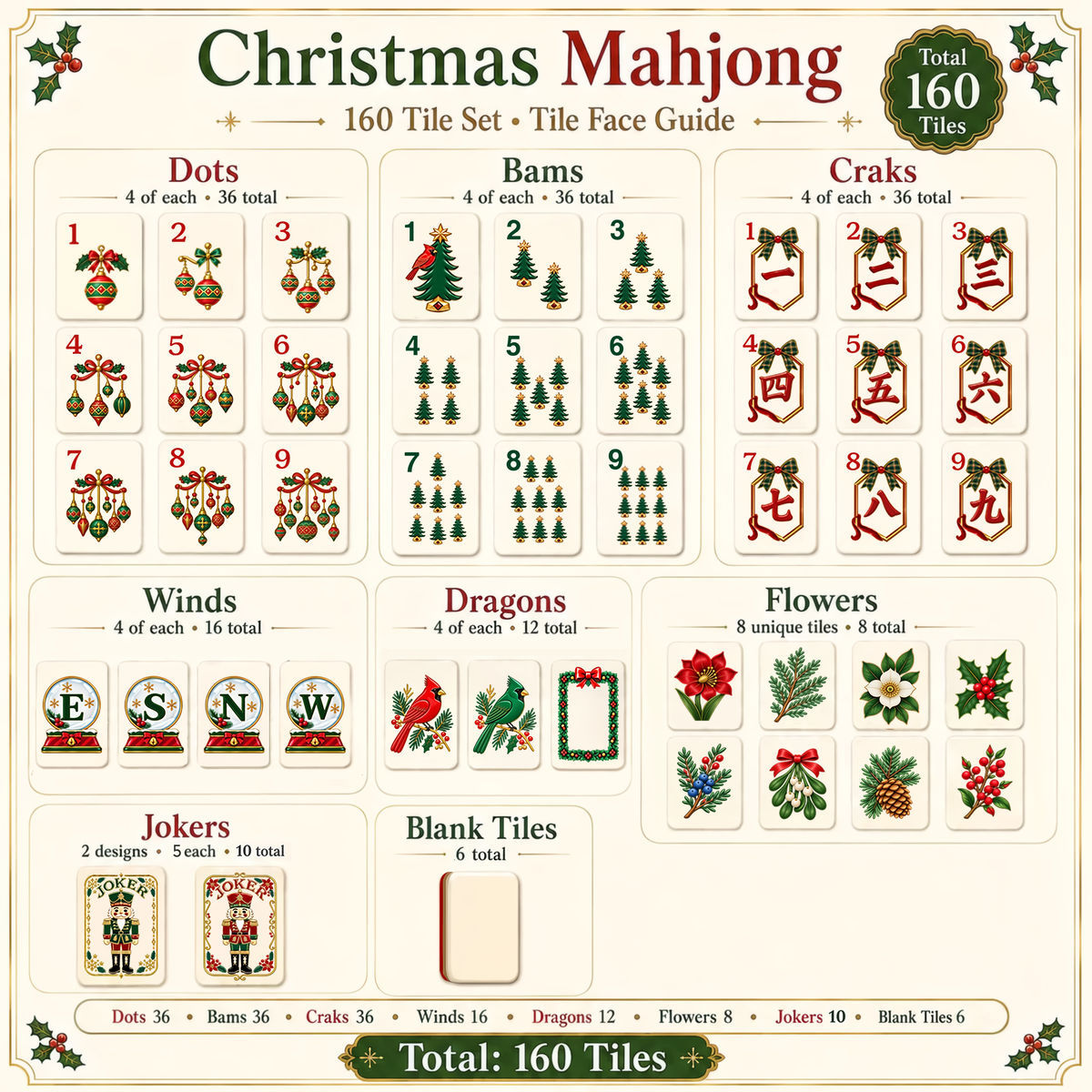
Milwaukee players connect at public spaces including community recreation centers (check the city Parks, Recreation and Culture department website), public libraries hosting game clubs, and informal meetup groups on platforms like Meetup.com and Facebook community boards. Many suburban country clubs and Jewish community organizations also host regular games—call ahead to ask about newcomer sessions. If you prefer home games, we recommend starting with a best-selling mahjong set (you'll need exactly 152 tiles plus 8 jokers), a mat to protect your table, and two to three friends learning the same ruleset. Games typically run 2–4 hours and include a Charleston (the tile-passing ritual before play begins). Most Milwaukee groups play American mahjong using the National Mah Jongg League card, updated each spring; others play Chinese or Hong Kong variants. Call or visit in person first—mahjong culture is social, and hosts love introducing new players.
Milwaukee has a growing mahjong community spread across community recreation centers, public libraries, and informal home groups on platforms like Meetup.com and Facebook community boards. Many suburban country clubs and Jewish community organizations also host regular games—call ahead to ask about newcomer sessions. If you prefer home games, we recommend starting with a best-selling mahjong set (you'll need exactly 152 tiles plus 8 jokers), a mat to protect your table, and two to three friends learning the same ruleset. Games typically run 2–4 hours and include a Charleston (the tile-passing ritual before play begins). Most Milwaukee groups play American mahjong using the National Mah Jongg League card, updated each spring; others play Chinese or Hong Kong variants.
Where do community centers and libraries host games?
Milwaukee's Parks, Recreation and Culture department runs senior and adult game programs at neighborhood recreation centers citywide. Check their website and call your closest branch to ask about mahjong nights or drop-in game clubs. Public libraries—especially the main branch and larger neighborhood branches—often host game clubs on weekends or weekday evenings. Librarians can connect you with existing groups or help you start one. No experience required; librarians often post schedules online or at the front desk.

How do I find private clubs and Jewish community groups?
Milwaukee's Jewish Community Center and local synagogues frequently host mahjong nights, usually weekly or monthly. Call the main office first; they'll tell you the schedule, who plays (beginner vs. experienced), and whether newcomers need an invitation. Country clubs and senior living communities in suburbs like Shorewood, Whitefish Bay, and Wauwatosa often run games—ask the membership office. These groups typically charge a small fee per game or membership. Word-of-mouth is powerful; ask your friends, neighbors, or coworkers if they know a game.
What does a home game setup require?
To host your own weekly mahjong game, you need:
One complete set: 152 playing tiles plus 8 jokers (a 160-tile set from Mahstead includes spares)
A mat: Protects your table and defines the playing surface; see our mahjong mats collection for sizes and styles
Four racks with pushers: Each player holds and organizes their tiles; racks with pushers prevent spills and keep the game moving
A current-year mahjong card: Download free from the National Mah Jongg League website or get a printed card
Three to four players: Start with friends; invite one experienced player if possible
Comfortable seating: Four chairs around a sturdy table
A basic home setup costs far less than joining a club and gives you total control over game nights.
🀄 Shop best-selling mahjong sets →

How do American, Chinese, and Hong Kong mahjong differ?
Variant | Tile Count | How Hands Form | Jokers/Wild | Best For |
American | 152 tiles + 8 jokers | Pungs (3), kongs (4), quints (5), sextets (6) only; no sequences | Jokers substitute freely in sets; never in pairs | Fast 2–4 hour home games; social, beginner-friendly |
Chinese | 144 tiles, no jokers | Sequences (1-2-3) + pungs; more hand types | None; pure tile combinations | Strategic depth; requires memory |
Hong Kong | 144 tiles + jokers | Hybrid: some sequences, many pung-heavy hands | Variable; depends on house rules | Regional tradition; strong in older groups |
Milwaukee groups split fairly evenly between American (easiest for newcomers) and traditional Chinese variants. Ask first which ruleset your group plays before investing in a set—they're not interchangeable. Learn how American mahjong works to confirm it's your style before you commit.
What should I check before I buy a set?
Before purchasing or borrowing a set:
Verify tile count: American mahjong always uses exactly 152 tiles + 8 jokers. Don't accept a 144-tile set (Chinese variant) unless your group plays that game.
Check tile thickness and material: Acrylic tiles are durable for weekly games; bamboo and bone sets are beautiful but fragile. Heavier tiles feel better at the table and slide smoothly on a mat.
Confirm the case: If you'll carry the set weekly, a padded bag or travel case prevents cracks and losses.
Try before you buy if possible: Borrow a set from a friend or your local game group first. Hold the tiles; try a short practice hand. You'll know immediately if you like the feel and weight.
Read the card instructions: Many newcomers confuse the National Mah Jongg League card layout. Spend 10 minutes learning how to read it before game night.
✨ Find your Mahstead set — free US shipping →
Common beginner mistakes and how to avoid them
Mistake: Playing with borrowed tiles that don't match the ruleset. Solution: Confirm your group plays American mahjong (152 tiles + 8 jokers, pungs/kongs/quints only, no sequences). If unsure, ask before the game.
Mistake: Not learning the Charleston in advance. Solution: Watch a 5-minute video or ask an experienced player to walk you through the tile-passing ritual before play begins. The Charleston is confusing once; seamless after that.
Mistake: Buying a fancy set without testing the tile weight and thickness. Solution: Visit a friend's game or borrow a mid-range set first. Heavier tiles slide better on mats; lighter tiles feel cheap but work fine for casual games. Decide which matters to you before spending.
Mistake: Misreading the mahjong card or using last year's card. Solution: Download the current-year card from the National Mah Jongg League website the week before you play. Hands change every spring; old cards will cause disputes.
Mistake: Playing with four people but no established house rules on payment or scoring. Solution: Decide before the first hand: Are you playing for fun, small stakes, or just pride? How are winners paid? What happens if someone has to leave early? Write it down so everyone agrees.
We host weekly games here in Dallas and host groups nationwide who trust Mahstead engraved sets and mats for home tournaments. One decision that makes a difference: pick a mat size and stick with it. Our players who upgraded to a larger mat cut disputes about tile placement and hand clarity by half. If Milwaukee is your home and you're building a regular game, a mat and quality racks are the two best investments after the tiles themselves.
🎁 See our most-loved mahjong sets & accessories →

FAQ
Can I start playing mahjong with no experience?
Yes. Join a beginner-friendly group or invite three friends to learn together using an online tutorial and the current-year mahjong card. Most players are welcoming; mahjong is social first, competitive second. Plan 3–4 practice games before you feel confident.
Do I need a real tile set, or can I use an app?
Apps teach rules, but physical tiles create the social ritual. Experienced players say the table, the tiles, the mat, and the players together are why mahjong endures. If you want to commit, buy a set. Renting from a club is also an option.
How much does it cost to join a Milwaukee mahjong group?
Community center drop-in games usually cost $2–5 per session. Private clubs charge $5–20 per game or monthly membership fees. Home games are free among friends. Check specific venues directly for current fees.
What's the difference between American and Chinese mahjong scoring?
American mahjong pays a flat amount per hand (often $1–2) based on the difficulty shown on the mahjong card. Chinese mahjong calculates points for tile combinations and special hands; scoring is more complex but similar in spirit. Learn how American mahjong scoring works before your first game.
Should I buy a mat or play on a bare table?
A mat protects your table, defines the playing surface, and helps tiles slide smoothly. It's not required for casual home games, but most weekly players use one. A mat pays for itself in a few games by preventing scratches and lost tiles.


View More
View More
View More
