
Where to Play Mahjong in Memphis: Clubs, Groups & Getting Started
Last updated: Nov 23, 2026
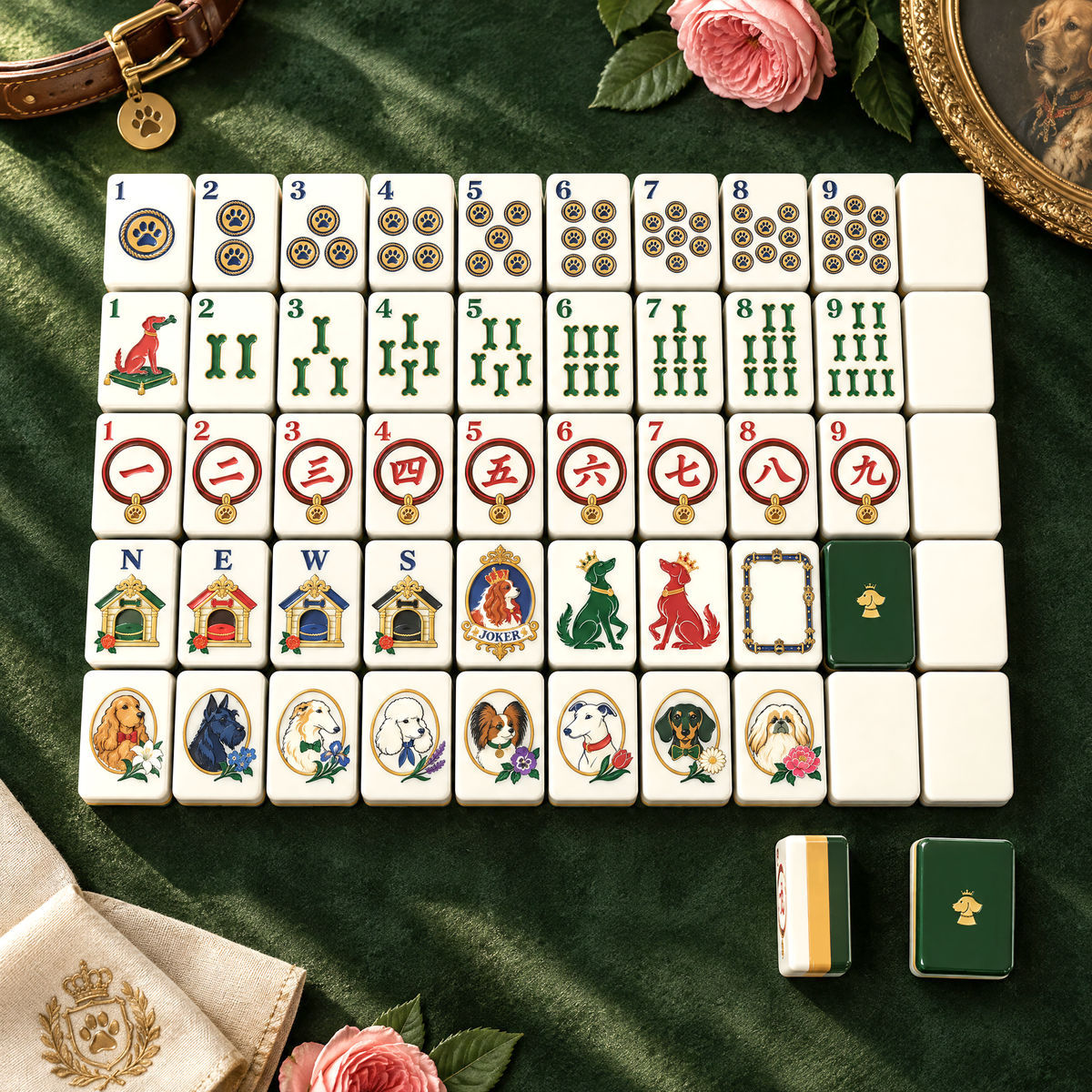
Memphis players gather at community centers, synagogues (especially in East Memphis and Midtown), country clubs, and libraries—most host weekly or monthly games open to beginners. Check bulletin boards at local libraries, ask staff at Jewish community centers, and search Meetup for "mahjong Memphis" to find active groups; many also coordinate through Facebook pages or WhatsApp chats. Games typically run 2–4 hours on weekday afternoons or weekend mornings, with buy-ins ranging from casual (no money) to friendly stakes. Before you show up, confirm the variant (American is most common in the South), grab the current National Mah Jongg League card, and bring a tile set—many hosts have spares, but our best-selling mahjong sets arrive ready to play and pair well with a mat and racks if you want to host later.
How do I find a mahjong game near me in Memphis?
Start with your library system—most Memphis public library branches have bulletin boards with game postings and may host or know of regular groups. Call ahead to ask. Next, check Meetup.com for "mahjong Memphis" or "Memphis tile games"—active groups often post times and locations there. Ask at Jewish community organizations, senior centers, and country clubs; staff can point you to long-running games. Finally, ask anyone you know who plays: Memphis has a tight-knit scene, and one introduction often leads to standing invitations. Visit in person if a location is public, and don't be shy about asking the host what day and time they meet.

What's the difference between American and other mahjong variants played in Memphis?
American mahjong is the dominant variant in Memphis and uses the current year's National Mah Jongg League card with hands refreshed every spring—you cannot play off-card hands, and jokers are never used as single tiles or pairs. Chinese variants allow custom hands, use 144 tiles, and permit sequences (chows); Riichi adds betting rounds. Most Memphis home games are American, but always ask the host which rules apply before sitting down. American also has no exposed sequences—only pungs, kongs, and quints are visible to all players. If you've only played Chinese mahjong, expect slower pacing and stricter hand validation in American games.
Do I need to own my own mahjong set to play in Memphis?
Most hosts have spare sets, but bringing your own signals you're serious and ensures you play with tiles you trust. Many regular players prefer their own sets for tactile familiarity and luck—superstition runs deep in this game. If you're a beginner trying one group session, ask the host first. If you're joining a regular weekly table, owning a set makes sense; our best-selling mahjong sets come complete with racks, pushers, and a case, ready to transport to a game. A good set lasts decades and becomes part of your game identity over time.
What should I bring to my first mahjong game in Memphis?
Item | Why You Need It | Notes |
Current year NMJL card | Hand reference & scoring | Get it before you arrive |
Tile set (optional if host provides) | Play and portability | Borrow first time, buy if joining weekly |
Pen and paper | Score tracking | Keep a running total each round |
Small notebook | Rules notes | Write down local house rules |
Water bottle | Hydration during 2–4 hour games | Most venues welcome personal drinks |
Open mind on house rules | Respect local customs | Every group tweaks tiles-on-one or kong fees |
Arrive 10–15 minutes early to ask about rules, the amount of any buy-in, and where to sit for your skill level. Regulars usually pair beginners with experienced players. Bring cash if there's a small stakes game, and confirm whether it's winner-takes-all or per-hand betting.
How do I learn American mahjong rules before I play in Memphis?
Read our mahjong for beginners guide to grasp the Charleston (tile passing), how to read the card, and how scoring works. Spend 20 minutes watching a video of American mahjong play—seeing the tiles move makes rules click faster than reading alone. Ask the host if you can observe one full round before jumping in; most groups welcome kibitzers. Bring the card to your first game and don't hesitate to ask "Is that a legal hand?" The best Memphis groups treat teaching as part of the game, especially for people trying their first session.
🀄 Shop best-selling mahjong sets →
What happens after I find a regular game—should I buy gear?
If you love the game and join a weekly table, a personal set becomes valuable. Many Memphis players host at home or alternate venues, so having your own set means you can join any game without relying on the host. Explore our collection of best-selling mahjong sets—they come with racks and pushers so the game feels pro without being intimidating. After a month or two of playing weekly, you'll know whether the investment makes sense for you. Some players also buy engraved sets with custom titles to commemorate a group or milestone—a fun way to celebrate a growing hobby.
🎁 See our most-loved mahjong sets & accessories →
What's the social scene like—can I make friends playing mahjong in Memphis?
Mahjong tables are friendship factories. Most Memphis games run weekly for years, and players become close colleagues outside the tiles. Conversation flows between rounds, money rarely matters much (if at all), and the game's pace gives you time to get to know people. Many groups celebrate member birthdays, take group trips, or play tournaments. If you're new to Memphis or looking to build a social circle, a regular mahjong table is one of the fastest entry points into a warm, opinionated, witty community. People remember who shows up, plays fair, and laughs at themselves—that matters more than raw skill.
What to check before you buy a set to bring to Memphis games
Tile texture & feel: Handle a set before buying if you can, or read reviews of acrylic vs. bamboo weight. Memphis players have preferences; some love heavier bamboo, others prefer lightweight acrylic for travel.
Complete tile count: Confirm the set has all 152 playing tiles plus 8 jokers. No set is usable without the full 152.
Racks and pushers included: A good travel set comes with racks so you're self-contained at any table.
Case durability: If you'll carry your set weekly, the case matters more than at-home storage—look for reinforced corners and a secure latch.
Tile clarity: Numbers and symbols must be easy to read under table lighting; some sets fade or blur with age.
✨ Find your Mahstead set — free US shipping →

FAQ
Are there mahjong classes for beginners in Memphis?
Most community centers and libraries do not offer formal instruction, but many game hosts will teach a beginner before the first paid round. Call ahead and ask to observe; many groups are welcoming. Online tutorials and our beginner guide help you get oriented faster.
What if I don't know anyone who plays—how do I break in?
Meetup is your best bet. Post on community Facebook groups asking for mahjong games. Visit a library and ask a librarian directly. Many Memphis groups have an "open chair" policy and welcome newcomers; one game often leads to invitations.
Is Memphis mahjong expensive to play?
Most home games are casual or play for small stakes per hand or per game. Public groups rarely involve money at all. Owning a set is the only significant cost; after that, you're in for time and social investment only.
Do I have to play for money?
No. Many Memphis groups play purely socially. Ask the host upfront about their house rules on stakes. Nobody should pressure you to gamble.
What's the best tile set for a Memphis beginner?
Our best-selling sets come complete with racks, pushers, and a case—everything a beginner needs to show up ready. Acrylic is durable and affordable; wood feels luxe but is heavier to carry.
Can I play mahjong online in Memphis instead?
Yes, online platforms exist, but Memphis in-person games are active and welcoming. The social experience and tactile feel of tiles distinguish live games. Most local players prefer tiles in hand.


View More
View More
View More
