
Where to Play Mahjong in Knoxville: Local Games & Getting Started
Last updated: Nov 23, 2026
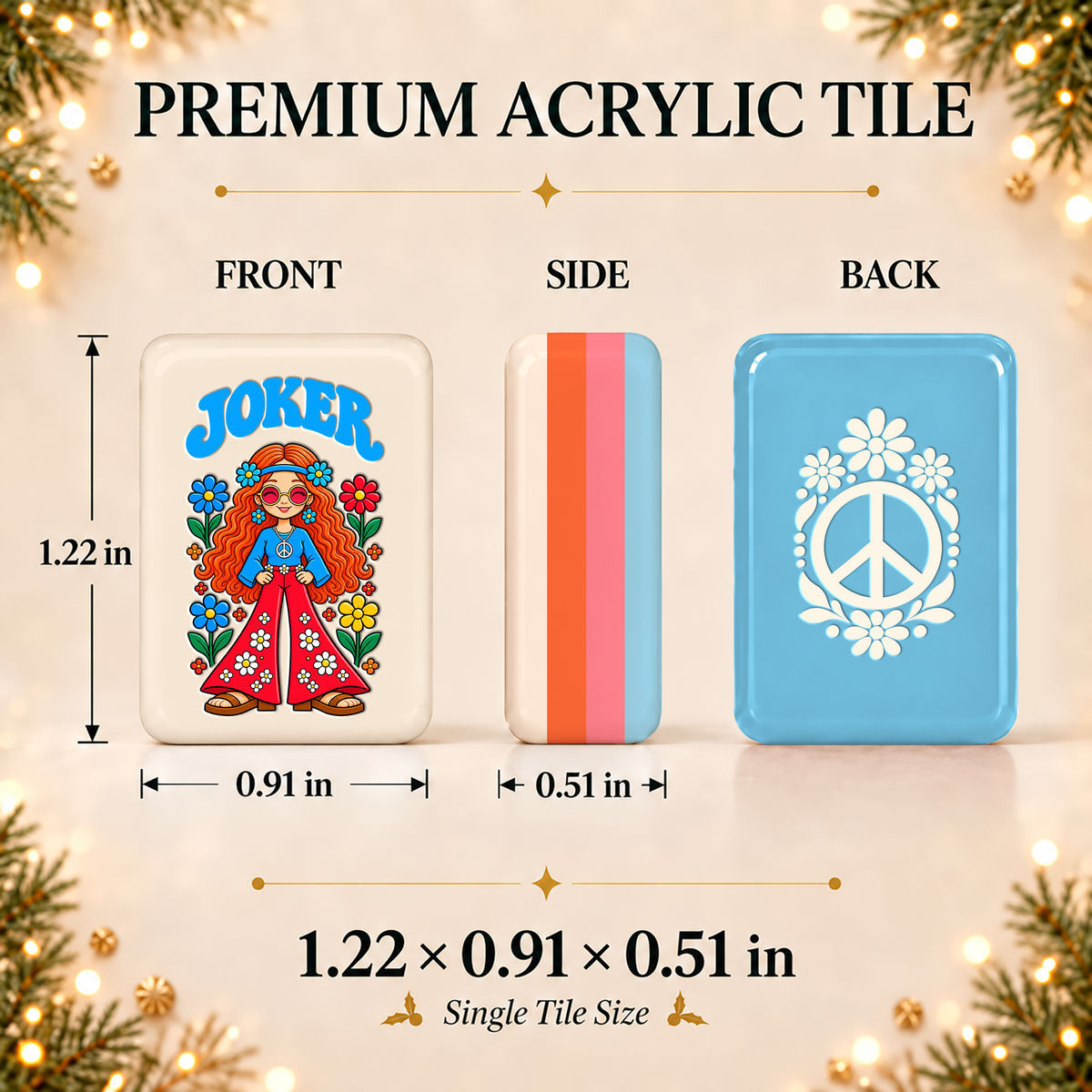
Knoxville mahjong players gather at community recreation centers (check Parks and Recreation listings), public libraries (especially the main branch and regional branches), synagogues and Jewish community centers, country clubs with game rooms, and informal home groups advertised on Meetup or Facebook. Most weekly games run Tuesday through Friday afternoons or evenings, with stakes ranging from no-money practice games to penny-per-point casual play. New players should start by calling ahead to confirm the day, time, and house rules—each group follows slightly different scoring and hand-selection variants. Bring best-selling American mahjong sets if you're hosting; most groups use a 152-tile set with jokers, and hosting a weekly game requires a reliable set with clear tiles and a good mat to keep play smooth and fair. 🀄 Shop best-selling mahjong sets →
How do I find a weekly mahjong game near me?
Start by contacting Knoxville Parks and Recreation—they often sponsor or list open game times at community centers. Call your local library branches and ask if they host mahjong or maintain a bulletin board for game organizers. Check Meetup.com and Facebook groups for "Knoxville mahjong" or "East Tennessee mahjong"—many neighborhoods have private leagues that post open-game announcements monthly. If you belong to a synagogue, JCC, country club, or senior center, ask staff directly; these venues typically host established games with standing players. Don't be shy about calling a week ahead to confirm you're welcome as a beginner.

What house rules should I learn before my first game?
Every Knoxville group plays American mahjong (the most common variant locally), but they differ on three points: whether jokers can substitute in the pair, how many passes the Charleston involves, and whether players must declare a hand type before drawing or after the tile is in hand. Arrive 15 minutes early to ask the organizer to review these rules—it takes two minutes. Most casual games play the National Mah Jongg League standard (no jokers in the pair, standard three-pass Charleston), and a few groups allow house variants. Bring a pen and paper to jot down the four key rules so you don't forget mid-game. Read our mahjong for beginners guide to brush up on scoring and the tile types before you go.
🎁 See our most-loved mahjong sets & accessories →
What equipment do I need to join or host a game?
A standard American mahjong set contains 152 tiles (three suits numbered 1–9 in four copies each, plus winds, dragons, flowers, and jokers) and eight jokers. Most Knoxville games bring their own sets and share racks—you don't need to own one to play. If you're joining a regular group, you'll eventually want a personal set with pushers and a bag for easy transport. If you're hosting a weekly game at home, invest in a quality set with a non-slip mat so tiles don't shift during play, clear acrylic tiles so everyone can verify the face value instantly, and a dedicated storage bag or case to keep pieces organized between sessions. A reliable set from our best-selling collection will last through hundreds of games without tile wear or chipping.
Role | Must-Have Gear | Nice-to-Have | Why It Matters |
Casual Player | None (borrow from host) | Personal racks & pushers | Comfort during long games |
Regular Member | Personal set; racks; pushers | Bag for transport | Speed setup; tile protection |
Host / Organizer | Quality set; mat; 152 tiles | Backup set; dice; scoring pad | Fair play; prevents disputes; backup if tiles damage |

How do I start my own Knoxville mahjong group?
Post a low-barrier invitation on Meetup, Facebook, or your neighborhood app: "Beginner-friendly American mahjong, Thursday 6 PM, home game, no money, all skill levels welcome." Set a fixed day and time so people calendar it. Expect four to eight people to show interest; start with four players (the standard). Host at your home, a coffee shop with a large table, or a community room you can book at a library or rec center. Provide a quality 152-tile set, a mat, and racks with pushers so new players don't feel uncomfortable with borrowed or mismatched tiles. Teach the Charleston and hand-reading from the current year's National Mah Jongg League card (purchase one card per table—players share it). After three weeks, the group will stabilize and regulars will begin to self-organize or even rotate hosting duties.
✨ Find your Mahstead set — free US shipping →
What's the difference between American, Chinese, and other mahjong styles?
American mahjong (played in Knoxville) uses only hands printed on the annual National Mah Jongg League card, no chows (sequences), and eight jokers that can substitute for any tile except in pairs or single tiles. Chinese classical mahjong allows chows, uses different tile counts, and has no jokers—a much older rule set. Hong Kong mahjong is fast, uses fewer tiles, and plays quick hands. Japanese Riichi mahjong is tournament-style with intricate scoring rules. Taiwanese and other variants exist, but Knoxville games are almost always American. If you join a group advertising "Chinese mahjong" or "Riichi," clarify house rules before attending—you may need to learn a different strategy and tile inventory.
What should I check before I buy a set for Knoxville play?
Before purchase:
Confirm the set contains 152 tiles (the American standard)—never buy a 144-tile set
Check that tiles are acrylic and clearly printed so all four players see numbers instantly
Verify the bag is large enough for a mat roll, not just loose tiles
Look for pushers (small tools to slide tiles up the rack) and racks included or available separately
After purchase:
Run one full game at home to test for missing tiles, cracks, or unclear faces
Keep the spare tiles that come with the set—they replace damaged pieces
Store the set in a cool, dry place away from direct sun (acrylic can fade)
If you're a regular host, assign someone to count tiles before the first game each week to catch losses early

FAQ
Can I play mahjong in Knoxville if I've never played before?
Yes. Most weekly groups have beginners and teach the basic rules in 10 minutes. Arrive early, watch one hand, then play. Within three games, the mechanics click. Join a no-money practice game first if you're nervous.
Do I have to pay to join a Knoxville mahjong group?
Most social groups are free or charge $1–2 per session to cover table rental or snacks. A few casual games are penny-per-point (one cent per point), so a full game costs $1–5 per person. Never join a high-stakes group as a beginner—social play is the norm here.
Where can I buy a mahjong set in Knoxville, or do I have to order online?
No mahjong specialty shops exist in Knoxville. Order online for reliable quality and free US shipping. We recommend starting with a best-selling set so you know the tiles are standard and won't confuse other players.
How long does a typical mahjong game take?
One game (four hands, one player as dealer on each) takes 45 minutes to an hour for casual players, 30 minutes for experienced players. Most groups play three to five games per session (two to three hours total).
What's the difference between a mahjong mat and a table cover?
A mat is a padded, non-slip surface rolled up and stored; a table cover is a flat cloth that drapes over a table edge. For home hosting, a mat is better because it protects tiles and prevents shifting during play.
Do I need to buy a personal set if I'm joining a group?
No. Borrow or share the host's set for your first few months. Once you play weekly, buy your own so you can practice at home and contribute a backup set if the host's gets damaged.


View More
View More
View More
