
Where to Play Mahjong in Dallas: Your Local Venue Guide
Last updated: Nov 23, 2026
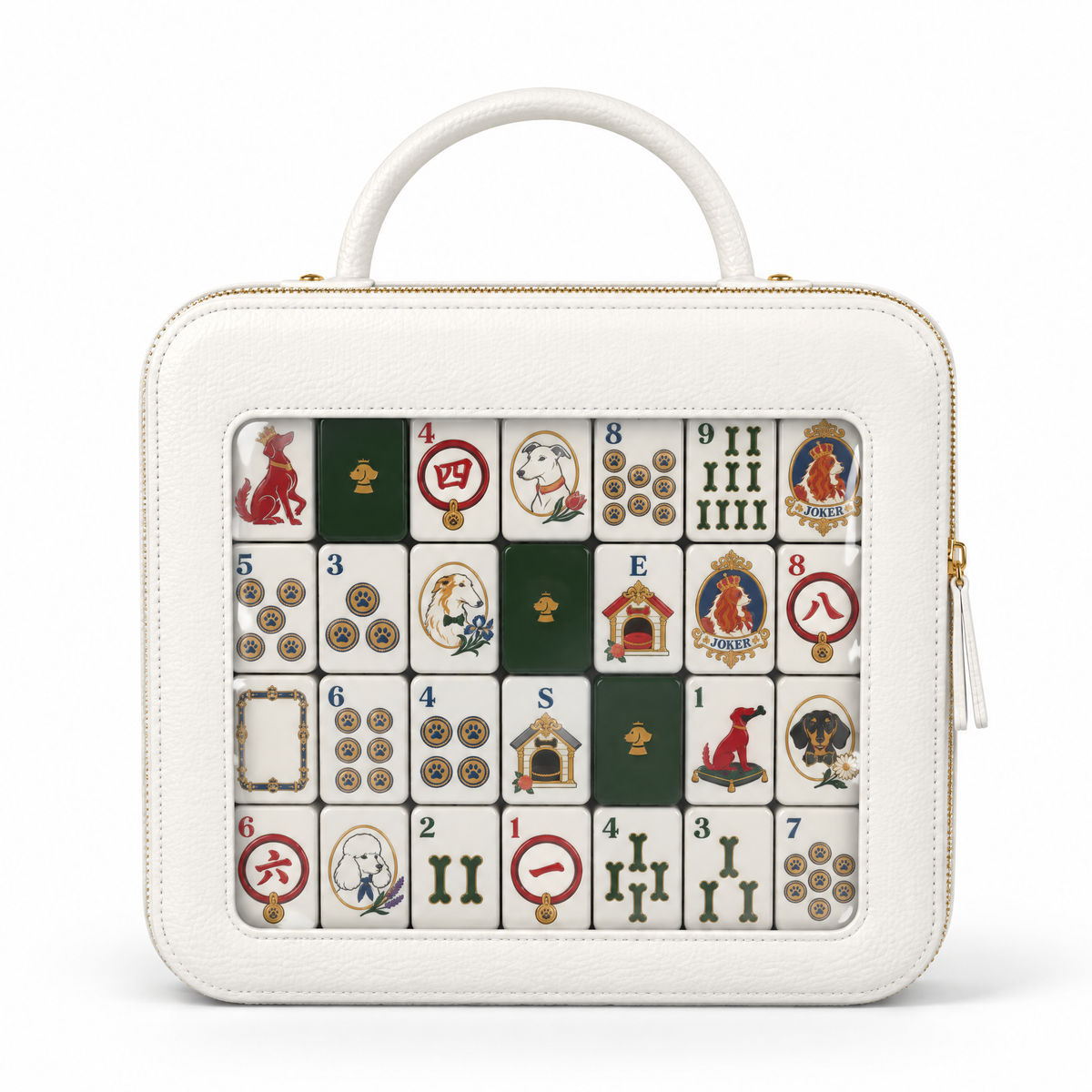
Dallas mahjong players gather at public libraries (many host open game nights or bulletin boards listing clubs), community centers in neighborhoods like Oak Lawn and Preston Hollow, Jewish community centers, country clubs with recreational programs, and private player groups advertised on Meetup and local Facebook groups. Games typically run one to three hours per session; expect to find American mahjong (four-player, 152-tile, using the current National Mah Jongg League card). Most groups welcome beginners—arrive early to learn the Charleston and tile exchange. Bring nothing but yourself; the host usually supplies tiles, mat, and racks. If you want to host games yourself, a best-selling mahjong set with a dedicated mat and racks makes setup effortless and signals you're serious.
What are the most active mahjong venues in Dallas?
Dallas players typically meet at public libraries (check your branch's event calendar and community board for player meetups), community recreation centers (many host monthly game nights in central areas), Jewish community centers and synagogues (which often run dedicated mahjong clubs), and private country clubs with game programs. A smaller but growing number of players organize through Meetup, Facebook groups, and NextDoor—search terms like "Dallas mahjong," "American mah jongg Dallas," or "four-player mahjong."
Start by calling your nearest library or community center directly; front-desk staff can direct you to existing groups or post your interest on their bulletin board. Many venues don't list mahjong online—word-of-mouth and in-person bulletin boards remain the primary channels. If you're searching for a specific neighborhood, visit the Parks and Recreation website for your city (Dallas, Arlington, Plano, etc.) and filter by "games" or "clubs."
The key: don't assume a venue has mahjong just because it has game programs—call first.

How often do Dallas mahjong groups play?
Most established Dallas groups play weekly or biweekly on weekday evenings (5–8 p.m.) or Saturday afternoons; a few run monthly tournaments or weekend sessions. Sessions last 1.5 to 3 hours depending on skill and game count. Some groups meet at the same venue every week; others rotate locations.
When you contact a venue or group, ask directly: When do you play, on what day of the week, what time does the group start, and how long do games usually run? Also confirm whether the group plays American mahjong (four-player, 152-tile) or another variant (some groups mix styles). Knowing the schedule in advance lets you plan your first visit and bring any tiles or accessories if asked.
Consistency is why many players host weekly games at home—you control the day, time, and regularity, which requires a dedicated mahjong set and a reliable mat and rack setup.
🀄 Shop best-selling mahjong sets →
What should you bring (or not bring) to a Dallas mahjong game?
Bring yourself and a willingness to learn. Seriously—that's it. The host or venue supplies the tiles, mat, racks, pushers, and dice. Bringing your own set is unnecessary and often awkward unless you're a regular invited to contribute.
Do bring a pen and paper to take notes on hand patterns during Charleston (the tile-passing ritual). Wear comfortable clothes and shoes you can slip off if playing at someone's home. Bring snacks or a drink to share if the host suggests a potluck (many home games run this way).
Don't bring: confusion about whether you're playing American or Chinese mahjong (ask beforehand), unprepared expectations (American mahjong has no sequences—only sets from the current season's card), or anxiety about scoring (ask the player or group leader to explain before you sit down). If you're new to American mahjong, review the beginner's guide and the Charleston the night before so you're not learning both in real time.
Many first-timers underestimate the Charleston—it's a 10–15 minute tile exchange ritual before any hand is played. Showing up 15 minutes early lets you watch or practice it without holding up the table.

How do you find a group if you're a complete beginner?
Step 1: Search online. Visit Meetup.com, filter by Dallas and "mahjong"; check Facebook Groups for "Dallas mahjong" or "North Texas mah jongg"; look at NextDoor in your specific neighborhood.
Step 2: Check public resources. Call your city library and ask: "Do you have a mahjong group, and can you share contact information or let me post an interest notice?" Do the same with your city Parks & Recreation office.
Step 3: Ask where you play bridge or cards. Many community centers and clubs run multiple game programs; the bridge organizer often knows who plays mahjong.
Step 4: Visit synagogues and Jewish community centers. Call and ask whether they host mahjong. Even if you're not a member, many welcome newcomers to open game nights.
Step 5: Be clear about what you want. When you contact a group or venue, say: "I'm a beginner interested in American mahjong. Do you have a welcoming group for new players?" Most groups say yes—American mahjong has a culture of teaching newcomers in real time.
Step | Action | Expected Outcome |
Search online | Meetup, Facebook, NextDoor | 2–5 local groups found |
Call your library | Ask about mahjong club or board | Find established weekly game or leave your name |
Check community center | Search Parks & Rec calendar or call | Discover monthly or weekly sessions |
Visit a synagogue | Ask front desk | Access open game nights or club contact info |
Message a group | Use Meetup or Facebook | Get details: time, location, skill level, cost if any |
What's different about Dallas mahjong compared to online or other cities?
Dallas mahjong players follow American mahjong rules exclusively—four players, 152 tiles, hands pulled only from the current National Mah Jongg League card (issued every spring). There's no significant regional variation, so the game plays the same whether you're at a library, a home game, or a tournament.
What is unique to Dallas: because of the city's size and spread-out geography, many players organize by neighborhood or workplace rather than through a single central venue. This means you might find a different group in Uptown, Deep Ellum, or the suburbs—and they won't always cross-pollinate. Your best bet is to search your specific zip code on Meetup and Facebook before assuming you have to drive 45 minutes.
Online play (via apps or video) is growing but remains separate from in-person games; most Dallas players prefer face-to-face because it's social, faster, and lets you practice the physical Charleston and tile handling. If you're entirely new, start with in-person play to learn these tactile skills—they matter.
Once you're confident, hosting a weekly home game is the fastest way to build your own consistent group. A complete mahjong set, dedicated mat, and racks with pushers signal you're serious and create a setup that plays faster than borrowing mismatched tiles from three different people.
🎁 See our most-loved mahjong sets & accessories →
What to check before you commit to a Dallas mahjong group
Before attending your first game, confirm:
Variant: Is it American mahjong (four-player, 152-tile, card-based)? Some groups mix American and Chinese; you need to know.
Skill level: Are there beginners, or is this an experienced table? A good group runs "beginner-friendly" sessions.
Time and frequency: Does it match your schedule? Consistency matters—you'll improve faster with the same players.
Cost: Is there a fee, or is it free? Some groups ask a small amount for venue rental or supplies.
House rules: Do they use standard American mahjong scoring, or do they have local variants? Ask before you arrive.
Accessibility: Is the venue wheelchair-accessible, well-lit, and easy to reach by car or transit?
If a group or venue can't answer these clearly, it's okay to keep searching. A well-run group is transparent about how it works.
✨ Find your Mahstead set — free US shipping →
Getting ready: what you'll need if you host
If you decide to run your own weekly game—the surest way to have consistent players—you'll need a complete American mahjong set (152 tiles plus spare jokers), a mahjong mat to define play zones and protect your table, four racks with pushers so players can hold tiles neatly, a sturdy bag or case for transport and storage, and dice (included in most sets). All of this fits together in a way that makes setup under five minutes—far faster than gathering tiles from friends.
For a beginner-friendly hosting setup, look for engraved sets with clear English titles so newcomers can learn tile names faster, and a mat with printed zones so you don't have to explain where the Charleston happens. Hosting is how we've built our most loyal game groups in Dallas—start with a steady time (Thursday evening, 7 p.m., every week) and the same four chairs, and you'll have regulars within a month.

FAQ
Is there a cost to play mahjong at Dallas public venues?
Most public library and community center games are free or ask a nominal fee (under $5) for table rental or supplies. Private clubs may require membership; home games vary by host. Always confirm before attending.
Do I need to know how to play American mahjong before joining a group?
No. Most Dallas groups welcome complete beginners and teach as you play. Arrive early and tell the host you're new. Review the Charleston and how hands work beforehand to reduce first-game anxiety.
What if I can't find a group in my neighborhood?
Post your interest on Meetup, Facebook, or your city's NextDoor. Many players organize by word-of-mouth and are actively looking for new members. You might also start a group yourself and host at home once weekly.
Can I play mahjong in Dallas if I only know Chinese or Hong Kong mahjong?
Yes, but check with the group first. Most Dallas groups play American mahjong exclusively; a few may welcome mixed variants, but rules differ significantly. Ask before showing up.
What's the age range of Dallas mahjong players?
Highly mixed—from college-age players to retirees. Most groups are welcoming and social regardless of age. If you have concerns about the group culture, ask the host during your first contact.
If I'm traveling to Dallas, can I find a drop-in mahjong game?
Call local libraries and community centers or post on Meetup a few days before you arrive. Most established groups accommodate visitors, though some prefer to know in advance. Drop-in availability is lower than ongoing membership-based groups.


View More
View More
View More
