
Where to Learn Vietnamese Mahjong: Online & In-Person Options
Last updated: Nov 23, 2026
Vietnamese mahjong, also called Tài Xỉu or Man-Tài, is played with a 136-tile set and uses a fast, action-packed betting format that feels nothing like American or Hong Kong games. Learning happens fastest in three ways: (1) join a Vietnamese community center, temple, or cultural association (search your city's community boards, libraries, or meetup forums for "Vietnamese mahjong" or "Tài Xỉu club"); (2) find a mentor within your social circle—most Vietnamese players learned from family and are happy to teach a serious beginner over 4–6 weeks of weekly 2-hour sessions; (3) watch structured YouTube tutorials paired with rule cards written in English and Vietnamese. A beginner typically needs 6–10 games before decisions feel natural; expect to master betting rounds and tile-calling patterns within a month of weekly play. Unlike American mahjong's rigid National League card, Vietnamese rules vary by region and table, so ask your teacher which local variant they teach.
Vietnamese mahjong differs sharply from American and Chinese variants. We'll show you exactly where to find lessons, what to expect, and how to practice.
What makes Vietnamese mahjong different from American?
Vietnamese mahjong uses 136 tiles (one fewer set than American's 152-tile structure) and plays at speed without a reference card. There is no Charleston; betting and hand declarations happen in real time based on memorized hand types. American mahjong requires you to match the current year's NMJL card and exposes pairs, pungs, and kongs; Vietnamese players work from patterns learned through play, not printed references. The game runs in tighter rounds—winning and losing settle fast, with money or points changing hands immediately. A beginner used to American mahjong's deliberate pace will find Vietnamese play feels riskier and more fluid.

Where do Vietnamese communities teach mahjong?
Your best bet is a Vietnamese cultural center, Buddhist temple, or community association in your area. Search your city's community center schedules, library bulletin boards, and local meetup websites for "Vietnamese mahjong," "Tài Xỉu," or "Asian games" clubs. Many temples run free or low-cost evening drop-in sessions; call ahead to confirm skill level (some tables are highly competitive, others beginner-friendly). If no formal club exists, ask at Vietnamese restaurants, nail salons, and grocery stores—regulars often know who hosts private home games and may invite you if you're genuinely interested. Some larger cities host Vietnamese festivals or Lunar New Year events with demo tables where players teach on the spot. Post on local Vietnamese-language Facebook groups: "Tôi muốn học Tài Xỉu" (I want to learn mahjong) often draws responses from nearby players eager to mentor.
How can you learn online before joining a table?
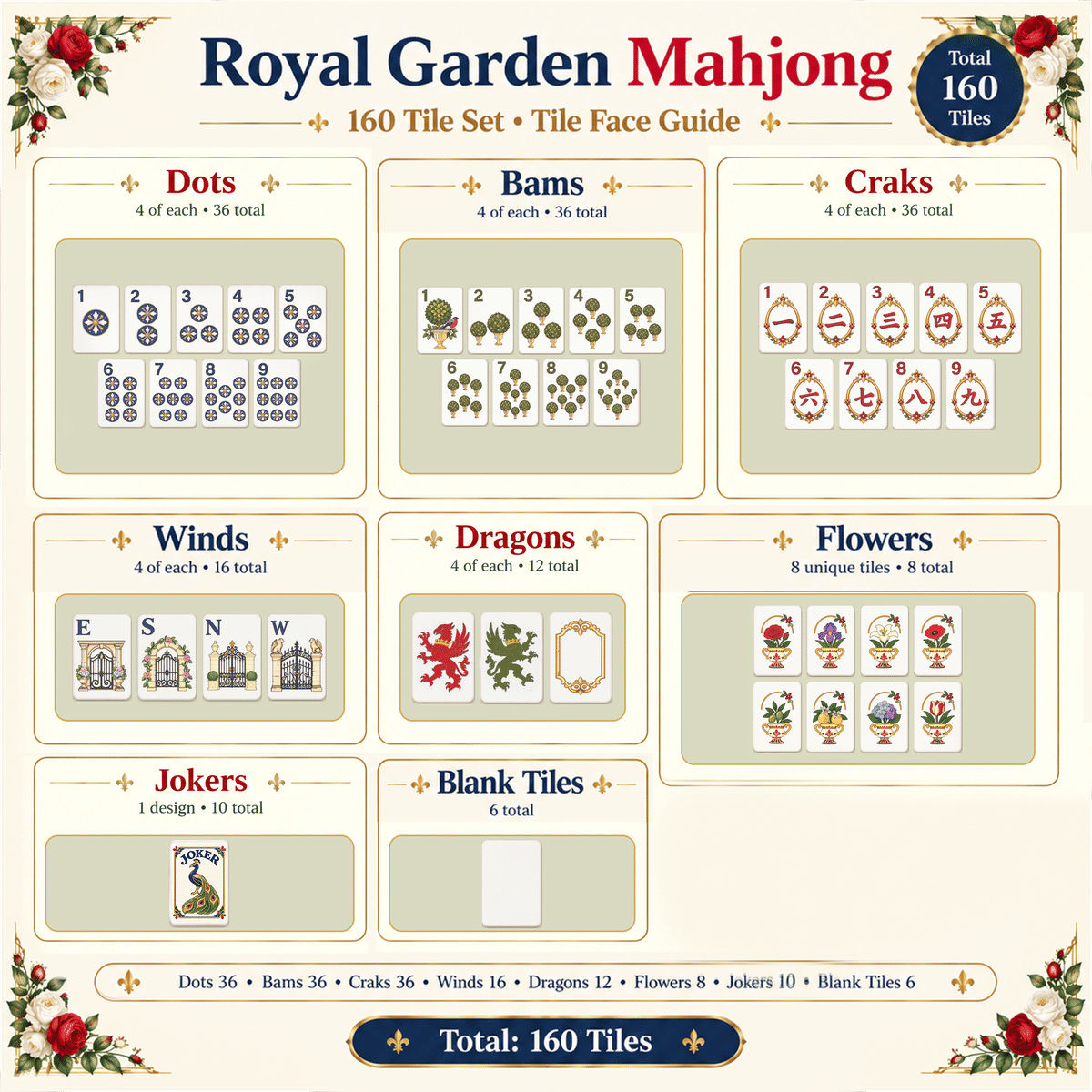
YouTube holds several Vietnamese-language tutorial channels where players break down tile names, hand types, and betting rounds. Search "Tài Xỉu hướng dẫn" (mahjong guide) or "Tài Xỉu luật chơi" (mahjong rules). English-language content is thinner, but a few channels post slow-motion games with play-by-play commentary. Start by learning the 136 tiles: suit names (Bams, Craks, Dots—identical to American/Chinese mahjong), winds, dragons, and flowers. Spend two sessions just naming tiles and recognizing them by sight. Then study the hand types and scoring rules specific to your region (this varies significantly). Watch clips at half-speed if available; pause and write down winning hand patterns. Join online forums or Reddit threads on mahjong variants and ask for Vietnamese player recommendations. The real learning—speed, live betting, reading opponents—cannot happen on video, so treat online study as prep work, not mastery.
What's the typical timeline for a beginner to play competently?
Expect six to ten full games before the rules feel automatic and your decisions sharpen. Weeks one and two focus on tile recognition and basic hand types; you'll play slowly and ask frequent questions. By week three or four, you'll begin to spot winning patterns mid-game and understand betting signals. After six to eight sessions (one month of weekly 2-hour play), you'll hold your own at a casual home table. True fluency—reading subtle betting cues, managing risk, spotting opponent tells—takes three to six months of regular play. The speed of learning depends heavily on your teacher and the table's patience; a skilled mentor who plays at your pace accelerates progress by weeks.
Does the variant matter? (regional and house rules)
Yes, significantly. Vietnamese mahjong has no single "official" ruleset like American's NMJL card. Northern Vietnam, Southern Vietnam, and diaspora communities abroad each play slightly different hand types and scoring. Some tables allow bonus tiles or honor different hand rankings. Before you commit to learning, ask your teacher or club: "Which variant do you play?" and "Are there written rules I can take home?" Get a rule card if available. Starting with one variant is fine; once you're solid, learning a second variant becomes easier because the core—tile names, betting flow, hand-recognition speed—transfers. If you later join a different table, spend one session observing before playing so you catch any local tweaks.

How to find a private mentor vs. a club setting
Learning context | Best for | Pace | Why pick it ---|---|---|--- Private mentor (1-on-1 or small group of 2–3) | New players, nervous about large tables, people with irregular schedules | Slow; tailored to your speed | One-on-one feedback; no pressure; rules customized to your teacher's variant Community club (4+ players, drop-in) | Social learners, people who want to play immediately, those near a regular venue | Medium; mix of experienced and new players | Fast progression through real games; social network; multiple teachers at one table Home game (invitation-based, 4 players, regular group) | Once you know the rules, serious hobbyists, people comfortable with house bets | Fast; experienced players set tone | Most authentic learning; real money/stakes make decisions matter; tight community Online tutorials + solo practice | Absolute beginners before any table visit; people with no local community | Self-paced; flexible hours | Lowers anxiety before first live game; no time pressure; can rewatch
🀄 Shop best-selling mahjong sets →
What equipment do you need for Vietnamese mahjong?
Vietnamese mahjong sets are harder to find in the US than American variants, so sourcing is the real challenge. A standard Vietnamese set contains 136 tiles; many players use American or Chinese mahjong sets and simply remove or ignore the extra tiles to reach 136. A few specialty dealers online ship Vietnamese sets internationally, but shipping times and costs are high. If you join a club or mentor group, the host usually provides a set for practice. For home play, a durable set with clear suit markings, good tile weight, and solid racks matters—poor tiles slow the game and frustrate players. A mahjong mat protects your table and makes tiles easier to see; some Vietnamese tables use felt cloths instead. You'll also want racks with pushers to organize your hand neatly and signal betting decisions without confusion. Because Vietnamese play is fast and cash often changes hands, every player needs to see tiles clearly and move quickly—cheap, flimsy sets breed mistakes and disputes.
🎁 See our most-loved mahjong sets & accessories →
Key steps: a beginner's checklist
Find your teacher or club — Search community centers, temples, and Facebook groups in your city for "Tài Xỉu" groups. Call or visit in person to confirm beginner welcome.
Learn tile names offline — Spend 2–3 hours naming the 136 tiles (Bams, Craks, Dots, winds, dragons, flowers). Watch YouTube tutorials at half-speed.
Study one region's hand types — Ask your teacher which variant and get a written rule card. Memorize 5–8 basic winning hands before your first session.
Attend your first session as an observer — Sit out the first game. Watch betting flow, hand declarations, and tile-calling rhythm without playing.
Play your second session with help — Sit at the table with a mentor beside you. Play every hand; ask questions between rounds.
Commit to 4 consecutive weekly sessions — Attend the same group or mentor on a regular schedule. Repetition builds speed and confidence.
Track which hands you see repeatedly — Keep a small notebook; jot down the hands others win with. This becomes your personal reference faster than any book.
Join a casual home game by week 5–6 — Once you've played 6+ times, ask your mentor or club about a friendly stakes-free or low-stakes home game for practice.
What to check before you buy a set for home play
If you're planning to host games, a quality set matters for speed and credibility. Look for solid tiles (not hollow or cracked after shuffling), clear engraving so suit and number are readable at a glance, and racks with pushers that hold tiles stably as you draw and discard. Weight matters: heavier tiles (thicker acrylic or resin) signal quality and slow the shuffle so you can think. Lighter, thin tiles rattle and feel cheap. Buy a set with a carrying case or bag if you'll transport it to friends' houses or club meetings—Vietnamese mahjong moves around; protection keeps tiles from cracking. If you're unsure whether Vietnamese mahjong is your long-term hobby, rent or borrow a set for your first three months. Most community clubs welcome new players with borrowed equipment; switching to your own set after you're confident feels better than buying blind.
✨ Find your Mahstead set — free US shipping →

FAQ
Is Vietnamese mahjong harder to learn than American mahjong?
Different, not harder. American mahjong requires memorizing one year's card with hundreds of hand patterns; Vietnamese mahjong memorizes a smaller set of ~20 core hands but demands speed and live betting. Most players find Vietnamese faster to start (you play real games by week two) but more emotionally intense.
Can I learn Vietnamese mahjong from reading books alone?
Books help build foundation knowledge, but live play is essential—speed, betting signals, and opponent reading come only from tables. Treat books as prep; commit to 6–8 live games minimum.
What if there's no Vietnamese mahjong club in my city?
Post in local Vietnamese Facebook groups or ask at cultural centers if home games run nearby. If truly isolated, travel to a larger city's club 1–2 weekends per month while learning online. Many diaspora players started solo and found groups later.
How much does a beginner typically lose (or win) in the first month?
House rules vary; ask your mentor about stakes before joining. Many beginner-friendly groups play for zero money or symbolic amounts. Focus on learning, not profit—a few players lose their stake in the first weeks; most break even by month two once skills stabilize.
Can I use an American mahjong set to learn Vietnamese mahjong?
Yes, if you remove the extra tiles to reach 136. Many clubs allow it for practice. The suit names and basic tiles are identical. Hand recognition works the same. For serious play, a proper 136-tile Vietnamese set or a full American set (used as-is) is clearer, but an American set is not a barrier to learning.
What's the biggest mistake new Vietnamese mahjong players make?
Betting too fast before they recognize winning hands. Slow down your decision-making in the first 4–5 games. Watch others' hand patterns before you act. Rushing bets against skilled players leads to quick losses.


View More
View More
View More
