
Where to Buy a Mahjong Table Cover: Options & Guide
Last updated: Nov 23, 2026
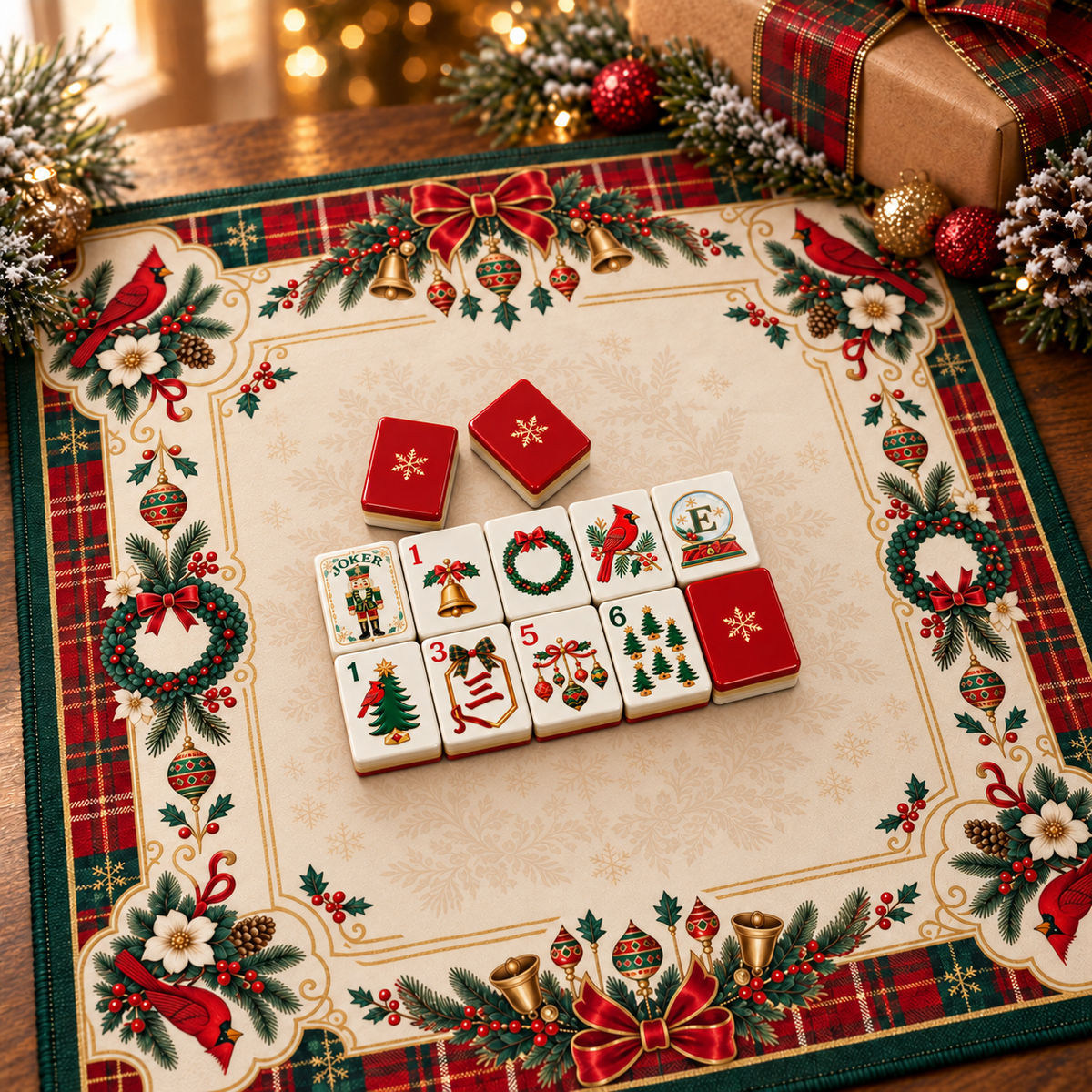
A mahjong table cover is a flat protective layer—not a playing surface—that shields wood, glass or tile beneath your game and prevents tiles from sliding off. Mats and covers serve different roles: mats are cushioned, have a lip or rail to catch tiles, and you play directly on them; covers are thin, decorative, and go under a mat or create a flat work zone on an existing table. We stock mahjong mats designed for real play, which combine protection with function. Covers range from basic cloth to microfiber with rubberized backing; they ship flat and roll for storage. Quality covers last 2–5 years with care. At Mahstead, we focus on complete play-ready setups including mats and pushers because protecting your table during the game matters more than covering it afterward.
A mahjong table cover protects your playing surface and keeps tiles contained. Mats and covers serve different roles: mats are cushioned, have a lip or rail to catch tiles, and you play directly on them; covers are thin, decorative, and go under a mat or create a flat work zone on an existing table. We stock mahjong mats designed for real play, which combine protection with function. Covers range from basic cloth to microfiber with rubberized backing; they ship flat and roll for storage. Quality covers last 2–5 years with care. At Mahstead, we focus on complete play-ready setups including mats and pushers because protecting your table during the game matters more than covering it afterward.
What's the real difference between a mat and a cover?
A mat is where you play. It has a raised edge (lip or rail) that catches tiles when they slide, a cushioned base that absorbs the noise of shuffling, and usually textured playing surface. A cover is where you don't play. It's a thin layer—often cloth or microfiber—that goes under the mat to protect wood furniture, or sits alone on a bare table to create a smooth zone before you unfold a mat or lay tiles. Covers are decorative or purely protective; mats are functional game equipment. If you're buying one item to improve your game, buy a mat with a lip—it stops tiles from scattering and lets you focus on play, not cleanup.
🀄 Shop best-selling mahjong sets →
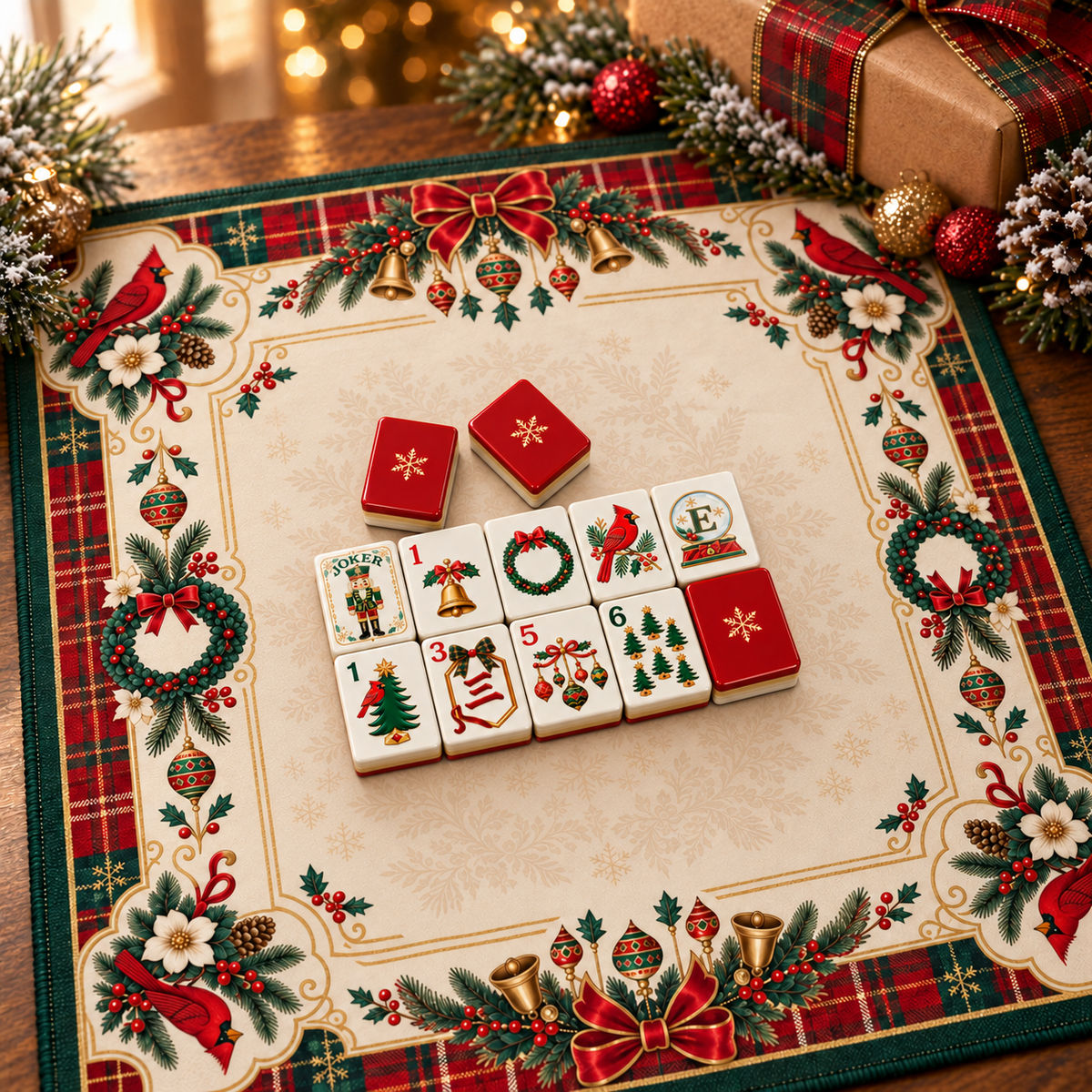
Where can you actually buy a mahjong table cover?
Online retailers, general home goods sites, and specialty mahjong suppliers each have trade-offs. Big-box home stores carry generic table protectors (vinyl, felt) that work for any game but offer no mahjong-specific design. General e-commerce platforms have covers under many brand names—quality varies wildly, and return policies differ by seller. Specialty mahjong shops like Mahstead stock mahjong mats engineered for the game: they know tile weight, shuffle patterns, and how long a mat needs to survive weekly play. Specialty suppliers also offer free US shipping, bundle mats with racks and pushers, and let you see fabric samples and edge styles before buying. For reliability and fit, a mahjong-focused source beats a general retailer.
What materials hold up best under weekly play?
Cotton or cotton-blend cloth ($) absorbs sound but wears thin after 1–2 seasons of weekly shuffling. Microfiber ($$) resists stains, dries quickly, and lasts 2–3 years with care. Rubberized-back microfiber or neoprene ($$$) grips the table, won't slide when you push tiles, and handles 3+ years of heavy use. Felt-backed vinyl is cheap but slippery and cracks in folds. Test the material before committing: if you shuffle hard, choose microfiber or rubber-backed; if you play casually monthly, basic cotton works. Many mats in our collection use microfiber with rubber backing because our players demanded a surface that doesn't shift mid-game.
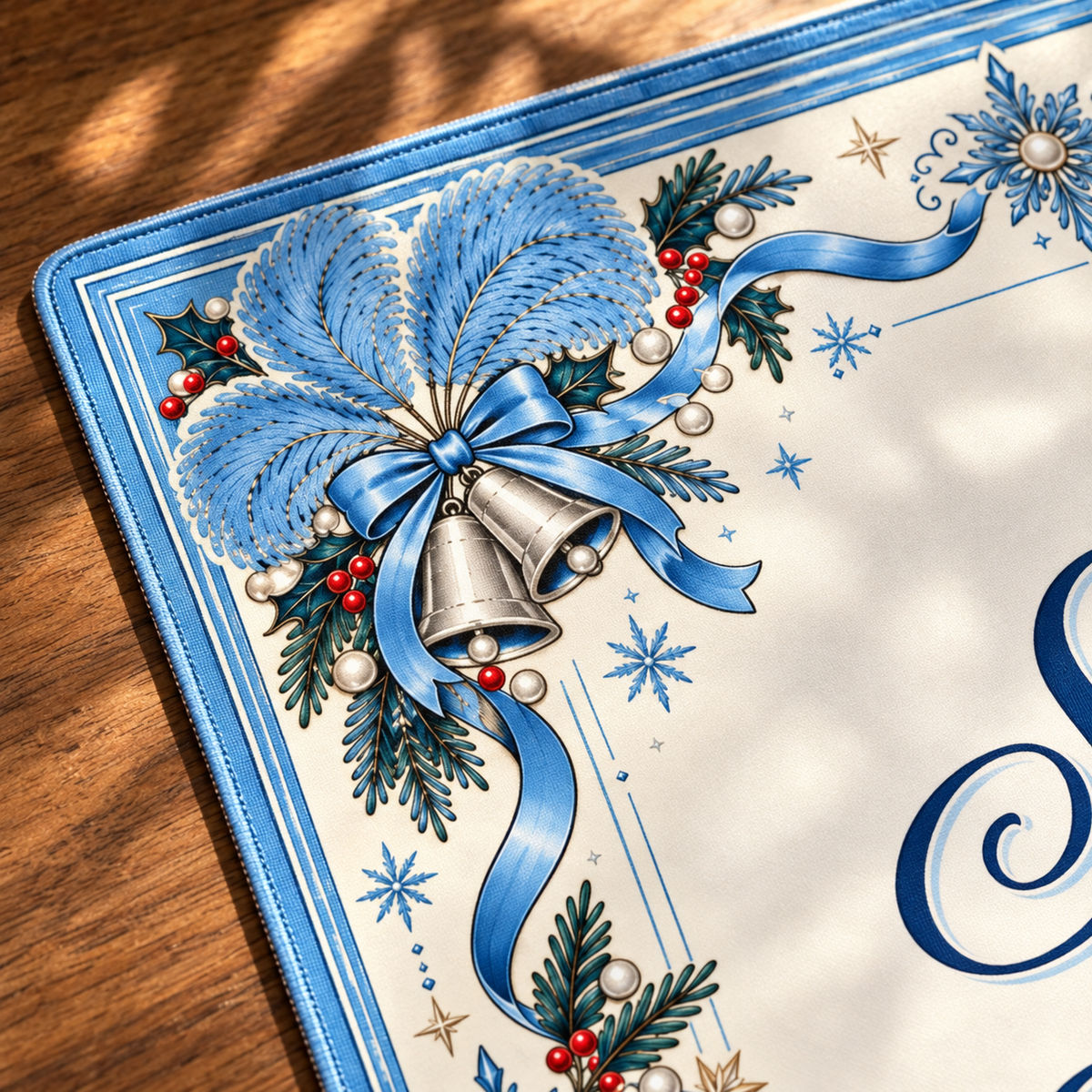
Should you buy a cover or a mat for hosting?
Scenario | Best choice | Why | What to pair it with |
Weekly home game, same table | Mat with lip | Catches tiles, cushions shuffles, sits permanently | Racks with pushers—makes hand-sorting instant |
Protecting fine wood furniture | Cover + mat | Cover shields the table underneath; mat protects the cover and provides play surface | Your existing mahjong set |
Traveling to tournaments or friends' homes | Portable mat or cover | Lightweight, rolls small, fits in a travel bag | Compact set and dice |
Event venue or borrowed table | Decorative cover | Shows respect for the host's surface; can be removed entirely | Mat if the venue allows |
Casual players, card-table setup | Basic cover (cloth) | Low cost, easy storage, no learning curve | Best-selling set to start |
🎁 See our most-loved mahjong sets & accessories →
What's the actual cost and lifespan of a quality option?
Entry-level covers (basic cloth or thin microfiber, no backing) are affordable but last 12–18 months of regular play before pilling, fraying, or staining shows wear. Mid-range covers (microfiber with partial rubber backing, 1/8-inch padding) run higher and last 2–3 years if you wipe spills promptly and roll—don't fold—for storage. Premium mats (thick microfiber, full rubber backing, reinforced seams) cost the most but last 3–5 years and handle shuffling on hard wood or glass without slipping. Work out cost-per-month: a mat you use weekly for two years might cost less per use than replacing cheap covers yearly. Mats also reduce tile noise (so neighbors sleep), which extends your hosting options. Check the product page for current pricing on mats; most ship flat and arrive within days.
What to check before you buy
Size. Mahjong is played at a roughly 42"×42" zone (four players around a square). Measure your table; a cover should cover it and hang 2–4 inches on each side to protect the edge. Our mats list dimensions clearly.
Lip or edge style. A raised rail (1–2 inches high) catches tiles; flat covers don't. If tiles slide off your current setup, prioritize a mat with a lip.
Backing or grip. Rubber or silicone backing keeps the cover from sliding on glass or polished wood. Feel it in hand if possible; cheap backing peels.
Seams. Reinforced stitching at corners and edges prevents fraying after repeated use. Check photos closely.
Care instructions. Microfiber is machine-washable (cold); rubber-backed mats must be hand-cleaned. Know this before buying if you play in a smoky environment.
Return or exchange policy. Reputable sellers let you return if the fit or feel isn't right.
✨ Find your Mahstead set — free US shipping →
We recommend starting with a mahjong mat rather than a standalone cover because it solves two problems at once: it protects your table and gives you a proper play surface with a lip that contains tiles. Pair it with racks and pushers and one of our best-selling sets, and you're hosting at a level that makes the game enjoyable, not a scramble.
FAQ
What size mahjong table cover do I need?
Measure your playing zone: the standard four-player game occupies roughly 42"×42". A cover should reach the table edge plus 2–4 inches of overhang. Most quality mats come in standard sizes (36"–48" square); check the product specs before ordering to avoid returns.
Can I use a regular table cover instead of a mahjong mat?
You can, but you'll lose function. A regular cover won't catch sliding tiles or cushion the shuffle noise. Mahjong mats are designed for the game's specific needs: tile weight, friction, and play frequency. The small investment in a real mat pays off immediately.
How do I clean and store a mahjong cover or mat?
Wipe microfiber mats with a damp cloth and dry flat. Avoid folding creases; roll the mat loosely instead. Machine-wash cotton covers cold and air-dry. Never use bleach or harsh solvents—they degrade backing. Store in a cool, dry place; direct sunlight fades color over time.
Do mahjong mats work on glass or tile tables?
Yes, if the mat has rubber or silicone backing. Bare microfiber on glass is slippery and frustrating. Check the product description for backing type. If your table is very smooth, a rubberized-back mat is worth the extra cost because it won't shift mid-shuffle.
Can I return a cover or mat if it doesn't fit?
Yes, most reputable sellers offer returns or exchanges. Mahstead ships free across the US and makes the process straightforward. Always measure your table before ordering and compare dimensions on the product page to avoid shipping delays.
What's the difference between a mat with a lip and one without?
A lip (raised edge, 1–2 inches high) catches tiles before they slide off the table. Flat mats are purely protective. If you play weekly or have a sloped table, a mat with a lip is non-negotiable; it's the single biggest quality-of-life upgrade after getting the rules right.


View More
View More
View More
