
Mahjong Lessons in The Villages: Find a Group & Learn Fast
Last updated: Nov 23, 2026
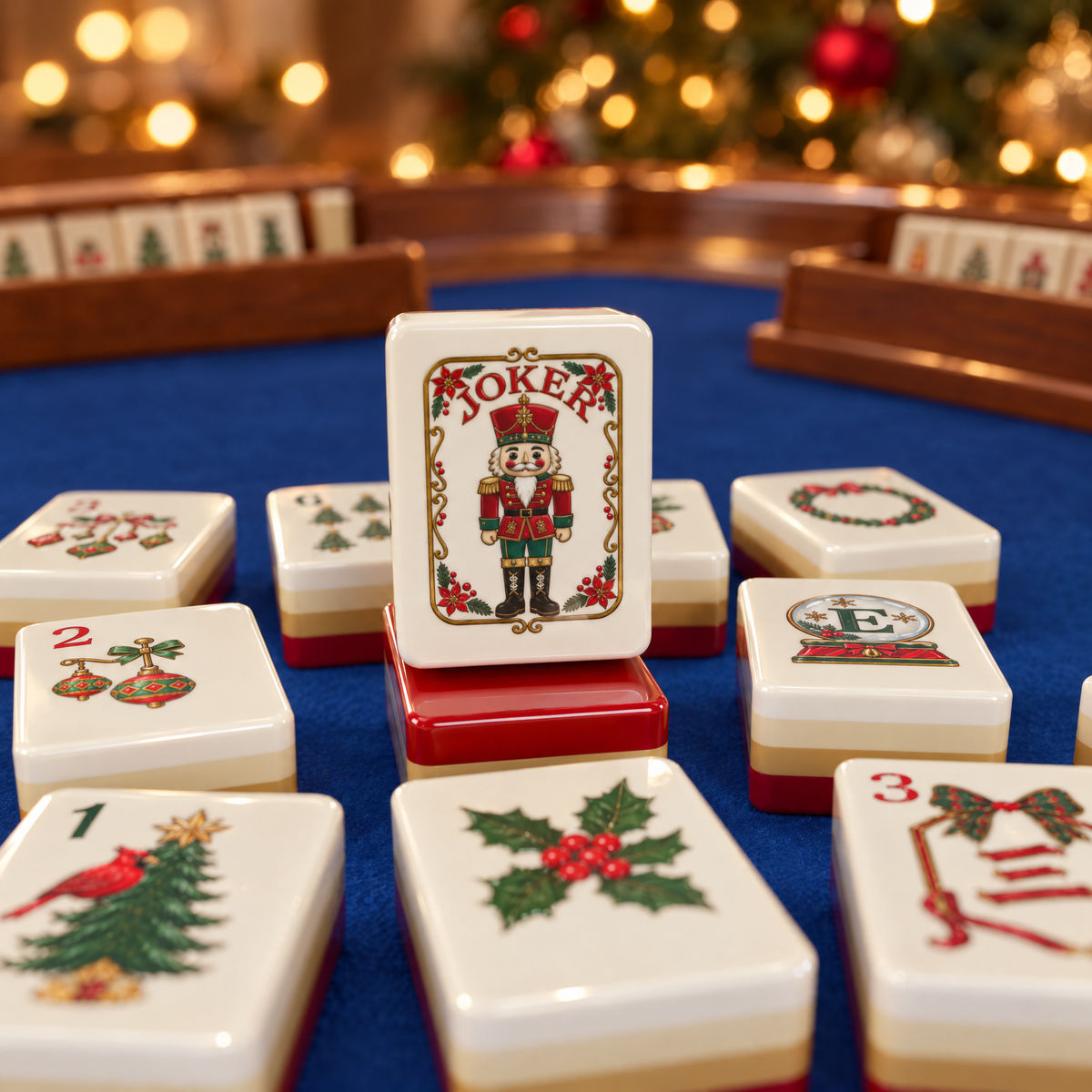
The Villages, Florida, has dozens of active mahjong groups meeting in community centers, recreation facilities, and private homes. Most beginner lessons run 4–8 weeks, meeting once or twice weekly, and cost anywhere from free (club-hosted) to modest instructor fees; ask at your local rec center, library, or synagogue to find current groups and schedules. You'll learn the 152-tile American game: how to identify suits (Bams, Craks, Dots), execute the Charleston (tile-passing ritual), read the current National Mah Jongg League card, and build hands. Bring a notebook and be ready to practice the same concepts repeatedly—mahjong has a learning curve, but four weeks of weekly play makes you functional. Many players invest in a best-selling beginner set so they can practice shuffling and tile recognition at home between lessons.
Most mahjong lessons in The Villages follow one of two tracks: instructor-led group classes or informal club teach-ins. Group classes, typically offered through Parks & Recreation departments or continuing-education programs, run 4–8 weeks with 6–12 students per session. Informal club lessons happen at standing game groups—you show up, pay a small entry fee, and play alongside experienced players who coach you through your first few rounds. Both work; the formal class is less pressure, while the club route speeds up your learning because you're playing real games immediately.
🀄 Shop best-selling mahjong sets →
Where do I actually find mahjong lessons in The Villages?
Start with The Villages Parks & Recreation department website or by calling their main office—they publish seasonal class schedules. Check your local library bulletin board and community center notice boards; many groups post flyers there. Synagogues and Jewish community centers often host or know about active clubs. Ask at the front desk of your clubhouse or recreation area; many residents refer friends to their regular game. Search online community boards (Nextdoor, Facebook community groups, Meetup) for "mahjong lessons The Villages" and look for posts from the past 30 days—those reflect current groups.

What will a typical mahjong lesson cover week by week?
Week 1 focuses on tiles: suits (Bams, Craks, Dots, winds, dragons, flowers), how the 152-tile set is built, and why jokers are wild. Week 2 covers the Charleston (the three-pass tile exchange before play begins) and hand notation. Week 3 introduces the National Mah Jongg League card and how to read it—which hand patterns are legal and where to find them. Week 4 puts it all together: building a hand, calling tiles, tracking discards, and ending a game. Weeks 5–8 (if your class runs that long) drill speed, strategy, and scoring. Most instructors expect you to bring a set and a pencil to each session.
What should I have ready before my first lesson?
Bring a mahjong set, a pencil, and a small notebook. If you don't own a set yet, don't panic—many classes have spare sets or you can borrow one for the first two weeks. What matters most is getting your hands on tiles before class so you can practice shuffling and tile recognition at home. Many of us keep a personal practice set nearby so we drill the basics during commercial breaks or coffee. Wear comfortable clothes and plan to sit at a table for 2–3 hours; bring water. Arrive 10–15 minutes early so you can introduce yourself and ask the instructor about club culture (do they play for money? what's the pace?).

Should I buy a beginner set, or wait until I'm serious?
Buy one now. Here's why: learning mahjong without daily tile contact is like learning piano by watching videos. You need to shuffle 152 tiles, feel their weight, recognize suits by color and symbol fast, and build your muscle memory. A beginner-friendly set with clear engravings (numbers and suit names printed large) helps you avoid confusion when you're new. Most importantly, you'll practice between lessons—that's where real learning happens. Our best-selling collection includes sets designed for exact clarity, which keeps you from mixing up a 6 Bam and a 6 Crak during a tense moment.
🎁 See our most-loved mahjong sets & accessories →
Set Type | Best For | Why It Works |
Clear acrylic with large print | Absolute beginners | Reduces eye strain; suit symbols are unmistakable. |
Standard acrylic with medium print | Players who completed one class | Faster to scan once you know the layout. |
Travel-friendly compact set | Lessons at different locations | Lighter, fits in a bag; fewer distractions. |
Engraved gift set | Instructor thank-you or club prize | Durable; personal touch motivates the recipient. |
What common mistakes derail first-time learners, and how do I avoid them?
Mistake 1: Confusing the Charleston order. Many beginners pass tiles in the wrong direction or hold on too long. Solution: Write down the three passes on a card (right, across, left) and check it before your first real game.
Mistake 2: Mixing up hand types. You think you have a pung (three identical tiles) but you've actually picked three tiles from the same number in different suits—not the same. Solution: When you think you have a hand piece, say it aloud: "Three 5 Dots?" and let your neighbor confirm.
Mistake 3: Forgetting the card changes every spring. You study last year's card and show up to play an outdated pattern. Solution: Check the National Mah Jongg League website or ask your instructor for the current year's card in week 1. Keep it laminated or in a clear sleeve.
Mistake 4: Overtraining on advanced strategy too soon. Many new players get frustrated because they're playing mathematically optimal moves instead of just enjoying the game. Solution: Play your first 10 games for fun, not to win. Speed and strategy come later.
Mistake 5: Showing up without your own tiles at home. You only practice during class. Solution: Commit to shuffling and laying out practice hands three times a week between lessons—even 15 minutes counts.
How long before I can join a regular club game?
Four weeks of weekly lessons plus daily home practice (20–30 minutes, 3–4 days a week) usually gets you game-ready. By week 4, you'll know the card, recognize tiles instantly, understand what tiles to hold and what to discard, and know when to call a win. That said, "game-ready" doesn't mean competitive. Most clubs welcome beginners at casual games—slower pace, more advice, less pressure to know advanced strategy. Your first five club games will feel chaotic. Your tenth game will feel manageable. By game 25, you'll be offering advice to others.
✨ Find your Mahstead set — free US shipping →
What to check before you buy a beginner set
Tile size and weight: Standard American mahjong tiles are roughly 1 inch × 0.75 inch. Make sure they feel solid in your hand—too light and they slide; too heavy and your hands tire.
Engraving clarity: Numbers and suit symbols should be readable at arm's length without squinting.
Case or bag included: Easier to transport to lessons and protect tiles at home.
Spare jokers and blanks: They're spares—never added to play—but useful if a tile cracks.
Bamboo mat included: A good mat gives you a stable play surface and keeps tiles from sliding during the Charleston.
If you're unsure after reading the product description, ask the vendor before you buy.
Next steps: From lesson to regular game
Finish your lesson series and ask the instructor which local club they recommend for your skill level.
Visit a club game as an observer first (most allow it for free). Watch one full game and ask questions afterward.
Play your first real game with beginners or a mixed group, not a competitive table.
Keep your lesson notes and the current card handy for 2–3 months. Speed and confidence grow with repetition.
Join a standing weekly game once you've played 10–15 times. Most clubs in The Villages have multiple tables and welcome new players.

FAQ
Are mahjong lessons in The Villages free or do they cost money?
Club-hosted beginner games are usually free or charge a small table fee ($2–5). Formal Parks & Rec classes or private instructors cost per session; ask your local rec center for rates. Many instructors waive the first class if you join a weekly series.
What's the difference between American mahjong and Chinese mahjong taught in The Villages?
American mahjong uses exactly 152 tiles and the yearly National Mah Jongg League card to determine legal hands. Chinese mahjong (and its variants, like Hong Kong or Riichi) has different tile counts, hand patterns, and scoring. Most Villages lessons teach American mahjong; always confirm before signing up.
Can I play mahjong if I've never seen a set before?
Absolutely. The game has a learning curve, but it's learnable in four weeks with two-hour weekly lessons plus home practice. Your brain will feel full in week 1; that's normal. Week 2 it clicks.
Do I need to memorize the entire National Mah Jongg League card?
No. You learn to scan it fast and recognize hand patterns by sight. By week 4, you'll spot your hand on the card in seconds. Keep the card within arm's reach during every game for your first 20 plays.
Is it better to practice with a friend at home or wait for lessons?
Do both. Home practice with a friend teaches you the physical shuffle and tile handling; lessons teach you strategy and the card. Two hours of lesson plus two hours of home practice per week beats either alone.


View More
View More
View More
