
Hong Kong Mahjong Lessons Online: Learn Rules & Find Classes
Last updated: Nov 23, 2026
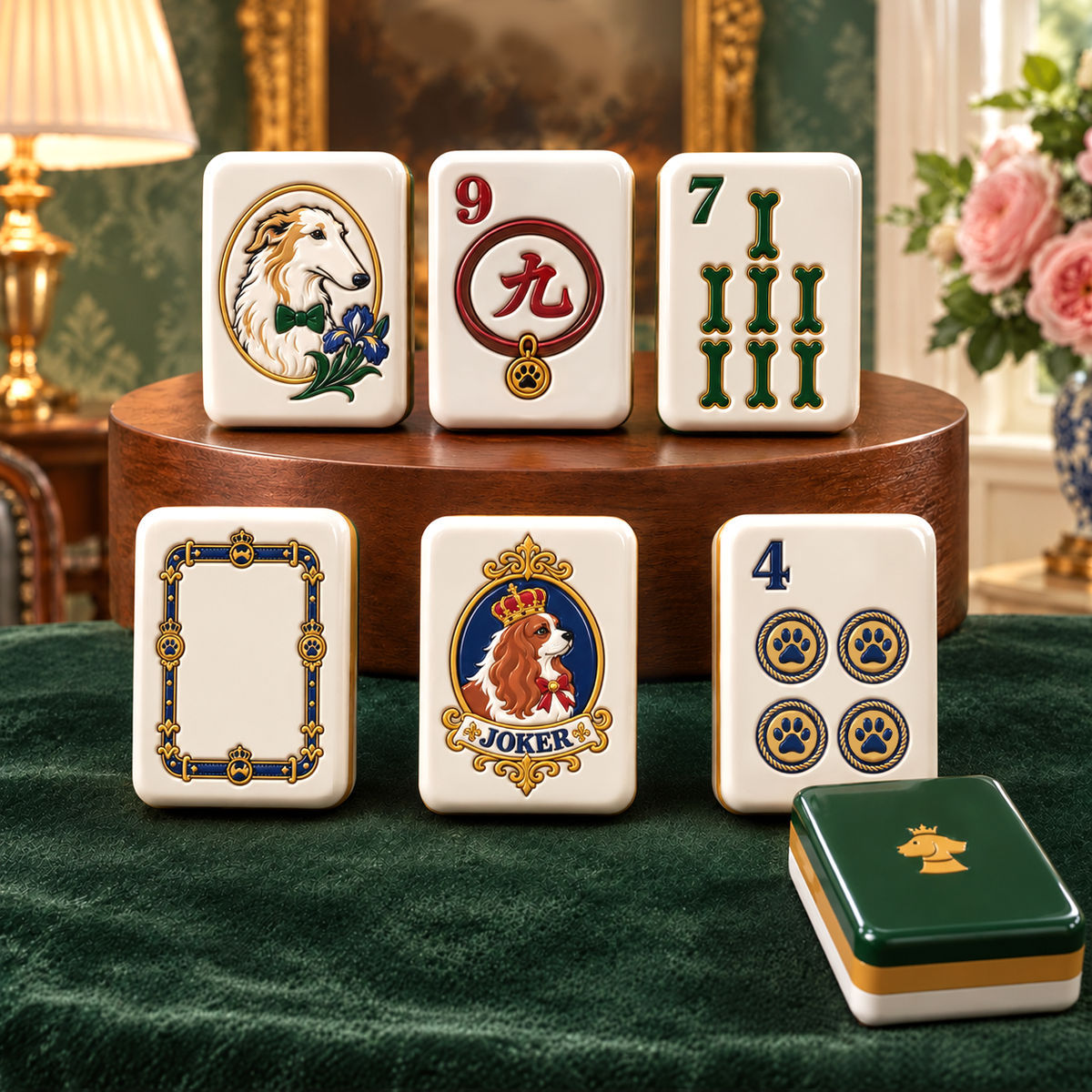
Online Hong Kong mahjong lessons range from pre-recorded tutorials (often free on YouTube) to live Zoom instruction with certified teachers, typically costing per-session or monthly subscription. Classes teach the 13 standard patterns, tile combinations called sequences and triplets, scoring systems unique to Hong Kong play, and real-time strategy under pressure. Most instructors assume zero prior knowledge but move quickly through basics; expect to spend 3–6 weeks at 1–2 sessions weekly before playing competitively. Hong Kong mahjong uses 136 tiles (no flowers, no winds in the standard version), calls allow sequences and triplets to be exposed on the table, and jokers don't exist. Find instructors through community Facebook groups, Meetup boards in major cities, or universities with Asian studies programs. Mahstead's best-selling mahjong sets include models designed for teaching, so once you enroll, you'll have tiles ready for practice at home.
How is Hong Kong mahjong different from American mahjong?
Hong Kong and American mahjong share the tile concept but diverge sharply on gameplay. American mahjong uses 152 tiles (no sequences allowed, hand patterns from an annual card), four players, and fixed scoring tables; Hong Kong uses 136 tiles (sequences and triplets both playable), typically three or four players, and scoring based on tile composition and game state. In Hong Kong, you can call a chow (sequence: 4-5-6 Bam, for example) from any player; in American mahjong, no sequences exist—you can only expose pungs (three identical tiles) and kongs (four identical). Hong Kong winners are decided faster; American rounds last longer because hands are more restrictive. If you already play American mahjong, your tile recognition and tile-passing rhythm transfer, but strategy and hand memory require relearning.

What are the core skills online lessons teach first?
Live instructors start with tile identification, since Hong Kong tiles carry traditional characters and symbols that differ from Western notation. You'll learn the three suits (numbered 1–9 in Bamboo, Characters, and Dots), honors (Winds and Dragons), and terminal/simple distinctions. Week two covers the 13 winning patterns—pure hand types that score high when completed. Then lessons move to hand-reading: recognizing which tiles are dangerous (likely to help opponents), which are safe (harder to use), and how to track discards mentally. Most teachers emphasize the discard sequence—which player threw which tile in which order—because it reveals hidden hand structures. Finally, you'll study real-game tempo: deciding whether to pursue a safe hand (fewer points) or a high-risk pattern (higher reward). Teachers demo live play, pause to discuss reads, and let students watch recorded full games.
🀄 Shop best-selling mahjong sets →
Where do you find qualified instructors online?
Search Facebook groups for your city + "mahjong lessons" or "麻將教室" (Cantonese). Many instructors post flyers in Asian community centers, libraries, and country clubs; those venues often host or recommend online teachers too. Meetup boards in cities with Asian populations frequently list live weekly games where beginners can observe or join cheaply before committing to formal lessons. Universities with Mandarin or Cantonese programs sometimes recommend community instructors. Ask in person at local mahjong clubs for referrals—players know who teaches well. Check whether an instructor offers a trial session (many do 15–30 minutes free or low-cost) so you can assess their English level, teaching pace, and whether they use screen-sharing tools clearly. Avoid instructors who claim to teach "all mahjong variants" equally; specialists in Hong Kong or Cantonese mahjong are deeper and faster.
What equipment do you need to play along during lessons?
You need a set of Hong Kong mahjong tiles—136 tiles total in the standard set, versus 152 used in American mahjong. Physical tiles are strongly preferred over digital because your hand feel and speed improve faster when moving real tiles. Many instructors send PDF tile images so you can print and laminate DIY tiles, but buying a quality set is more durable and teaches tile weight and size properly. You'll also want a small rack or stand to hold your tiles during video calls so the camera can see your plays clearly; some instructors ask students to label tiles with tape so hand-held tiles are legible on screen. A mat isn't required for online lessons, but having a quiet surface to click and slide tiles helps sound quality. A notebook for tracking patterns, discard order sequences, and scoring formulas is essential—lessons move fast and memory alone won't hold all the rules.

How long does it take to go from beginner to playing real games?
Most Hong Kong mahjong learners reach "club-ready" (can play a casual three-hour session without constant rule checks) in 6–10 weeks of 1–2 sessions per week. Faster learners who study game recordings between lessons reach that milestone in 4–5 weeks. Deep competitive play—reading subtle hand structures, counting unseen tiles, managing psychology—takes 6–12 months. Online lessons compress the mechanics phase; what varies is your willingness to practice between classes. The biggest bottleneck is pattern recognition speed—you must instantly read a hand discard, decide if it helps you, and decide if it helps opponents. Instructors scaffold this through speed drills: they flash tile sequences and ask "win or block?" in real time. Playing live games (even friendly ones in online clubs) after week 4–5 accelerates learning because pressure forces snap decisions. If you attend lessons but never play live, progress stalls around week 6.
Lesson Type | Format | Time to Basic Competency | Best For |
YouTube (self-paced) | Video tutorials + comments | 8–12 weeks (inconsistent) | Budget learners, self-directed |
Live group class | Zoom, 4–8 students, 1 hour/week | 6–8 weeks | Social learners, group accountability |
Private tutoring | 1-on-1 Zoom, personalized pace | 4–6 weeks | Quick learners, working adults |
Club play + self-study | Join online club, play casually | 10–16 weeks | Patient learners, game-first approach |
🎁 See our most-loved mahjong sets & accessories →
What common mistakes derail beginners?
New players often confuse Hong Kong hand patterns with American hands and waste mental energy on wrong combinations. Another costly error: not tracking the discard pile systematically. In Hong Kong mahjong, the sequence and frequency of discards reveal which players are building which hands; ignoring this blind spot means you'll feed opponents accidentally. Beginners also wait too long to declare a win, hoping for a higher-scoring pattern, only to be robbed by another player's win first. Instructors hammer this: take the hand you can make, unless you're very close to a high-value pattern. Finally, new players often miscount the "deck" (remaining undrawn tiles). When half the deck is gone and you haven't seen two critical tiles, they're probably in other hands—adjust your reads accordingly. The best lessons drill these mistakes through simulation: teachers pause mid-game and ask "What should you do now?" so corrections stick immediately.
What to check before you buy a lesson package
Ask the instructor: Do they teach Cantonese, Mandarin, or English-simplified Hong Kong rules? (The three have subtle scoring differences.) Will they slow down or provide a recording if you miss a live session? Do they use a physical tile set on camera or just slides? (Live tiles are more immersive.) How many students per session? (More than 8 often means less individual feedback.) Can they explain rules in your native language if English isn't your first language? Ask yourself: Are you committing to 4–6 weeks minimum, or just curious? Do you want to play casually with friends or compete in tournaments? (This shapes lesson depth.) Do you already own or have access to Hong Kong tiles, or will the instructor provide a recommended list? Will you practice solo between sessions, or only during lessons? Instructors can't teach fast players in a slow-paced group, nor can they hold back advanced learners in beginner sessions—mismatch is the silent killer of online lessons.
✨ Find your Mahstead set — free US shipping →

FAQ
Can I learn Hong Kong mahjong if I already play American mahjong?
Yes—your tile fluency and hand-thinking skills transfer. However, Hong Kong rules, scoring, and allowed combinations are different enough that you'll relearn strategy from scratch. Many American players pick up Hong Kong basics in 2–3 lessons because tile handling is already muscle memory.
Do online instructors teach both Riichi (Japanese) and Hong Kong mahjong?
Some do, but rarely with equal depth. Riichi and Hong Kong mahjong have opposite strategic philosophies; specialization matters. Ask the instructor their primary variant before enrolling if both interest you.
Is a pre-recorded course better than live group lessons?
Live lessons are faster for beginners because you can ask questions and see real gameplay decisions made under time pressure. Pre-recorded courses suit self-directed learners who can pause, rewind, and practice tiles on their own schedule. Most learners combine both: pre-recorded fundamentals plus live weekly games.
What tiles do I need to buy for Hong Kong mahjong lessons?
Standard Hong Kong mahjong uses 136 tiles (no flowers, no winds). Any tile set marked "Hong Kong" or with Cantonese characters will work. Physical tiles are far superior to digital apps during lessons because instructors can watch your hand-handling speed and tile placement decisions on camera.
How much does a typical online lesson cost?
Pricing varies widely—private tutoring may cost per-session while group classes run monthly subscription. Ask instructors directly for current rates, as fees fluctuate by demand and instructor experience. Some community centers offer subsidized lessons; check local boards first.
If I take lessons, how soon can I play in a real game?
After 4–5 weeks of 1–2 sessions weekly, you can join a casual friendly game. Competitive play requires 3–6 months of consistent study and live practice. The lesson alone teaches rules; games teach speed and judgment.


View More
View More
View More
