
What Set Do You Need for Tianjin Mahjong
Last updated: Nov 23, 2026
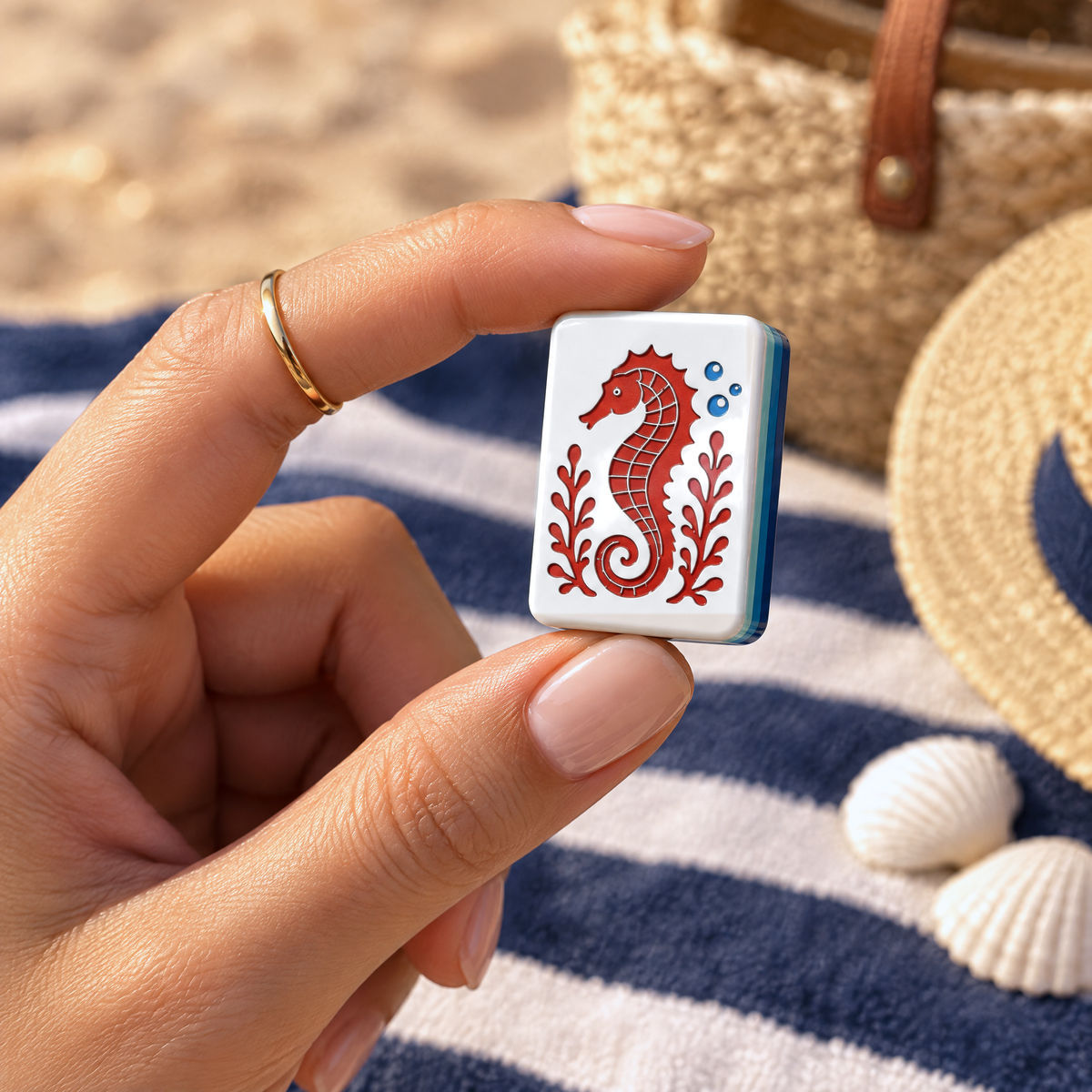
Tianjin mahjong uses a 144-tile Chinese set (four copies each of 1–9 in three suits, winds, dragons, and flowers—no American jokers or blanks). Unlike American mahjong, Tianjin allows chows (runs like 1-2-3), has a 16-tile wall per player, and features rapid scoring with concealed melds and faster draws. The game is popular in Tianjin and nearby Beijing. You cannot use an American mahjong set for Tianjin; you need a Chinese-format 144-tile set from a specialty vendor. If you're hosting American mahjong and want to support Tianjin players occasionally, keep both sets separate. Expect to learn the vastly different hand-winning patterns, as Tianjin relies on combinations and speed, not the annual card-based hand reference that governs American play.
Is Tianjin mahjong the same as American mahjong?
No. Tianjin mahjong is a Chinese regional game with 144 tiles, chows (sequences), concealed hands, and rapid melds. American mahjong uses 152 tiles, forbids sequences, exposes all melds, and requires matching hands from the yearly National Mah Jongg League card. The two games are incompatible; you need separate tile sets, learn distinct rules, and use different strategy.

What tiles come in a Tianjin mahjong set?
A Tianjin set contains 144 tiles: three suits (Bams, Craks, Dots) numbered 1–9 with four copies each; four winds (North, East, South, West); three dragons (Red, Green, White); and eight flowers. There are no jokers, blanks, or spare tiles in standard Tianjin play. Every tile appears exactly four times.
Can you use an American mahjong set for Tianjin?
No. American sets have 160 tiles including eight jokers and spares designed for American rules. Tianjin requires exactly 144 tiles with no jokers or blanks. Using an American set breaks the game's balance—you'd have extra tiles that don't fit the rules, and the hand patterns and wall structure would be wrong.
Where do you buy a Tianjin mahjong set?
Tianjin sets are sold by Chinese mahjong vendors, specialty import retailers, and online marketplaces focused on Chinese games. They are rarely stocked by American mahjong suppliers like Mahstead, which specializes in American mahjong sets and accessories. If you play both games at home, you'll maintain two separate set inventories.
What's the difference in how you play Tianjin vs. American mahjong?
Aspect | Tianjin (Chinese) | American |
Tile count | 144 | 152 |
Sequences (chows) | Allowed, called and exposed | Forbidden—no sequences |
Jokers | None | 8 mandatory in play |
Melds | Concealed until win or special call | Exposed when formed (pungs, kongs only) |
Hand reference | Memory and regional rules | National Mah Jongg League card, yearly |
Wall structure | 16 tiles per side | Not applicable |
Speed | Fast draws and melds | Methodical, strategic |
Winning patterns | Combinations, pairs, runs | Exact matches from the card |
Tianjin rewards quick recognition and rapid play; American mahjong emphasizes strategic planning and precision matching.
How fast is a typical Tianjin game?
A Tianjin round usually finishes in 10–20 minutes, compared to 30–45 minutes for American mahjong. The rapid tile draws, concealed melds, and aggressive calling style compress play. Many players string several rounds together in succession, so a full session can feel like a continuous flow.

What mat or rack setup do you need for Tianjin?
Tianjin players typically sit around a low table or mat without the tall racks that American players use. Because hands stay mostly concealed (not exposed like American pungs and kongs), you don't need mahjong racks with pushers to display tiles vertically. A simple mahjong mat to protect the table surface is practical; many Tianjin players fold their tiles in a line or hand them face-down. If you want comfort during long sessions, a padded or felt mat reduces noise and protects the floor under the table.
Should beginners start with Tianjin or American mahjong?
If you're new to mahjong and live in North America or Europe, American mahjong has more accessible local groups and clearer written resources. The yearly card standardizes hands, making it easier to learn from books and video tutorials. Tianjin is more intuitive if you have family in China or speak Mandarin, but it demands faster mental processing and regional rule knowledge. Many players learn American first, then branch into Tianjin or other Chinese variants. Both build the same foundational tile recognition and probability sense, so the effort transfers.
Can one set of tiles work for multiple mahjong variants?
Not reliably. American mahjong requires 152 tiles with eight jokers and is incompatible with Chinese 144-tile games. Hong Kong, Cantonese, Riichi (Japanese), and Taiwanese mahjong each use 144 tiles but have different rule sets and winning patterns. If you host a weekly game, keep separate tile sets for each variant to avoid confusion and errors. Our best-selling collection focuses on American mahjong; for Tianjin, you'll source a dedicated Chinese set.
🀄 Shop best-selling mahjong sets →
What to check before you buy a Tianjin set
Tile count: Confirm the set is exactly 144 tiles, not 152 or 160. Many Western retailers mislabel Chinese sets.
No jokers or blanks: Tianjin sets should not include spare jokers or blank tiles—those are American additions.
Material: Acrylic, bone, bamboo, or plastic are all used. Check durability and weight (heavier sets feel more substantial during play).
Character clarity: Ensure the Bam, Crak, and Dot symbols and Chinese characters are stamped or embossed clearly—worn tiles slow play.
Vendor location and return policy: Buy from a retailer with clear policies in case the tile count or condition is wrong on arrival.
Language of instructions: If included, verify the rules guide is in a language you understand.
If you're hosting American mahjong as your primary game and want to occasionally include Tianjin players, investing in a full American set is the right priority—then acquire a Tianjin set separately for those sessions.
🎁 See our most-loved mahjong sets & accessories →
Why Tianjin rules are faster than American mahjong
Tianjin's 144-tile wall (16 tiles per side instead of American's larger draw pool) accelerates the game's pacing. Melds stay concealed, so no time is spent organizing and displaying them. The hand patterns are learned through regional tradition rather than a printed card, meaning experienced players recognize winning combos instantly. Tile passing—the American "Charleston"—doesn't exist in Tianjin. These structural differences make Tianjin feel like speed chess compared to American mahjong's deliberate strategy.
✨ Find your Mahstead set — free US shipping →

FAQ
Can I learn Tianjin mahjong from an American mahjong book?
No. American mahjong books teach the National Mah Jongg League card, Charleston, and American-only rules. Tianjin uses entirely different hand patterns, scoring, and gameplay. Seek Tianjin-specific guides, usually in Mandarin or from Chinese game communities online.
Is Tianjin mahjong played competitively or casually?
Primarily casual, though organized regional tournaments exist in Tianjin and Beijing. Most Western players encounter it through family or community groups rather than formal leagues.
Do I need a dealer button or wind indicator for Tianjin like I do for American mahjong?
Tianjin tracks the dealer position but typically with a simple notation or verbal call rather than a marker. Some players use a wind tile set aside. American mahjong's detailed seating and dealer-tracking system is less formal in Tianjin.
How many people can play Tianjin mahjong?
Four players is standard, matching American mahjong. Some regional Tianjin rules allow three-player variants, but four is the default.
If I know American mahjong, will I be confused playing Tianjin?
Yes, initially. The core tile recognition transfers, but the rules, speed, and hand patterns are foreign. Allow 2–4 hours of guided practice before your first serious game.


View More
View More
View More
