
What Set Do You Need for Guangdong Mahjong
Last updated: Nov 23, 2026
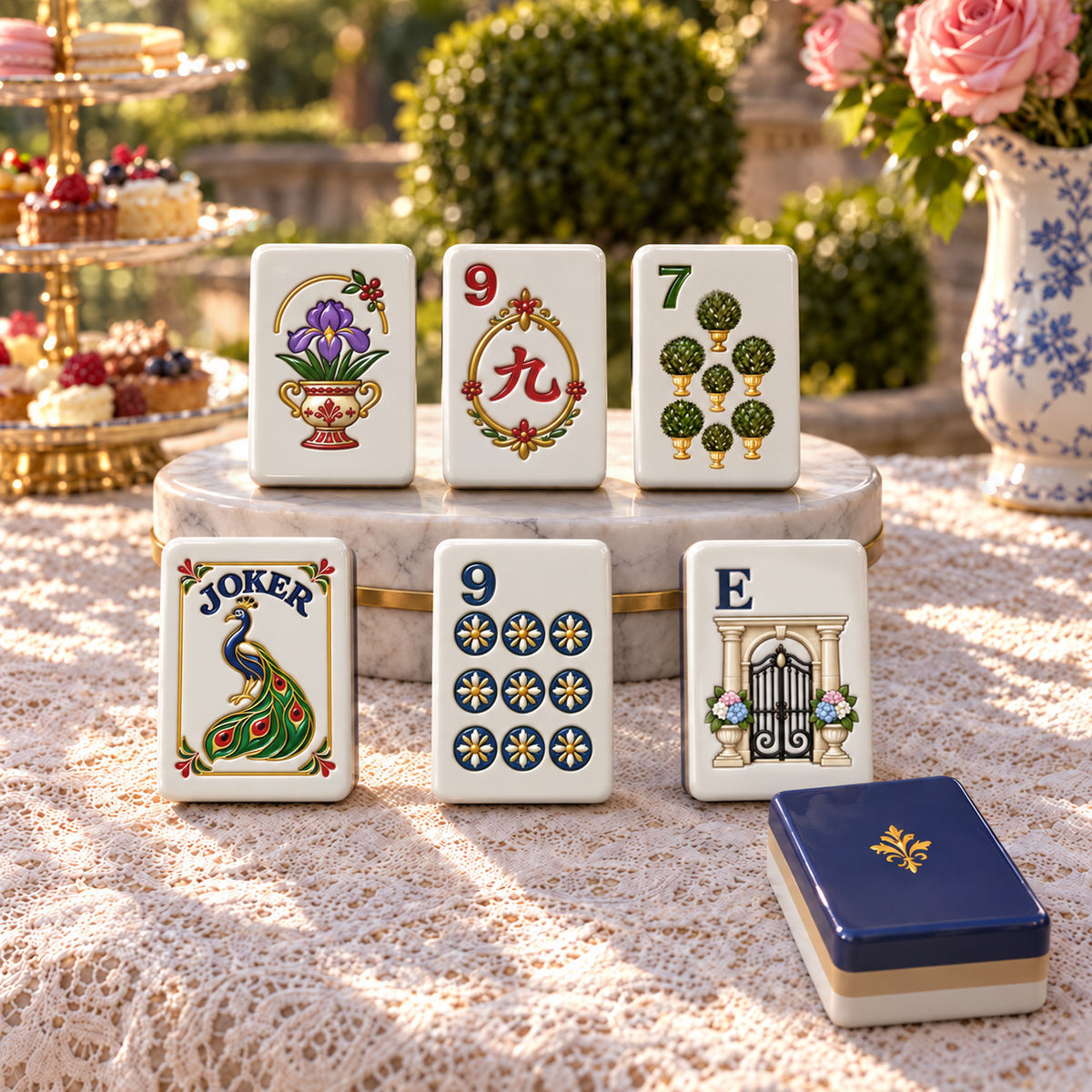
Guangdong mahjong uses a 144-tile Chinese set (three suits × numbers 1–9, four of each = 108 tiles, plus 16 winds, 12 dragons, 8 flowers), with no jokers and no blank tiles. The game follows Chinese hand-building rules—you can form and call chows (sequences like 3-4-5 Bams) as well as pungs and kongs, unlike American mahjong. Games are scored by points rather than a seasonal card, and the hand mechanics differ significantly: winning by fishing (waiting for one tile) instead of declaring a complete hand. If you've played American mahjong, you'll need to unlearn our no-sequences rule and relearn the Chinese drawing and discarding rhythm. Guangdong sets are smaller and lighter than American 160-tile acrylic sets, with smaller tiles; many players prefer them for portability. You'll find Guangdong sets online from specialty import retailers; Mahstead focuses on American equipment, but understanding the distinction helps you avoid buying the wrong variant. 🀄 Shop best-selling mahjong sets →
Is Guangdong mahjong played with the same tiles as American mahjong?
No. Guangdong mahjong uses 144 tiles with no jokers or blanks—three suits (Bams, Craks, Dots) numbered 1–9 with four of each, plus 16 winds, 12 dragons, and 8 flowers. American mahjong uses 152 playing tiles (the same base suits and winds/dragons/flowers) plus 8 jokers, which are used as wild cards to complete exposed sets. The key rule difference: Guangdong allows you to form chows (3-4-5 sequences)—a mechanic forbidden in American play, where you can only expose pungs, kongs, quints, and sextets of identical tiles.

How does Guangdong rule-making differ from American mahjong?
Guangdong mahjong follows the Chinese hand-building system where players draw and discard continuously, fishing (waiting) for a single tile to complete their hand rather than declaring a finished pattern from a seasonal card. Hands are scored by point value and scoring combinations rather than drawing from the current year's National Mah Jongg League card. Chows are called and exposed frequently; American players often struggle because we train to ignore sequences entirely. Winning is also faster—Guangdong rounds move quicker, and a player can claim the discard tile or draw from the wall depending on the hand situation.
What size and style of set is best for Guangdong play?
Guangdong sets typically feature smaller, lighter tiles (often bone and bamboo or acrylic, thinner than American tiles) with compact cases; they're designed for the quicker pace and closer-quarters table play of Chinese games. If you're traveling between Guangdong and the United States or hosting both game types, you'll want to keep sets separate—Guangdong tiles don't integrate with American games and vice versa. Many players prefer the portability of a Guangdong set for casual play, while American sets require more table space. Check the tile thickness and case design before ordering; some import retailers combine Guangdong and Hong Kong set specs, which can cause confusion.
🎁 See our most-loved mahjong sets & accessories →

What's the practical difference in playing speed and hand complexity?
Guangdong games typically play faster than American mahjong because fishing rules simplify the winning condition—you need only one tile to complete your hand, not a full declared pattern. Hands are typically smaller (a pung, a kong, a chow, and a pair = a win) compared to American sequences where you might need four groups of three or four tiles plus a pair. This speed means Guangdong games move through deals quicker, which appeals to casual players but can frustrate American players used to longer rounds. The scoring system is also simpler—points are calculated from basic hand values rather than multipliers and the complex scoring table used in American play.
Should you switch from American mahjong sets to Guangdong sets?
That depends on which game you play regularly. If you host weekly American mahjong games, your best-selling American sets are the right choice—they're designed with the 152-tile, 8-joker composition and larger tiles for the American hand-building system. If you're learning Guangdong as a primary game or split your time evenly, invest in a dedicated Guangdong 144-tile set to avoid confusion at the table. Mixing sets causes tile-counting errors and rule disputes. Many experienced players keep both in their collection—one for American games (our acrylic sets are durable and easy to read), one for Guangdong or other Chinese variants. The financial difference is modest, but the rule-learning investment is substantial, so choose the variant that matches your game frequency.
Comparison: American vs. Guangdong set needs
Feature | American Mahjong | Guangdong Mahjong |
Tile count | 152 playing + 8 jokers (160 total) | 144 total, no jokers |
Suits & winds | Same base (3 suits, winds, dragons) | Same base (3 suits, winds, dragons) |
Can form sequences? | No—only pungs, kongs, quints, sextets | Yes—chows are called and exposed |
Scoring system | Annual National League card | Chinese point values and combinations |
Typical game length | 20–30 minutes per hand | 10–15 minutes per hand |
Table setup | Larger (mat needed for racks and exposure) | Compact (tiles close, less space) |
Tile size | Larger acrylic or bone (standard) | Smaller acrylic or bamboo (import sets) |
Beginner-friendly? | Moderate (card-based, rigid rules) | High (simpler winning, faster feedback) |
✨ Find your Mahstead set — free US shipping →
What to check before you buy a Guangdong set
Tile size and material: Guangdong sets sold online often list dimensions—measure your playing surface to ensure tiles fit without crowding. Bone-and-bamboo sets are heavier but feel traditional; acrylic sets are lighter and more portable.
Tile clarity: Ensure suit symbols (Bam bird, Crak character, Dot circles) and wind/dragon characters are deeply engraved or painted, not surface-level. Poor legibility slows play.
Case durability: Check whether the case has dividers to prevent tiles from mixing during transport. Import sets sometimes ship with minimal protection.
Joker presence: Confirm the set includes no jokers if you're buying for Guangdong play. Some retailers mislabel sets.
Number verification: Count or verify the tile listing states 144 tiles exactly. Variant sets may include extra flowers or blanks.
Rule resources: Before buying, ensure you have access to Guangdong rule guides—many sets ship without instructions. Online communities or YouTube tutorials are essential for learning.

FAQ
Can I use an American mahjong set to play Guangdong mahjong?
Not effectively. American sets have 8 jokers that don't exist in Guangdong, and the extra tiles disrupt hand-building. You'll also have tile-counting confusion at the table, and the larger American tiles may crowd a Guangdong-style layout. Keep sets separate.
What's the main rule I need to unlearn from American mahjong?
The no-sequences rule. In American play, you cannot form or call chows (1-2-3 sequences). In Guangdong, chows are fundamental—you form them constantly. This single shift changes strategy, tile-reading speed, and hand evaluation entirely.
How is Guangdong mahjong scoring different from American?
Guangdong uses fixed point values for hand types (a pung of honors, a simple chow, etc.) rather than the American system of multipliers and the seasonal card. Wins and scoring are calculated on the fly, making the game feel faster and less dependent on memorizing a printed card.
Do Guangdong sets come with a strategy guide or rule card?
Most import sets include a basic rules card in Chinese or English, but quality varies. Online Guangdong mahjong communities and YouTube tutorials are more reliable for learning—rules can differ by region (Guangdong, Hong Kong, Sichuan all have variations).
Is a mat or rack needed for Guangdong mahjong like in American play?
Not typically. Guangdong play happens with tiles on a bare table or small cloth—no exposure racks or pushers. If you're hosting American games, you'll want mahjong racks with pushers, but Guangdong requires minimal gear beyond the tile set and a case.
Can I use Guangdong tiles with friends who play only American mahjong?
No. The tile count and joker absence will confuse the game. American players expect 152 tiles plus 8 jokers and tiles sized for racks. Always match the set to the game variant your group plays.


View More
View More
View More
