
What Is Throwing Mahjong in American Mahjong?
Last updated: Nov 23, 2026
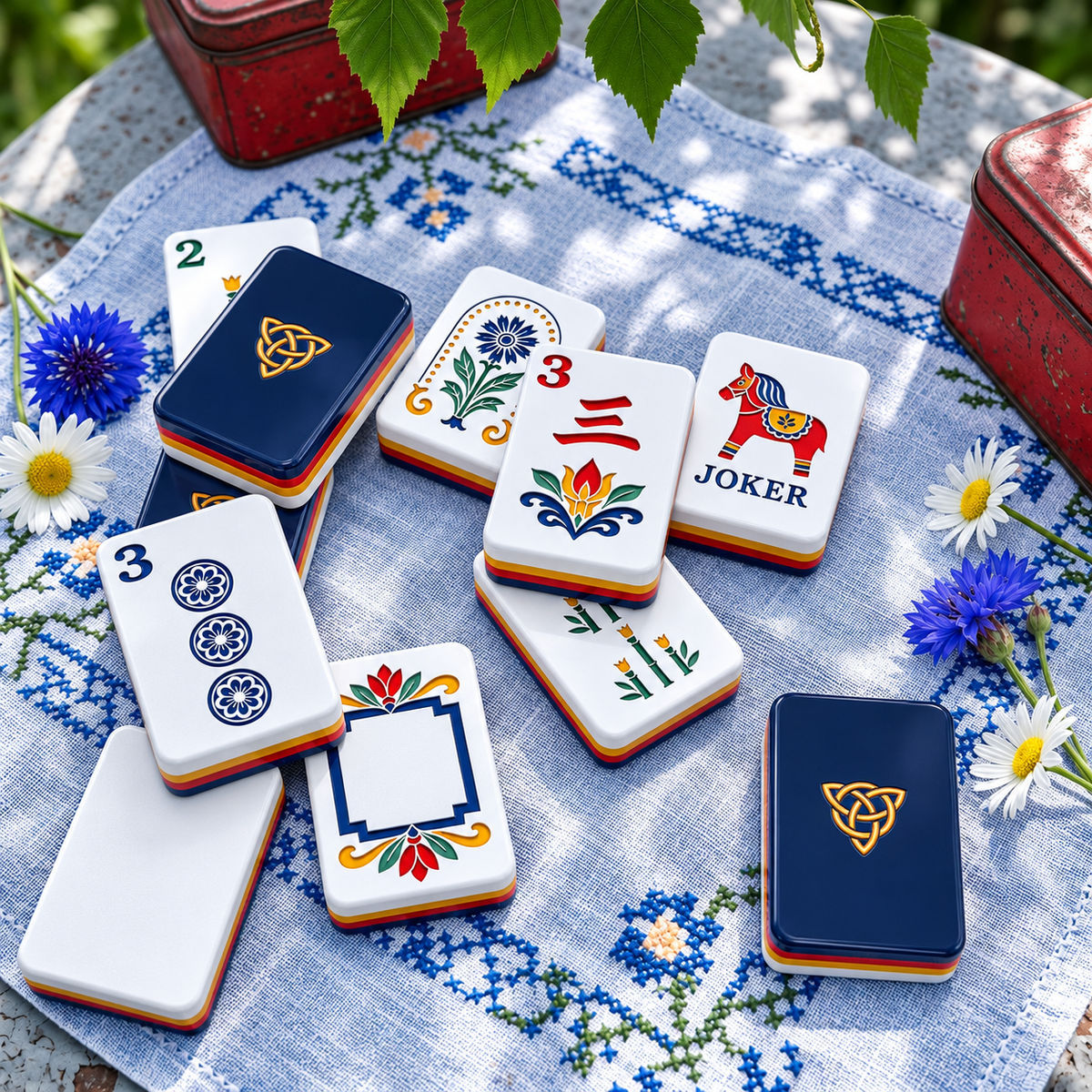
Throwing in American mahjong is the engine of every hand. After you draw, you pitch one tile—and that moment defines what others can do next. Let's walk through exactly how it works, what breaks the rules, and how to read a table by watching the discards.
How do you physically throw a tile?
You lift one tile from your hand and place it face-up in the center area of the table, roughly in front of you or in the general discard zone. The tile lands flat so everyone can see it clearly. Speed varies—some players flick it gently, others set it down methodically. The only rule: it must be visible and within reach of all players so anyone can call it before the next throw. On a mahjong mat, the center area is usually marked or implied; on a bare table, just keep discards in a loose cluster everyone can read.
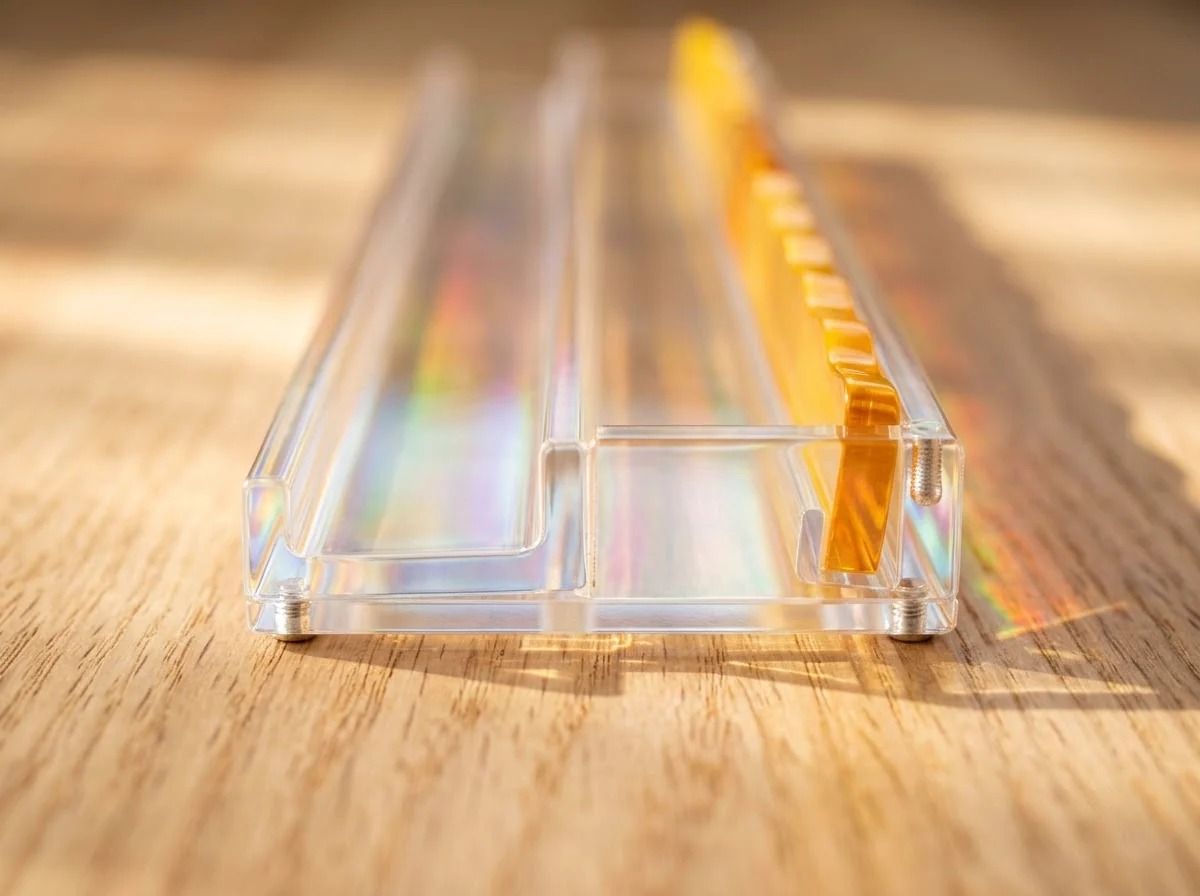
Many players organize their hand on a rack with pushers, which makes selecting and throwing cleaner—you push a tile forward slightly as a visual signal before releasing it. This habit prevents fumbles and speeds up play.

When must you throw, and what are the rules?
You throw after every draw, exactly once per turn. The sequence is always: draw one tile, then throw one tile. You cannot throw a tile that would complete your hand; if your hand becomes complete after drawing, you've won and must declare immediately—no throw occurs. You cannot throw the same tile someone else just called from your discard; if you throw, that discard is "live" and cannot be retracted. You throw face-up so all players can see it, not face-down. And you cannot throw a tile you drew from another player's call (a kong replacement); that follows separate protocol.
The most common beginner mistake: throwing without checking the current year's National Mah Jongg League card to verify your hand isn't already complete. Study the card before each turn.
What tiles should you throw strategically?
You throw based on what you're building toward and what the table layout suggests. If you're building a pung of 5 Craks and you have two 1 Dots you don't need, throw the 1 Dots—it's less likely to help others. If a neighbor is clearly collecting Winds and you have a spare East, throwing East gives them a gift. If you throw a tile and someone calls it immediately for a pung or kong, you've signaled your hand poorly (or you're sacrificing to get closer to a win).
Strong players throw "safe" tiles early: Winds not relevant to current hands, high Dots or Bams when nobody's collecting them, or blanks/jokers sparingly. They avoid throwing tiles that match recent calls in the same suit. They watch what others throw and mimic the pattern—if the table's avoiding 3 Bams, throwing 3 Bams is risky.
A practical tip: if you draw a tile you cannot use and no one called it from your last throw, throw it immediately. Holding dead tiles wastes turns.
How does throwing shape the game's flow and strategy?
The discard pool tells the entire table what each player is not building. If you've thrown three Winds and two high Dots, you're clearly collecting middle Bams or Dragons. Experienced players read the discard pile like a history book—they see your preferences, adjust their calls, and block you strategically. Throwing the wrong tile at the wrong moment can fast-track a neighbor to a win because they can call it for a Kong or complete a hand.
Throwing also controls pacing. Fast throws keep the game snappy; deliberate throws signal you're weighing options. A player who throws slowly every turn slows the table. A player who throws decisively but recklessly gets "punished" when others call their discards for winning hands.
The pillar guide on American mahjong rules covers how throwing fits into each phase—Charleston, play, and scoring—so you see the full context.
🀄 Shop best-selling mahjong sets →

What mistakes do new players make when throwing?
Throwing without thinking. You pitch a tile you just drew without checking the card or your hand layout. Result: someone calls it, you lose points, or you give away a winning hand. Always pause 2–3 seconds and scan the card.
Throwing "connected" tiles. You throw a 5 Crak, and next turn you throw a 6 Crak, signaling you're not collecting that suit. Experienced players note this and avoid exposing tiles in that suit near you.
Throwing the same suit repeatedly. If you throw three consecutive Dots, the table assumes you're not collecting Dots. If you suddenly call a Dot pung, your earlier throws contradict your move—it looks suspicious and may invite blocking.
Throwing jokers or blanks too early. A joker or blank is gold; throwing it on turn 2 wastes a tool you'll need mid-game. Hold them unless you're forced to discard.
Throwing a tile that matches a neighbor's recent call. If the player to your right just called a pung of White Dragons, throwing another White is feeding them—they may hold it for a Kong on their next turn.
Throwing before drawing is fully resolved. If you drew from the wall but haven't fully pulled the tile into your hand, don't throw yet; wait until you're ready. Throwing prematurely can create confusion about what was actually drawn.
Mistake | Why It Happens | What Happens Next | How to Avoid |
Throw without checking the card | Rushing; not reading the hand | Miss a win or give away a tile | Pause 3 seconds, scan card first |
Throw connected tiles (5, 6, 7 same suit) | Not tracking discard patterns | Table sees your weak suit; block you | Mix suits; vary your throws |
Throw joker too early | Don't value flexibility | Can't build quints/sextets later | Hold jokers until mid-game |
Throw same tile type repeatedly | Not adjusting to table | Signals what you're not collecting | Rotate suits and ranks |
Feed a neighbor a useful tile | Don't read their hand | They call it, get closer to win | Watch recent calls; avoid their suit |
How does throwing work differently in other mahjong variants?
Hong Kong mahjong uses sequences (chows) and always allows calls on any discard; throwing is riskier because far more tiles can be called. You cannot throw a tile that someone directly to your left can use for a sequence.
Riichi mahjong uses sequences heavily and marks a discard pit differently; you throw face-down in a grid to track safe/risky tiles. Throwing here is highly technical—wrong tile = instant loss.
Chinese (Simplified) mahjong uses sequences and restricts which discards can be called; throwing a "live" tile means it cannot be called if the player to your left didn't claim it immediately.
American mahjong is simpler: throw, and any player can call it on their turn for a pung, kong, quint, or sextet. This openness means throwing is more strategic but less punishing than Riichi variants.
🎁 See our most-loved mahjong sets & accessories →
What should you check before and during a throwing session?
Before play:
Confirm all 152 tiles are present and the set is complete.
Verify everyone has a current National Mah Jongg League card (issued each spring).
Ensure the discard area is visible to all players—use a mat if the table is bare or glossy.
Set a clear "wall" boundary so thrown tiles don't roll or mix with the wall.
During play:
Keep discards in a loose, readable pile or line.
Don't throw a tile that's already been called (wait for the caller to complete their pung/kong).
Watch the discard pattern and adjust your strategy if the table is loading a suit or favor.
Never throw a tile you just drew without a pause—it reads as sloppy and invites missed calls.
If you throw a tile and someone calls it, place it aside immediately; don't let it interfere with future discards.
After a hand:
Recount tiles to ensure 152 are still in play (no losses).
Review the discard pile; it's often revealing for the next hand.
FAQ
Can you throw a joker or blank tile?
Yes, but jokers and blanks are your most flexible tools—avoid throwing them unless you're forced to or the game is nearly over. Once thrown, they may be called by another player, limiting your late-game options.
What happens if you throw a tile that completes your hand by mistake?
You've won and must declare immediately. There's no "undo" in American mahjong. Always double-check your hand against the card before throwing. Many serious players pause and scan the card every single turn to avoid this.
Can another player "steal" a tile you threw by calling it for a Kong?
Yes, absolutely. If you throw a 5 Dot and the player across the table has two 5 Dots in hand, they can call your discard to create a Kong (three 5 Dots + your thrown tile). This is a legal move and a primary reason to throw carefully.
Do you have to throw in a specific spot on the mat, or anywhere in the center?
In formal play, tiles are placed in the center discard area of the table or mat. There's no strict rule about the exact spot, but the tile must be visible and within reach of all players. On a quality mat, the center is usually implied by the design.
If I throw a tile and no one calls it, what happens next?
The discard becomes "dead" (no longer callable). The next player in turn draws a tile from the wall and throws a tile. The first player's thrown tile remains visible in the discard pile as a record but cannot be claimed.
How fast should you throw?
Fast enough to keep the game flowing (under 5 seconds per turn) but slow enough that other players have time to decide whether to call your discard. Rushing causes missed calls and frustration; deliberating too long bogs down the table. Aim for a steady rhythm.
Can you throw a tile face-down to hide your strategy?
No. In American mahjong, all throws are face-up. Face-down throws are used in Riichi and some other variants, but not here. Transparency is part of the game.
Is there a penalty for throwing a "wrong" tile (unsafe, too risky)?
No formal penalty, but if you throw a tile that helps another player win, you lose points just like any hand loss. The penalty is strategic, not rule-based. ✨ Find your Mahstead set — free US shipping →


View More
View More
View More
