
What Is a Melded Kong in Mahjong
Last updated: Nov 23, 2026
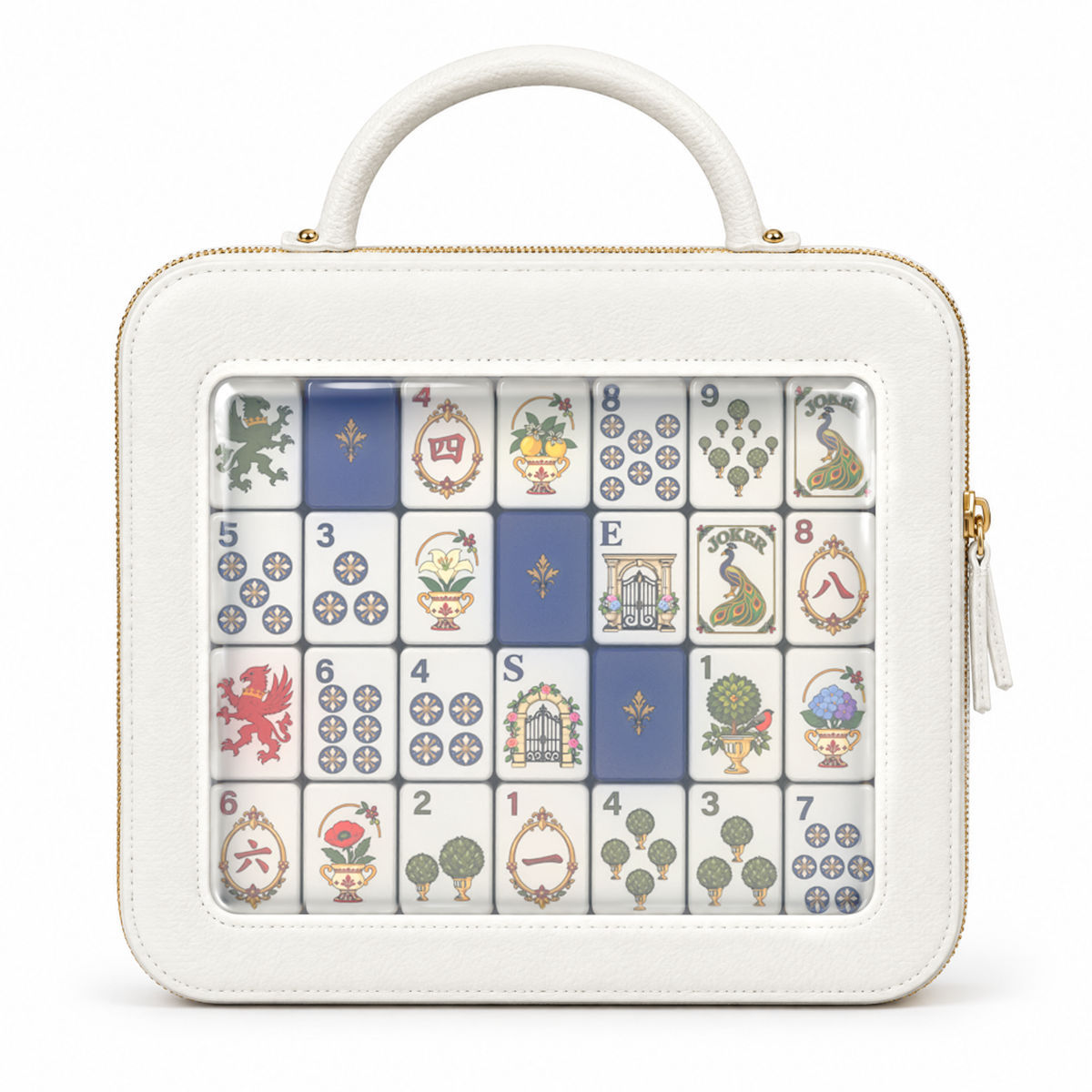
In American mahjong, a melded kong (sometimes called an "exposed kong") is four identical tiles—such as four 5 Dots or four East Winds—that you expose face-up on the table in front of you during active play. Unlike a concealed kong (all four tiles hidden in your rack until you meld them), a melded kong is called when you draw or receive a tile that completes a set of four. The meld stays visible throughout the game and counts toward your hand pattern on the current year's National Mah Jongg League card. Jokers can never be used alone in a kong; if your four tiles include jokers, those jokers substitute for missing identical tiles only within the larger structure. Melding a kong immediately draws you one replacement tile from the dead wall, keeping your hand at 14 tiles. Melded kongs (along with pungs, quints, and sextets) are the only melds American players may expose during a game.
A melded kong in American mahjong is a group of four identical tiles you expose on the table during play. Unlike a concealed kong (all four tiles hidden in your rack until you meld them), a melded kong is called when you draw or receive a tile that completes a set of four. The meld stays visible throughout the game and counts toward your hand pattern on the current year's National Mah Jongg League card. Jokers can never be used alone in a kong; if your four tiles include jokers, those jokers substitute for missing identical tiles only within the larger structure. Melding a kong immediately draws you one replacement tile from the dead wall, keeping your hand at 14 tiles. Melded kongs (along with pungs, quints, and sextets) are the only melds American players may expose during a game.
How does a melded kong differ from other exposed melds?
In American mahjong, you can expose four types of melds: pungs (three identical tiles), kongs (four identical), quints (five identical), and sextets (six identical). A melded kong is the only one of these that requires exactly four tiles—no more, no fewer. When you meld a kong, those four tiles must remain identical throughout the meld; you cannot swap or substitute tiles once the meld is fixed, except that a joker already in the meld can be replaced by the matching real tile. Pungs are smaller (three only) and harder to use in hand patterns, while quints and sextets are rarer on the card and harder to complete. The key difference: a kong locks in four of your identical tiles, freeing mental space and signaling to other players that you're building a specific pattern.

When should you expose a kong versus holding it concealed?
You expose a melded kong only when you draw a fourth tile that matches three tiles already in your hand. At that moment, you must decide: call the kong immediately, or hold all four concealed and draw from the kong box instead. Hold it concealed if the fourth identical tile is a bonus (wind or dragon) or a high-value tile and you're one tile away from going out; exposed melds consume your strategic flexibility. Expose it if you're still mid-game, building toward a pattern that rewards visible kongs, or if revealing the kong doesn't telegraph your winning tile to opponents. In practice, most players expose kongs as soon as they're able, because the replacement tile draw is mandatory and can complete your hand. Check your hand pattern on the current year's card: some patterns require melded kongs, others prefer concealed kongs. Melding too early can lock you into a pattern you won't reach; melding too late might waste a cycle.
What happens after you meld a kong?
The moment you expose a melded kong, you draw one replacement tile from the dead wall (a reserve section of undealt tiles, usually the last 14 tiles in play). This keeps your hand at 14 tiles (13 hidden plus the meld exposed in front of you). You then discard one tile from your hand as normal, returning to 13 concealed tiles. If you draw a joker as your replacement, you can use it immediately or swap it for another concealed joker; many players use replacement jokers to rethink their strategy. The exposed kong stays on the table for the rest of that hand—you cannot unmeld it. If another player goes out before you complete your pattern, you pay the winner as usual; the exposed kong does not reduce or increase your penalty. Some players mistakenly think a melded kong protects them or guarantees a lower payout; it doesn't. The kong is simply a visible commitment to a specific card pattern.
🀄 Shop best-selling mahjong sets →
How do kongs work differently in other mahjong variants?
Chinese and Hong Kong mahjong allow exposed melds called "pungs," "kongs," and "chows" (sequences like 1-2-3), with different rules for timing and joker use. Riichi mahjong (Japanese) separates "melded" and "concealed" sets more strictly, with penalties for certain meld combinations. In Taiwanese mahjong, kongs can be drawn mid-game with specific scoring consequences. American mahjong is unique: it forbids chows (sequences) entirely, so the only exposed melds are groups of three or more identical tiles, and those melds must match a pattern on your current year's card. In Chinese variants, you can meld any valid set at any time; in American, you can only meld sets that appear in a hand pattern you're actively building. This means an American kong is not just a mechanical move—it's a declaration of your intended hand. Understanding this distinction is crucial if you've played other variants or plan to play them alongside American.

What mistakes do players make with melded kongs?
Common Kong Mistakes
Mistake | What happens | How to avoid |
Melding a kong not on your target card pattern | You waste four tiles toward a meld that won't win. | Always check the card first; confirm the kong matches a hand you're building. |
Confusing a melded kong with a concealed kong draw | You forget to take a replacement tile from the dead wall. | Call "kong" aloud; draw the replacement tile before discarding. |
Thinking a joker completes a kong alone | You try to use three real tiles + one joker as a finished kong. | A joker always substitutes for a real tile; you need at least three real identical tiles. |
Melding too early in a pattern | Your hand becomes rigid; you can't adapt to drawn tiles. | Meld only if you're confident the pattern will win, or if the meld is a "safety" move. |
Unmelding a kong during play | You attempt to reclaim tiles from an exposed meld. | Once melded, the kong is locked. Plan before exposing. |
The most costly error is melding a kong before checking the card. New players often expose a kong of East Winds only to realize no hand on this year's card uses four East Winds in that position. Always read the card section your hand targets before calling any meld.
🎁 See our most-loved mahjong sets & accessories →
How do you teach beginners to recognize when a kong is legal?
Start by printing or showing the current year's National Mah Jongg League card. Point to one hand pattern and identify all the melds it requires (three pungs, one kong, one pair, for example). Then ask: "If you draw a fourth matching tile while building this hand, do you meld it into a kong?" The answer is yes only if that exact kong appears in the hand you're targeting. Next, deal a practice hand. As tiles are drawn, stop and ask: "Can you call a kong here?" This trains the eye to match visible tiles to card positions. Emphasize: in American mahjong, a kong is never a random choice—it's always tied to a specific winning pattern. Many beginners meld kongs reflexively (because they learned Chinese mahjong first) and then realize too late that the kong doesn't fit any card pattern. The rule is simple: no pattern match, no meld.
When hosting a weekly game, keep a how to play guide nearby and reference it when disputes arise. Melded kongs are one of the clearest rules once players internalize the card-first mindset.
✨ Find your Mahstead set — free US shipping →
What you'll need to play with confidence
To host regular games and avoid confusion over melds, you need a clear tile set, a sturdy mat, and organized racks. Our best-selling mahjong sets come with all 152 playing tiles plus spares, pre-sorted and easy to distinguish. Many players pair a set with mahjong racks with pushers—these keep your 14 tiles upright and visible, making it much faster to spot when you've drawn a fourth identical tile for a kong. A quality mahjong mat with clearly marked meld zones helps everyone understand where exposed kongs belong. And if you're traveling to games, a mahjong bag or case protects your set and keeps tiles organized between plays.
What to check before you buy
Tile clarity: Can you quickly spot four identical tiles? Acrylic tiles with sharp engraving are easiest to read under game lighting.
Set size: Our sets contain the full 152 playing tiles plus spares. Never buy a set marketed as "100 tiles"—it won't cover a full four-player game.
Rack fit: If ordering racks separately, confirm they hold tiles at a readable angle and have pushers to slide tiles without fumbling.
Game-night readiness: Do you have a current year's National Mah Jongg League card? Without it, you cannot verify whether a kong is legal.

FAQ
Can a joker ever be the fourth tile in a melded kong?
No. A joker can substitute for a missing real tile within a kong (e.g., three 5 Dots + one joker = a legal kong meld), but a joker alone never completes a four-tile group. You need at least three real identical tiles.
What happens if I meld a kong but then realize it's not on any card pattern?
You're stuck. The meld cannot be unraveled mid-hand. You must discard and continue with a three-tile hole in your pattern. Always check the card before calling any meld—this is the number-one rule.
Do I draw my replacement tile before or after discarding?
You draw the replacement tile first, immediately after exposing the kong. This keeps your hand at 14 tiles. Then you discard one tile, returning to 13 concealed tiles plus the exposed meld.
Is a melded kong worth more points than a concealed kong in the final hand?
In American mahjong, scoring depends on the card pattern only, not on whether kongs are exposed or concealed. Both are scored identically as long as they match the pattern. The choice to meld or conceal is strategic, not scoring-based.
How many kongs can I meld in a single hand?
As many as your hand pattern allows and your tiles support. Some patterns include two or three melded kongs. Once you expose all required melds and draw your winning tile, you declare and score the entire hand.
Can I replace a joker in my melded kong if I draw the matching real tile?
Yes. If your melded kong contains a joker substituting for (say) a Green Dragon, and you later draw a real Green Dragon, you may swap the joker for the real tile. The joker returns to your hand for other use.


View More
View More
View More
