
Antique Mahjong Set Brands: What's Worth Collecting
Last updated: Nov 23, 2026
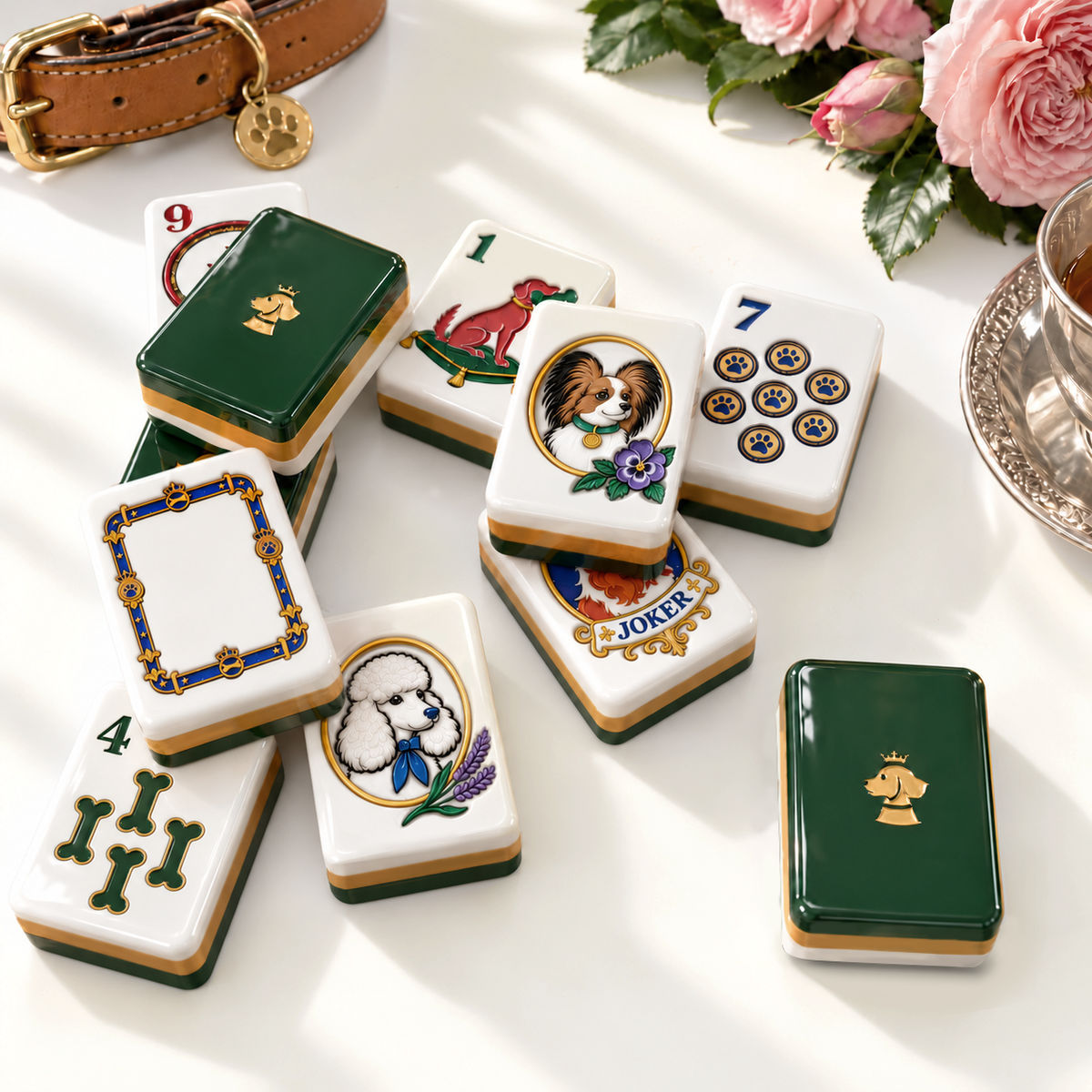
True antique mahjong sets—those made before 1970—came mainly from China, Japan, and later America, featuring bone hand-carved tiles, bamboo racks, and hardwood cases. Nineteenth-century sets are rare; most collectible pieces date 1920–1960, marked by material (Bakelite, Catalin, bone, ivory substitutes) and regional style. Value depends on maker marks, condition, completeness (all 152 tiles plus jokers), and playability; many museums hold examples. Prices for authenticated antiques vary widely based on rarity and provenance. Modern reproductions claiming "antique" status often lack maker marks or use uniform machine-cut tiles. Collectors balance aesthetic appeal with actual gameplay—our best-selling mahjong sets blend vintage-inspired designs with reliable contemporary acrylic construction, letting you host weekly games without risking heirloom tile loss.
What materials define an antique mahjong set?
Antique sets used bone, bamboo, hardwood, jade, and early plastics like Bakelite (rigid, warm-toned, pre-1950s). Bone tiles were hand-carved with ink detail; bamboo racks showed wood grain. Pre-1940 Bakelite sets are highly collectible—they're durable, gorgeous, and rare. Ivory-substitute materials emerged after wildlife protection laws tightened. Celluloid and early Catalin (cast phenolic resin) appeared in the 1930s–1940s and often show color fade or crazing. Authentic antiques feel substantial; tiles have weight and patina, not uniform gloss. A maker mark on the case or tiles adds authenticity and value. Modern acrylic doesn't mimic antique materials—it's engineered for durability and easy host-game setup, with no collectible premium but reliable, consistent play.

How do you spot authentic antique sets versus reproductions?
Reproductions typically display uniform, perfectly symmetrical machine-cut tiles with no hand-carved detail. Real antiques show minor carving irregularities, natural material variation, and aging (patina, color shifts, slight wear on frequently handled tiles). Check for maker marks—carved initials, printed labels on boxes, or stamped characters indicate known makers and increase authenticity. Incomplete sets (missing tiles or jokers) are common in antiques; verify you have exactly 152 playable tiles plus 8 jokers if you plan to host games. Fake "antique" acrylic sets mass-produced in recent years often use modern machine-stamped symbols with no patina layer. A reputable seller provides provenance (chain of ownership, acquisition history, or museum documentation). Compare proposed prices to recent auction results—if it's priced as a true 1940s bone-and-bamboo set but costs less than a modern engraved American mahjong set, it's likely reproduction.
Which regions and makers are most collectible?
Chinese makers dominated pre-1950 production; Cantonese sets (from Guangdong) are particularly sought after for craftsmanship. Japanese makers (especially Tatsuta and other Kyoto-based firms) produced high-quality bone sets in the 1930s–1940s with distinctive iconography. American Bakelite sets from companies active in New York and Chicago during the 1920s–1940s are prized by US collectors for bold color and Art Deco style. Hong Kong sets emerged post-1949 as production shifted; these are newer "antiques" but still collectible if materials and carving are intact. Unmarked sets are harder to value but may still be beautiful and functional. Estate sales, auction houses, and specialized collectors often know provenance better than mass-market sites. Verify maker marks by cross-referencing collector guides—a single carver's mark can shift value dramatically. If you're building a playable collection rather than investment pieces, vintage-inspired modern engraved sets let you host weekly games without anxiety over tile loss or damage.
🀄 Shop best-selling mahjong sets →

What condition issues reduce value and playability?
Crazing (fine cracks in plastic surfaces) is cosmetic but worsens with age and heat. Fading on Bakelite or Catalin tiles is normal aging; severe color loss suggests poor storage. Broken or missing tiles are deal-breakers for play—you need all 152 tiles plus 8 jokers to run a valid hand. Bamboo racks warp if stored in humidity; check for mold, splits, or warped fit. Wooden cases can have woodworm, water stains, or loose joints—these can sometimes be restored by a specialist. Jokers are frequently lost in old sets; replacements may not match aesthetically. A set that looks beautiful in a display case may be unplayable; before purchasing an antique for regular use, verify tile count, test rack fit, and confirm no stuck or warped tiles. Most serious collectors keep antiques as display pieces and use modern sets for active gameplay. This preserves the antique's value while letting you host games without fear.
Where do collectors source and verify authentic antiques?
Reputable sources include estate auction houses (Sotheby's, Christie's, regional auctioneers), antique dealers specializing in Asian games, museum gift shops with verified provenance, and private collectors with documented lineage. Online marketplaces require caution—look for detailed photos of maker marks, condition, and complete tile counts. Collector forums and mahjong clubs often have members who authenticate pieces or recommend trusted dealers. Ask sellers directly for provenance, any certificates, and a clear return policy. Comparative shopping helps: price a similar set (same region, era, material) across multiple sources to spot overpriced reproductions. Attend mahjong conventions and game clubs where experienced players gather; members share leads on estate collections. For investment-grade antiques, professional appraisal is worth the cost. If you're new to collecting, start by playing with modern mahjong sets that showcase classic design—you'll develop an eye for materials and construction before committing to expensive originals.
Era | Primary Materials | Key Makers/Regions | Collectible Traits | Playability Today |
1910s–1920s | Bone, bamboo, hardwood | Canton, Kyoto, early US | Hand-carved detail, rare, high value | Limited (brittleness, missing tiles) |
1930s–1940s | Bakelite, Catalin, bone | New York, Chicago, Hong Kong | Bold colors, Art Deco style, maker marks | Playable if complete; crazing normal |
1950s–1960s | Plastic, aluminum, bakelite | Japan, Hong Kong, Taiwan | Machine precision increasing, mixed materials | Mostly playable; check rack fit |
Modern (1980+) | Acrylic, resin, composite | Global (including Mahstead) | Durable, consistent, engraved detail | Fully playable, no collector premium |
🎁 See our most-loved mahjong sets & accessories →
What to check before you buy an antique set
Tile Count: Verify exactly 152 playable tiles (36 per suit × 3 + 16 winds + 12 dragons + 8 flowers) plus 8 jokers. Missing even one tile means the set won't support a complete hand from the current year's League card.
Maker Mark or Label: Photograph any carved initials, printed logos, or case labels. Cross-reference against known maker lists online or consult a collector group.
Material Authenticity: Handle tiles—authentic bone and Bakelite have weight and warmth; plastic reproductions feel light and cool. Look for natural aging (patina, minor color variation) versus uniform machine finish.
Playable Condition: Test rack fit, check for warped or stuck tiles, confirm no cracks in high-impact zones (tile edges, rack corners). Play one full practice hand if the dealer allows.
Provenance: Ask for documentation—purchase receipt, appraisal, inheritance record, or auction house entry number. This protects both authenticity and resale value.
Price Reality: Compare three recent sales of similar sets (era, material, condition, region) on auction sites or antique databases. Pricing 50% below market average signals either a steal or a reproduction risk.
Storage & Care: Ask how the set was stored (humidity, temperature, light). Antiques kept in basements or attics often show water damage or pest involvement. Bring a flashlight and inspect the case interior.
For weekly hosted games, modern engraved sets deliver reliability without the conservation worry. For collectors prioritizing display and occasional play, authenticate thoroughly and budget specialist restoration if needed.
✨ Find your Mahstead set — free US shipping →

FAQ
Are there antique mahjong sets still playable by today's American mahjong rules?
Yes, if the set is complete (152 tiles + 8 jokers) and in sound condition. However, old sets may have minor tile differences or missing jokers that were never replaced. Before buying an antique for active play, verify tile count and test one full hand to confirm no stuck or warped tiles interfere with use.
What's the difference between a reproduction antique and a true vintage set?
True antiques (pre-1970) show hand-carved detail, patina, and material aging; reproductions have uniformly perfect machine-cut tiles, no maker marks, and artificial aging. Ask the seller for provenance—receipts, auction records, or appraisal documents prove authenticity. Fakes rarely include this documentation.
Should I invest in an antique set for resale, or play with it regularly?
Most serious collectors keep antiques as display pieces to preserve value and condition. Playing with them risks tile loss, rack warping, and storage damage. If you want to host games and collect, buy a modern set for play and a documented antique for investment or aesthetic display—this balances both goals.
How much does an authentic antique mahjong set typically cost?
Prices vary widely by era, material, maker, and condition. Mid-century Bakelite sets range higher than later plastic pieces. Authenticated pre-1940 bone-and-bamboo sets command premium prices. Visit recent estate auction results or specialist dealer sites to compare comparable pieces before making an offer.
Can I get an old mahjong set restored if tiles are missing or cracked?
Specialist conservators can replace individual tiles or repair cracks, but restoration cost often exceeds the set's resale value unless it's a rare, documented antique. Bamboo rack warping is harder to reverse. For playable sets, missing jokers can sometimes be sourced from collector networks or modern replacements ordered separately.
What's the best way to store an antique set to prevent damage?
Keep it in a cool, dry place (60–70°F, 30–50% humidity) away from direct sunlight and heat sources. Use the original wooden case if available; it was designed for the tiles. Avoid basements or attics where moisture and temperature fluctuate. Never stack other items on top of the case. Check periodically for mold, pest activity, or tile shifting inside.


View More
View More
View More
