
Vintage Style Mahjong Sets: How to Choose Authentic Tile Designs
Last updated: Nov 23, 2026
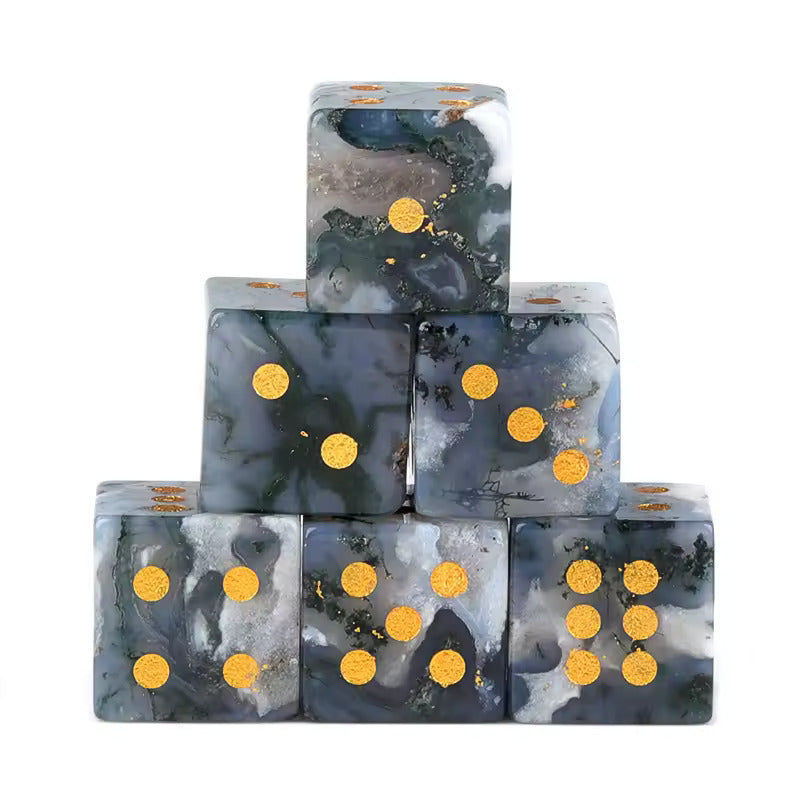
Vintage-style mahjong sets recreate the look and feel of mid-century tile designs while using modern materials for durability and easier play. You'll find three main categories: genuine bone-and-bamboo sets (rare, expensive, prone to staining); acrylic sets with engraved vintage-inspired artwork; and modern tiles printed with retro patterns. American mahjong sets contain 152 playing tiles—three suits (Bams, Craks, Dots) numbered 1–9, winds, dragons, flowers, and jokers—plus 8 jokers for a 160-tile set with spares. The best-selling collection includes acrylic options with retro aesthetic at various price points. Before ordering, confirm the tile thickness (acrylic tiles range from 0.24" to 0.30"), check whether art is engraved or printed, verify shipping includes your region (Mahstead ships free across the US), and decide if you need a mat, rack with pushers, or carrying case to complete your setup.
What does "vintage style" actually mean in mahjong tiles?
Vintage style refers to mid-20th-century mahjong aesthetics: hand-painted Chinese calligraphy, gold-leaf accents, simplified character designs, and warm earth tones (ivory cream, rosewood red, forest green) rather than bright modern colors. Authentic vintage tiles from the 1940s–1970s were carved bone with bamboo racks and silk pouches; today's vintage-inspired sets mimic that look using acrylic for stability, safety, and storage. Engraved acrylic tiles preserve fine detail better than printed tiles and don't fade. If you're drawn to nostalgia rather than collector value, a modern acrylic set with vintage artwork will serve weekly games reliably and cost far less than genuine bone pieces that require careful handling and storage.

How do vintage-inspired sets compare: bone vs. acrylic vs. printed?
Type | Material & Durability | Aesthetic | Maintenance | Best For |
Bone-and-bamboo | Carved bone, racks warp in humidity | Authentic aged look, hand-painted detail | Oil stains, discoloration, frequent replacement | Collectors; low-humidity climates; players who play rarely |
Engraved acrylic (vintage design) | Cast acrylic, tiles last years with daily use | Retro art engraved into surface, won't fade | Wipe clean; tiles don't stain or warp | Weekly players who want retro charm without fuss |
Printed acrylic (vintage pattern) | Cast acrylic, good durability | Retro artwork on tile surface | Print can wear with heavy shuffling; wipe clean | Occasional players; budget-conscious buyers seeking style |
Engraved-acrylic sets with vintage artwork offer the best balance: they're durable enough for twice-weekly games, feel premium to handle, and capture mid-century aesthetics without the maintenance burden of bone or the fading risk of printed designs.
🀄 Shop best-selling mahjong sets →
What vintage design details should you look for?
Examine tile artwork for these hallmarks: Chinese characters rendered in classical script (not modern simplified); hand-drawn flourishes around suit marks (Bams show a bamboo stalk or bird; Dots show simple circles; Craks show detailed Chinese knots or scrollwork); gold or silver accents on wind and dragon tiles; and warm background colors (cream, soft gold, muted green) rather than pure white or bright hues. Engraved vintage sets should show clear relief when you run your fingernail across a tile—deep enough that the design won't wear away in five years of play. If the artwork looks flat, thin, or printed-on, it will fade faster, especially on Bam and Crak suits that see heavy shuffling. Mahstead's engraved American mahjong sets include vintage-inspired titles and artwork where the engravings go deep into the acrylic. Request close-up photos of actual tiles before committing to a large order.
Why do vintage-style sets cost more than modern designs?
Cost reflects three factors: artwork licensing (vintage designs are often recreated from historical sets or commissioned from artists); engraving labor (hand-engraved tiles require multiple passes and quality control); and material quality (thicker, higher-grade acrylic resists fading and warping). A basic modern acrylic set printed with generic colors costs less to produce; a vintage-inspired engraved set requires sourcing or creating period-accurate artwork, then engraving each of 152 tiles with precision. Bone-and-bamboo genuine vintage sets command premium prices because they're semi-handmade, harder to source, and appeal to serious collectors. For weekly players, engraved acrylic vintage sets offer a sweet spot: significantly cheaper than bone, more durable and attractive than printed acrylic, and built to last a decade of regular play without fading or warping.
🎁 See our most-loved mahjong sets & accessories →

How do you set up a complete vintage-style mahjong game?
A full vintage-inspired setup includes four components: the 160-tile set (152 playing tiles + 8 spares); a padded mat in neutral or retro fabric to protect tiles and muffle noise; racks with pushers to organize and hold your hand; and a carrying case or travel bag if you transport the set weekly. Tile thickness matters: thicker tiles (0.30") shuffle more quietly on a mat and feel more substantial in hand; thinner tiles (0.24") are lighter but can rattle. Mahstead mats come in sizes from 36" square (cozy for four players) to 43" square (roomy, with cup holders), and vintage-style mats in cream, sage green, or burgundy complement retro tiles. Racks should support the tile weight without creaking—wood or reinforced bamboo racks with spring pushers work best. A drawstring or lockable case protects your investment during storage and transport; soft fabric cases are easier to pack than hard cases.
What's the right tile size and thickness for vintage-style play?
Standard American mahjong tiles measure 1.25" wide × 0.75" tall. Thickness ranges from 0.24" to 0.30"; thicker tiles shuffle more smoothly, feel more premium, and are easier for players with arthritis to grip. Vintage-inspired tiles should feel weighty in your hand—at least 0.28" thick—to match the heft of genuine bone tiles and provide satisfying tactile feedback when drawing and discarding. If you're buying acrylic tiles with engraved vintage artwork, confirm the engraving depth in the product description: shallow engravings (under 0.04" deep) will wear smooth after two years of weekly play, losing detail; deep engravings (0.06"+) remain crisp for a decade. Test a sample tile if ordering a large custom set. Mahstead's acrylic tiles are cast to consistent thickness and tested for durability; ask for tile specifications before ordering.
✨ Find your Mahstead set — free US shipping →
What to check before you buy a vintage-style mahjong set
Verify the tile count: Confirm you're receiving exactly 152 playing tiles (four copies each of Bams 1–9, Craks 1–9, Dots 1–9, four winds, three dragons, plus eight flowers and eight jokers) plus spares in a 160-tile set.
Examine artwork samples: Request high-resolution photos of individual tiles, especially Bams (should show classical imagery), Craks (detailed knots), and dragons (engraved or printed detail).
Check material and thickness: Confirm whether tiles are acrylic; ask for thickness in inches (aim for 0.28"–0.30"). If engraved, ask for engraving depth.
Confirm your American mahjong set includes racks and mat: Many vintage-style sets sell tiles only; you'll need to buy mahjong racks and a mat separately if not bundled.
Test shipping to your location: Mahstead ships free across the US; confirm delivery time and packaging (padded cases prevent tile chipping during transport).
Ask about care instructions: Engraved acrylic tiles resist staining better than bone, but confirm cleaning method (damp cloth vs. dry only) to preserve artwork.
Vintage-Style Sets for Different Player Types
Weekly social players who prioritize comfort and durability should choose best-selling engraved acrylic sets with thick tiles (0.28"–0.30") and retro artwork. They shuffle frequently, need tiles that won't warp, and benefit from deep engravings that stay crisp for years.
Collectors and occasional players interested in authenticity may pursue genuine bone-and-bamboo sets from estate sales or specialized dealers, accepting higher cost and maintenance in exchange for historical accuracy. These sets are not ideal for frequent play and require climate control.
Gift-buyers seeking a statement piece should consider engraved acrylic vintage-style sets bundled with a quality mat and racks with pushers. A complete gift set removes friction for the recipient and signals serious play.
Budget-conscious players can start with printed-acrylic vintage-pattern sets at lower cost, then upgrade to engraved tiles once they commit to regular play. Print quality varies; inspect samples closely before ordering bulk quantities.

FAQ
Can I play American mahjong with a vintage-style bone-and-bamboo set I inherited?
Yes, if tiles are complete and not warped. Bone tiles are heavier and require a padded mat to prevent chipping; they're also prone to staining and may need professional cleaning. Verify all 152 tiles are present and check that racks close without gaps. If tiles are cracked or racks are split, play is risky and repairs are expensive.
How do I tell if a vintage-style set is truly engraved or just printed?
Run your fingernail across the tile surface. Engraved tiles have a tactile groove or raised detail you can feel; printed tiles are flat. Look at the underside: engraved art appears on the top only; printed art may show ink residue on the back. Request close-up photos and ask the seller directly whether engraving or printing was used.
Will vintage-style acrylic tiles fade if I store them in sunlight?
Engraved tiles are highly fade-resistant because the color is embedded in the acrylic material itself. Printed tiles can fade in direct sunlight over months. Store all mahjong sets indoors in a cool, dry place (away from windowsills and heating vents). Acrylic doesn't warp like bone in humidity, making it superior for long-term storage.
What's the difference between a vintage-style set and a "classic" or "traditional" set?
"Vintage style" mimics mid-20th-century aesthetics (hand-painted look, gold accents, classical characters). "Traditional" often means modern tiles with Chinese characters but no retro artwork. "Classic" is marketing language—check the product photos to see actual design. Engraved vintage-inspired sets are most collectible and aesthetically distinctive.
Do I need a special mat or bag if I buy a vintage-style set?
Yes. Mahjong mats protect engraved tiles during shuffling and muffle noise. Vintage-colored mats (cream, sage, burgundy) complement retro tile artwork. A carrying case prevents chipping if you transport the set to weekly games. Neither is included in most tile-only sets; budget accordingly.
Can I customize engravings on a vintage-style set, like adding names or a club logo?
Yes. Many set-makers offer custom engraving on tiles or racks as an add-on service. Ask whether engraving is applied to existing vintage designs (overlaid) or replaces them. Mahstead offers engraved American mahjong sets with custom titles and artwork; contact them directly for custom options and lead time.
How long does a vintage-style engraved acrylic set last with twice-weekly play?
A high-quality engraved acrylic set lasts 7–10 years of heavy use before engravings show wear. Thick tiles (0.30") and deep engravings (0.06"+) outperform thinner, shallower options. Printed tiles typically fade or wear in 3–5 years of twice-weekly play. Bone-and-bamboo sets last decades if stored carefully but require frequent maintenance and occasional professional restoration.


View More
View More
View More
