
Vintage Mahjong Racks: How to Choose Wood or Acrylic Holders
Last updated: Nov 23, 2026
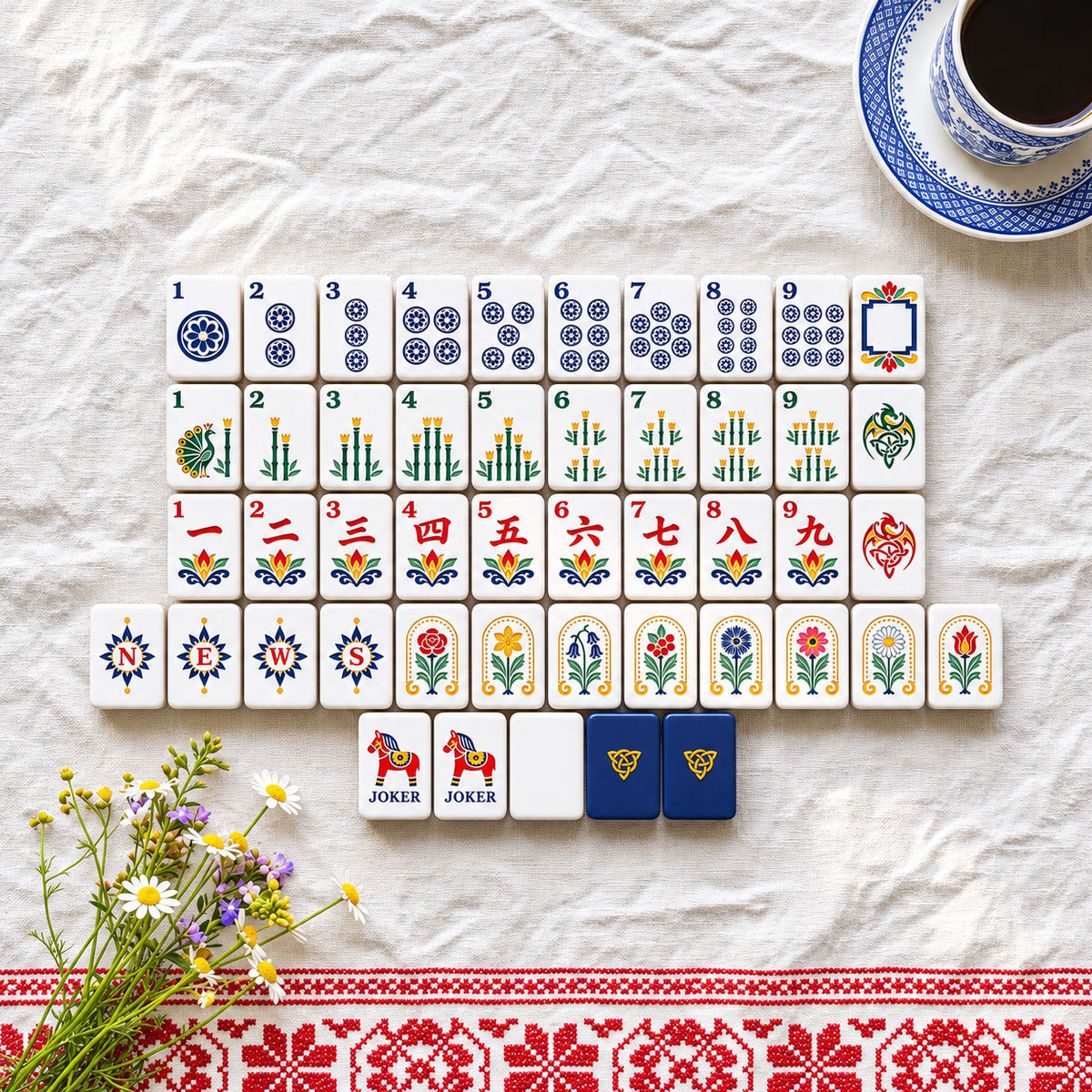
Vintage mahjong racks are wooden, bamboo, or acrylic tile holders designed to display and organize tiles during play, typically sloped at 15–25 degrees so tiles stay upright and readable. Traditional racks come in pairs (one per player, four total at the table), hold roughly 13–15 tiles each, and often include a pusher—a small stick that nudges tiles forward without tipping them. Authentic vintage racks were handcrafted from hardwood or bamboo; modern reproductions mix bamboo, acrylic, and composite materials. The best match your tile size (American 160-tile sets use standard size) and your table setup. Mahstead offers acrylic racks with pushers in clear or engraved finishes that pair well with contemporary and traditional tile sets, with free US shipping. Expect to pay based on material quality and finish detail—see your chosen product page for current pricing. Avoid flimsy plastic; good racks last decades. 🀄 Shop best-selling mahjong sets →
Are vintage racks better than modern acrylic ones?
No single answer fits all players. Vintage wood racks offer warmth, heft, and aesthetic appeal—they feel substantial in hand and look striking on a traditional table. Modern acrylic racks are lightweight, durable, easy to clean, and often cost less. Wood scratches and splits over time; acrylic chips but resists water damage. Choose based on your play style: casual home game = acrylic; serious weekly group with heirloom tiles = wood or bamboo. The tile experience doesn't change—the rack simply holds them stable.

What size rack do I need for my mahjong set?
American mahjong racks are made for standard-size tiles (roughly 1¼ inches wide). A 160-tile set requires four pairs of racks—one pair per player. Each rack holds 13–15 tiles upright. If you own a best-selling American mahjong set, the tile dimensions are standard and fit any modern rack. Measure your tile width before buying vintage racks from unfamiliar makers, especially antiques, because old Chinese sets sometimes use smaller tiles. Mahstead racks are dimensioned for American play—check the product page for exact capacity.
How do pushers work and why do I need them?
A pusher is a flat, blunt stick (usually 3–4 inches long) that slides behind tiles to nudge them forward without knocking them over. During play, you draw a new tile and push an old one out toward the center of the wall—the pusher prevents fumbling and keeps the wall neat. Veterans rarely draw without a pusher; beginners often learn to love them once they understand the rhythm. Mahstead racks with pushers include both the holder and tool in one purchase. If you inherit or buy vintage racks without a pusher, you can use a smooth chopstick or shop for a replacement pusher online.
Can I mix vintage racks with modern tile sets?
Yes, as long as the tile size matches. The rack holds the tile; the tile's material and design are separate. A vintage bamboo rack works beautifully with a modern acrylic set, or a contemporary clear acrylic rack with antique tiles. The only constraint is tile thickness—very old Chinese tiles or bone/bamboo play sets may be thinner or thicker than American standard. If you're starting fresh with a modern engraved set, pairing it with new Mahstead racks ensures exact fit and matching aesthetics. Mixing textures—wood racks, acrylic tiles, a natural mat—is a respected look at many tables.

What makes bamboo racks different from wood or acrylic?
Bamboo is lightweight, warm to the touch, and naturally antimicrobial. It doesn't chip as easily as acrylic but splinters more readily than hardwood if struck hard. Vintage bamboo racks develop a patina—a light browning and softening of the finish—that collectors value. Modern bamboo racks are often laminated or sealed to resist moisture and handling. Acrylic racks are transparent or colored, show engraved details clearly, and suit contemporary table aesthetics. Wood racks (oak, rosewood, cherry) are heavy and slow to age, ideal for serious players who value durability over portability. Your choice depends on your table's style, your tiles' origin, and how often you store and move your set.
Comparison: Vintage Racks by Material
Material | Weight | Durability | Aesthetic | Water Resistance | Best For |
Vintage bamboo | Light | Moderate (splinters) | Warm, aged | Poor | Display, casual play |
Hardwood (oak, rosewood) | Heavy | High (decades) | Rich, classic | Fair | Serious players, heirlooms |
Acrylic (modern) | Very light | High (chips rarely) | Clear, contemporary | Excellent | Frequent play, travel |
Laminated bamboo (modern) | Light | High (sealed) | Natural + gloss | Good | Balanced style & function |
🎁 See our most-loved mahjong sets & accessories →
Where do I find authentic vintage mahjong racks?
Genuine vintage racks appear in antique shops, estate sales, online auctions, and mahjong supply dealers specializing in imported or reclaimed sets. Inspect closely: look for maker marks, wood grain (natural variation beats uniform appearance), and hand-tooled details. Bamboo racks often show the knots and culm nodes of the original material. Be wary of heavy resin or plastic labeled "vintage"—modern fakes abound. If you want guaranteed fit and craftsmanship without hunting, buy a matched set: Mahstead's acrylic racks with pushers are manufactured to spec and ship free across the US. For vintage seekers, budget time and patience; for new players or groups, new racks eliminate guesswork.
Do I really need racks, or can I just pile tiles on the table?
You can stack tiles, but racks improve the game dramatically. Without racks, tiles slide, topple, or get knocked during draws. New players often forget which tiles they're holding or expose them accidentally. Racks keep your 13 tiles upright, readable, and hidden from other players until you're ready to play or meld. For weekly groups or serious home play, racks are essential. Casual one-off games can skip them, but once you play with racks, going back feels chaotic. Mahstead racks include pushers and integrate seamlessly with our tile sets, so your setup is complete from day one.
What to Check Before You Buy
Tile fit: Measure your tile width and check the rack's rated capacity. American standard is ~1¼ inches.
Material durability: Wood ages beautifully but requires care. Acrylic chips less but won't age gracefully. Bamboo is a middle ground.
Pusher quality: Ensure it's smooth, blunt, and won't splinter or gouge tiles. Vintage pushers sometimes warp.
Quantity: You need four pairs (eight racks total) for a four-player game. A matched set eliminates mismatches.
Shipping and storage: Acrylic racks are lighter for travel; wood is heavier but stackable. Check your bag or case capacity.
✨ Find your Mahstead set — free US shipping →

FAQ
Can I use one pair of racks for all four players?
No. In a four-player game, each player has their own rack (two tiles stored per player during setup, then a full hand of 13 tiles). You need four pairs total. If you rotate players or play short-handed, you can get by with three pairs, but four is standard.
Do vintage racks fit modern American tiles?
Usually yes, if they're made for American mahjong. Vintage Chinese, Hong Kong, and Taiwanese sets use the same standard tile size as American sets. The exception is rare antique bone or bamboo tiles, which may be thicker. When in doubt, measure your tile width against the rack's opening.
How do I clean vintage bamboo racks without damaging them?
Wipe with a soft, barely damp cloth and let air dry. Avoid soaking or dishwashing—bamboo swells and splits. For stubborn grime, use a soft brush and mild soapy water on the exterior only. Never apply varnish or wax unless you're refinishing; aged patina is part of the charm.
What's the difference between a rack and a tile stand?
Rack and stand are often used interchangeably. A rack typically holds tiles during active play (sloped, angled, for reading). A stand might be purely decorative (holding a tile or set display). For gameplay, you need functional racks with a pusher.
Should I buy vintage racks or new ones with my mahjong set?
If you're new to the game or starting a regular group, buy new racks with your set—they match, cost less hassle, and ship together. If you're a collector or have heirloom tiles, hunt for authentic vintage bamboo or wood racks. If you play casually and already own vintage racks, keep them; they add character and last forever.


View More
View More
View More
