
Vintage Mahjong Case Styles: What You Need to Know
Last updated: Nov 23, 2026
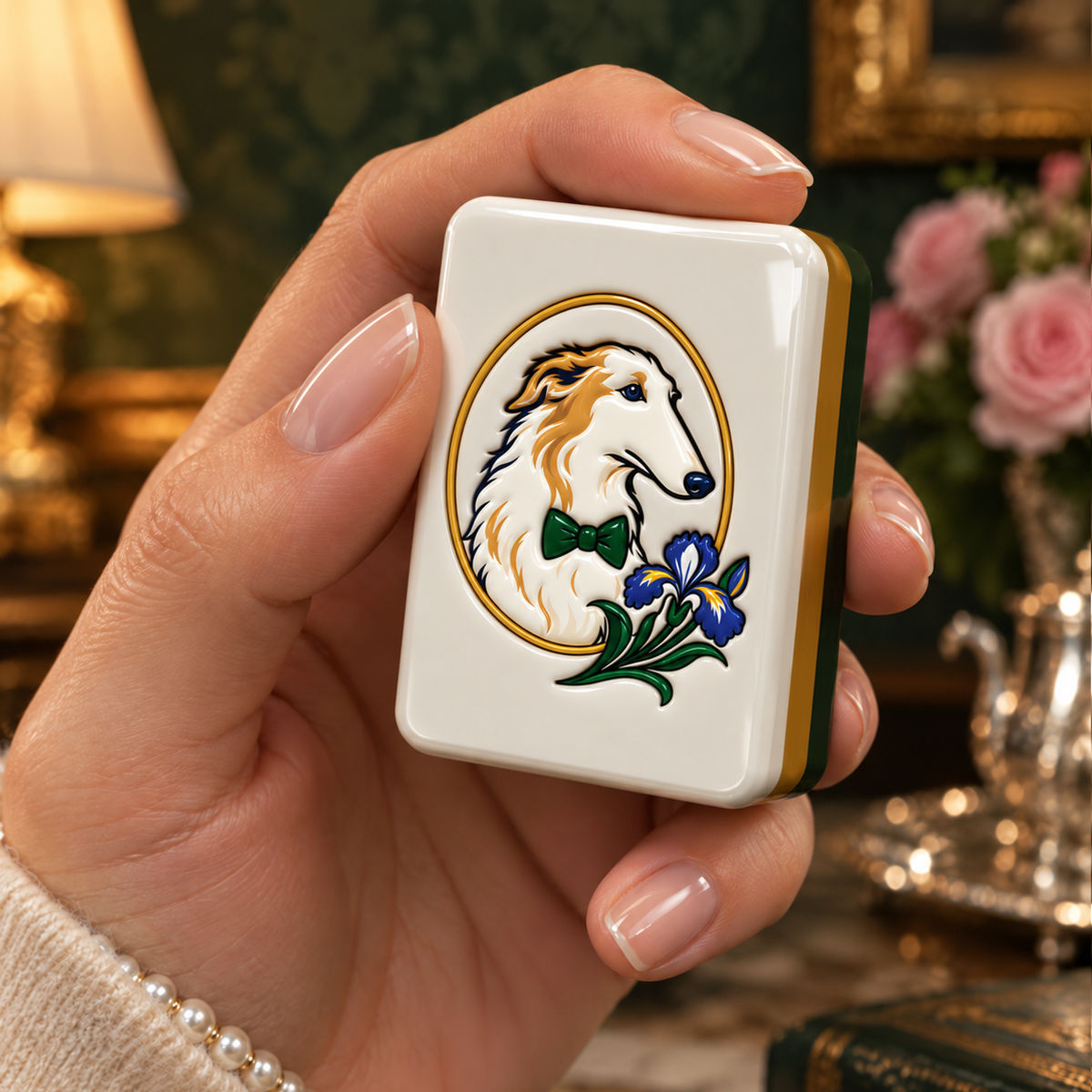
Vintage mahjong case styles fall into four main categories: hardwood boxes (1920s–1950s, often lacquered or inlaid), fabric drawstring bags (mid-20th century, embroidered silk or brocade), vinyl or fabric shoulder bags (1960s–1980s), and modern rigid cases with foam inserts. Storage conditions matter enormously—wood cases need dry air to prevent warping, fabric bags must stay away from moisture and moths, and acrylic tiles in sealed cases risk condensation. Vintage cases are primarily collector items today; for active play we recommend modern mahjong bags and cases built for protection and portability, which pair perfectly with our 160-tile acrylic sets that ship free across the US. Check the interior lining for damage before buying anything older than 50 years; warped dividers or cracked tile corners signal neglect. 🎁 See our most-loved mahjong sets & accessories →
What defines a truly vintage mahjong case?
A case qualifies as vintage if it predates the 1980s and shows period-appropriate materials—bone or bamboo tile faces, silk hinges, hand-painted scenes, or hand-stitched seams. Most vintage boxes housed bone or bakelite tiles, which are heavier and more fragile than modern acrylic. Real vintage pieces carry maker marks (Chinese, Japanese, or Hong Kong stamps), uneven wear patterns, and original hardware like brass clasps or silk ribbons. Reproductions made to look old often have perfectly uniform surfaces, modern synthetic glues, and no patina inside the lid. If you're buying for play rather than display, vintage cases often fail modern weight tests and lack the padding needed to survive a car ride.

Are wooden boxes actually safer than fabric bags?
Not always. Wooden cases offer superior protection if the wood is stable, the hinges don't bind, and the interior is lined with something softer than bare wood. Lacquered or varnished boxes sealed in humid air trap moisture—we've seen tiles develop permanent swelling inside seemingly "protected" vintage boxes. Fabric bags with rigid frame supports (bamboo or metal hoops) handle humidity better because they breathe; tiles in a silk drawstring bag with no support, however, slide and crack against each other in transit. The real win goes to modern rigid cases with foam dividers and waterproof shells—they combine rigid protection, ventilation, and weight savings that no vintage design anticipated.
How do you tell a Chinese case from a Japanese one?
Chinese cases typically feature red or dark-wood lacquer with inlaid mother-of-pearl scenes (pavilions, gardens, or calligraphy). The hardware is often ornate—thick brass corner plates and decorative clasps. Tile dividers inside are usually woven bamboo strips. Japanese cases, especially those holding Riichi tiles, tend toward simpler geometry, darker woods (ebony or rosewood), and minimal decoration outside; interior dividers are more likely to be thin wood slats or cloth. Hong Kong production (post-1950s) blends both styles: plastic or vinyl exteriors with fabric lining, shallow compartments, and lightweight construction. Vietnamese cases from the same era are rarer, with similar lacquer work but thinner wood and more visible wear. If you see a label inside, photograph it—country of origin adds authenticity value and helps date the piece.
What storage mistakes ruin a vintage case?
Mistake | What Happens | How to Prevent It |
Sealed storage in basements | Wood warps, fabric mildews, glue fails | Store in climate-controlled rooms, 40–60% humidity |
Stacking other items on top | Hinges bend, wood cracks, tiles shift | Keep cases upright or flat, empty inside |
Direct sunlight | Lacquer fades, silk threads rot, dyes bleed | Use opaque covers or closet storage |
Cedar blocks or mothballs inside | Chemical residue stains tiles and felt | Use unscented silica packets instead |
Cleaning with water or oils | Lacquer peels, fabric shrinks, wood swells | Dust only with soft dry cloth |
The single worst error we see: storing a vintage fabric bag in a plastic bin without airflow. Within two years the fabric begins to smell, tiles develop a film, and any silk lining becomes brittle. If you own vintage pieces, check them once a season—open the case, air it for an hour in indirect light, and gently wipe tiles with a microfiber cloth.
🀄 Shop best-selling mahjong sets →

Should you restore or preserve a vintage case as-is?
That depends on whether you want to play or collect. Restoration—re-gluing loose hinges, re-lining fabric, or refinishing lacquer—is irreversible and reduces the case's historical value if the original maker or period has research interest. For play, careful restoration makes sense: loose hinges and cracked interior walls create sharp edges that damage tiles. For collectible pieces, stabilization (securing a flaking hinge with reversible epoxy, adding archival tissue under lifted lacquer) is safer than full restoration. Never use wood stain, modern varnish, or heavy solvents on vintage lacquer; if lacquer is peeling, stop the moisture source first. A professional conservator who works with Asian wooden objects costs more than replacing a case, but they preserve the original while making it functional. If you're playing weekly with a vintage-styled modern set, you dodge this choice entirely—you get the aesthetic without the liability.
Do vintage cases add real value to modern acrylic tile sets?
They add sentimental and visual value, but not protective value. A 1960s brocade bag looks beautiful at the table, but acrylic tiles (152 tiles plus 8 jokers in a 160-tile set) are heavier and bulkier than vintage bone tiles—they'll stress old seams and elastic. Modern bags engineered for acrylic include thicker padding, reinforced corners, and water-resistant exteriors that vintage designs never needed. Some players pair a vintage case with a protective transport bag—the vintage stays on the shelf for photos, while the modern travel bag carries the set. That's the honest trade: beauty versus durability. If you collect vintage cases because you love them, display them empty or with lightweight decorative tiles. For the game itself, modern design wins.
✨ Find your Mahstead set — free US shipping →
Where do vintage cases come from and how do you find them?
Estate sales, antique markets, and online auction sites carry them, but authenticity is risky. Sellers outside Asia often misidentify Japanese cases as Chinese or confuse reproduction "vintage-look" boxes with genuine 50+ year old pieces. Check for: original hardware (real brass, not painted metal), hand-finish marks inside the box (uneven varnish, visible brush strokes), hand-stitched seams on fabric, and a patina that's consistent—not dark in corners and light elsewhere. Reputable antique dealers in major US cities with large Asian communities (San Francisco, New York, Los Angeles, Houston) will show provenance and allow inspection before purchase. If a case is genuinely pre-1970, the seller should be able to explain its history. Beware of "vintage" cases made in the last 10 years and artificially aged—they're mass-produced in factories and lack the weight, finish subtlety, and hardware quality of original pieces.
What to check before you buy
Tile fit: Hold one of your tiles (or ask the seller for dimensions). Vintage dividers are often deeper or shallower than modern tiles expect.
Closure integrity: Open and close the case 5–10 times. Does any part bind, crack, or catch?
Interior smell: Musty odors signal mold. Smell inside the lid and at the seams—fresh is fine, sour or sweet is a red flag.
Hinge movement: Hinges should move smoothly without grinding. Metal-on-metal roughness means corrosion; the case may seize.
Lining condition: Lift any loose fabric gently. Look for water stains, pest droppings, or mold spots. Don't force stuck linings.
Bottom feet or felt pads: Missing or degraded feet mean the case might scratch furniture. Check before bringing it home.
✨ Find your Mahstead set — free US shipping →

FAQ
Are vintage mahjong cases worth collecting if I don't play?
Yes, if you like Asian decorative arts and have stable storage. Vintage lacquered boxes with inlay or hand-painted details are sought by collectors; check auction prices for your era and region before buying. Rarity matters more than condition for display pieces.
Can I use a vintage fabric bag with modern acrylic tiles?
Not reliably. Acrylic tiles (36 per suit × 3, plus 16 winds, 12 dragons, 8 flowers, 8 jokers totaling 152 game tiles) weigh roughly twice as much as bone or bamboo tiles. Old fabric stretches, seams split, and interior dividers collapse under the weight. A single season of play can damage a 50-year-old bag permanently.
How do I know if my vintage case is Chinese, Japanese, or Hong Kong–made?
Look for maker stamps or labels inside the lid or base. Chinese cases show elaborate lacquer inlay, ornate brass hardware, and red or dark-brown finishes. Japanese cases are simpler, often dark wood with minimal decoration. Hong Kong pieces (post-1950) blend styles and use more vinyl, plastic, or cloth. If there's no mark, a dealer specializing in Asian antiques can help date it by construction method and materials.
What humidity level is safe for storing a vintage wooden case?
Aim for 40–60% relative humidity in a climate-controlled room. Below 35% the wood dries and cracks; above 65% it swells and glue fails. A inexpensive room hygrometer helps you monitor. Basements and attics are risky—they fluctuate seasonally.
Should I refinish or repaint a vintage case that looks worn?
No. Refinishing removes patina, lowers collector value, and can damage underlying wood or inlay. If lacquer is peeling, stabilize it with reversible conservation methods instead—have a professional add archival tissue or reversible epoxy if edges are lifting, but avoid modern varnish or stain. For a playable set, modern mahjong cases with acrylic sets are built for wear and cost far less to replace.
Can I tell if a vintage case is a reproduction by looking at it?
Mass-produced reproductions usually have: uniform, machine-finished surfaces inside and out; modern hardware that feels thin or plastic-like; synthetic glues that smell chemical; and interior dividers all identical (no hand-variation). Real vintage pieces show slight asymmetry, varied patina, hand-stitched seams, and hardware that's heavy and slightly uneven. Hold two cases side-by-side if you can—the original will feel heavier and look less "perfect."


View More
View More
View More
