
Vietnamese Mahjong vs Siamese Mahjong: Key Differences
Last updated: Nov 23, 2026
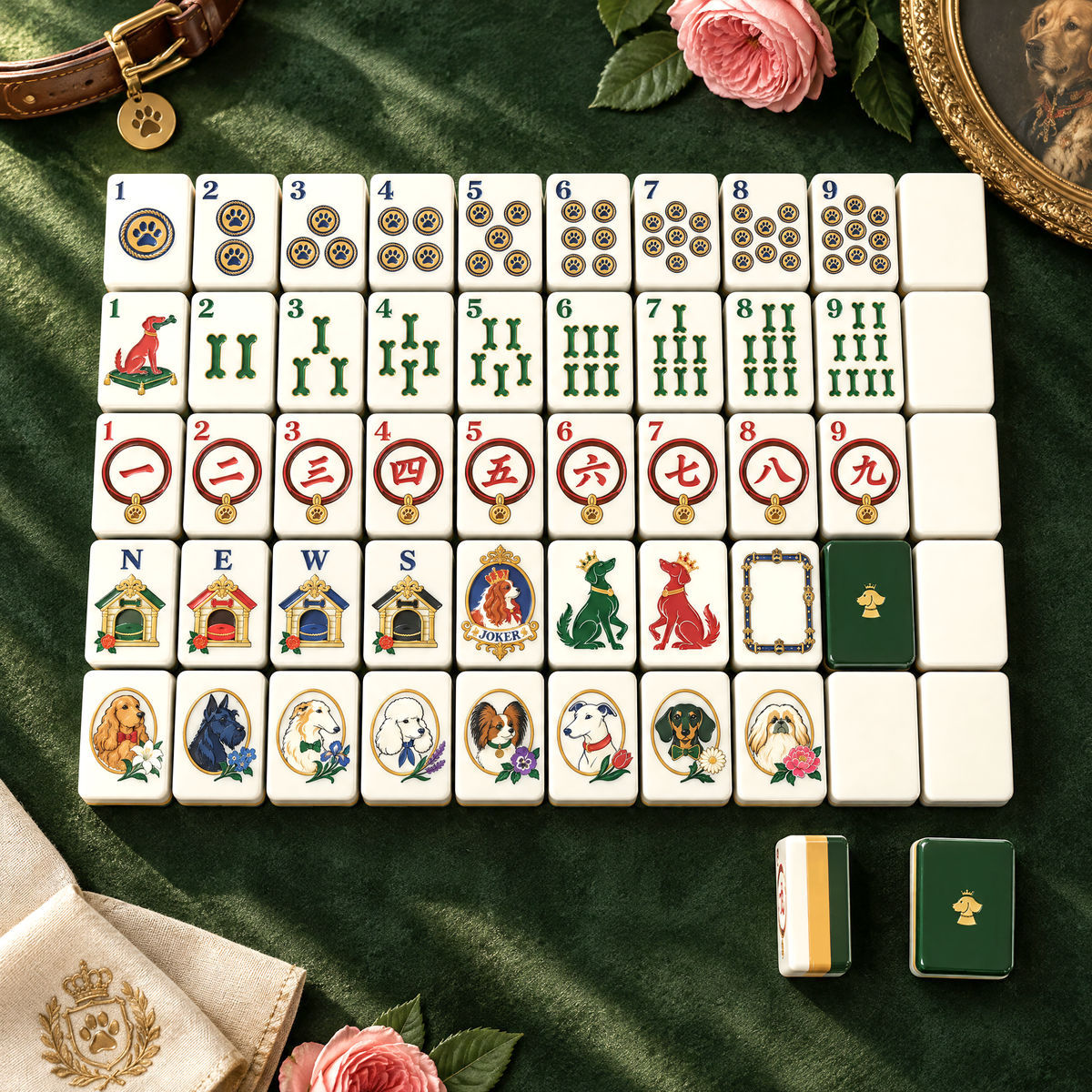
Vietnamese mahjong uses 108 tiles (three suits, numbers 1–9, four copies each) plus winds and dragons, played primarily for entertainment in Vietnam with emphasis on speed and simple hand patterns. Siamese (Thai) mahjong shares the 108-tile base but adds its own scoring system, house rules, and strategic depth, historically developed within Thailand's gaming culture. Both differ fundamentally from American mahjong, which uses 152 tiles, requires hands from an annual card, and enforces strict exposure rules. Neither Vietnamese nor Siamese mahjong uses the Charleston (the American tile-passing ritual). The games evolved independently from Chinese mahjong and reflect local play preferences; Vietnamese tends toward casual, family-friendly rounds while Siamese emphasizes competitive scoring variants. If you play American mahjong exclusively, switching to Vietnamese or Siamese requires learning entirely new hand sets, scoring methods, and tile combinations—they're not interchangeable systems. Mahstead specializes in American mahjong sets, so exploring these Asian variants means sourcing tiles from regional suppliers.
What tiles does Vietnamese mahjong use?
Vietnamese mahjong plays with 108 tiles: Bams, Craks, and Dots (numbers 1–9, four of each = 108) plus dragons and winds, but no flowers or jokers. The hand structure emphasizes pairs and simple combinations over complex sequences. You won't find the elaborate tile artwork common in American sets—Vietnamese tiles prioritize clarity and speed. Sets are typically smaller, portable, and less decorative than their American counterparts.

How does Siamese mahjong differ in structure?
Siamese mahjong starts with the same 108-tile foundation but introduces regional scoring patterns and hand groupings unique to Thai play culture. Hands often reward specific tile pairings and number runs; the game values strategic sequencing over the fixed-card requirement of American mahjong. Siamese play also typically allows more flexible exposure rules—melds appear earlier in the round—and rounds move faster than American games, which demand careful hand management and reference to the annual National card.
Which variant uses faster rounds?
Vietnamese mahjong rounds typically finish in 15–25 minutes; Siamese averages 20–30 minutes depending on house rules. American mahjong rounds, by contrast, run 45–90 minutes because players must validate hands against the current season's National Mah Jongg League card and navigate stricter exposure penalties. The speed difference reflects philosophy: Vietnamese and Siamese prioritize flow and casual entertainment, while American mahjong demands meticulous rule adherence and scorekeeping tied to the official card.
Can I use American mahjong tiles for Vietnamese or Siamese games?
Technically yes, but it's awkward. American sets include 8 flowers and 8 jokers that Vietnamese and Siamese don't use, making your tile count wrong (160 vs. 108). You'd need to remove tiles before each session or carry separate sets. If you plan to play multiple variants regularly, buy dedicated sets for each—it saves setup time and eliminates confusion. Switching between variants mid-week is common in multicultural mahjong circles, but separate sets keep the experience clean and authentic.

What's the easiest way to learn both systems?
Start with one variant at a time. If you're already fluent in American mahjong, learning Vietnamese or Siamese requires unlearning the National card and exposure framework—that cognitive load is real. Spend 4–6 weeks mastering one system before attempting the other. Join local meetups or community groups where players teach these variants; many cultural centers in cities with Vietnamese or Thai populations host casual games. Watch recorded rounds online to see hand patterns in action. Most importantly, play with the same group repeatedly so you internalize house rules—variants thrive on local tradition, so consistency within your table matters more than strict standardization.
Variant | Tile Count | Hand Type | Round Length | Best For |
American | 152 (with jokers) | Card-mandated patterns | 45–90 min | Strategic depth, official scoring |
Vietnamese | 108 (no jokers/flowers) | Flexible combos | 15–25 min | Casual play, speed, family |
Siamese | 108 (regional variants) | Local pattern sets | 20–30 min | Competitive scoring, cultural authenticity |
🀄 Shop best-selling mahjong sets →
Why do the variants feel so different at the table?
Pacing and rule enforcement shape the emotional experience. American mahjong feels deliberate—you check the card, validate melds, count points—because the system demands precision. Vietnamese play feels social and forgiving; mistakes rarely end a round, and players chat freely. Siamese falls between them: faster than American but more structured than Vietnamese, with house rules that shift between clubs and regions. The tile count difference amplifies this: 108 tiles move through the hand faster than 152, naturally accelerating Vietnamese and Siamese rounds. If your group values relaxation and speed, Vietnamese is your game; if you prefer strategy and scoring certainty, American remains the better fit. Siamese appeals to players seeking competitive scoring without American mahjong's rigidity.
Which variant should a new player choose?
If you've never played mahjong, start with American. The National card and structured exposure system teach discipline and pattern recognition; once you master American, picking up Vietnamese or Siamese feels intuitive because the underlying tile logic is identical. Conversely, if you're joining a family or cultural group already playing Vietnamese or Siamese, learn their variant first—it respects tradition and gets you playing faster. Don't bounce between all three simultaneously; one language at a time prevents rule collisions and frustration.
🎁 See our most-loved mahjong sets & accessories →
What should you check before buying a set for each variant?
Tile clarity: Vietnamese and Siamese sets prioritize legibility over decoration; ensure numbers are large and contrasting against the tile face. Durability: Casual-play sets (Vietnamese) can use lighter acrylic; competitive sets (Siamese) benefit from heavier materials. Completeness: Count the tile inventory before opening—108 for Vietnamese/Siamese, 152 for American. Storage: Vietnamese sets are compact; American sets need larger cases or mats. Language: Verify whether tiles display Chinese numerals, Arabic numbers, or regional symbols—this matters if you're teaching new players. House rules: Ask your group whether they require specific jokers (American only) or regional tile variations (Siamese) before purchasing.
For American mahjong, the best-selling collection includes durable acrylic sets with clear artwork and matching racks with pushers for organized hand management. If you're hosting multiple variants, investing in a quality mahjong mat creates a professional playing surface that works for any game system. Vietnamese and Siamese sets, however, require sourcing from regional specialists—Mahstead's expertise centers on American mahjong, so you'll want to connect with suppliers familiar with those variants.
✨ Find your Mahstead set — free US shipping →

FAQ
Can you play Vietnamese mahjong with a Siamese set?
Yes, if both games use 108 tiles and the same dragon/wind configuration. However, scoring systems and hand patterns often differ, so verify local rules first. Mixing tiles from both traditions mid-game creates confusion—keep variant sets separate.
Do Vietnamese and Siamese mahjong use the Charleston?
No. The Charleston is unique to American mahjong. Vietnamese and Siamese typically use simple draws or brief tile exchanges before play, but nothing resembling the elaborate American passing ritual.
Is Siamese mahjong harder than American mahjong?
Difficulty depends on your background. If you know American mahjong, Siamese feels simpler (no annual card to memorize). If you're new, Siamese's regional variation makes it harder—house rules shift between clubs, so consistency is fragile.
How many tiles do I need to learn both Vietnamese and Siamese mahjong?
You need two separate 108-tile sets, one for each variant. Sharing tiles wastes setup time and invites rule conflicts. Dedicated sets cost less than your first season's game fees.
Where can I find people playing Vietnamese or Siamese mahjong near me?
Search community centers, cultural associations, and meetup boards in areas with Vietnamese or Thai populations. Libraries often host mahjong clubs or have bulletin boards listing game nights. Ask at local restaurants or shops—they know players.
If I buy an American set, can I use it for Vietnamese mahjong?
Technically yes, but you'll remove 44 tiles (flowers, extra jokers) before each game. It's inefficient. Buy a dedicated 108-tile Vietnamese set and keep your American set for its own play—setup will be faster and cleaner.


View More
View More
View More
