
Vietnamese Mahjong Terms and Glossary: Rules and Play
Last updated: Nov 23, 2026
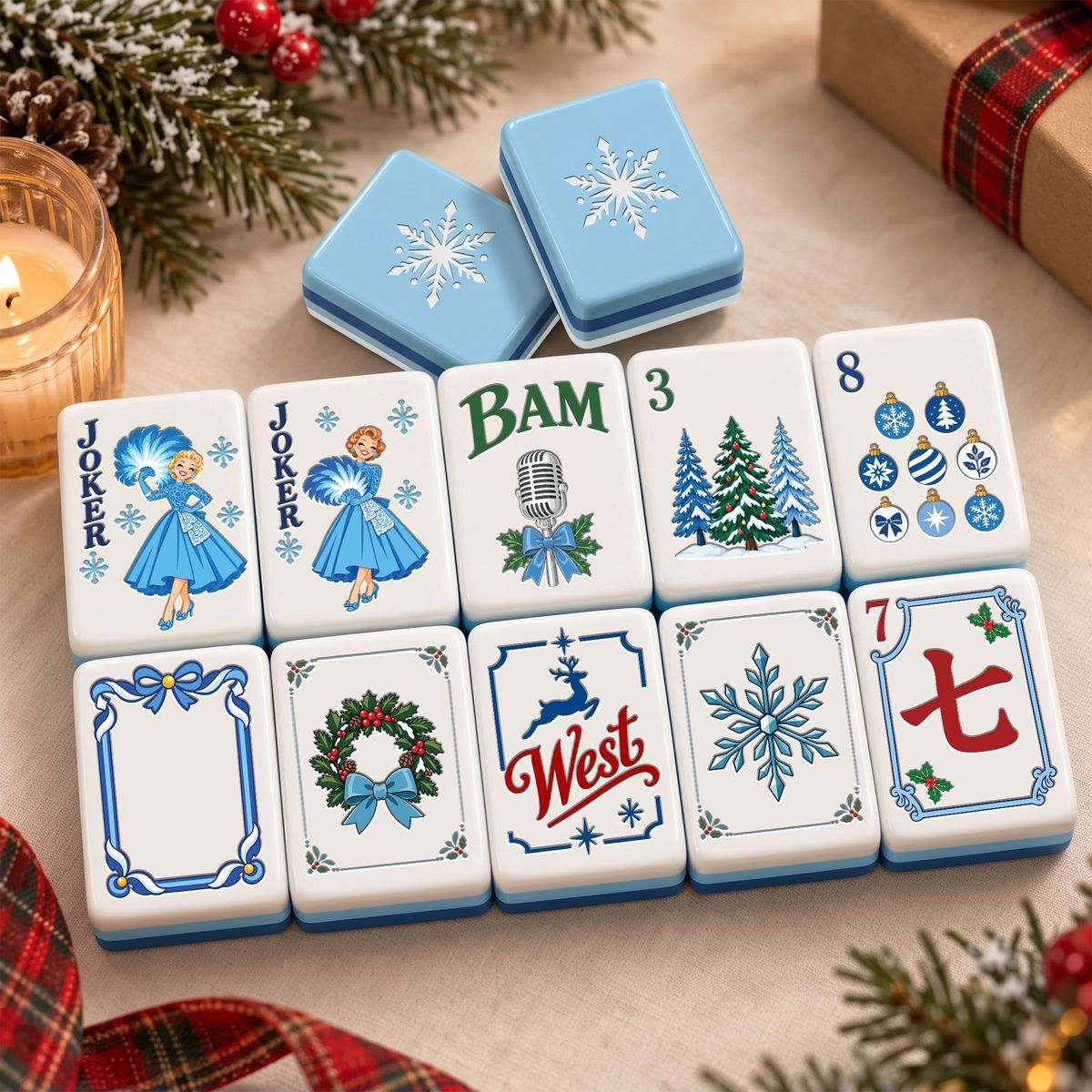
Vietnamese mahjong, played with a 144-tile set, employs Cantonese-influenced terminology that differs markedly from American mahjong. Core terms include "Tái" (pair), "Pùng" (pung—three identical tiles), "Khòng" (kong—four identical tiles), "Chow" (sequence: three consecutive numbered tiles in one suit), and "Húu" (win). Unlike American mahjong, Vietnamese play allows chows as melds you may call and expose, follows patterns from the traditional Hong Kong ruleset, and uses a simpler hand structure without a fixed season card. Games typically conclude in 15–30 minutes per round. Players new to Vietnamese variants benefit from learning these core Cantonese roots alongside American terminology if they play both—Mahstead's resources on how to play American mahjong clarify that contrast.
Vietnamese mahjong occupies a middle ground between classical Hong Kong play and modern American standardization. Its terminology reflects decades of Cantonese oral tradition, regional adaptations, and diaspora communities reshaping rules to suit faster, more social play. Whether you're learning in Ho Chi Minh City, Hanoi, or a diaspora community in North America, understanding the vocabulary unlocks both the mechanics and the cultural texture of the game. Below we map the essential terms, explain how they function in live play, and show how Vietnamese rules diverge from the American variant you may already know.
What are the core hand-forming terms in Vietnamese mahjong?
Vietnamese mahjong names its fundamental units in Cantonese, passed through generations of players. "Tái" (對, pair) is any two identical tiles—the foundation of every winning hand. "Pùng" (碰, pung) means three identical tiles; you may call it from any player's discard and expose it face-up on the table. "Khòng" (槓, kong) is four identical tiles, also callable and exposed. "Chow" (順, sequence) is three consecutive numbered tiles of the same suit—for example, 3 Bam, 4 Bam, 5 Bam. Unlike American mahjong, chows are legal melds in Vietnamese play; you may call a chow from the player to your left (in most variants) and expose it openly. The "Húu" (和, win or victory) occurs when your hand contains one pair plus four melds (four pungs, four kongs, four chows, or any legal combination totaling four). Every winning hand structure in Vietnamese mahjong follows this one-pair-plus-four-melds formula, making it simpler and faster than American mahjong's seasonal-card-based hands.
🀄 Shop best-selling mahjong sets →

How does the draw-and-discard sequence work in Vietnamese mahjong?
Play opens when the wall is broken (typically by the player opposite the East wind), and tiles are drawn in a prescribed order. Each player draws one tile per turn and discards one. In Vietnamese play, you announce "tíu" (取, draw) when drawing your tile and "phai" (牌, discard) when placing a tile on the table—these announcements help the table track whose turn it is and prevent mistakes. When you discard, any player may call ("pung," "khòng," or "chow") that tile immediately; the call takes precedence, and the calling player takes the tile, exposes the meld, and plays continues from them. This differs sharply from American mahjong, where you cannot call discards for chows and the turn order remains strictly sequential. The speed of Vietnamese mahjong comes partly from this fluidity: a single discard can trigger multiple calls, shortening rounds significantly. Beginners often struggle with the mental rhythm—watch experienced tables and you'll see players pausing just slightly before discard, gauging risk.
What is "kong" and how does Kong-drawing work?
In Vietnamese mahjong, a kong (khòng) is not merely an exposed four-pung—it is also a drawing opportunity. When you declare a kong (whether by calling a discard or drawing the fourth tile yourself), you draw an immediate replacement tile from the tail of the wall, then discard as normal. This mechanic creates cascading turns: you kong, draw, discard, and play continues. Multiple kongs in a single hand are legal and encouraged, as each kong grants a replacement draw. This differs from American mahjong, where you expose a kong on a pung to convert it, but no automatic tile-draw occurs. The Vietnamese system accelerates play and rewards tile-cycling strategy. Some regional variants allow "melded kongs" (declaring a kong on tiles you've already exposed in a pung), while others require open kongs only. Always confirm local rules before playing—kong timing and replacement-draw rules vary.
What scoring and bonus terms should I know?
Vietnamese mahjong scoring divides into base points and bonuses. The most basic win is "ping hú" (平和, level/neutral win)—a simple four-meld-plus-pair hand with no bonus points. Bonus hands include "tányáo" (斷么, all terminals and honors removed—requires only numbers 2–8 in melds), "tòi tòi" (對對, all-pung hand—four pungs and one pair, no sequences), and "sìk khè" (色氣, mixed suits in all melds). A "léi léi" (煤煤) is an all-chow hand. Scoring varies by region and table custom—some play with doubling rounds, others use flat point scales. The key difference from American mahjong: Vietnamese play has no seasonal multiplier, no "limit hands," and no fixed card-based hand validation; bonuses emerge from the hand structure itself. When joining a Vietnamese game, always ask "how do we score?" and listen to three hands before betting. Regional variants (Hanoi-style, Saigon-style, overseas-diaspora) use different point-doubling rules, so agreement at the table is essential.
Term (Cantonese) | Meaning | Legal to Call | Effect on Play |
Tái | Pair (2 identical) | No (eye only) | Required in all wins |
Pùng | Pung (3 identical) | Yes | 1 meld toward win |
Khòng | Kong (4 identical) | Yes | 1 meld + replacement draw |
Chow | Sequence (3 consecutive) | Yes (left player) | 1 meld toward win |
Húu | Win/victory | N/A | Hand complete |
Tinyáo | No honors/terminals | N/A | Bonus points |
Tòi tòi | All-pung hand | N/A | Higher score |

How do regional Vietnamese variants differ from each other and from American mahjong?
Vietnam's diaspora and regional play have spawned distinct rule families. Hanoi-style (northern) traditionally favors chows and simpler scoring; rounds are fast and gambling is light. Saigon-style (southern) emphasizes kongs and bonuses, with richer scoring systems and longer sequences. Overseas-diaspora (US, France, Canada) blends both traditions and often incorporates loose joker rules or simplified bonus systems to speed play for social events. American mahjong, by contrast, uses 152 tiles with a seasonal card, disallows chows entirely, uses eight jokers as wildcards, and applies fixed hand patterns from an annual National Mah Jongg League card. If you play both—say, Vietnamese games on weekends and American league games midweek—expect a mental gear-shift: chows are suddenly forbidden, calling rules reverse, and jokers become central strategy. Many players find American mahjong slower and more cerebral; Vietnamese play faster and more social. Neither is "better"—they serve different play philosophies. If you're hosting both variants, invest in quality mats and racks to signal which set and ruleset are in play, reducing confusion.
What terms describe calling, blocking, and table etiquette?
Vietnamese mahjong uses specific call-words and etiquette phrases that shape the table culture. "Khỏ!" (靠, call—a pung from your left discard) and "Hóa!" (化, call—a chow from your left discard) are announcements. If you discard a tile you believe is safe, you might say "thánh phán" (聖盤, holy tile—safe) or "zung" (中, center—neutral). "Wài" (歪, wrong—a player has made an illegal move) halts play. "Líu" (流, flee) means a player draws and discards without calling—they pass the turn. "Gánh" (幫, help) describes when another player's discard aids your hand. These terms vary by region and table age; young players may use fewer honorifics than older cohorts. The most universal phrase is a simple nod and the meld-name—that silence and gesture often suffice. Etiquette demands that you call clearly, discard face-up and centered, never hide discarded tiles, and announce draws and kongs aloud. Sloppy terminology and silent moves breed conflict; clear speech and visible play keep the table social and swift.
🎁 See our most-loved mahjong sets & accessories →
What to check before you buy a Vietnamese mahjong set
If you're purchasing a set for Vietnamese play, confirm it is a 144-tile set (not 152, which is American-only). Check that tiles show Cantonese numerals or Arabic numbers clearly—some older imports use symbols that confuse new players. Verify the weight and material: bone-and-bamboo sets are traditional but fragile; acrylic or resin sets are durable and affordable. Ensure you receive four copies of every tile (not three), as Vietnamese play demands it. If hosting mixed-variant games, consider owning both a 144-tile Vietnamese set and a 152-tile American mahjong set; label them or store them separately to avoid mid-game mix-ups. Pair any set with a felt mahjong mat to protect tiles and mark the play zone clearly. Quality mats signal respect for the game and reduce disputes over tile placement.
How can I learn these terms faster?
Immersion beats memorization. Attend live games and shadow a fluent player, asking one question per round—your ear will tune to rhythm and accent within three sessions. Record yourself calling melds aloud: "khòng sai bam, húu" (kong one bam, win). Use a simple notebook to sketch hand structures with Cantonese labels, adding the English equivalent; reviewing before sleep strengthens retention. Join online Vietnamese mahjong communities (forums, Discord servers, YouTube channels) and watch recorded games with commentary. Most importantly, play—your hands will teach faster than any glossary. When you misunderstand a rule, ask immediately and write it down; the table will forgive a sincere question but not repeated silent confusion. Vietnamese players value politeness and humility; saying "please teach me" opens doors more than claiming to already know.
✨ Find your Mahstead set — free US shipping →

FAQ
Is Vietnamese mahjong the same as Hong Kong mahjong?
Vietnamese mahjong evolved from Hong Kong rules but has simplified faster play and region-specific scoring. Both use 144 tiles and allow chows; Hong Kong play is stricter about patterns and bonuses, while Vietnamese play prioritizes speed and social enjoyment. Learn both if you play internationally.
Can I use American mahjong tiles for Vietnamese play?
No. American sets have 152 tiles (with seasons, flowers, and extra jokers); Vietnamese play requires exactly 144 tiles. Mixing sets confuses hands and breaks scoring. Buy a dedicated 144-tile set to avoid costly errors mid-game.
What does "calling a chow from the left" mean?
In Vietnamese mahjong, you may call a chow (sequence) only from the player to your left's discard. You cannot call chows from other players or from your own draw. This rule differs from pungs and kongs, which any player may call from any discard.
How do I know if my hand is a winning hand?
A winning hand has exactly one pair and four melds (any mix of pungs, kongs, and chows). Count: if you have 2 + 3 + 3 + 3 + 3 = 14 tiles forming this structure, you have húu (win). In American mahjong, you must match the current season card; Vietnamese play has no such requirement.
Why do Vietnamese players draw an extra tile after a kong?
The replacement draw rewards melds and accelerates play. Each kong creates a bonus turn, so hands with multiple kongs draw and cycle tiles faster. This mechanic makes Vietnamese mahjong rounds shorter (15–30 min) than American games (45–90 min), suiting social play and frequent betting.
Are there different Vietnamese mahjong rules for different regions?
Yes. Hanoi, Saigon, and overseas communities play with different scoring systems, kong rules, and bonus structures. Always ask your table "what are our local rules?" before sitting down. Written agreement prevents disputes and keeps the game social.


View More
View More
View More
