
Three-Player Mahjong Special Hands: American Rules & Strategy
Last updated: Nov 23, 2026
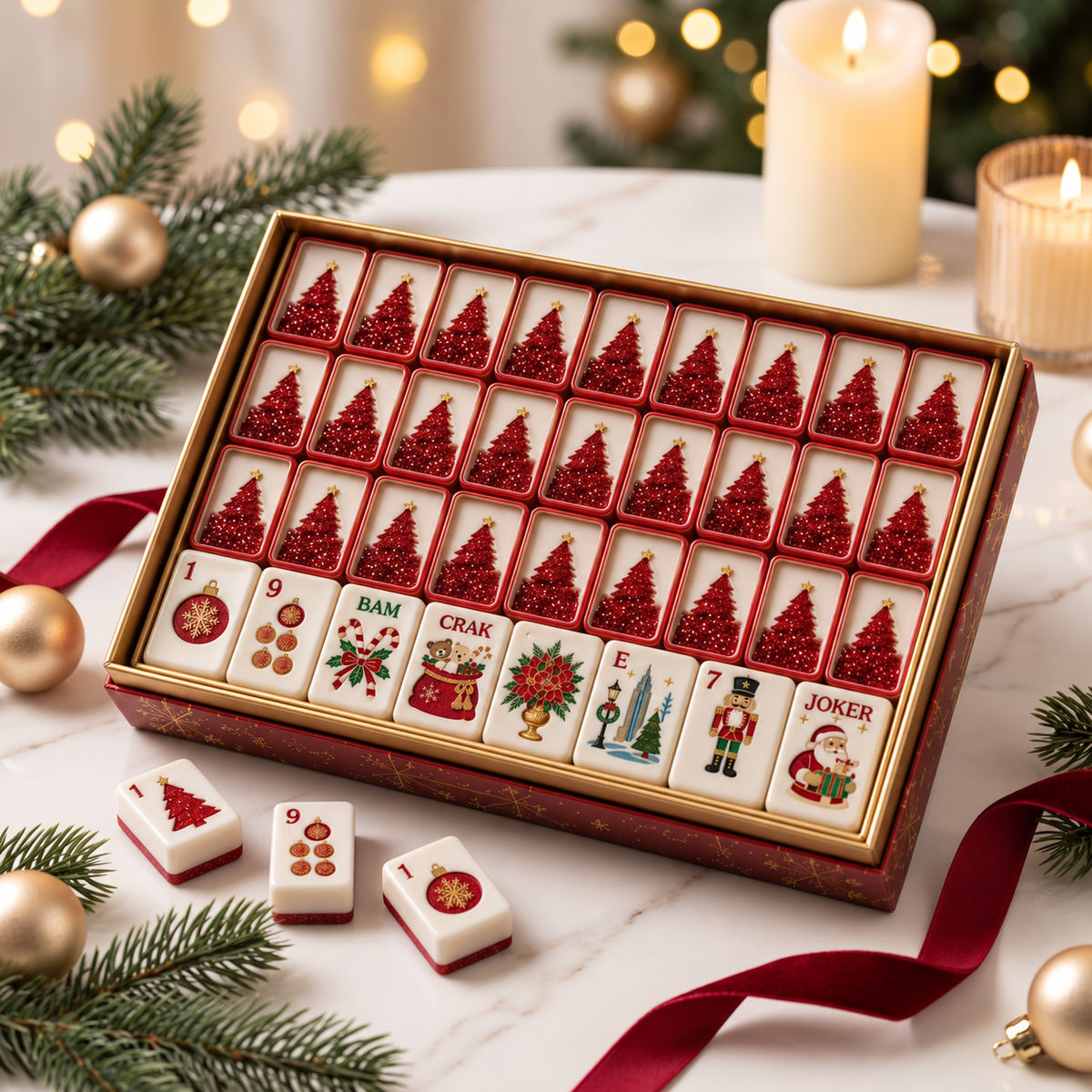
Three-player American mahjong uses the same tiles and card as four-player, but hands are modified to reflect the missing player. Most four-player hands translate by removing or adjusting patterns tied to the missing wind; the card itself designates which hands are valid for three-player. Play follows the same Charleston, exposure rules (pungs, kongs, quints, sextets; no chows), and scoring as four-player, but seat assignments and tile draws adjust—each player draws 13 tiles plus one during play instead of alternating draws with four. Total game length is shorter; a round typically finishes in 20–30 minutes versus 30–45 for four players. Check your current year's NMJL card for the "three-player" section; if your card lacks one, consult local three-player rules variants (Hong Kong or Chinese three-player differ significantly).
🀄 Shop best-selling mahjong sets →
How do I find valid three-player hands on the NMJL card?
The National Mah Jongg League card marks three-player hands in a dedicated section or subsection, usually labeled by year and difficulty. Look for rows or columns marked "3-player" or a separate page inserted into the card booklet. Each valid hand lists the exact tile combination—e.g., a pung of Red Dragons, two pungs of Bams, and a pung of Dots—using the standard notation (numbers 1–9, suits Bam/Crak/Dot, wind symbols, dragon letters, joker count). Not all four-player hands are listed; three-player typically removes hands requiring specific wind combinations (like "East/South only") that don't map to three seats. Check your card's cover or index for "three-player" to know if it's included; some regional or older cards don't offer a dedicated section.

Which hands are most common in three-player games?
The most common three-player hands are all honors (winds and dragons), simple number sequences (runs of Craks, all Dots), and mixed pungs—exactly like four-player, but with joker flexibility and wind adjustments. Hands with quints (5-tile exposures) appear more often in three-player because fewer tiles are in play; you're more likely to collect five identical Bams or Dots without competing against four players. Pairs of Soap (White Dragon) are frequent because they serve as both honor and zero—a powerful neutral tile. Hands mixing one suit with all honors (e.g., three Bams pungs plus a wind pung) suit three-player well because the reduced deck makes suit concentration easier. Hands requiring two specific winds—common in four-player—are rare in three-player; instead, look for hands that work with any two of the three winds at your table or hands using only one wind. Study your card's three-player section for the first 10 hands listed; they're usually the simplest and most achievable early in your game.
What rule changes apply to the Charleston in three-player?
The Charleston—the tile-passing ritual before each hand—adjusts for three players: you pass right (three tiles), then left (three tiles), then across (three tiles), exactly as in four-player. The key difference is who receives your pass. In three-player, sitting North-East-South (omitting West), the three tiles you pass right go directly to your left neighbor; the three you pass left go to your right neighbor; the three you pass across go to the one player directly opposite. Some groups play a "dead hand" or skip the across pass entirely; confirm with your table before starting. The total tiles passed (nine per player) and the total tiles exchanged (27) remain the same. After the Charleston, each player holds 13 tiles plus one draw during play, versus 13 plus draws for four-player—no change to hand size, but the absence of a fourth player means less tile circulation and faster draws to your hand.
How does hand strategy differ in three-player versus four-player?
In three-player, you have better odds of completing your hand because two fewer competitors draw from the wall. If you need a specific pung (e.g., three Red Dragons), only two other players are competing for Reds, not three. This means you can afford to pursue higher-risk hands—longer waits, rare tiles—that would fail in four-player crowded tables. Conversely, your opponents also have the same advantage, so games end faster and the pressure to keep or discard quickly is higher; you have fewer rotations to make your draw. Joker allocation becomes more strategic: with only three players, fewer jokers are likely to be claimed early, so jokers linger in the wall longer—plan for joker scarcity in your hand selection. Wind-heavy hands are less common (since one wind is absent from your table) but become more attractive when they appear on your card; learn to recognize wind-only patterns in your three-player section. Discard reads shift: in three-player, a discard you haven't seen in two rotations is more significant, since only six tiles have been discarded versus twelve in four-player.

What setup and equipment works best for three-player games?
You need a standard 152-tile American mahjong set and the current year's NMJL card marked for three-player; no special tiles or variant sets are required. Seating: arrange yourselves at a table or mat in three seats (e.g., North, East, South—imagine West is empty). Each player holds a mahjong rack with pushers to organize and display their 13 tiles neatly; racks prevent accidental tile reveals and speed play. A mahjong mat with labeled walls helps you track the wall position and keep the discard area organized, especially critical in three-player where the pace is quick. If you rotate tables or move sets frequently, a mahjong bag or case protects your set during travel and keeps all pieces together. A divider or scoreboard records the round, dealer rotation, and points—standard in any three-player game but more important since games end quickly and you'll play multiple rounds in a session.
🎁 See our most-loved mahjong sets & accessories →
Common mistakes in three-player—and how to avoid them
Mistake | Why It Happens | How to Prevent It |
Playing four-player hands only | Card section is hard to spot or unfamiliar | Mark or flag your card's three-player page with a sticky tab before play begins |
Forgetting which wind is absent | Three seats feel incomplete at first | Agree in advance which wind is "out" and call it aloud at the start of each hand |
Passing incorrectly in Charleston | Right/left/across paths confuse without four bodies | Walk through one full Charleston rotation slowly before the first hand |
Discarding too quickly | Fewer tiles mean faster turns; panic sets in | Take a breath after each draw; read the discard pile for two seconds before playing |
Over-counting jokers | Fewer players = jokers stay in wall longer than expected | List the eight jokers aloud and track how many have been drawn; expect 2–3 more in wall than in four-player |
✨ Find your Mahstead set — free US shipping →
What to check before you buy or play three-player
Card version: Your NMJL card must have a dedicated three-player section or note. If unsure, ask your host or check the cover's year and edition.
House rules: Ask if your group uses a "dead hand" rule, skips the across pass, or follows a local variant (Hong Kong three-player, for instance, is a different game entirely).
Tile count: Confirm your set is a standard 152-tile American set; three-player uses the full deck, not a reduced variant.
Racks and mats: Three-player benefits from a mat with clear wall markings and individual racks, since the faster pace leaves little room for confusion.
Seating layout: Measure your table to ensure three racks fit comfortably; a cramped setup slows play and increases tile-reveal accidents.

FAQ
Can I play American mahjong with only three people if my card has no three-player section?
No. American mahjong hands are locked to the current NMJL card; without a three-player section, no hands are legal. Consult your organizer or switch to a Chinese or Hong Kong three-player variant (different rules, tiles, and strategy). If your card lacks three-player entirely, ask the card publisher or your regional league when three-player support will be added.
How long does a three-player game last compared to four-player?
Three-player games typically run 20–30 minutes per hand; four-player runs 30–45 minutes. Fewer players mean fewer discards and faster wall exhaustion. A full three-player session (three hands, one round per player as dealer) takes 90–120 minutes versus 120–180 for four-player, depending on pace and scoring disputes.
Do I need special tiles or a smaller set for three-player American mahjong?
No. Use the same 152-tile American set as four-player. No tiles are removed or altered; the difference is only in hand patterns (dictated by the card) and the number of active players. Three-player uses the full deck.
What if one wind is missing in three-player—can I still use hands with that wind?
No. If West is the absent wind, no valid three-player hand on your card will require West. Check your card's three-player section; all listed hands use only the three active winds at your table. Attempting a four-player hand with the absent wind is a foul.
Are jokers used differently in three-player?
Jokers are used identically in three-player as four-player—they can replace any single tile except another joker or a pair tile. However, because fewer players are drawing, jokers tend to remain in the wall longer, so plan your hand assuming fewer jokers available in your hand (expect 1–3 jokers versus 2–4 in four-player on average).
Do I need a different mat or rack setup for three-player?
No, but a mat with clear wall markings and three separate racks help enormously. Three-player is faster-paced; confusion about the wall or hand organization causes errors. A mat and racks keep play smooth and prevent accidental tile exposure or miscounts.


View More
View More
View More
