
Thai Mahjong Rules: A Guide for Western Players
Last updated: Nov 23, 2026
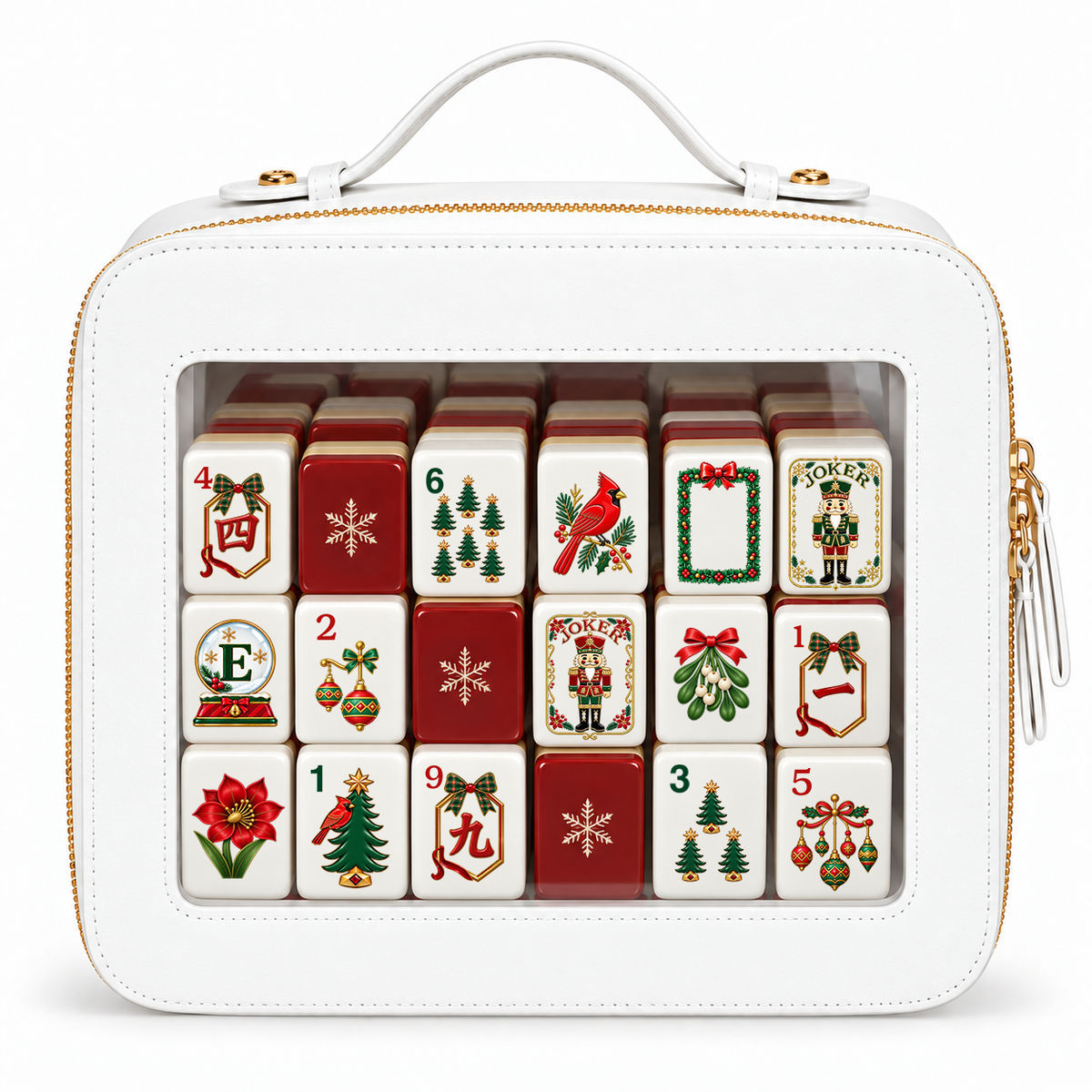
Thai mahjong uses the same 152-tile base as American mahjong (Bams, Craks, Dots, Winds, Dragons) but differs fundamentally in play: it permits chows (sequences like 1-2-3 of the same suit), allows exposed melds to be drawn from, and uses a scoring system tied to hand complexity and winning conditions rather than a fixed annual card. Games typically move faster, tiles are called more openly, and wall play is stricter. The National Mah Jongg League ruleset governs American play; Thai variants follow regional or home-table agreements, often documented in rulebooks specific to Bangkok or provincial house styles. No standard licensing body exists for Thai play as it does for American, so rules vary by group. A typical Thai game takes 30–90 minutes depending on house speed and penalty rules.
How is Thai mahjong different from American mahjong?
American mahjong bans chows (sequences) entirely—you may only call and expose pungs (three identical), kongs (four identical), quints (five), and sextets (six). Thai mahjong permits chows and often allows players to draw from exposed melds, creating a more fluid, continuous play style. American play requires matching hands to the current year's National Mah Jongg League card; Thai play uses hand-pattern memory and regional scoring tables. Jokers behave differently: American mahjong never allows a joker in a single tile or a pair, while Thai house rules often relax this. Wind and tile placement also carry weight in Thai variants—seat winds and prevailing winds affect scoring multipliers in ways American scoring doesn't recognize. Thai games are typically louder, faster, and more communal in call-outs.

What tiles and equipment do you need to play Thai mahjong?
Thai mahjong uses the standard 152-tile set: 108 suited tiles (36 Bams, 36 Craks, 36 Dots), 16 Winds (4 each: North, East, South, West), 12 Dragons (4 Red, 4 Green, 4 White), 8 Flowers, and 8 Jokers. You need a flat playing surface—a mat with raised edges helps contain tile noise and prevents sliding. Most Thai players use a cloth or bamboo mat, though American-style tournament mats work equally well. A tile rack or pusher set reduces hand fatigue during long games. A die or dice (often two, used differently than in American play) determines wall break. Unlike American play, Thai mahjong sometimes uses scoring sticks or paper tallies more actively, so a notebook is handy. Our best-selling acrylic sets include everything you need to start; add a sturdy mat with raised edges to protect tiles and muffle sound.
🀄 Shop best-selling mahjong sets →
What is the hand-pattern structure in Thai mahjong?
Thai mahjong hands follow a few core pattern types: all pungs (no sequences), mixed pungs and chows, and special hands (all terminals, all honors, pairs and triplets only). A complete hand is always 14 tiles: four melds of three tiles each (or five tiles, depending on meld type) plus a pair. Winning is called "going out" or "mahjong," and occurs when you draw or claim a discard that completes your 14-tile hand. Unlike American mahjong, where hands come from a printed card valid that year only, Thai hands are pattern-based and memorized or calculated on the table. The most common hands are eye pairs (matching pair) plus four chows (1-2-3, 4-5-6, 7-8-9 of mixed suits), or all pungs with one pair. Scoring multiplies based on the hand type: a hand with only pungs scores higher than one with mixed melds. Some variants honor winning on the first draw after the wall is broken, or winning with a single tile (a "standing hand").

How does scoring work in Thai mahjong?
Thai scoring is scenario-based: the base is typically two points (or one round), and multipliers apply for hand composition, wind position, and whether you won by draw or claim. If you win with a chow hand, you earn base points; if you win with all pungs, you earn double or triple base. Seat winds (your position relative to the dealer) and prevailing winds (set at the start of the round) can double or triple your score if they match your hand. A player who discards a winning tile pays double to all three opponents; a player who draws wins from only the dealer (or all three, depending on house rules). Penalty scores (for exposing tiles incorrectly, calling out of turn, or false claims) range from one to five points and are deducted or paid immediately. Many home games use a running tally on paper; faster groups track mentally and settle at the end of the round. Thai scoring rewards defensive play—if you avoid providing a winning tile, you avoid liability. The complexity is why written agreements before play prevent disputes.
Why do Thai and American mahjong players sometimes get confused?
A Thai player joining an American game will instinctively reach for chows, only to learn they're illegal. An American player joining Thai play will expect a card to validate hands, then discover they must know patterns from memory. Tile handling differs too: Thai play permits more casual handling and re-organizing of the hand before going out; American rules require strict concealment until winning is declared. The concept of "open" and "closed" hands is also inverted: Thai play shows melds boldly as they're called; American melds are exposed only when you're ready to win (and then only the melds, not the pair). Terminology creates friction—both games call the winner "mahjong," but the conditions are different. A Thai player may count scoring points differently, multiplying base points in ways American scoring doesn't recognize. The best way to bridge the gap is to establish house rules in writing before the first hand. Many groups play "hybrid" or "fusion" versions that allow chows but otherwise follow American card logic, or allow the card as an optional reference for American pattern validation. Flexibility and agreement prevent frustration.
🎁 See our most-loved mahjong sets & accessories →
Aspect | American Mahjong | Thai Mahjong |
Sequences (chows) | Banned—only pungs, kongs, quints, sextets allowed | Permitted; central to hand patterns |
Hand validation | Current year's National Mah Jongg League card | Memorized pattern library; no official card |
Joker in pair | Never allowed | Varies by house; often permitted |
Play speed | 45–120 minutes per round | 30–90 minutes per round |
Melds shown | Exposed only at winning declaration | Shown openly as called during play |
Scoring system | Fixed point values per hand pattern | Multipliers based on wind, hand type, draw/claim |
Tile set size | 152 tiles + 8 jokers (standard) | 152 tiles (same; joker use varies) |
Wall break method | Dice roll; discard count; house variation | Dice roll; often more ceremonial |
What should you check before you buy a set for Thai play?
Tile weight and size matter more in Thai mahjong than in American play because games move quickly and tiles are handled frequently. Acrylic sets with rounded or smooth edges reduce finger fatigue during long sessions. If you plan to travel with your set, a durable carrying case or bag prevents cracking and makes transport easy. Joker count is less critical in Thai play than in American (where 8 jokers are standard), but having extras is always useful for practice or tile damage. Verify that your set includes clear, readable tile faces—in Thai play, tiles are called out quickly and misreads cause disputes. If playing with older players or in dim lighting, larger tiles and high-contrast markings (light tile, dark suit symbol) are safer bets. A padded mat protects tiles and muffles sound in shared spaces. Avoid sets with loose jokers or bent tiles before the first game—one bad tile ruins a three-hour session.
✨ Find your Mahstead set — free US shipping →

FAQ
Can I use an American mahjong card to learn Thai patterns?
No. American cards show only hands legal in American play (no chows); Thai patterns are entirely different. Refer to a Thai rulebook or memorize your group's house patterns instead. Many Thai players keep a small reference sheet at the table until patterns stick.
Is there an official Thai mahjong rulebook?
Not one globally recognized body like the National Mah Jongg League for American play. Thai rules vary by region and house. Before joining a new group, ask for their written rules or watch a round to learn house customs—seat rotation, scoring multipliers, and payment methods differ widely.
Can I play Thai mahjong with an American set?
Yes. Both use 152 tiles in the same configuration. The set itself is identical; the rules you apply to it are different. An American set works perfectly for Thai play if you and your group agree on Thai house rules before the first hand.
How long does a typical Thai mahjong game take?
A single round is usually 30–90 minutes, depending on hand complexity, player experience, and house speed. A full session (4–8 rounds) runs 2–6 hours. Thai play is generally faster than American because melds are called openly and hands are decided by pattern recognition, not card lookup.
What's the biggest mistake beginners make in Thai mahjong?
Forgetting that you can claim tiles from exposed melds—you must stay alert to every discard, not just your own draw turn. In American mahjong, only the player whose turn it is can draw; Thai play is more open. Also, mixing up hand patterns or miscounting melds before declaring "mahjong" leads to penalties or dead hands.
Do I need a mat, racks, and dice, or can I play Thai mahjong with just tiles?
You need tiles and a flat surface; everything else is optional but highly recommended. A mat prevents tiles sliding and dampens noise. Racks and pushers reduce hand strain in long sessions. Dice determine wall break (same as American). A notebook for scoring helps prevent disputes.


View More
View More
View More
