
Mahjong Mat Under $300: Best Picks for Your Game
Last updated: Nov 23, 2026
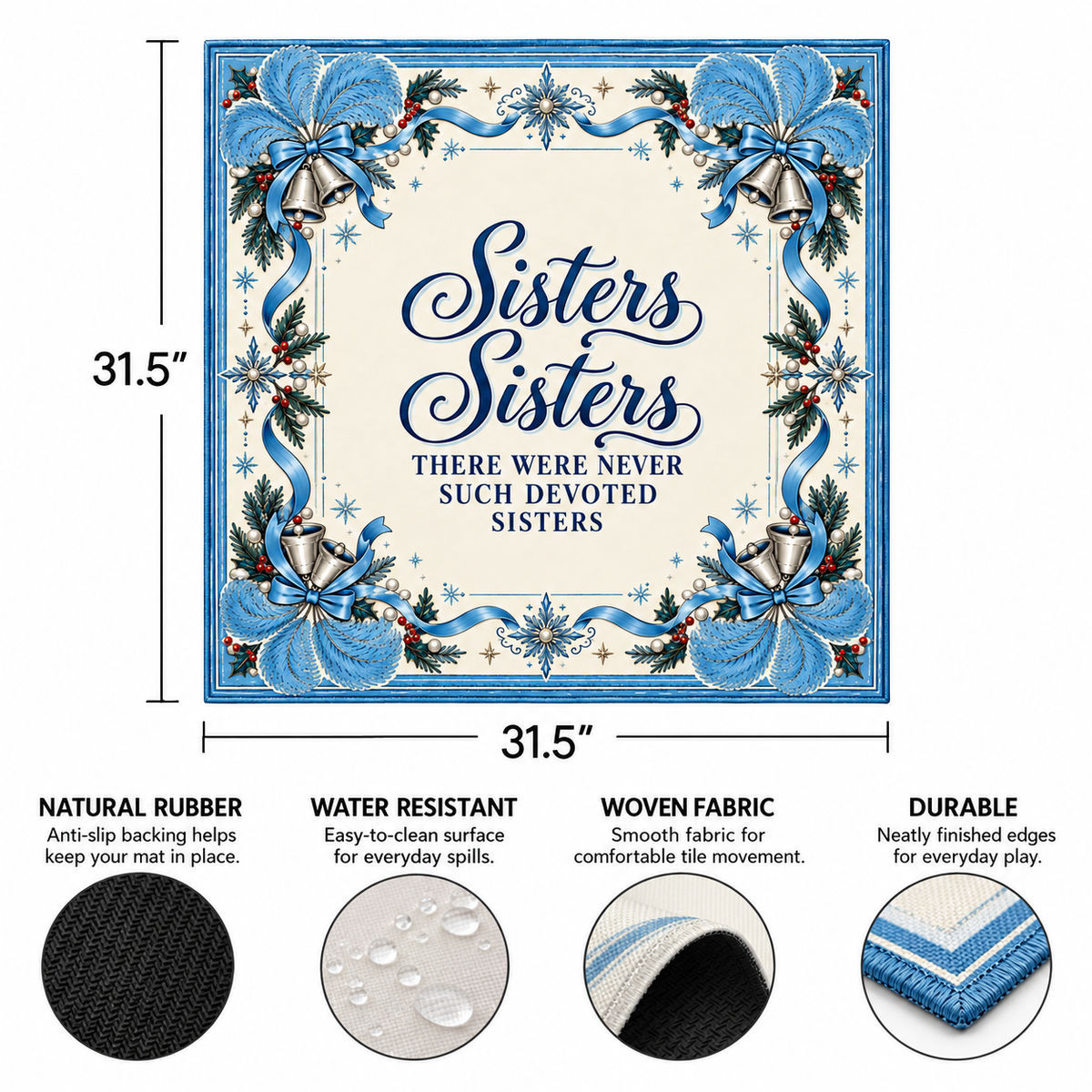
A mahjong mat is a fabric or vinyl surface marked with zones for each player's hand, melds, and the wall—it replaces a bare table and prevents tiles from sliding. Most mats sold in the US fit standard dining tables (36"–48" across) and come rolled or folded. Prices range widely: basic vinyl mats start lower, while embroidered or custom designs command more. Look for non-slip backing, reinforced seams, and enough space for your hand size and rack. Mahstead offers best-selling mahjong sets bundled with mats, and their mats come labeled with player zones and joker areas—a real time-saver in fast games. Avoid mats thinner than felt or vinyl; they wear through quickly and tiles stick unevenly.
What size mat do I actually need?
Mahjong mats come in three rough categories: small (30"–36"), medium (36"–48"), and large (48"+). Small mats work for tight apartments or folding tables; medium fits most dining tables; large suits spacious game rooms or tables wider than 48 inches. Measure your table edge to edge, then subtract 6 inches to leave room for players' elbows and the wall draw pile. If you use mahjong racks with pushers, add another 4–6 inches per side because racks stand taller than hands held flat. Most weekly players choose medium (40"–48") and never regret it.
Should I pick vinyl, felt, or embroidered fabric?
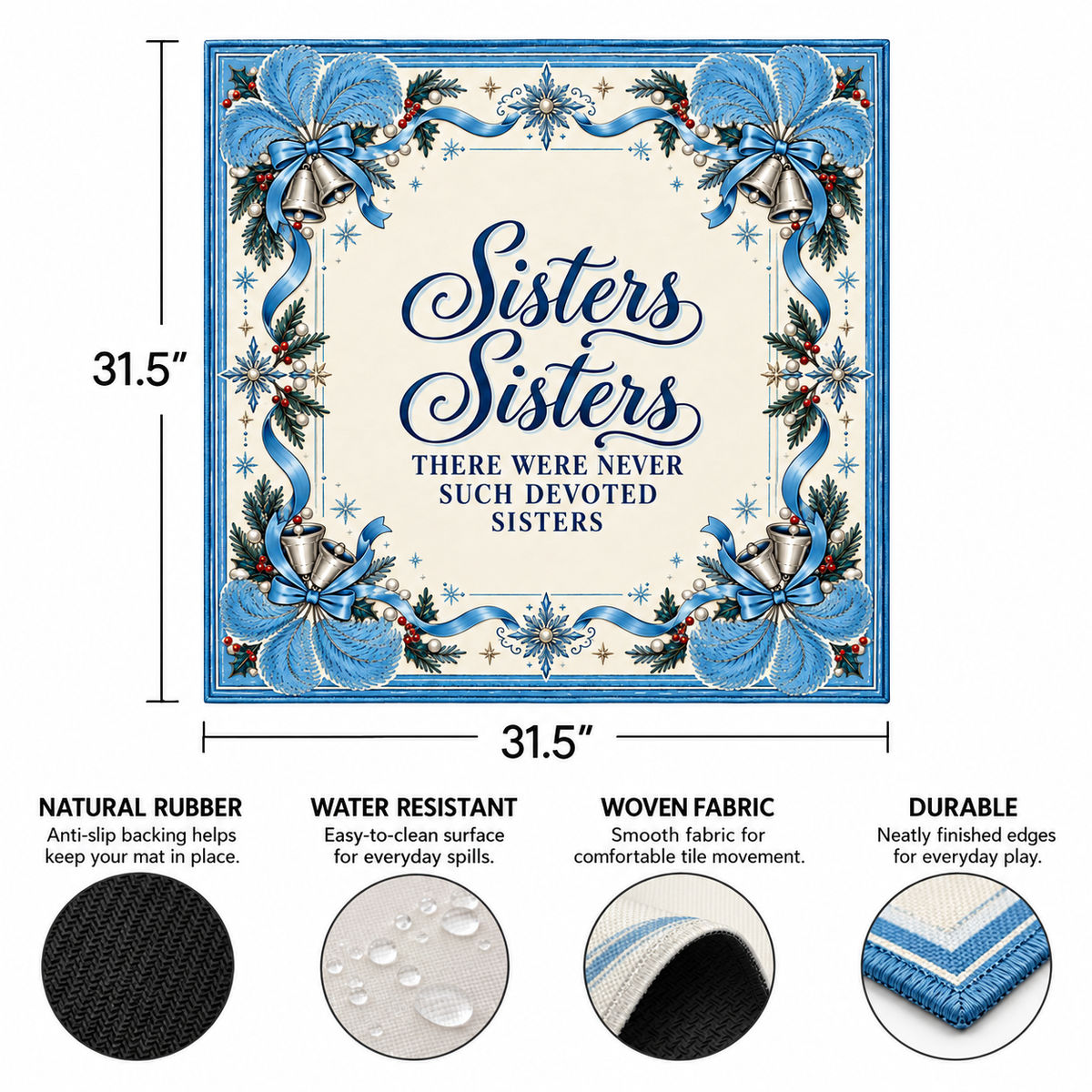
Vinyl mats are washable, durable, and slip-resistant—ideal if you play weekly and want long life with minimal care. Felt absorbs spills and feels softer underhand but stains more easily and wears faster at tile edges. Embroidered mats (often silk or cotton blend) look beautiful for display and special games but need gentle cleaning and are easier to damage. For serious players hosting regularly, vinyl wins on durability and cost-per-year; for occasional players or collectors, felt or embroidered adds charm. All Mahstead mats come with labeled zones and non-slip backing, so the choice is mainly about wear tolerance and aesthetics.
How does mat layout help your game speed?
A well-marked mat shows each player's hand zone, discard area, pung/kong row, and the wall (draw pile) clearly. This cuts fumbling and lets everyone see the game state instantly—crucial in competitive play or when jokers and exposed melds pile up. Mats without clear zones force you to remember where tiles belong, which slows play and causes errors. Look for mats with printed or embroidered player positions (North, East, South, West) and a center circle or line for the wall. Some mats also mark the joker discard zone separately, which helps you track what jokers are in play—a real advantage when you're hunting specific tiles to complete your hand.
🎁 See our most-loved mahjong sets & accessories →
What's the difference between a mat, a table cover, and a fitted sheet?
A mat is a loose surface you roll up and store; a table cover drapes over a table and may have elastic edges; a fitted sheet covers the table like a tablecloth. Mats are portable and ideal for players who move between venues or store sets between games. Table covers protect wood or glass from scratches and stains but stay in place during play. For weekly home games, a mat is more practical—it rolls into your carrying bag, takes seconds to set up, and doesn't require table prep. Read our guide on mat vs. table cover for detailed comparison and when each makes sense.
What should you check before ordering a mat?
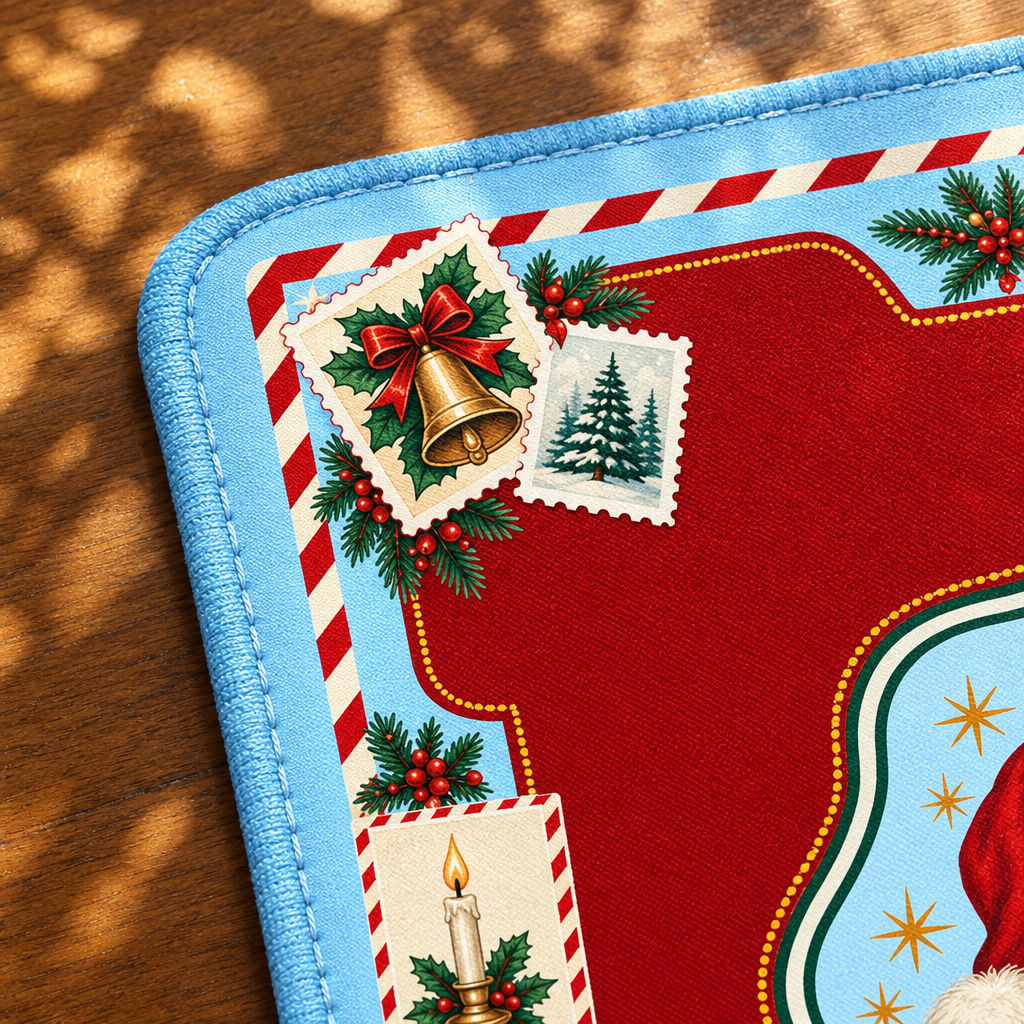
Before buying, confirm your table's exact width and depth (a tape measure saves returns). Check whether the mat is one-piece or joinable sections—one-piece mats won't fit very large tables but are seamless. Verify the backing material; non-slip PVC or rubber is standard, but cheap mats have slippery felt. Read customer photos and note the seam finish at corners and edges—weak stitching fails within months of play. If you plan to roll the mat, ensure the label says "roll-friendly" or test-roll it yourself to avoid permanent creases. Finally, confirm the mat includes all four player zones and a marked wall area; some budget mats skip labels, which defeats the purpose.
Mat Type | Best For | Durability | Maintenance | Portability |
Vinyl | Weekly home play, frequent moves | High (3+ years) | Wipe clean, machine washable | Excellent—rolls small |
Felt | Display, occasional play | Medium (1–2 years) | Hand wash, air dry | Good—rolls but creases |
Embroidered fabric | Collectors, special events | Medium (2–3 years) | Gentle hand wash | Fair—needs careful rolling |
Basic printed | Budget-conscious starters | Low (6–12 months) | Wipe down, no wash | Good—lightweight |
✨ Find your Mahstead set — free US shipping →
Does a mat really improve gameplay?
Yes—a mat with clear zones and non-slip backing reduces tile sliding, tile-reading errors, and arguments about where melds sit. Players find their hands and discards faster, fewer tiles accidentally knock over, and the game flows at natural speed. Weekly players report that adding a mat cuts fumbling by half and makes teaching beginners smoother because zones are obvious. A mat also protects your table from tile marks and spills, which justifies the cost if you host monthly or more. Mahstead's mahjong mats are labeled per player and include a joker zone—design details that avoid table confusion mid-game.
Where do I find the right mat in this budget?
The Mahstead collection includes mats at a range of price points; browse the mahjong mats page by size and material to see current options. Vinyl mats with standard zones typically fall in the lower-to-mid range; embroidered or extra-large mats sit higher. Many players pair a mat with one of the best-selling mahjong sets for a complete, cohesive game setup. Check the product photos and descriptions for exact dimensions, material, and backing. If you're a new player, start with a standard vinyl mat in your table size; upgrade to embroidered or large-format later once you know your preferences.
🀄 Shop best-selling mahjong sets →
What to Check Before You Buy
Measure your table (width × depth) and subtract 6 inches for player space.
Confirm the mat material and backing type (vinyl + non-slip PVC is durable).
Verify all four player zones and wall area are clearly marked or embroidered.
Check seam photos for quality stitching, especially at corners.
Read size and roll-up guidelines; confirm one-piece vs. jointed sections.
Test whether the mat fits your mahjong racks with pushers if you use them.

FAQ
Can I use a regular tablecloth instead of a mahjong mat?
No. A tablecloth offers no tile grip, no marked zones, and no wall area. Tiles slide constantly, and players lose track of melds and discards. A mat's non-slip backing and printed or embroidered zones are essential to smooth, organized play.
What's the minimum size mat I can get away with?
30"–36" works for compact tables or two-player games, but it's tight for four players with standard-sized hands and racks. Most weekly players find 40"–48" the sweet spot; anything smaller forces crowding and errors.
Do I need a mat if I play very casually?
Not strictly—casual players can play on a bare table. But even casual players benefit from zones to organize tiles and reduce sliding. A mat pays for itself in fewer mis-sorts and faster setup.
How do I clean a vinyl mahjong mat?
Wipe with a damp cloth and mild soap, then air dry flat. Machine washable on gentle cycle if the label allows. Avoid harsh chemicals; they degrade vinyl and backing.
Should I buy a mat and set together or separately?
Together is convenient for unboxing a complete game. Separate lets you choose a mat size and material matched to your exact table. Most players buy separately after their first game.
Can a mat fit over an uneven table surface?
Mats work best on flat surfaces. Warped or uneven tables cause bunching and tile rolling. If your table isn't flat, place the mat over a thin plywood sheet or use thicker felted mats to bridge minor gaps.
How often does a vinyl mat need replacing?
With weekly play and normal care, vinyl lasts 3+ years. If you play daily or leave it exposed to sun/heat, replace every 1–2 years. Check seams and backing for wear; replace if non-slip fails.


View More
View More
View More
