
How Many Tiles in Zung Jung Mahjong—and Where to Start
Last updated: Nov 23, 2026
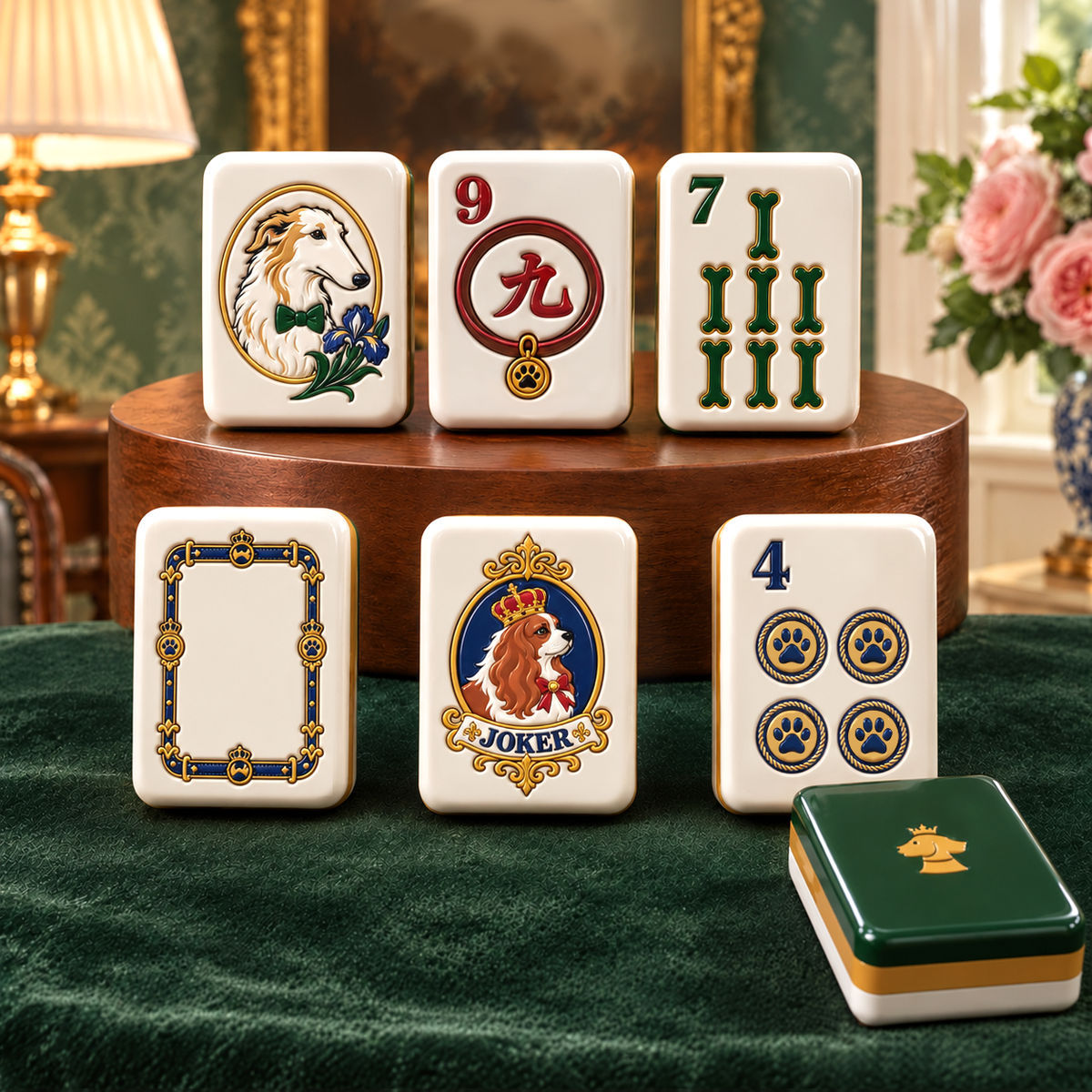
Zung Jung mahjong is a Taiwanese variant that uses 144 tiles: three suits (Bams, Craks, Dots) numbered 1–9, four copies each (108 tiles); 16 winds (four each: North, East, South, West); 12 dragons (four each: Red, Green, White); 8 flowers; and no jokers. Unlike American mahjong—which requires 152 tiles and 8 jokers—Zung Jung relies on pure tile combinations without wild cards. Hands are drawn from patterns based on Taiwanese rules, not the National Mah Jongg League card. If you're learning American mahjong or switching variants, clarity on tile count matters: it affects what hands are possible, how many copies you need, and whether your set will work for your preferred game. Most casual players in North America start with American sets; Zung Jung is more common in Taiwan and among players who study classical Chinese mahjong structure.
Zung Jung (中正) mahjong sits between classical Chinese mahjong and the Americanized game most of us learned at the weekly table. The tile count—144 exactly—tells you instantly whether a set is built for Zung Jung play or another variant. We'll walk you through what those 144 tiles are, how they differ from American rules, and whether Zung Jung is the right fit for your group.
What exactly are the 144 tiles in Zung Jung?
Zung Jung contains three identical suits of 36 tiles each. Bams (万), Craks (筒), and Dots (索) run 1 through 9, with four copies of every number—that's 108 tiles. Then come 16 winds: four North, four East, four South, four West. Twelve dragons follow: four Red (associated with Craks), four Green (with Bams), four White (with Dots). Eight flower tiles round out the set, typically numbered 1–4 twice or labeled by season. That's 108 + 16 + 12 + 8 = 144 tiles, period. No jokers, no blanks, no extra tiles for play. Every tile is live from the start of the game.

How does Zung Jung differ from American mahjong?
American mahjong (the game most of us play weekly) uses 152 playing tiles plus 8 jokers—a total of 160 tiles in a standard set. We have the same three suits and winds, but we also have 12 dragon tiles (not 8 flowers), and crucially, we add jokers that can substitute for any tile in an exposed pung, kong, quint, or sextet. Zung Jung has no jokers, so every hand must be completed with actual tiles from the draw—no substitutes. Hands in Zung Jung come from Taiwanese rulesets or classical patterns, not from the National Mah Jongg League card we consult each spring. If you're switching from American to Zung Jung, expect a learning curve: the hand structures, winning combinations, and even discarding strategy will feel different because there's no safety net of wild cards.
Why does tile count matter when choosing a set?
If you buy a 144-tile Zung Jung set and later want to play American mahjong at your friend's weekly game, you're short 16 tiles—and you'll be missing jokers that are non-negotiable in American play. Conversely, an American 160-tile set has flowers instead of some dragon tiles and includes jokers, so it won't work cleanly for strict Zung Jung scoring. Tile count tells you what game the set was designed for. Before buying, confirm which variant your group plays. If you're the host, you might keep both—American for your regular Thursday group and Zung Jung for visiting players from Taiwan or players learning classical patterns. Our best-selling mahjong sets include American standard (152 tiles + 8 jokers in the set); if Zung Jung is your target, you'll need to source it from a specialist or verify compatibility with your rules before ordering.
🀄 Shop best-selling mahjong sets →
Can you play Zung Jung with an American mahjong set?
Not comfortably, and not fairly. An American set has jokers; Zung Jung forbids them. An American set might have tile designs or flower tiles that don't match Zung Jung aesthetics or counts. If you use an American set for Zung Jung, you're either removing jokers (leaving you with an odd tile count that breaks the draw math) or allowing jokers in Zung Jung play (which violates the rules and makes hands solvable in ways classical Zung Jung doesn't intend). Similarly, trying to play American mahjong with a Zung Jung set means you have no jokers—and most American hands require them for flexibility. The games aren't compatible at the tile level. If your group includes both variants, invest in a set for each.

How do you choose between Zung Jung and American for your home game?
Ask yourself: Who sits at my table most often? If it's four family members or friends who all learned American mahjong and play the National Mah Jongg League card every week, American is your answer. If you host visiting players from Taiwan, or you want to study classical mahjong structure without the "training wheels" of jokers, or you prefer hand patterns rooted in Chinese tradition, Zung Jung makes sense. Consider also: Will you teach beginners? American mahjong with its jokers is more forgiving—new players miss a tile or two and the jokers cover mistakes. Zung Jung is stricter and rewarding for experienced players. Most North American homes start with American because the League card, widely available resources, and online tutorials make it easier. Zung Jung requires more specialized knowledge or a mentor who knows the rules.
Factor | American Mahjong | Zung Jung |
Tile count | 152 + 8 jokers (160-tile set) | 144, no jokers |
Hand source | National Mah Jongg League card (spring annual) | Taiwanese ruleset or classical patterns |
Jokers allowed? | Yes; required in most hands | No; strictly forbidden |
Best for | Casual weekly groups, beginners, League play | Experienced players, classical study, Taiwanese tradition |
Learning curve | Moderate (card-dependent) | Steep (pattern + no safety net) |
Online resources | Abundant; many blogs and YouTube tutorials | Fewer resources in English |
🎁 See our most-loved mahjong sets & accessories →
What to check before you buy a Zung Jung set
Tile count: Confirm the seller lists exactly 144 tiles, not 152 or 160. Zung Jung sets are less common in North America, so verify.
Joker presence: A genuine Zung Jung set includes no jokers. If the listing says "jokers included," it's not Zung Jung-standard.
Tile images and suits: Confirm the suits are labeled (万, 筒, 索) or translated as Bams, Craks, Dots—not other names.
Dragon and flower count: Eight flowers and twelve dragons (not 8 dragons and 4 flowers) is the Zung Jung standard.
Ruleset documentation: The seller or a friend familiar with Zung Jung rules should be able to explain the winning hand patterns you'll use.
Storage: Zung Jung sets are niche; you may need a custom bag or case. Mahstead's mahjong bags and cases can fit most sets with a little flexibility.
If you're committed to American mahjong and just curious about Zung Jung, there's no need to buy a second set right now. If your group is genuinely switching or adding a Zung Jung night, invest in the correct tile count and find a mentor or written guide to the ruleset. Most home players find American mahjong enough for a lifetime of weekly games.
Is Zung Jung worth learning if you already play American?
Yes—if you want to deepen your understanding of mahjong as a whole. American mahjong borrowed structure from classical Chinese games; learning Zung Jung shows you the roots. The strategy shifts when jokers vanish: every discard is riskier, every tile draw matters more, and hand-reading becomes sharper. Zung Jung players often develop better instinct for danger and opportunity. That said, if your Thursday game is happy and full, and no one at your table is hungry for a new variant, there's zero pressure to switch. Mahjong is a social game; the joy comes from the people, not the tile count. A 144-tile Zung Jung set makes sense when curiosity or a specific friend or mentor pulls you toward it—not as an obligation.
✨ Find your Mahstead set — free US shipping →

FAQ
If I buy an American 160-tile set, can I remove the jokers and use it for Zung Jung?
Mechanically, yes—you'd have 152 tiles left. But you'd still be short four tiles for a proper 144-tile game. American sets aren't designed for Zung Jung tile aesthetics or balance, so mismatches in flower vs. dragon counts might confuse players. Buy a genuine Zung Jung set if that's your goal.
Where can I find a Zung Jung set online?
Specialty mahjong shops, some Asian import stores, and sellers focused on classical or Taiwanese mahjong carry them. Verify tile count in the listing before purchasing. Mahstead specializes in American sets; for Zung Jung, a specialist retailer is your best bet.
Do Zung Jung and American mahjong use the same wind and dragon tiles?
Winds are identical—North, East, South, West, four of each. Dragons are different: American uses Red, Green, and White (12 tiles); Zung Jung uses Red, Green, and White, but the association with suits and flower tiles differs. The visual symbols may look the same, but the game context is not.
How long does a Zung Jung game take compared to American?
Without jokers as shortcuts, Zung Jung games often play slightly slower because every hand is more deliberate. A casual American game runs 45 minutes to two hours; Zung Jung averages 60–90 minutes. Experience and table speed matter more than the variant.
Can beginners learn Zung Jung, or should they start with American?
Beginners learn American mahjong more easily because jokers provide flexibility and the National Mah Jongg League card is a clear reference. Zung Jung requires memorizing hand patterns and tolerates no mistakes. Start with American; move to Zung Jung once you're comfortable with tile combinations and strategy.
If I host both American and Zung Jung players, what do I need?
Two separate sets (or sets designed for both, if available, though that's rare). A mahjong mat works for both variants. Racks with pushers also suit either game. The difference is in the tiles themselves, not the supporting gear.


View More
View More
View More
