
Singapore vs Vietnamese Mahjong: Rules & Key Differences
Last updated: Nov 23, 2026
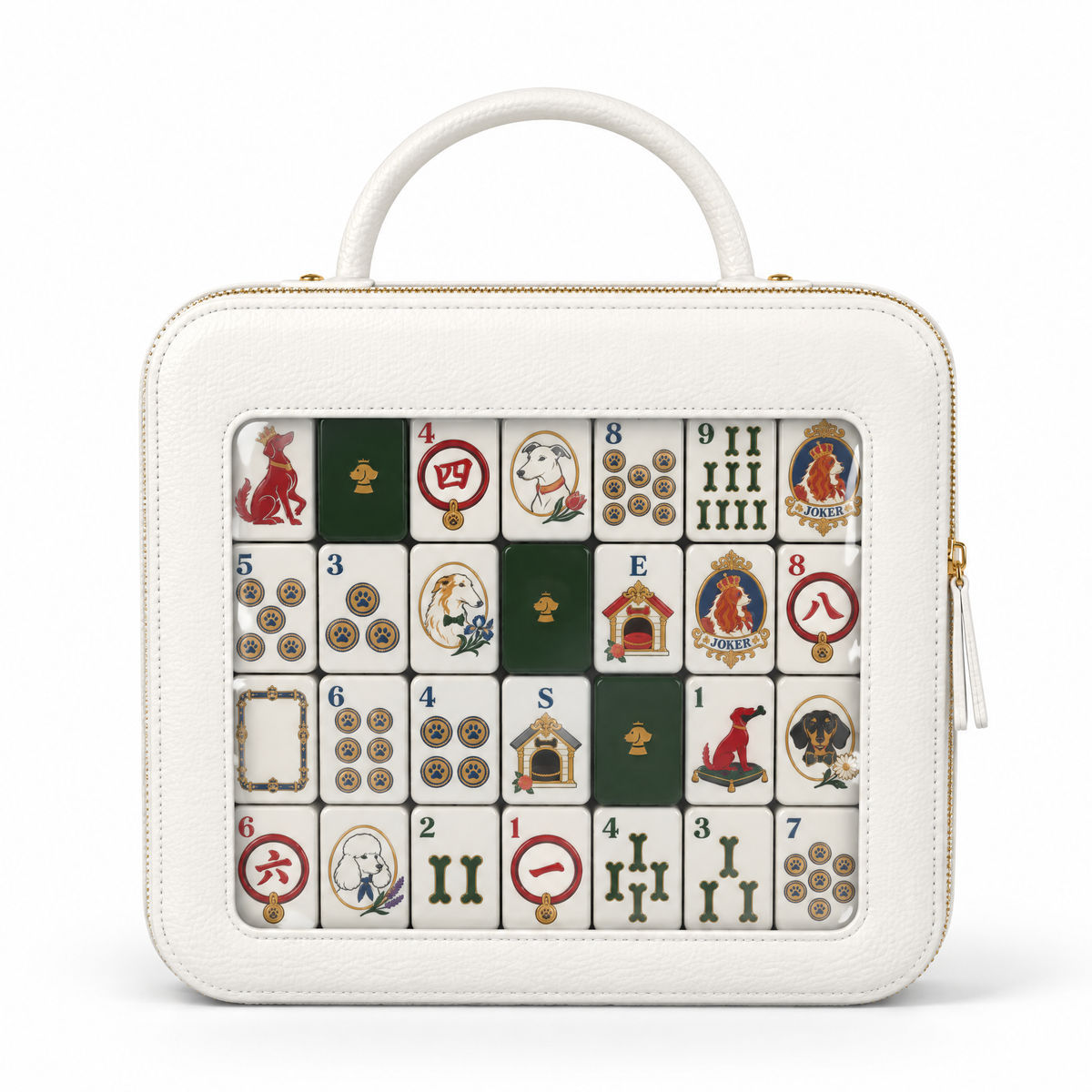
Singapore mahjong (also called Cantonese mahjong) uses 144 tiles with sequences (chows) and pungs as core melds, allowing players to call tiles from the discard pile mid-hand. Vietnamese mahjong evolved from Chinese roots but emphasizes different winning patterns and sometimes uses a simplified meld structure. Neither uses the Charleston ritual or relies on an annual card like American mahjong. Singapore play is fast-paced and interruption-heavy; Vietnamese is slower and more strategic. American players find both require memorizing entirely different hand patterns and learning to call melds aloud. If you're hosting a mixed group, stick to one variant per session—switching mid-table causes rule confusion. Our best-selling mahjong sets are designed for American mahjong; Asian variants require specialized 144-tile sets not sold by Mahstead.
What tiles does Singapore mahjong use—and how do they differ?
Singapore mahjong (Cantonese-style) plays with exactly 144 tiles: three suits (numbered 1–9, four copies each), 16 winds, 12 dragons, eight flowers, and sometimes eight seasons. There are no jokers—a critical difference from American sets. The composition mirrors classic Hong Kong play. American mahjong adds eight jokers and three extra tiles (to reach 160 total in our sets), and includes a "zero" white tile that serves dual purposes. Singapore tiles are typically smaller and lighter, with a narrower wind indicator. For American players: you cannot use joker substitution rules in Singapore play. Every tile must be legitimate or the hand is invalid.

How do hand patterns differ between Singapore and Vietnamese mahjong?
Singapore hands require four melds (pungs, chows, or kongs) plus a pair. Crucially, chows (1-2-3, 5-6-7, 8-9-1 sequences) are core melds—not banned like in American mahjong. Players can call a chow from the discard pile, even mid-hand. Vietnamese mahjong traditionally emphasizes similar structures but often uses regional rule sets; some versions favor kongs and pungs, others allow chow variants unique to certain provinces. American players are trained to ignore sequences entirely—calling out "chow" in an American game signals a rule violation. This mental retrain takes practice. If you're hosting Americans learning Singapore rules, drill the chow concept for 10 minutes before dealing.
Can you call or steal tiles mid-hand in both games?
Yes—both Singapore and Vietnamese mahjong allow tile-calling (claiming a discard for a meld), unlike American mahjong where you draw in turn and only expose melds from your own hand. In Singapore play, if someone discards a tile, the next player can immediately call it if they can form a pung, chow, or kong. The game pauses; melds are exposed face-up on the table. Vietnamese rules vary by region, but the core principle holds: discards are "live" and claimable. American mahjong forbids this entirely—you draw in strict rotation and exposure is optional. This difference makes Singapore/Vietnamese play feel faster and more social; American play is quieter and more protective. If you're switching from American to Singapore, expect table chatter and quicker round times.
How does scoring work in Singapore versus Vietnamese mahjong?
Both use point-based scoring tied to tile rarity and hand complexity, but calculation methods differ sharply. Singapore typically scores based on the winning tile source (draw vs. claim), meld composition (honor tiles and dragons score higher), and hand patterns (all pungs, all chows, mixed). Vietnamese scoring often incorporates regional variants—some regions use a similar system, others have simplified point tables. American mahjong uses the National Mah Jongg League card, which defines legal hands by pattern only; scoring is set per hand type (no variation). There's no "rarity bonus" in American play. Singapore and Vietnamese games require mental math mid-session; American games rely on a printed card. Newcomers to Asian variants should bring a score sheet and a calculator.

What equipment do you need to set up—and what's a dealbreaker?
Singapore and Vietnamese mahjong require a 144-tile set (no jokers), a dealing table or mat (optional but helpful), and a score pad. Racks with pushers work but aren't essential—many players hold tiles in their hands. You can't use an American 160-tile set: the jokers are useless, and you'd have eight surplus tiles cluttering the play. If you're hosting both American and Asian players, buy two separate sets—don't try to hybrid-play. Tiles should be clearly marked with large numerals and suit symbols; smaller vintage tiles frustrate beginners. A mahjong mat with grid lines helps organize the discard pile, especially in fast-paced Singapore games where tiles pile up quickly.
Aspect | Singapore Mahjong | Vietnamese Mahjong | American Mahjong |
Tile count | 144 tiles (no jokers) | 144 tiles (no jokers) | 152 tiles + 8 jokers |
Chows allowed? | Yes, core melds | Yes, regional variation | No—banned entirely |
Calling tiles mid-hand | Yes, always | Yes, regional variation | No—draw-only |
Hand source | Player memory / regional books | Player memory / family rules | National Mah Jongg League card |
Play speed | Fast (30–40 min/round) | Moderate (40–50 min/round) | Moderate to slow (45–60 min/round) |
Skill ramp | Steep (chow combos + calling) | Moderate (fewer calling rules in some variants) | Moderate (card memorization) |
Our best-selling mahjong sets are purpose-built for American mahjong with the correct 152 tiles plus eight jokers. If you're playing Singapore or Vietnamese mahjong, you'll need a specialist 144-tile set from an Asian supplier—Mahstead's acrylic American sets won't translate.
🀄 Shop best-selling mahjong sets →
What should you check before hosting a cross-variant game?
Before inviting both American and Asian mahjong players to the same table, confirm the rule set in advance. One clear sentence: "Tonight we're playing American mahjong—no chows, no calling, League card only." Post it on the invitation. If someone insists on mixing variants mid-game, stop and choose one. Mixed-rule confusion has ended friendships over tiles. Have a house rules sheet printed or screenshotted on your phone. Define: Can tiles be called from the discard pile? Are chows allowed? Do you use jokers? Are there bonuses for specific hand patterns? Document it. Second, check tile familiarity—if half your group has never seen a Singapore set, deal a practice hand first. Let them hold the tiles, see the symbols, ask questions. Third, agree on scoring: will you use a calculator? A score card? Will you track by points or by rounds? Finally, ensure adequate mahjong mats or a clear play surface—tiles need organized space, especially if calling is frequent.
🎁 See our most-loved mahjong sets & accessories →
Why do American players struggle switching to Singapore or Vietnamese rules?
Three reasons stand out from hosting mixed-skill tables. First, American mahjong trains you to ignore sequences—calling "chow" feels like cheating. Retraining that instinct takes 5–10 hands. Second, American play emphasizes hand concealment; Singapore/Vietnamese games thrive on exposed melds and constant calling. The social rhythm is entirely different. Third, American players rely on the League card; Singapore and Vietnamese players rely on pattern memory and regional knowledge. An American asking "Is that a legal hand?" can't point to a card—they have to trust the players or consult a book. Bridge that by finding a Singapore-fluent player to co-host your first mixed session. They can call out illegal hands calmly and explain patterns without judgment.
✨ Find your Mahstead set — free US shipping →

FAQ
Can I use an American mahjong set to play Singapore mahjong?
No. American sets include eight jokers and 152 total tiles; Singapore requires exactly 144 with no jokers. The jokers cannot be substituted into Singapore hands. You need a separate 144-tile set.
Is Vietnamese mahjong the same as Singapore mahjong?
No. Both evolved from Chinese roots, but Vietnamese rules vary significantly by region—some versions simplify chow calling, others use different scoring. Singapore (Cantonese) is more standardized. Always confirm house rules before playing.
Do I need a mahjong mat to play Singapore or Vietnamese mahjong?
No, but it helps. A mat organizes the discard pile (especially important in fast-paced Singapore games with frequent calling) and protects tiles. You can play on any flat surface.
How long does a round of Singapore mahjong take?
Typically 30–40 minutes per round, faster than American mahjong because tiles are called mid-hand and play pauses less often. A full session (4 rounds) takes 2–2.5 hours.
What's the biggest rule trap for American players switching to Singapore?
Forgetting that chows are legal and constantly calling. American training teaches "sequences don't exist"—rewiring that takes conscious effort and patience from your co-players.
Where can I find a 144-tile mahjong set?
Specialty Asian mahjong retailers carry 144-tile sets designed for Singapore, Vietnamese, and Hong Kong play. Mahstead focuses on American mahjong sets (152 tiles) and related accessories.


View More
View More
View More
